One of the more talked-about titles at this year’s Fantastic Fest wasn’t an international curio or a horror franchise installment but “Shelby Oaks,” the directorial debut of YouTube critic Chris Stuckmann.
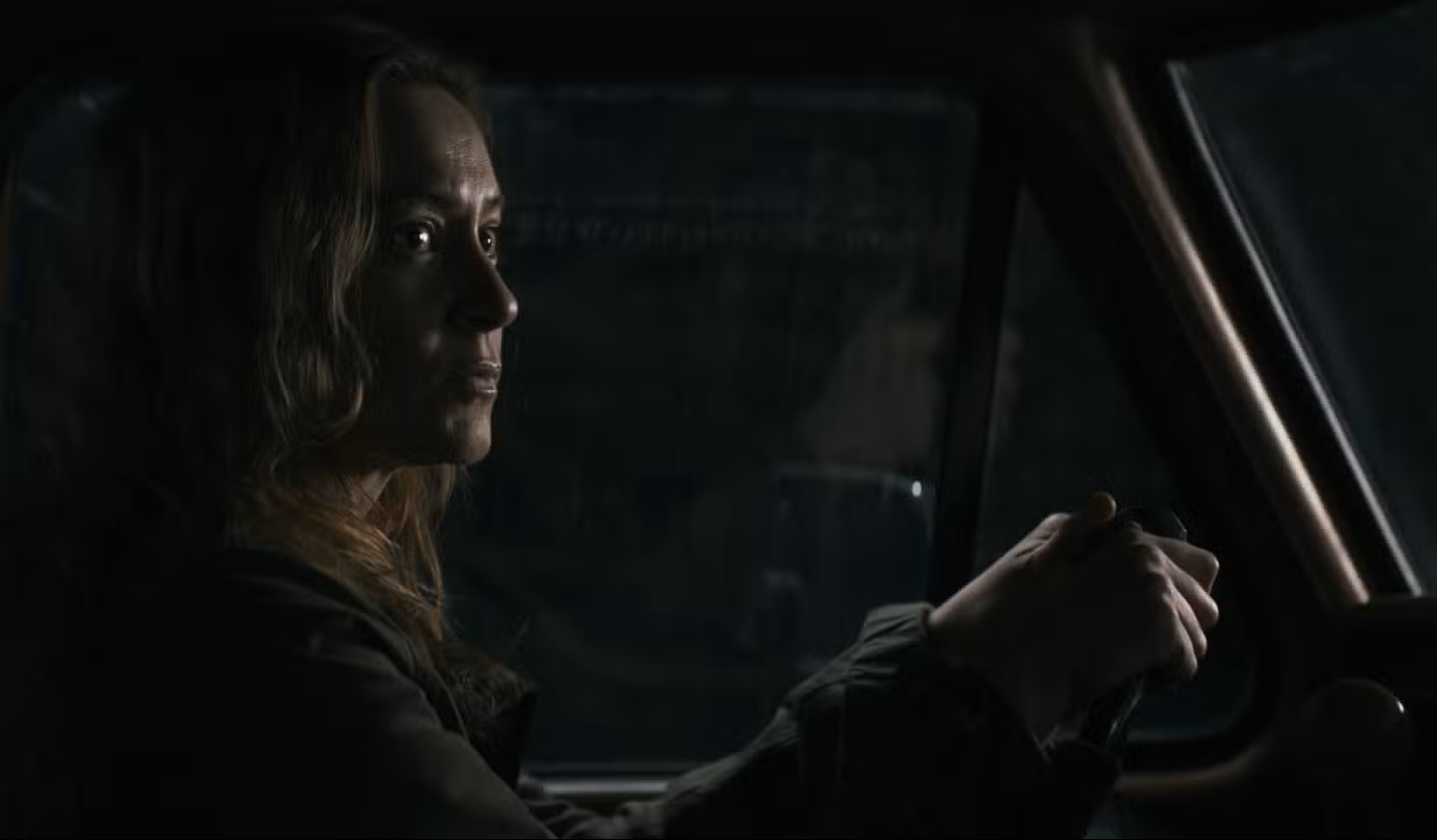
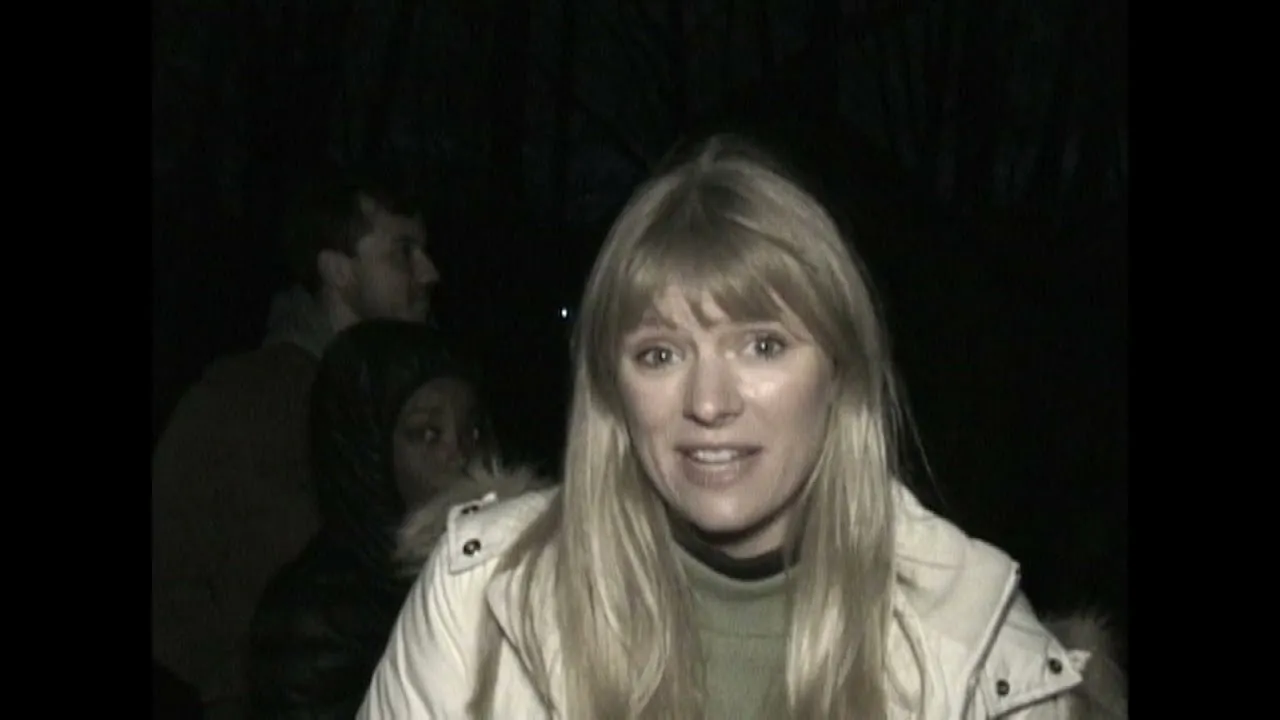
The leap from popular online reviewer to filmmaker invites skepticism, but Stuckmann clearly knows the form he’s playing in. His film opens with a faux–true-crime documentary prologue. We’re introduced to Mia Brennon (Camille Sullivan). Mia’s sister Riley hosts of a modestly popular paranormal-investigation channel. Riley vanished along with her crew after their footage began to go viral.
What gives this opening such conviction is Stuckmann’s eye for online textures. He understands how YouTube videos are cut, how true-crime narratives circulate, and the oddly homegrown authenticity that makes them so persuasive. That grounding in digital culture lends the subsequent horror a rare tangibility.
The faux-doc section culminates in a shocking, abrupt ending—among the most thrilling sequences I’ve seen in a movie this year—before the film pivots into a more traditional but engaging mystery. As Mia follows the trail of her sister’s disappearance, “Shelby Oaks,” assumes the shape of an investigative narrative that recalls Scott Derrickson’s “Sinister” in its commitment to the maxim “be careful what you look into.”
From YouTube to Big Screen
Stuckmann shows a flair for the pulp pleasures of investigation. Freeze-framing grainy tapes to spot occult symbols. Scouring microfiche archives. And staging encounters with supporting players whose ominous exposition thickens the mystery.
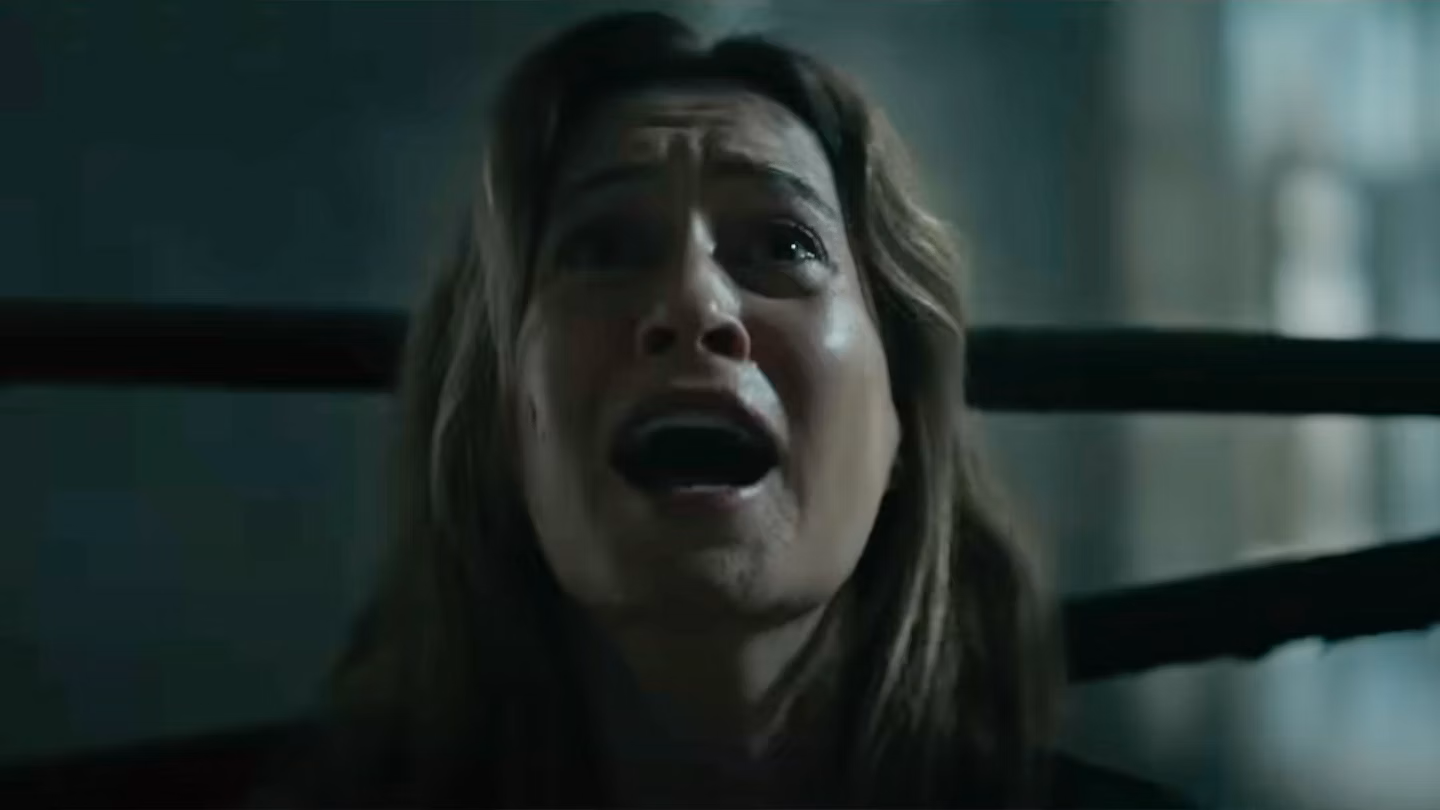
These tropes could feel perfunctory, but they’re enlivened both by Sullivan’s performance and by Stuckmann’s genre savvy. Sullivan embodies grief as stasis, capturing how sudden loss can trap a person in obsessive loops of thought. Even when the script nudges her toward dubious decisions—like the genre-mandated choice to “go it alone” when literal demonic forces are in play—her conviction maintains the film’s emotional throughline.
Formally, “Shelby Oaks” is assured. The cinematography is crisp, often letting dread seep in from the margins rather than lunging forward with cheap shocks. Horror is staged in the background of the frame as often as in the foreground, a choice that rewards attentiveness and suggests a director fluent in the grammar of the genre. At under ninety minutes, the pacing is sharp and efficient, never overstaying its welcome.
The Unknowable Evil
But efficiency is not the same thing as originality. As the story accelerates toward its climax, the intangible dread that once gave the film its charge becomes disappointingly codified. The “unknowable evil” begins to resemble any number of interchangeable horror-movie archetypes, and the narrative leans on shortcuts rather than innovations.
By the end, time itself seems to collapse into confusion, and the finale—meant as a shocking convergence—plays as oddly telegraphed, especially once the film breaks form for a third time. What began with unnerving precision concludes with a sense of diminishing returns.
Still, as a debut, “Shelby Oaks” deserves notice for how much it gets right. Stuckmann’s affection for horror—its rituals, rhythms, and capacity for dread—is unmistakable, and his command of atmosphere suggests a voice worth cultivating. If the film leans too heavily on familiar tropes, that may be the occupational hazard of a critic trying to prove his bona fides by playing inside the lines. But there’s a spark here, and the hope is that his next project loosens its grip on convention, trusting instinct over shorthand.+