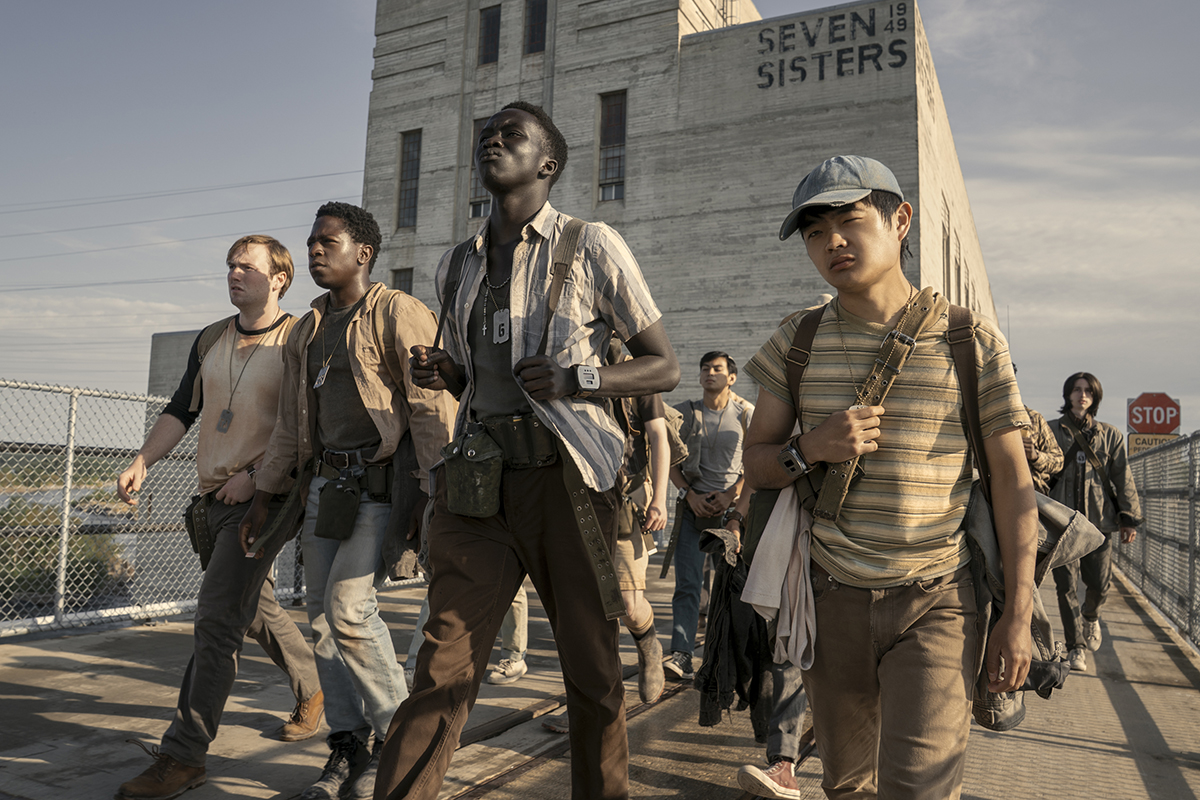
“The Long Walk” is a strange, occasionally mesmerizing genre hybrid: part dystopian YA nightmare, part minimalist sports film, part cruel horror, and part talky indie that would make Richard Linklater smile. At its heart, it’s a simple story about the human spirit under extreme duress. The movie thrives whenever it lets its actors simply exist and converse. Cooper Hoffman carries the film with luminous energy, while David Jonsson delivers a quiet revelation. Every step he takes, every glance he offers, sketches the life of a man who has endured endless struggle yet finds fragile purpose in the march. Their connection—intimate, immediate, and emotionally resonant—recalled “Brokeback Mountain,” though not implicitly romantic; it’s about recognition, trust, and the rare beauty of seeing someone truly, instantly.
Judy Greer, in less than five minutes on-screen, absolutely blows the door open with a heartbreaking portrayal of Hoffman’s mother, accessing a seemingly endless depth of human emotion. Ben Wang, previously unremarkable in “The Karate Kid: Legends,” brings charm and humanity to a plucky supporting role that could have easily faded into background noise. Tut Nyuot—an actor I’d never encountered before—also stands out with warmth and sly humor, keeping the film from drowning in total grimness. The rest of the ensemble is serviceable, though broadly sketched.
Francis Lawrence Directs with Skill
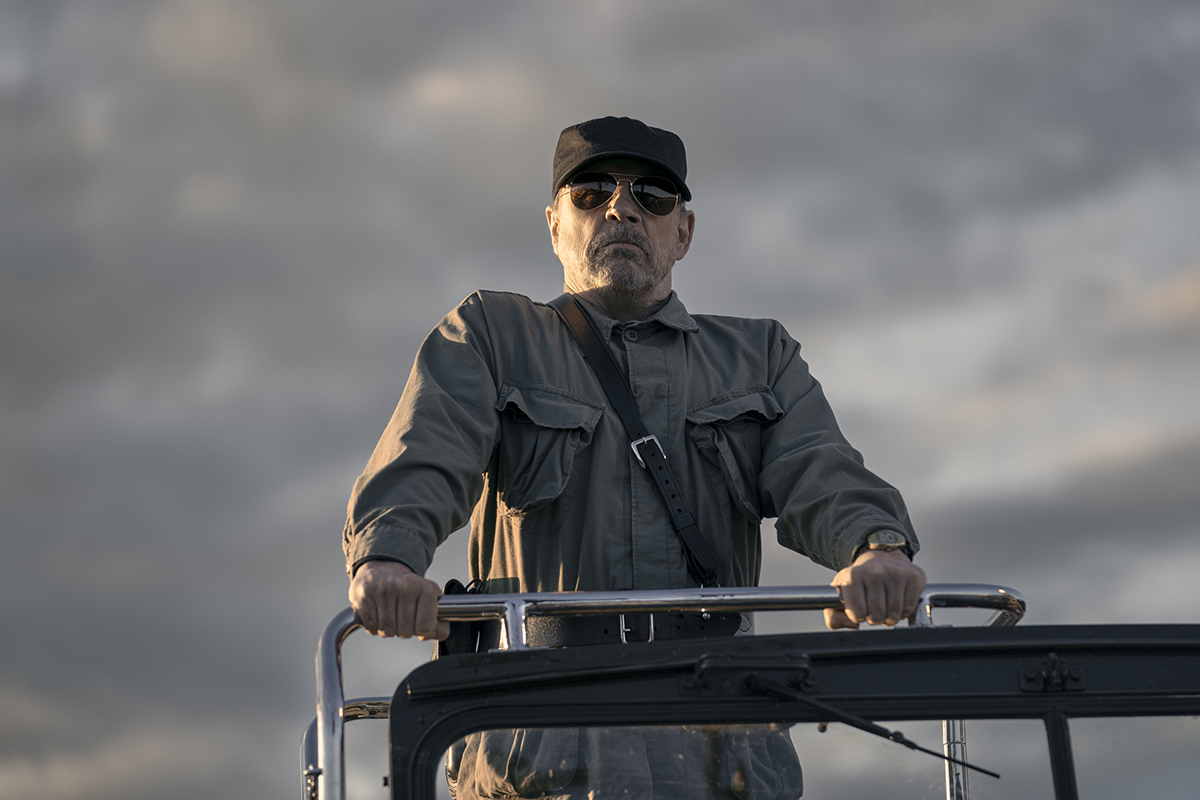
Then there’s Mark Hamill. Hamill’s authoritarian Major is an exercise in excess: every line over-acted, every pause self-conscious. The character lacks interiority, and whenever he appears the world around him feels artificial. It’s frustrating, because you can easily imagine a great character actor—someone like John Goodman—transforming the role entirely. Hamill has been great in roles I’ve seen in the past, but between this and his failed semi–Oscar-bait monologue in “The Life of Chuck” earlier this year, those memories fade away and I found myself wondering if he’s ever really been good.
Francis Lawrence directs with confidence and skill. Known for “The Hunger Games” films, “I Am Legend,” and the gloriously weird “Constantine,” he has a knack for creating tension in dystopian settings while keeping human drama front and center. Here, he does fine work balancing intimate character beats against the punishing, relentless march, though the film’s pacing is a persistent issue. For a movie called “The Long Walk,” the monotony can feel numbing. The sense of hopelessness, while essential, too often flirts with fatigue rather than dread.
JT Mollner’s screenplay—following last year’s twisty thriller “Strange Darling”—leans heavily on dialogue, using it to reveal character and build dread. His writing lets the quiet moments resonate and makes the visceral, horrifying consequences of the walk hit hard. The film delights in imagining every conceivable way a participant might fail, and that inventiveness keeps the narrative alive even during stretches of slow progression.
A Bleak But Compelling March
Visually, the film is functional rather than spectacular. It comes alive in close-ups and conversations between characters but falters when attempting to depict the dystopian world, which feels underpopulated and cheap. Still, the thematic core—camaraderie, friendship, endurance, and the pursuit of purpose—lands with surprising emotional weight, even when the movie occasionally overplays its hand.
“The Long Walk” is punishing, uneven, and occasionally clumsy, yet it succeeds on the strength of its performances, its visceral intensity, and the quiet humanity that Mollner’s script allows to shine through. With the exception of Hamill, these performances linger long after the credits roll. It’s a talky indie disguised as horror and dystopia, a bleak but compelling march that stands as a memorable Stephen King adaptation. Recommended for anyone willing to endure the long, bleak journey.