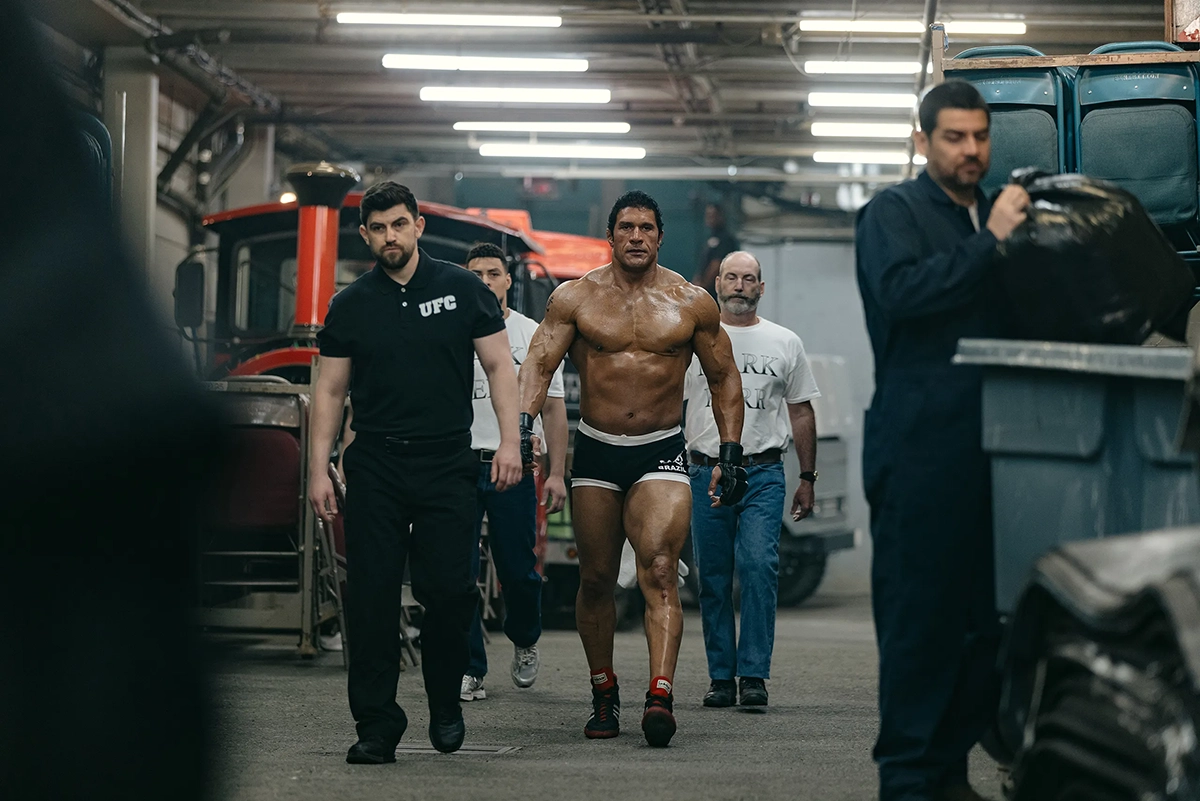
Benny Safdieâs solo directorial debut arrives with heavyweight expectations. “The Smashing Machine” tells the story of former UFC and PRIDE superstar Mark Kerr. He’s here played by Dwayne Johnson, and the film’s already earned Safdie the Silver Lion in Venice alongside a steady prepackaged drumbeat of Oscar buzz. The film is based on Kerrâs struggles with addiction and fade into obscurityâa narrative already documented with devastating clarity in John Hyamsâ tremendous 2002 documentary of the same nameâwhich means the feature is always shadowboxing with redundancy. But Safdieâs movie earns its keep by focusing on Kerrâs mindset and having a powerhouse performance to embody that mindset. It’s the contradiction of a man who’s really good at destroying people but drifts through his own life on smiley, gentle autopilot.
Hyams made “The Smashing Machine: The Life and Times of Extreme Fighter Mark Kerr” before he directed any action or narrative features, which is remarkable considering its confidence and intimacy. That documentary was raw, unflinching, and more critical of the UFC itselfâscrutinizing the institution as much as the man. At the time, Hyams didnât yet have action roots. His portrait of Kerr stood apart for its stripped-down candor, its willingness to linger in muted despair. Safdieâs film, while arriving two decades later, isnât that far removed in spirit. He leans on the same fly-on-the-wall textures, cultivating intimacy through small details and ambient unease rather than overt dramatization.
Dwayne Johnson Imbues Vulnerability and Strength
And then thereâs Johnson. Casting a brand-name wrestler as a brand-name fighter sounds like stunt work. However Johnson delivers the most surprising performance of his careerâand the reason you should see the movie. He disappears into Kerrâs spacey, small-voiced cadences and his opioid-clouded drift through fame. His physicality is altered, his voice subdued, his shoulders perpetually slumped. Itâs rare to see Johnson vulnerable on-screen, let alone fragile, but his Kerr is perpetually on the brink of collapse. His performance is not just against typeâitâs a demolition of type, stripping away everything audiences assume about him.
The strength of Johnsonâs work also makes the filmâs weakest link more obvious. Emily Bluntâordinarily the more resourceful and versatile actor by farâplays Kerrâs wife, Dawn Staples, with a brittle intensity that feels more actorly than lived-in. Where Johnson vanishes into Kerr, Blunt seems to be doing a lot of nails-and-hair acting and hits every boxing-girlfriend cliché in the book. The imbalance is jarring. Johnson, whoâs so rarely taken seriously, taps into something raw and human, while Blunt, who usually elevates material with ease, feels stranded. Her performance doesnât just falter; it throws Johnsonâs authenticity into sharper relief. And because the film never gives Dawn a real narrative resolutionâthe marriage storyline stalls without a conclusionâit leaves her as an ornamental presence that clashes with the authenticity of Kerrâs personal world.
‘Smashing Machine’ Alienates Blunt’s Dawn Staples
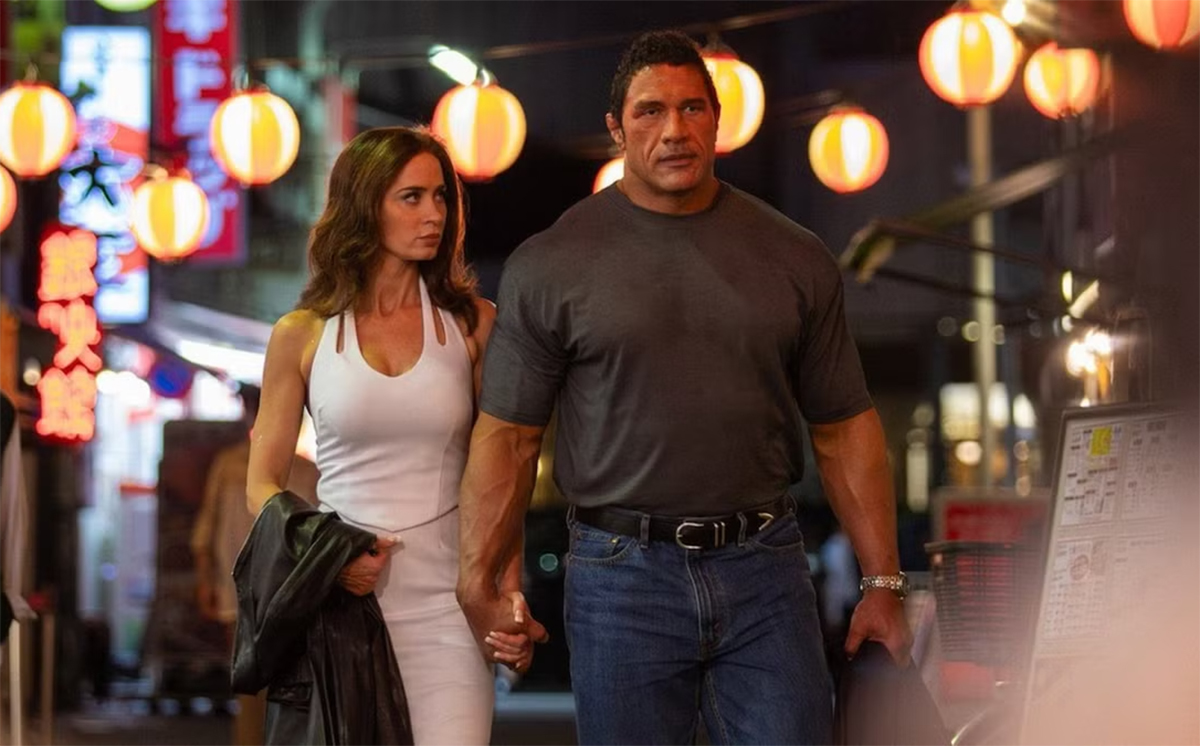
The irony is that the filmâs most convincing relationship doesnât involve Dawn at all. Nearly every exchange between Kerr and his confidant and training partner Mark Colemanâplayed by former Bellator heavyweight champion Ryan Baderârings true. It’s to the point it seems Safdie is focusing on the wrong pairing. If the film sometimes feels like a displaced buddy movie, refracted through the two Marks, it ultimately becomes a study of loneliness. The purity of their friendshipâand the possibility that the climactic tournament might force them to throw down despite their mutual admirationâgives “The Smashing Machine” some shape in the homestretch even as its fidelity to the facts guarantees an uncinematic ending. Kerrâs isolation is amplified, not lessened, by the adulation of crowds and the comfort of substances. Safdie stages the fights with visceral impact. However, the most searing moments are quieter. Hotel rooms, bathrooms, and hushed late-night conversations reveal how much self-destruction thrives in the margins of glory.
That “The Smashing Machine” is smartly made and well acted is not a surprise. Safdieâs track record as a filmmaker with his brother, Josh, is stellar stuff, comprising an empathetic roguesâ gallery of self-divided protagonists. Some are fictional, like Robert Pattinsonâs petty hood in “Good Time” or Adam Sandlerâs high-stakes gambler in “Uncut Gems.“ And some authentic, like the eponymous subject of 2013âs “Lenny Cooke.” The latter film, a quietly devastating work, captures a high school hoops phenom in the disorienting aftermath of dashed dreams. “Lenny Cooke” is at once empathetic and unflinching, giving its subject space to reveal vulnerability, charm, and frustration. The collage of film and video textures mirrors the chaos of Cookeâs life. The documentaryâs collaborative spirit allows the young manâs own anxious, conflicted energy to inform every frame, prefiguring the kind of intimate, kinetic storytelling the Safdies would perfect in their later features.
A Very Accomplished Film

Whatâs strange about “The Smashing Machine” is how Safdie seems to be borrowing his terms from Hyamsâs doc to the point of replicating them, sometimes shot for shot. This is not necessarily a bad thing. The Safdiesâ earlier films often blurred the line between fiction and documentary, and glancing, fly-on-the-wall observation is in Bennyâs wheelhouse. The result is a very good, very accomplished movie. But itâs so similar to Hyamsâ doc you wonder why this was madeâother than to get the Rock some very deserved Oscar buzz.