Hanging out on social media horror forums led to me âMartyrs,â the second film Iâve seen in the past year from the âMost Gruesome Filmsâ list. It seems every time I think I’ve heard of them all, a new one pops up. This film, from 2008, is the French horror film from filmmaker Pascal Laugier, who we recently surveyed in the gory yet tense âIncident in a Ghostland.â The first film on the list I watched months ago, âA Serbian Film,â is heralded as the taboo-breaker of all taboo breakers. I found with that film, that advanced hype was its worst enemy. Knowing the filmâs worst scenes by word of mouth, it failed to affect me much. âMartyrsâ affected me more. The reason is not due to its gore and violenceâwhich are abundantâbut its psychological ramifications, which are more harrowing than anything seen on-screen.Â
The story of âMartyrsâ is introduced furiously, and its opening is visceral and affecting. A young girl named Lucie (Jessie Pham at age 10) escapes from a torture racket. Her young, horrified form runs from an abysmal-looking brownstone factory in an industrial district. Laugierâs film doesnât pause for much rest here. In quick time a group of journalists depict the horrors that went on here: sleep deprivation, physical abuse, and semi-starvation. âTypical child abuse,â the journalist closes, quick to state that there was no rape. I found this notable. It was a departure from American cinema, thatâsince the 2000sâloves to focus on sexual violence towards women as its modus operandi.Â
Abuse, Trauma, and its Enablers
From there, we get a couple quick scenes of Lucie befriending a girl named Anna in a hospital where she recovers. Anna, also a victim of parental abuse (it’s hinted at only, and nothing as severe as Lucie endured) becomes her confidant. So itâs no surprise when later Lucie wants revenge. She has found a picture in the newspaper of the family who kidnapped and tortured her. Laugier introduces us to the family for long enough that they seem normal and run-of-the-mill. The sister haggles the brother. The father plays peacekeeper, etc. It shatters our expectations, then, when the door rings and Lucie blows them away with a double-barreled shotgun. Her executions are sudden and unremitting. Itâs here I realized âMartyrsâ was not to be a âI Spit on Your Graveâ clone. Thatâs both its benefit and its curse. The film is more inspired than that ’70s exploitation piece and not offered as entertainment. Laugier wants âMartyrsâ to be heavier, and it shows.Â
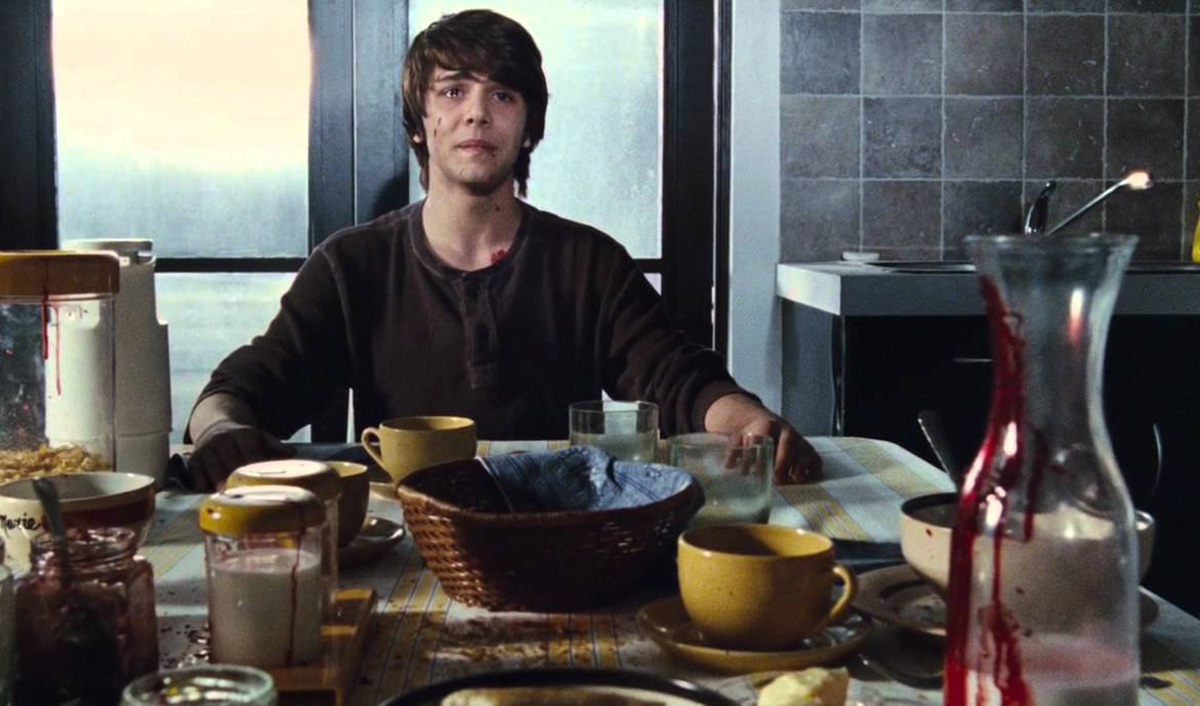
As others have noted, âMartyrsâ is really two films. The first is the aftermath of Lucieâs murder, and the second follows Anna as she endures things no one should be made to endure. The film does have a reason for what happens, which separates it from âHostelâ and âThe Human Centipede,â but it still doesnât do much to cleanse the palate. The film also hits in an odd way. As Lucie has killed the family at breakfastâand their home is a beautiful, country-style homeâwatching she and Anna dispose of the bodies amidst trauma-forced discussions under the gentle window sunlight adds an eerie feel. In many ways, this home becomes a tomb for them all. Its highlighted in the same dreary dolor that encompassed the house scenes of âHigh Tension.â Iâm also curious whether Laugier and cinematographers Stéphane Martin and Nathalie Moliavko-Visotzky are making obvious underlines of how you can never escape trauma, or if it was just an accidental finding.Â
Laugier Asks: Can You Move on from Trauma?
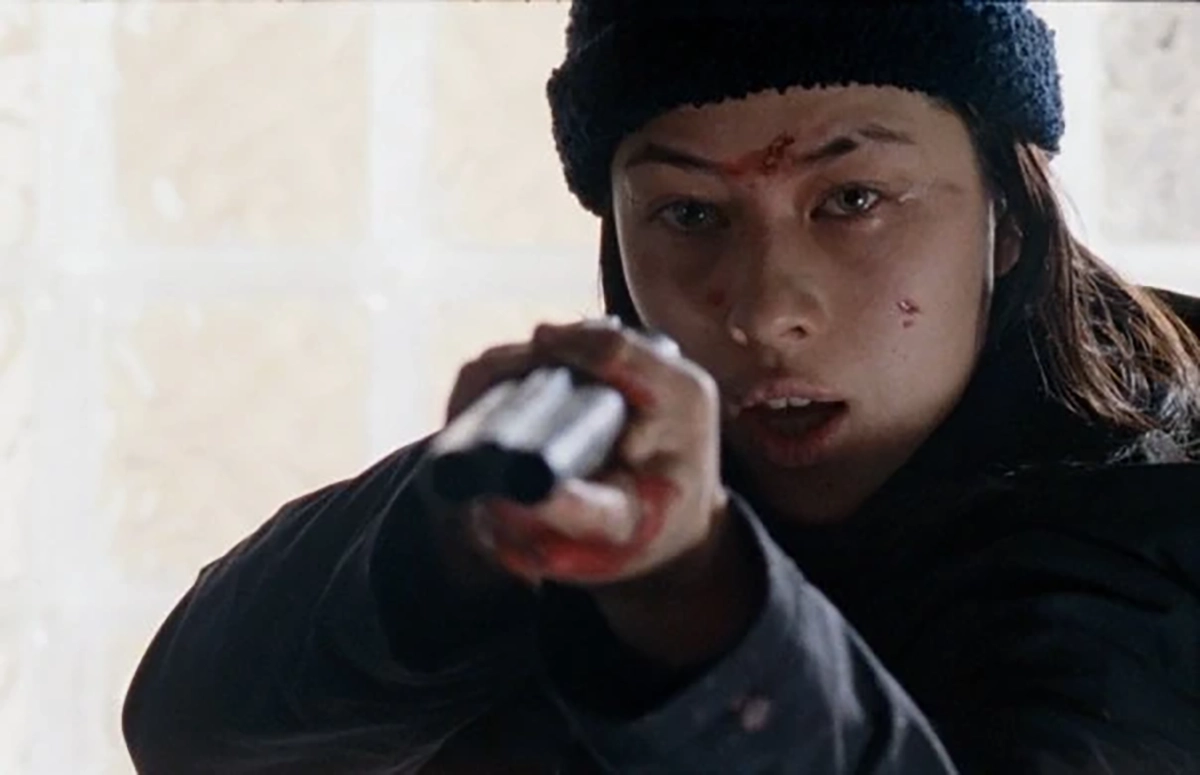
âMartyrsâ is hard because it lingers. Its leads, Lucie and Anna, set the tone for the film. And actresses Mylène Jampanoï and Morjana Alaoui, respectively, are both tremendous. The film offers the thesis that trauma can changeâor destroyâyou; and watching Jampanoï wrestle with her demonsâincluding a little girl from the torture house she could not saveâitâs obvious she will never be the same. Anna on the other hand is more balanced. Sheâs agrees to help Lucie with her tasks, but wonders sometimes if sheâs crazy. Itâs never said out loud, but silent looks convey it. Lucie also sees the little girl from that den of torture in this house who attacks her (with a knife, razor, etc). Weâve seen Lucie is a cutter from the hospital (or so we thought), but is this girl real or imagination? But rather than to be narrative confusion, the juxtaposition from Lucie to Anna is purposive. Lucieâs damaged state is what Anna is fated for, and Laugier is letting our minds glean what that could be like.Â
If you come into âMartyrsâ looking for a horror film on a cold October night, you should be warned it’s advanced membership. For me, the gore was not harder to endure than âHostel 2â or âThe Texas Chainsaw Massacreâ (2003), but itâs not lost on me that Iâm experienced with horror. The shotgun scenes at the filmâs beginning hit with thunderous claps and are despairing and desperate. That feeling is not alleviated by the fact that two of the victims likely had it coming. And the way the camera follows Lucie and Anna around this modern homeâexploring their pain, love, and empathy for one another against the backdrop of blood-spattered wallsâbrought a sense of despair and bleakness that’s hard to explain.Â
Despairing Themes Throughout
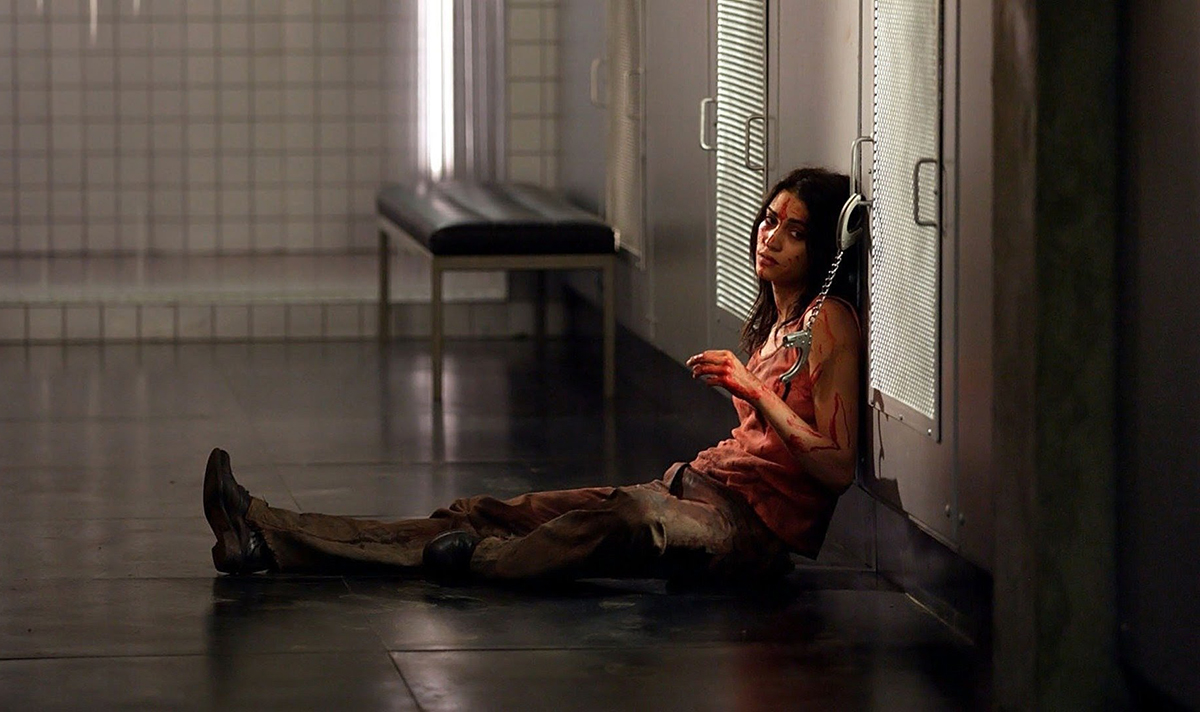
“Martyrs” is heralded in horror communities for its second halfâinvolving Annaâand I canât imagine the depths of acting poor Alaoui went through to make this film (of note, she broke her foot on-set as she fell 10 feet off a soundstage, per IMDb). Sheâs tasked with the burden of experiencing all Lucie did from age 10-present in the span of a few weeks. Her torture at the hands of the filmâs villains are harrowing and excruciating. But the reason they are so, is the normalcy and despair the film imbues. Laguier makes usâlike Annaâgo through the states of denial and acceptanceâand ultimately learned helplessness. The result for me was that the filmâs ending doesnât hit as shockingly as maybe it should have.Â
Thereâs also the fact that Anna’s captors (trying hard not to spoil things here) are sociopaths but not sadists. Had they enjoyed their deeds, it may have been easier to endure. The filmâs close and its afterthoughts are a bit hokey. I was left with the impression that on some level, âMartyrsâ may have been a better film had it focused solely on Lucieâs post-revenge stupor and broken state of mind, rather than follow Anna down the same path. But thatâs not the film Laugier wanted to make. Anna is unrecognizable to us by the endâphysically and emotionallyâand the whole time, any decent person just wants to step in and save her. But that’s the horror: we can’t.
Verdict: A Tough Watch
The bottom line: âMartyrsâ is a hard watch for those uninitiated to these types of excessive horror films. To me, it wasnât as traumatizing as some others, but to many itâs one of the worst films out there. That interpretation is up to the viewer. Unlike other torture cinema, the film does ask you to think after the credits roll. You think of poor Lucie and Anna, you think of the depravity they endured, and you wish, remorsefully, that none of it had happened. Thereâs also overt misogyny on display here, and a complete irreverence for the female body. A captor informs Anna, âfemales are the best subjects,â and itâs unclear if Laugierâs point is to comment on societyâs misogyny, or simply describe it.Â
âMartyrsâ is a hard, tedious film, but not smut. Whether you want to experience this absolute absence of joy or brightness will depend on your tolerance level. Itâs not a film to be enjoyed but endured. That might make you want to steer clear or give it a chance. Itâs all in the eye of the beholder.
Note: I watched the film on Apple TV via rental and the film was the unrated version.