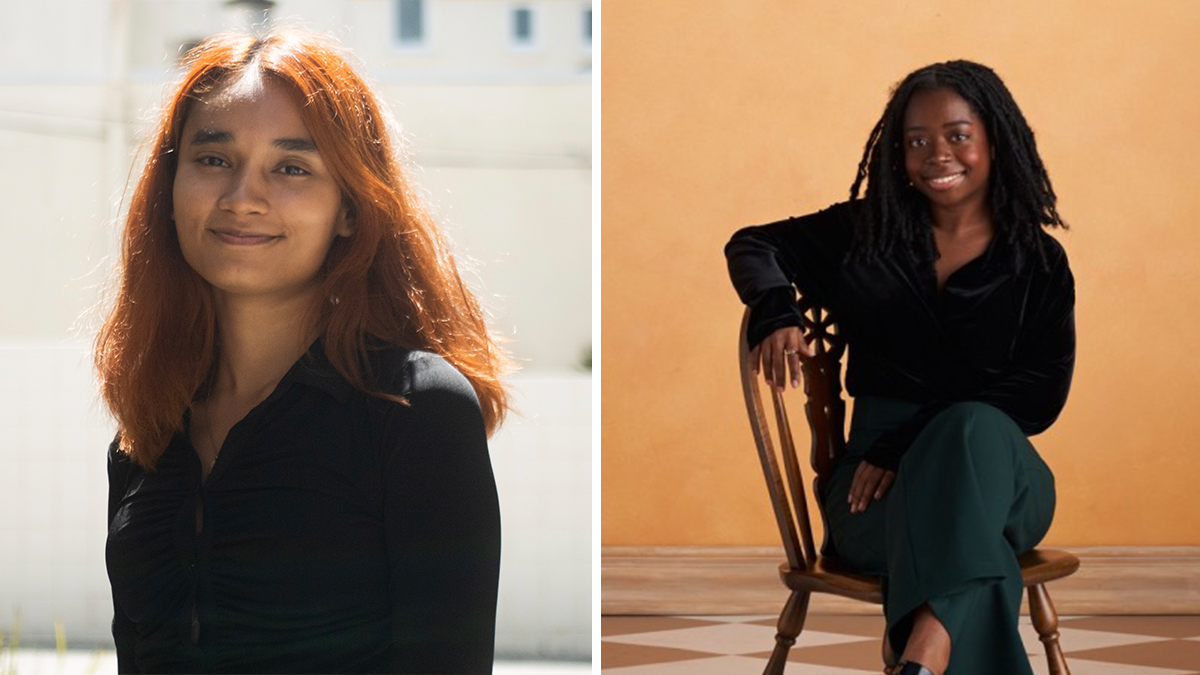
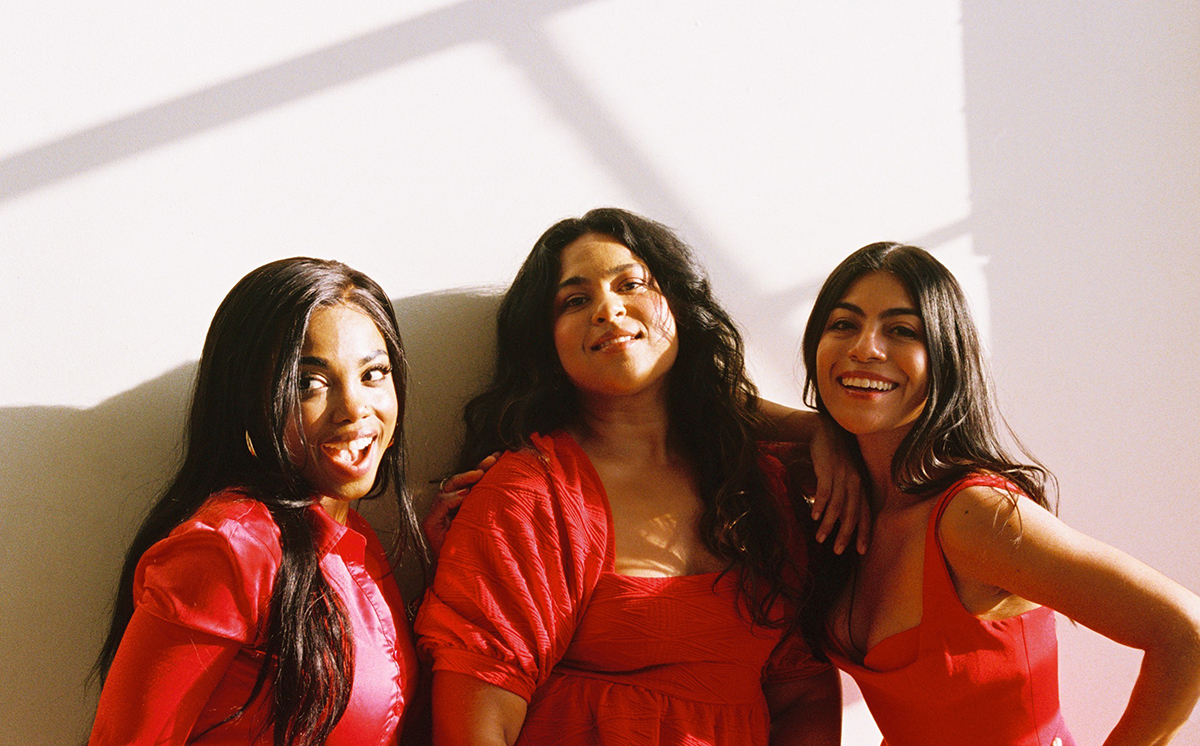
Indie filmmakers Anika Hussen and Nia Raasikh bring with them an extensive collected experience in marketing and working on social media campaigns for several award-winning cinematic works such as “Oppenheimer,” “Barbie,” more recently “Sinners.” Now the ambitious filmmakersâknown for their self-admitted mutual passion of character-driven storiesâhave begun work on “Girl Dinner,” a female centric horror comedy crowdfunded via Seed&Spark . It is the duoâs second collaboration after the short film, “Phone A Friend.”
In this interview, Hussen and Raasikh share their commitment to bringing about change through authentic on-screen BIPOC representation in this film. They also discuss the creative or artistic overlap, differences, and liberties when working with both big budgets and on shoestring productions.
Vidal D’Costa for The Movie Buff: What drew you both to filmmaking? Any filmmakers/artistes you look up to or who influence your own work?
Nia Raasikh: I love telling stories. When I was a kid, I used to write mini short screenplays on my family computer about random characters I came up with. Iâm inspired by a lotâtelevision, film, music. When I think about filmmakers whoâve inspired me, Akira Kurosawa, Greta Gerwig, Issa Rae, and Jordan Peele come to mind. Iâm always drawn towards people who really carve out their own paths. They definitely influence me to go against the grain and believe in the stories I want to create.
Anika Hussen: Iâve always been the girl who watched everything. Whether it was spending hours memorizing Bollywood films with my cousins, diving into Reddit theory threads the day after a TV episode dropped at the cafeteria with my best friends, or just being in awe of the way certain shots and stories lingered like background music. Film has always been in my blood. That love eventually led me to NYU, where I discovered a whole world of filmmakers who think and feel the same way.
I love telling stories. When I was a kid, I used to write mini short screenplays on my family computer about random characters I came up with.“
Nia Raasikh
As for influences, Spike Lee showed me the power of dynamic, lived-in depictions of my home, NYC; Karan Johar gave me a love for the colorful romance of Bollywood; Christopher Nolan taught me that itâs okay to tell complicated stories that need decoding; and Ava DuVernay reminded me that storytelling can and should stand for something.
VD: Previously, you both held roles at big names such as Marvel studios, Warner Bros, and Amazon. What are some lessons you’ve learnt you hope to incorporate in your journey as filmmakers?
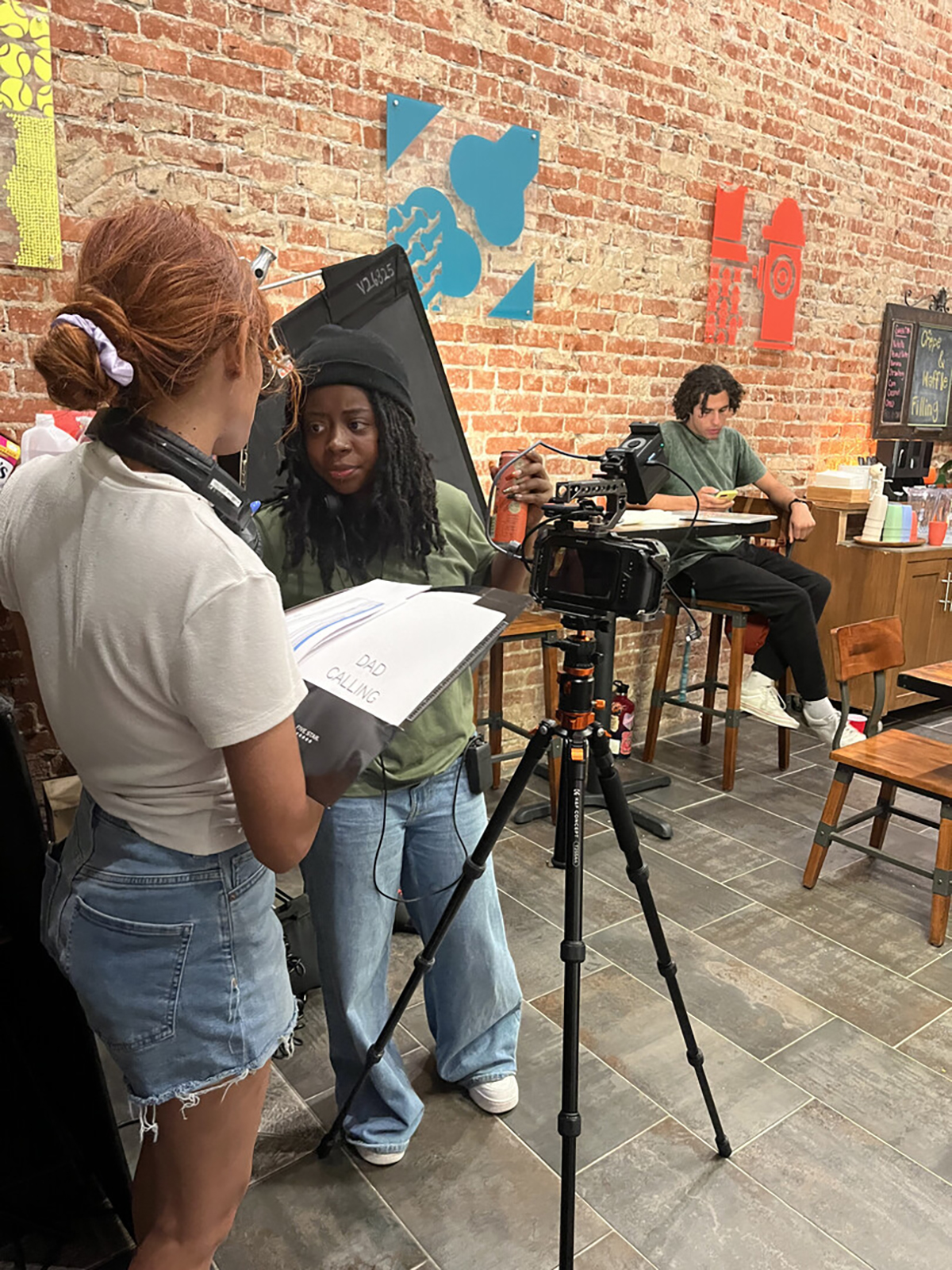
NR: Prepare and be flexible. The more prepared you are, the less you have to worry when youâre executing. And the more flexible you are, the more youâre able to pivot seamlessly. Iâve worked on a lot of different film/TV marketing campaigns for different studios, but that element has always been consistent across the board. In a way, itâs a more producer way of thinking, but itâs something that Iâve adopted into my filmmaking. Before shooting, I am meticulously planning so that when I get on set, I am prepared and ready for unexpected changes. This process really lets me connect with the art Iâm building in real time.
AH: Ironically, audiences love out-of-the-box stories, even though the industry often feels formulaic, which just proves thereâs truly an audience for every story. Times I felt like Marvel went against the grain were with the Black Panther movies, where Ryan Coogler created villains who you root for and also brought long overdue representation to the franchise.
On the flip side, working within a large studio system showed me how structure, division of work, and collaboration all function at scaleâ¦creatively, operationally, and technically. Even on smaller productions, those same dynamics are present: trusting that youâve got the best people in their field and letting everyoneâs expertise come together to make something great.
VD: What is your upcoming short “Girl Dinner” about and where did the idea for it stem from? Also, how was it working with co-writer Javier Padilla on the script?
NR: Anika and I were almost done shooting our first short, “Phone A Friend,” and we were already eager to direct our next project, specifically around friendships and relationships. Around that time, we met Javier, who wanted to write and work with directors. Anika and I had the north star, but it was really through our long chats for hours with Javier about various characters and scenes that we were able to collectively build something together. We hadnât worked with another writer before, but I loved the collaborative process. And before we knew it, we had “Girl Dinner.“
AH: The core of “Girl Dinner” is all about the depths of female friendships and THAT has always been entrenched in Niaâs and my life. I think I wouldâve ended up creating something centered around that theme, but working with Nia on our first scrappy short, “Phone A Friend,” really amplified that desire. We met Javier at a small screening event. He was looking for a new writing project, and we were already bubbling with ideas. After long conversations around cafe tables, Jo, Karla, and Rani were born. Each of them pulling from bits and pieces of who we are. From there, we spent hours writing and revising side by side. Being together in real time was important in fleshing out this trio.
Nia and I always knew we wanted to center our story around women of color because that mirrors our own circle of friends.“
Anika Hussen
VD: âGirl Dinnerâ includes a diverse line-up of characters with an emphasis on BiPOC representation. What are your thoughts on representation and inclusivity/authenticity in the industry? Any minor or major changes you wish to see or bring about yourselves?
NR: Early on, Anika and I decided that we wanted to center this story around women of color. I grew up having diverse friend groups, and itâs often that intersection of gender and race that isnât always shown on-screen. So not only did I want to create something my girls could see themselves in, I wanted something that all women could relate to. Elements of the film are rooted in real, lived-in experience. When I think about the industry as a whole, it makes me excited because I feel like thereâs so much uncharted territory and so many stories that I can craft. And thereâs always room in the industry for telling authentic and inclusive films.
AH: Nia and I always knew we wanted to center our story around women of color because that mirrors our own circle of friends. The black and brown girls who surrounded young Anika were all from different backgrounds, yet bound by love, understanding, and loyalty, formed who I am to this day. South Asian inclusivity in film is still limited, and it was even more so when I first fell in love with filmmaking. Oftentimes, it seems that there were only certain boxes you would see characters like me in. I want to see South Asian/Desi people across every genre and archetype, not just one narrow lane.
VD: Besides âGirl Dinner,’ any other upcoming works which our readers can look forward to? What are some genres you wish to explore in the near future?
NR: “Girl Dinner” is my main priority at the moment, but heist movies are in my future. Some real “Oceans 11”-type shit.
AH: Right now, I am focusing on “Girl Dinner” with Nia, but Iâm definitely cooking up ideas that blend my heritage with a fantasy lens (think Dev Patelâs “Monkey Man” meets Ryan Cooglerâs “Sinners”). Plus, some stories that are just unapologetically, disgustingly NYC.
VD: Lastly, any words of wisdom for aspiring filmmakers/creatives who are just starting out?
NR: Output. Output. Output. For so many years, I thought that I should only create something once I deemed it âperfectâ enough. When you start out, thereâs often a gap between the work you envision and what you output. That comes with a lot of frustration, and if you canât push through that discomfort, it will only lead to delay and procrastination. I think about my early 20s and wish that I had pushed through that feeling, because at the end of the day, the only thing worse than people seeing you âtryâ is not trying at all. So, write the bad jokes and tell the underdeveloped stories, so that when your skill, talent, and luck all align, youâll be ready.
AH: Even if you donât see it, make it anyway. Waiting for something to exist or following whatâs already out there⦠honestly held me back for a time, but it shouldn’t have. If youâre craving a certain kind of story or representation, trust that thereâs an audience craving it too. Itâs scary to create without precedent, but what if you are the voice someoneâs been waiting for? Persist and trust.
The Movie Buff wishes Nia and Anika much success on their upcoming short. Follow @girldinner.short for more information on the film as it nears release.