Horror is not usually Arnold Schwarzeneggerâs MO, but âEnd of Daysâ holds up as good as any. The film originally hit theaters in 1999. It came out three years after Arnold’s excellent âEraserâ and carries with it all the hysteria and superstition that accompanied the worldâs entry into the year 2000. And to top it all off, amidst the filmâs NYC backdrop and itâs end of the world paranoia, in comes Satan (Gabriel Byrne) looking to usher in the actual end times by impregnating a bride (Robin Tunney) and releasing Hell on Earth. The filmâs winning argument is that its religion is not overbearing or heavy-handed, and Arnold doesnât save the day with a machine gun (although he really does try).
But yet what also works about âEnd of Daysâ is its bleakness and its exclusion of the usual Schwarzenegger camp. At the filmâs beginning we see its protagonist, Jericho (Schwarzenegger) living a despairing existence. He runs a security company and relies on a friend an ex-cop, Chicago (Kevin Pollak), yet has a depressing life. He sleeps late behind closed blinds, hungover, eating leftovers he blends together with Pepto Bismol to erase the nightâs aftertaste. However, the debauchery isnât for comedic effect. Jericho, once a cop, lost his wife and daughter to tragedy and he’s never moved on. To say Jericho has lost his faith in God is an understatement. Heâs lost his faith in humanity altogether.Â
The Devil and Y2K Hysteria
The filmâs imperative starts when Jericho’s called to protect an investment banker (Byrne), who we already see has had his body taken over by the Devil. The scene in which he does so is particularly dark. He stalks the man in the rest room before taking him over, fondling the wife of a business associate in open view before exiting the restaurant and blowing it to pieces. We learn that Byrneâs characterâtitled âthe manââwas selected to host him decades ago, as was Christine York (Tunney) selected to sire his child. A seemingly-crazed man named Thomas Aquinas (Derrick OâConnor) tries to assassinate âthe manâ, and rightly so. But in doing so Jericho saves the day, embroiling himself in something far bigger than he could have imagined.Â
With its dated â90s cinematography and a bleak color palette, âEnd of Daysâ feels distorted and morose. It’s not your usual New York City action film. The film’s cinematographer (and director) Peter Hyams makes the proceedings feel like weâre seeing the city through the Devilâs warped and uninterested view. Itâs grimy; not as grimy as âSe7ev,â for instance, but still works to tell its story. The feel and aura of the film speak to its tonal depression. âEnd of Days,â although it includes its share of gunfire and explosions, feels more psychological horror film than actioner. And, under it all, it tasks Arnold with more emoting than usual. His face tells a lot of stories here.Â
Religious Tones Blend with Horror Elements
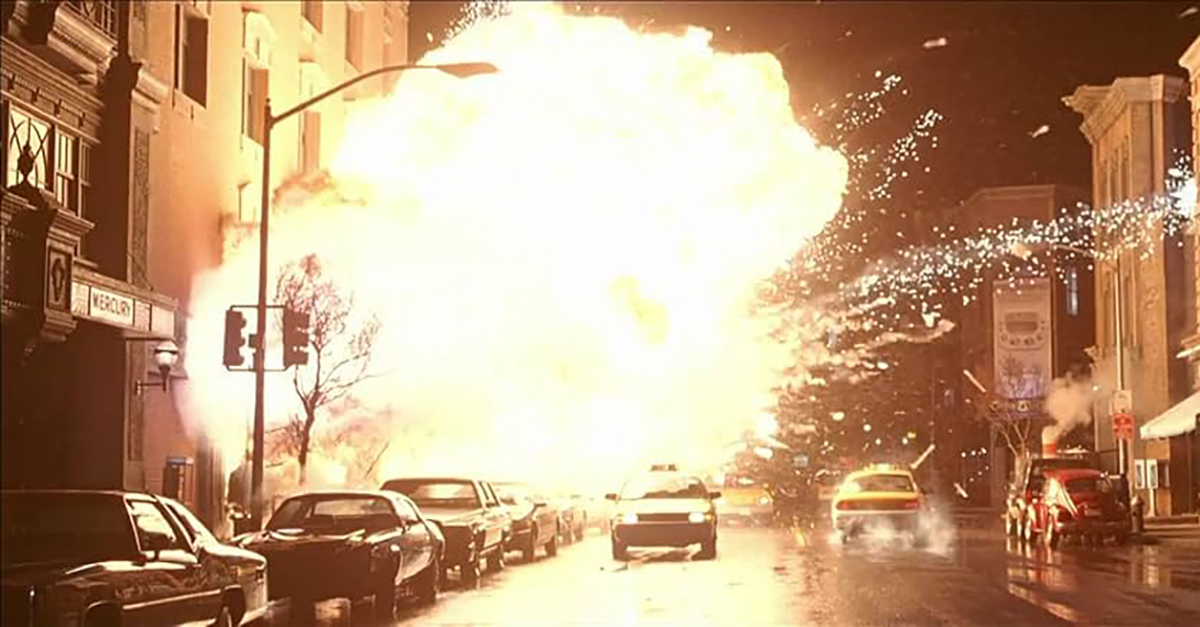
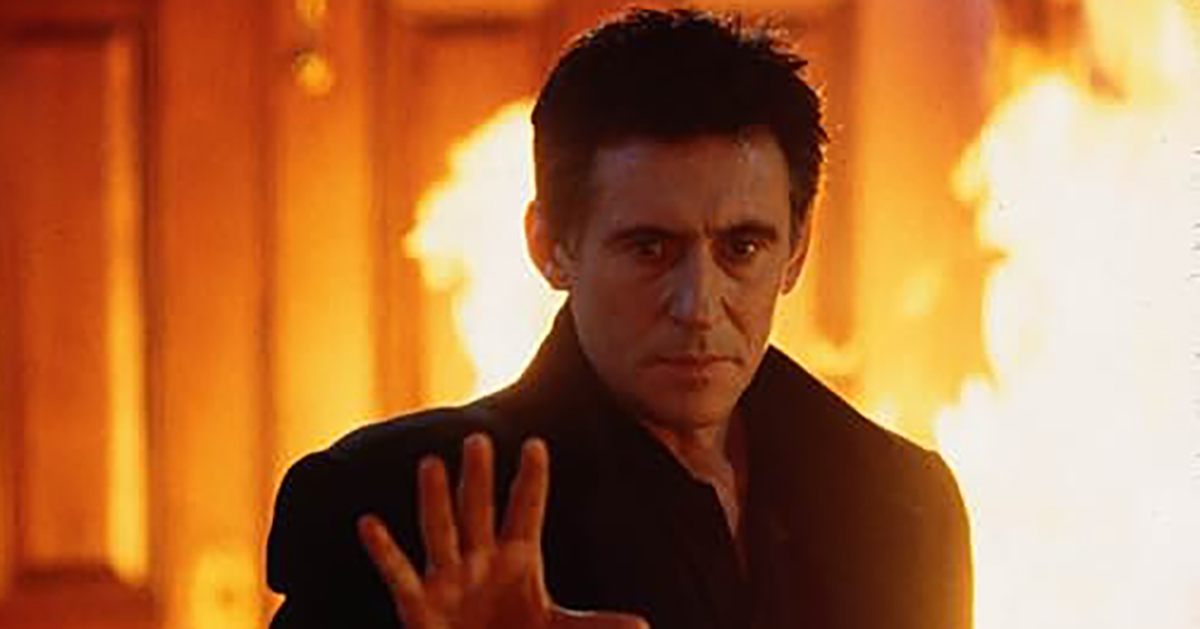
What also works about âEnd of Daysâ is both that Christine Yorkâthrough Tunneyâis a sympathetic character we want to see protected and Jericho is a man we want to see save himself. I said the filmâs religion was not heavy-handed, but it does feature its share of serious religious lore. Early on Jericho meets a priest, Father Kovak (a great Rod Steiger) who tries to shoo him away from things he doesnât understand. This is after weâve met the filmâs integral pope (âScarfaceâsâ Mark Margolis) who solemnly entreats his advisors to have faith. And amidst this, Gabriel Byrne is putting in a creepy performance as the Dark One. His more bombastically-violent acts (blowing up things, setting up people to be killed) can sometimes come off as comical. Yet a heart-to-heart he has with Jericho in his apartmentâas he teases him with how easily he could bring back his family if only he were to join himâ hit harder. The way Byrne positions himself as the good guy (âIâm not into shame, thatâs Himâ) and tries to gaslight Jericho into believing his lies are very Biblical in nature. In fact, these scenes are the filmâs finest moments. The gunfire is amusingâwhen it happens. However, Satan’s temptation of Jericho and the latterâs ultimate spiritual awakening are what make âEnd of Daysâ more serious than it ought to be.Â
The ancillary players in the film are good. They mostly include of the aforementioned Kevin Pollak and CCH Pounder, the latter who plays a duplicitous police detective. However, what âEnd of Daysâ does well is twist situations and motivations so you often donât know what to expect. By the filmâs end, droves of âbelieversâ will be running around New York, trying to stop Arnold at Satanâs request, yet itâs more or less implied he possessed them to do so. Pollak and Pounder play allies then villains, and sometimes youâre not sure what to expect. And against this, whatâs rare for an Arnold filmâand yet what worksâis heâs less one-man-army and more man. He get beat up and pummeled throughout, making him more believable in the process.Â
Still, Arnold Brings the Goods
But under it all, “End of Days” won’t disappoint Arnold fans. The film uses its $100M budget well. A shootout in a subway tunnel is high-octane, and the filmâs special effects in its eerie finale in a NYC church are some of the best SFX Iâve seen from the time period, barring âThe Matrix,â of course. And through it all, Arnold delivers this just-wonât-stop forward slogging that defies the shape heâs in by the end. I think only Arnold could take up arms against the Devil himself and weâd believe he could stop him. Yet the movie never feels campy or cringey. Its ending is as plausible as the material allows and hits with a decent amount of emotion for an action film. Despite its action thematics, âEnd of Daysâ is both a capable horror film and a fine redemption arc. Weâre happy for Jericho by the end. And the desperate way he gets thereâand truly evil way Hyams and writer Andrew W. Marlowe paint its antagonistâmake it a good pick for cold October nights.Â