





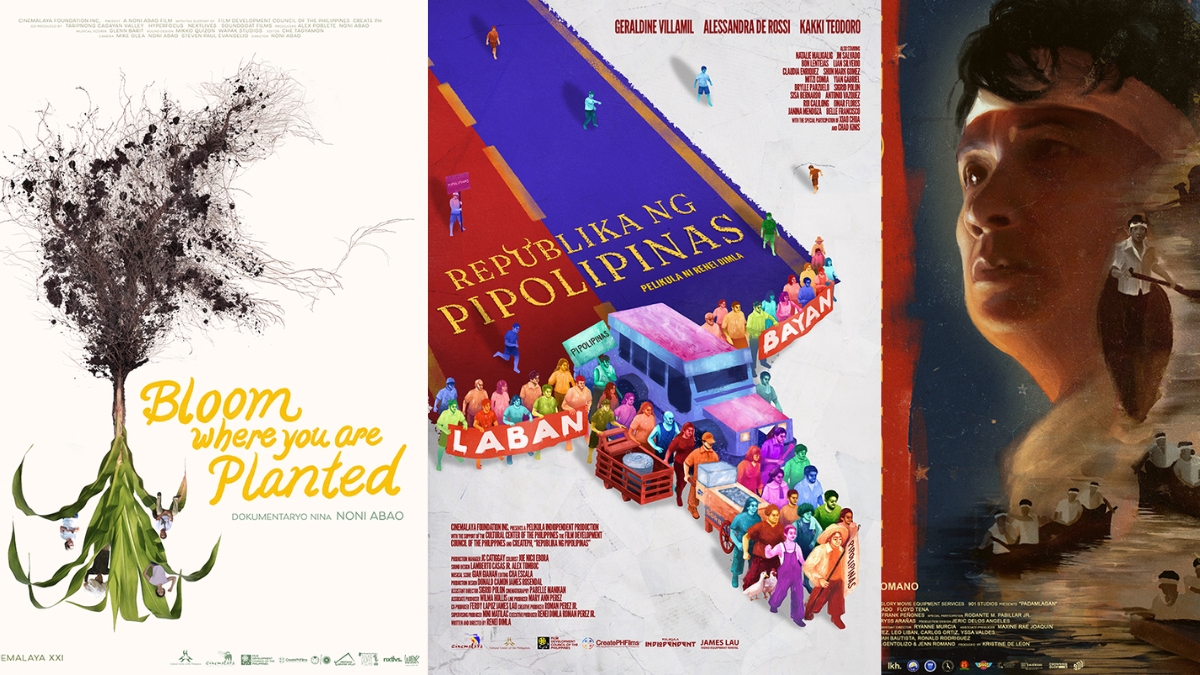
(This is the final installment of our four-part series on this yearâs Cinemalaya full-length finalists. For the previous coverage, check out Part 1, Part 2, and Part 3.)
Across âPadamlágan,â âRepublika ng Pipolipinas,â and âBloom Where You Are Planted,â a throughline emerges: one that captures how Filipinos live in the aftermath of collapse. Bridges give way, systems rot, and illusions of nationhood fracture under their own weight. Yet amid that wreckage, people keep rebuilding, sometimes out of duty, sometimes out of sheer defiance. These films differ wildly in tone and texture, but they share a conviction that memory is not just about looking back; itâs about learning how to endure.
In tracing these stories, we also trace the range of contemporary Filipino filmmaking itself; from âPadamláganâsâ hybrid reconstruction of tragedy, to âRepublika ng Pipolipinasâsâ biting mockumentary of corruption, to âBloomâsâ documentary elegy for the persecuted. Each work uses its form as resistance, transforming grief, laughter, and testimony into acts of remembrance. Together, they ask: what keeps us rooted when the ground itself no longer holds?
And maybe thatâs what this final chapter of Cinemalaya 2025 leaves us withâa quiet insistence on survival. A reminder that even when institutions crumble and histories are rewritten, the smallest gestures of truth-telling can still hold a nation together.
âPadamláganâ: The Weight of Memory, and the Silence of Loss
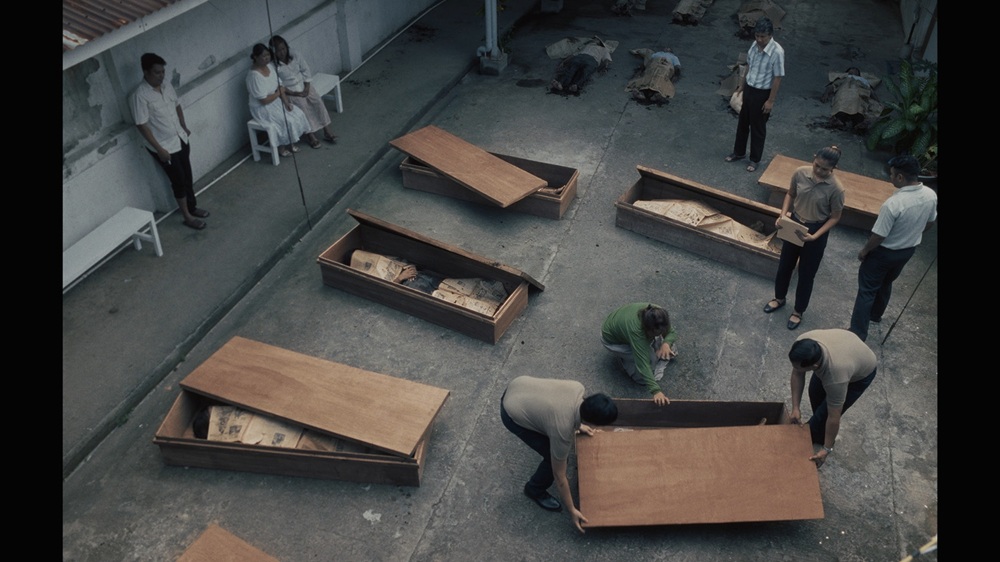
At its core, âPadamláganâ (lit. âNight Lightâ) is about a father searching for his missing son days before Martial Law is declaredâa premise that carries the weight of both personal and national grief. Set against the 1972 Colgante Bridge collapse in Naga City, itâs a story about faith shaken and remembrance tested, about how devotion can crumble under the same strain that collapses bridges and institutions alike. Jenn Romano renders the tragedy with quiet sincerity, but the film often struggles to find emotional footing beneath its ambition.
The bridgeâs collapse becomes more than backdropâitâs metaphor and mirror, a stand-in for a nation about to buckle under its own neglect. âPadamláganâ wants to be both personal elegy and historical reckoning, but its structure keeps getting in its own way. The intercutting of dramatized scenes with archival material, while intellectually sound, rarely lands with the intended emotional weight. Instead of deepening the mood, it fragments it. Just as a moment begins to ache, itâs interrupted by documentary inserts or voiceovers that feel detached from the emotional throughline.
Part of that stems from what the film simply couldnât show. Itâs evident that the production worked within tight meansâleaning heavily on old photographs and oral testimony rather than fully realized reenactments. The result is a narrative that gestures at devastation without quite letting us feel it. So, inasmuch as one wants to be moved, the gaps in visualization keep the grief at armâs length. Ely Buendia gives what he can, grounding Doring in quiet resignation rather than rage, but his performance alone canât carry the filmâs heavy architecture. Thereâs poignancy in his stillness, but too often the silence reads as void rather than restraint.
A Mixed-Bag of Technical Merits and Lack of Urgency
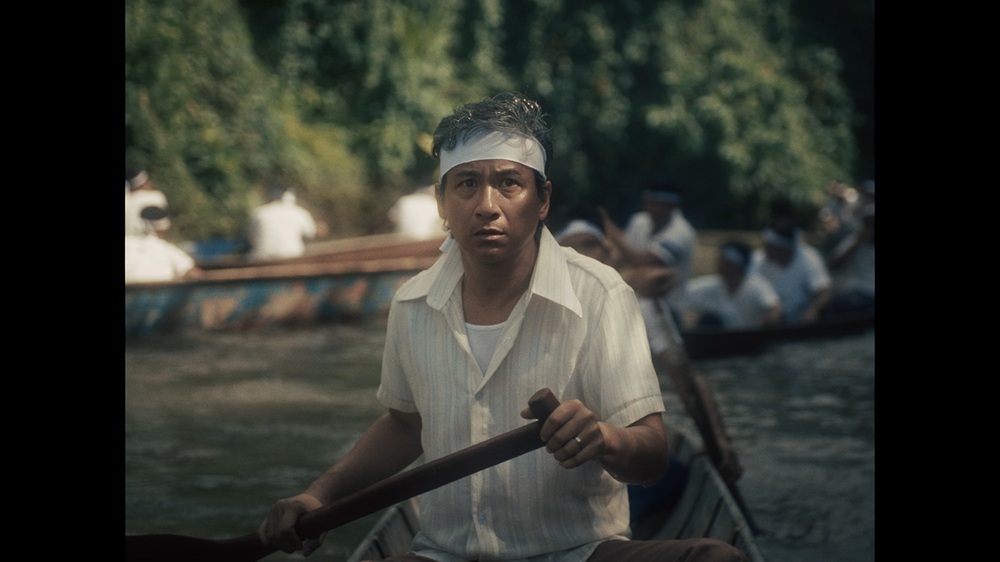
Technically, for the most part, the film is assured. Steven Evangelioâs cinematography captures a Naga suspended between the sacred and the decayingâthe flicker of candlelight against the indifference of bureaucracy. Yet even this visual grace canât disguise the filmâs uneven emotional pulse. The collapse, both literal and figurative, becomes the storyâs most haunting image: a structure that canât bear the weight it was meant to hold.
I guess whatâs missing most is urgency. Beneath its elegiac tone tells a story with clear relevance to the presentâone about corruption, neglect, and the cyclical failures of governance. âPadamláganâ brushes against these ideas but never digs in. Itâs a missed opportunity, especially in a moment when infrastructure scandals and public tragedies continue to mirror the same moral decay in our time. The filmâs reverence for history, though admirable, ends up softening the very anger that history demands.
Still, âPadamláganâ means well, and at times it comes close to something profound. When Doring wades into the river, searching not just for his son but for meaning, the film finds a fragile, fleeting clarity. The bridge may have fallen half a century ago, but its ruinsâlike the memory of those left behindârefuse to sink.
Grade: C+
âRepublika ng Pipolipinasâ: When the Smallest Country Conveys the Biggest Truths
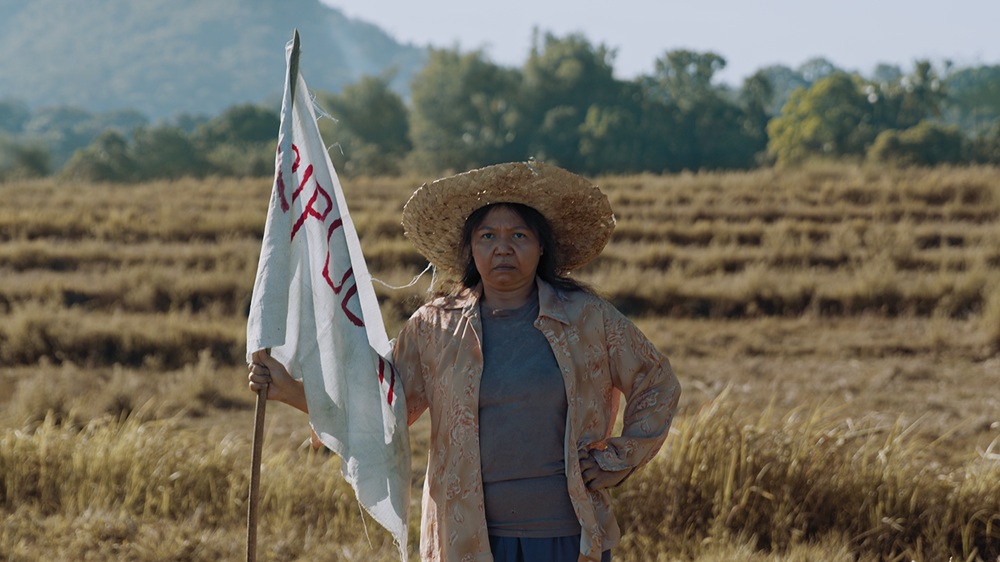
Corazon Vitug just wants whatâs hers. When the land her family has tilled for decades is seized by the local government and converted into a dumpsite, the 50-year-old widow decides sheâs had enough. If the state wonât protect her, sheâll build her own. Thus begins the Republic of Pipolipinasâa micronation of one, ruled by Cora herself. What starts as a quiet act of defiance becomes a full-blown political satire, a mirror held up to a nation so broken that delusion almost feels like the only logical response.
Framed as a mockumentary, âRepublika ng Pipolipinasâ mines comedy from despair without ever mocking the people it represents. Renei Dimlaâs camera follows Cora (Geraldine Villamil, in a performance thatâs both riotously funny and deeply moving) as she explains, with deadpan sincerity, the philosophy behind her new nation. âPipolipinasâ, she admits, comes from not knowing how to spell âpeople.â Itâs the kind of throwaway gag that wouldâve been a punchline elsewhere. But here, it lands like a wound. Coraâs malapropisms arenât stupidity; theyâre survival, the language of someone whoâs been left out of every national conversation yet insists on speaking anyway.
Striking the Balance Between Absurdity and Reasonable Rage
Villamilâs turn is the kind that festivals exist to discover: raw, unvarnished, and utterly lived-in. She moves through Coraâs absurd republic with a quiet dignity, oscillating between stubborn pride and weary resignation. Her moments of humor carry ache beneath them; and her silences, accusations. Around her swirls a parade of townsfolkâsome supportive, others dismissive, a few outright cruel. In one standout sequence, she becomes a minor media sensation after stopping a dump truck bound for her land. Suddenly, her micronation attracts unlikely followers, including a hilariously self-aware supporting role from Alessandra de Rossi playing, well, Alessandra de Rossi: a celebrity opportunist who turns Coraâs defiance into performance art.
The filmâs genius lies in its balance. Dimla knows when to lean into the absurdâmock interviews, handheld chaos, the bureaucratic nonsense of a country where even protest feels like parodyâand when to pull back. The laughs catch in your throat because the satire cuts close to the bone. Underneath the humor runs a deep current of rage, one that builds until you realize the joke has always been on us: a people so accustomed to systemic failure that resistance itself starts to look unhinged.
Pabelle Manikanâs cinematography gives the mockumentary its pulseâorganic, lingering, unsteady, and alive with motion. Thereâs a kind of vérité charm to the way the film embraces its rough edges, mirroring the texture of everyday struggle. Dimla uses the aesthetic of low-budget documentary not as constraint but as language, an extension of Coraâs world where every gesture feels improvised, every truth found in the mess. Itâs what separates âPipolipinasâ from the more self-serious political dramas in the lineup (âHydraâ, for instance): this one breathes, jokes, and bleeds.
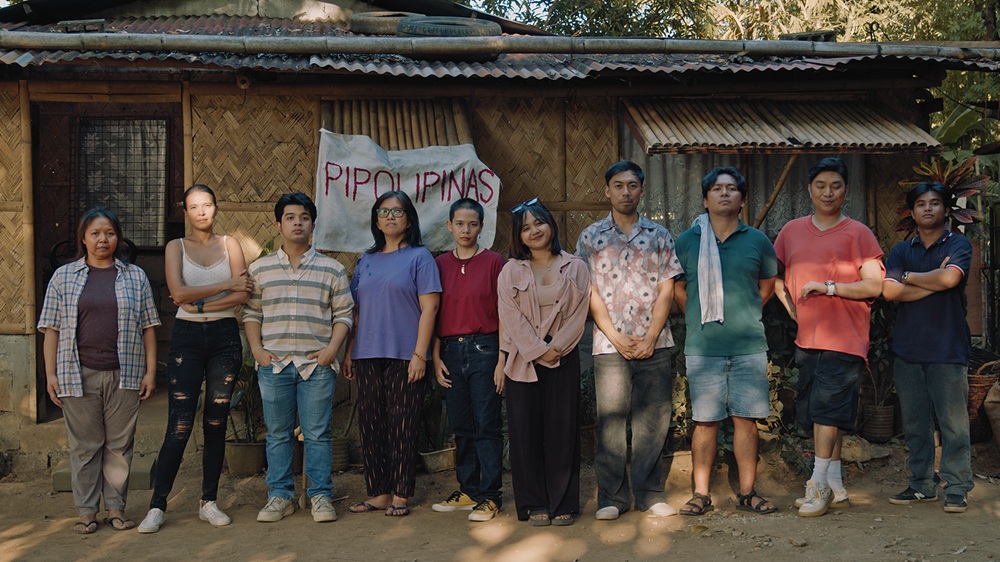
A Biting Satire with Soul
And yet, what keeps it from tipping into farce is the way it refuses to let Cora become a caricature. When she muses on the national anthemâs final lineââang mamatay nang dahil saâyoââand asks, âBakit laging tayo ang namamatay? Kailan kaya mamamatay ang bayan para sa atin?â (âWhy is it always us who die? When will the country die for us?â) the film reaches something close to transcendence. The absurd gives way to clarity. In that line alone, âPipolipinasâ says what entire manifestos fail to: that patriotism in this country is too often martyrdom, that ordinary people are always the ones asked to die for a nation that rarely returns the favor.
If thereâs a quibble, itâs that the pacing slackens toward the middle act. A few jokes overstay their welcome, and the mockumentary format occasionally feels stretched too thin. But these are small flaws in an otherwise sharp and heartfelt filmâone that doesnât lecture or pity, but laughs in the face of rot. Because, and I hate saying this, sometimes laughter is all we have left.
What Dimla accomplishes here is quietly radical. âRepublika ng Pipolipinasâ honors the Filipino not as hero or victim but as survivor, flawed and funny and effing fed up. Itâs satire with soul, a rare combination that reminds us why mockery can be moralâwhy defiance, even when ridiculous, is still resistance. By the time Cora declares her independence, you almost want to salute.
Grade: B+
âBloom Where You Are Plantedâ: Bearing Witness, Rooted in Defiance
Midway through âBloom Where You Are Planted,â we hear a poemâsoftly read, painfully remembered. A daughter recites in her motherâs voice as a montage of family photos flickers by: fragments of a life interrupted, a happy home forever destroyed, love turned into evidence. Itâs a moment so unassuming, so tender, that it catches you off guard. And then it breaks you, and then you tear up.
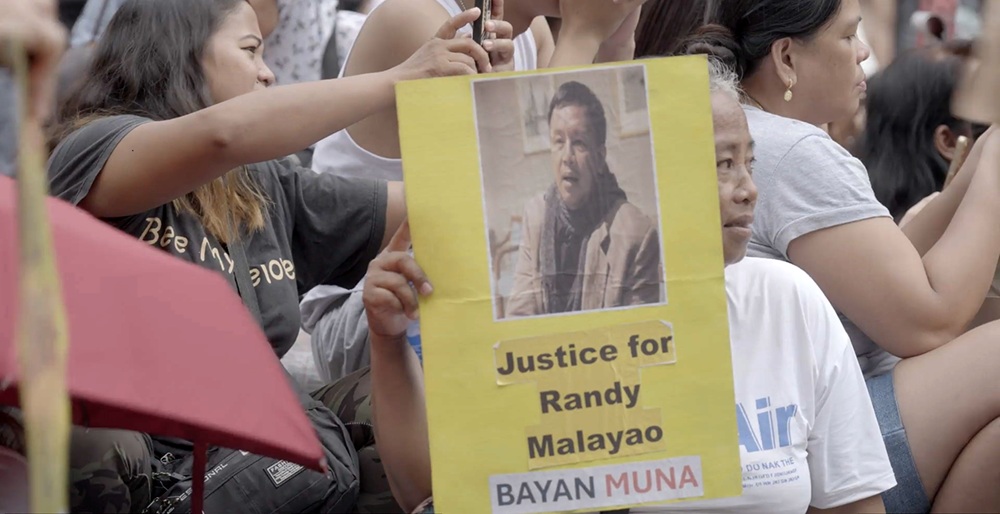
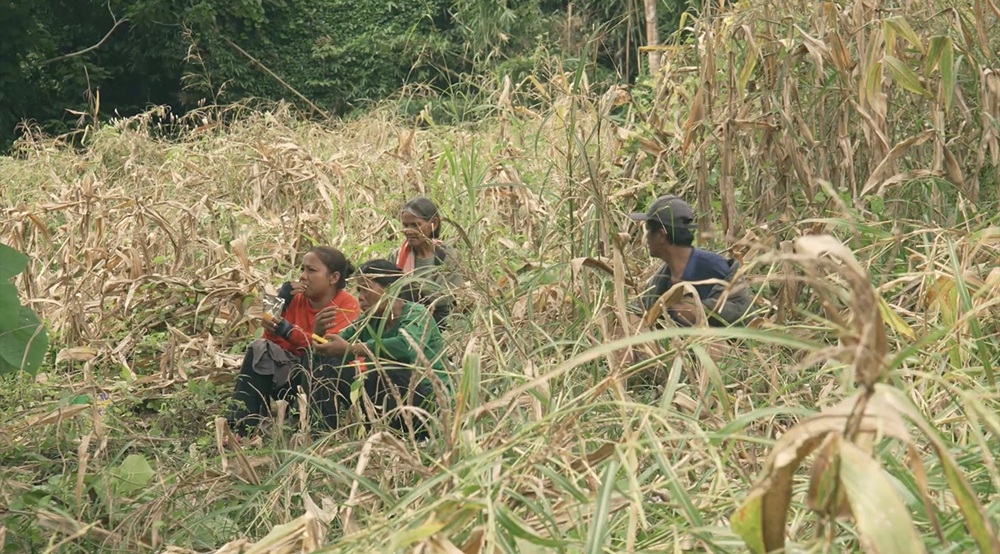
Few entries at this yearâs Cinemalaya hit me as deeply as Noni Abaoâs documentary, a film that understands activism not as an abstract ideal but as a lived, bruised, and daily act of love. âBloom Where You Are Plantedâ threads together three lives: Agnes Mesina, a development worker forced into exile by relentless red-tagging; Amanda Echanis, an artist and mother raising her child behind bars; and the late Randy Malayao, a peace consultant assassinated on his way home. Each story unfolds in the Cagayan Valley, a region both fertile and fraught, lush with rice and corn yet scarred by state neglect and militarization.
What unites these figures isnât just ideology but a shared sense of rootedness. They each long to return home, but âhomeâ itself has been weaponized against them. Consequently, they had to âbloomâ in places they found themselves inâanywhere but home.
A Quiet Indictment of Rewarding Compassion with Red-Tagging
Thereâs a quiet precision to Abaoâs filmmaking. The documentary doesnât sensationalize its subjectsâ struggles or wallow in misery. Instead, it zeroes in on gesturesâthe crackle of a phone call from prison, the simple act of eating chicharon after being labeled a terrorist. These small, human details cut deeper than any rhetoric. When Agnes takes that bite on camera, the film exposes the absurdity of state paranoia more effectively than a hundred talking heads ever could. How can someone who devotes her life to helping others be deemed an enemy of the people?
Cinematographers Steven Evangelio and Mike Olea render the Cagayan Valley with reverence, their frames alternating between pastoral calm and political tension. Glenn Baritâs score leans a little heavy at times, but its melodic undertow underscores the grief that hums beneath every testimony. Abao, himself a former human rights worker in the region, refuses to distance himself from the story. His gaze is one of solidarity, not observation. What he builds is less a documentary than a collective act of remembranceâan archive of lives too easily erased.
The film is at its strongest when it sticks to simplicity. It doesnât preach; instead letting the contradictions of its subjects speak for themselves. Agnes cannot return home without risking arrest. Amanda, busy learning in her cell, clings to motherhood through video calls. Randy, long gone, lives on through grainy clips of him, smiling like a man who still believed in peace. Their lives, in Abaoâs framing, become metaphors for a nation that criminalizes compassion and red-tags truth-tellers insurgents.
An Urgent Documentary for Our Timesâand an Exercise on Remembering Our History
If thereâs a small flaw, itâs the documentaryâs occasional slip into the televisualâthe kind of editing rhythm that recalls late-night investigative specials. But even that canât blunt its urgency. âBloom Where You Are Plantedâ demands to be seen, not as a cautionary tale but as a call to conscience. Itâs about the human cost of activism in a country that equates dissent with treason. More crucially, itâs about finding ways to live, to persist, and to bloomâeven when the soil itself seems poisoned.
Agnes, Amanda, Randy. These are names that might never headline textbooks or monuments, but their defiance germinates in everyone willing to care. Abaoâs film, in honoring them, honors the act of staying rooted: in truth, in love, in the refusal to vanish.
And fittingly, as the final film that I watched, âBloom Where You Are Plantedâ closes my Cinemalaya coverage with an image thatâs as devastating as it is hopefulâa reminder that some flowers grow best in the cracks.
Grade: Aâ
âPadamláganâ, âRepublika ng Pipolipinasâ, and âBloom Where You Are Plantedâ will screen and compete at this year’s Cinemalaya Philippine Independent Film Festival, which runs from October 3 to 12, 2025. Follow us for continuing dispatches, reviews, capsules, and wrap-ups.




