



Creator Ryan Murphy released his second âMonsterâ segment in 2024 with the story of brothers Lyle and Erik Menendez, who brutally killed their parents in 1989. Murphy released his first âMonsterâ series in 2022. That entry delved into serial killer Jeffery Dahmer, renowned for drugging homosexual men andâultimatelyâeating his victims. There was hardly any debate (despite inaccuracies) that Dahmer was a monster.Â
That series was about the how and why. âThe Lyle and Erik Menendez Story,â by contrast, is about the what. And itâs messy. “Monsters” saves the brothers’ sensational trials for the last two episodes. And most of the series recants events from so many points of view it becomes hard to follow. Just when you think you have it figured out it shifts gears. One minute you think Lyle and Erik are profound victims of abuse, the next that theyâre sociopaths and their parents were saints. I think thatâs the point of Murphyâs series: the only ones that know the true story are serving life sentences. Weâll likely never know the actual truth, save an honest confession from the brothers, which isnât likely to come given their now chances at parole and lack of imperative. But âMonsters,â this time around, makes us question that word. Are Lyle and Erik the monsters? Were their parents? Or is the reality somewhere in the middle, known only to four people, two of who are now dead?Â
What is Truth?
In this way, the series shifts gears tonally from the first âMonster.â It opensâand closesâto â90s artists Milli Vanilli, and the irony of two fakers is not lost on the audience. Erik (Cooper Koch) and Lyle (Nicholas Alexander Chavez) are in the backseat of a limo, escorted to a work event after their parents’ death. Erik looks lost, defeated, while Lyle looks animated, power-hungry, and angry. Lyle is the epitome of an entitled youth. He doesnât mourn his parents, but thinks about the family name now that they are in charge. We donât know what to make of Erikâs defeatist attitude. Lyle tells him not to âbe a pussyâ and promises a good life âonce they have gotten away with it.â Yet âMonstersâ is not definitive in the timelines. In actuality it would take six monthsâand a confession to his therapist (Dallas Roberts) by Erik Menendezâto eventually land the boys under arrest.Â
âThe Lyle and Erik Menendez Storyâ is intoxicating for its first 2/3rds, a credit to its directing and style. It follows the thematic and musical elements of âThe Jeffery Dahmer Story,â adding eeriness. However, it avoids the deep, trance-like synthesizers of that series and makes it feel wholly â90s. The aforementioned Milli Vanilli, Crowded House, and others add an impersonal vibe to the series (at nine episodes) which makes you feel like you donât know what to expect. This is furthered by what we do see, from different points of view. In our opening vision, Lyle and Erik seem like casual sociopaths who care only about themselves and money. In the second point of view, we witness severe physical, emotional, and sexual abuse towards the brothers by their father (an expert Javier Bardem) and their mother (a compelling Chloë Sevigny). And in the third act, “Monsters” throws in so many lies and misdirections we donât know whatâs fact or fiction. Its closing sequence does nothing to vindicate this.Â
Amazing Performances Obfuscate Reality
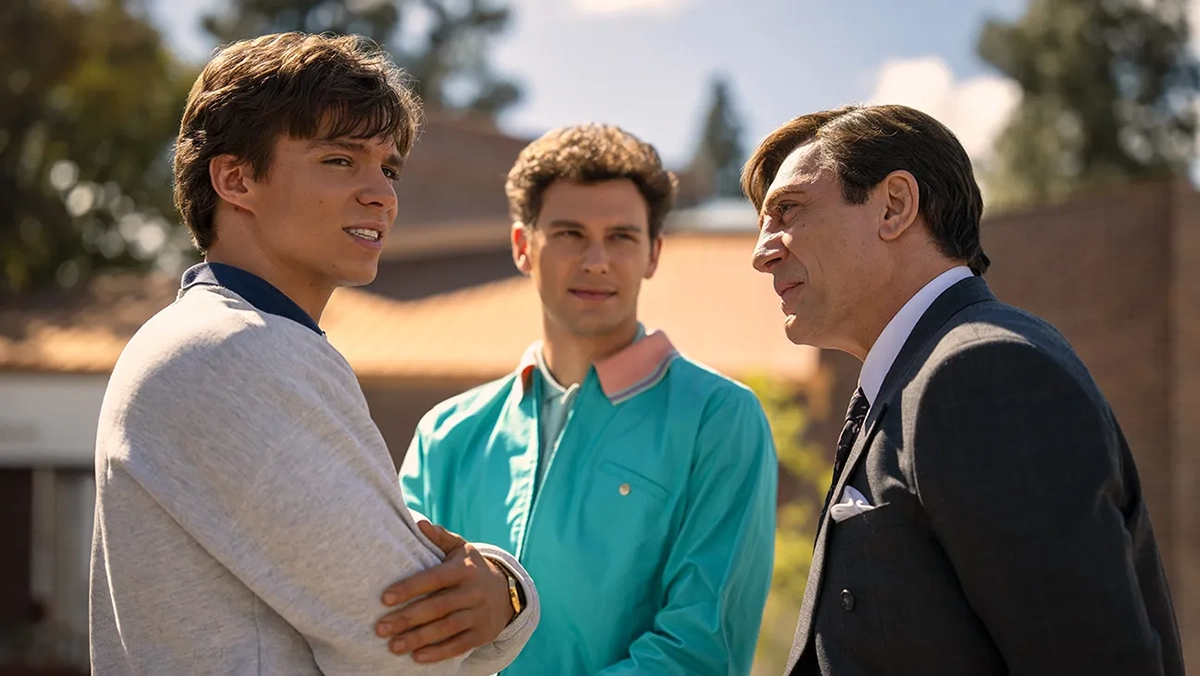
And I think thatâs the general thesis of âMonsterâ this time around: who is/are the monsters and what is truth? Add to this is a pretentious journalist who has major bias against the system after his daughter was murdered (Nathan Lane) and a high-profile defense attorney (Ari Graynor) who has a penchant for getting guilty clients off, and the lines become further blurred. As Lane’s Dominick Dunne pontificates in one scene, âeither those boys experienced abuse no one on this earth should suffer, or you coached that boy to a perfect performance. I donât know which is more terrifying.âÂ
For its part, the first half of âMonsterâ does make us think José and Kitty Menendez are monsters. We witness verbal abuse (âyou faggotâ), physical abuse (slaps, dragging across halls, threats), and sexual abuse (molestation, grooming, and overt rapes). Bardem absolutely kills his scenes. Throughout, I knew it was Bardem, the actor, but forgot. He became only José, this ruthless, tyrant of a father who made his sons cower with gaslighting, condescension, and insults. Itâs hard to watch the first half and not think Kitty and José had what was coming to themâdespite its brutality. Kitty wasnât innocent either, lamenting she âhated her sonsâ to a therapist and that they âtook the love of her life away from her.âÂ
Who Are the Real ‘Monsters?’
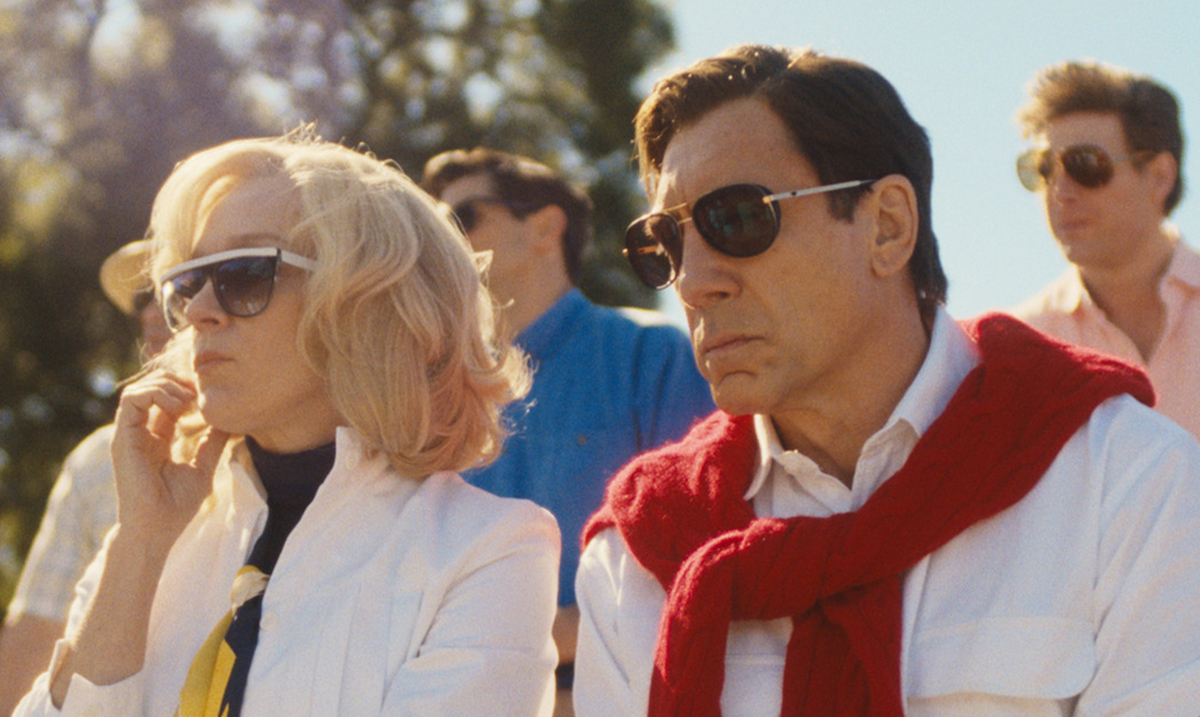
But then the second half happens, and we donât know whatâs real. We see scenes of Lyle entreating friends and family to lie for him, writes letters to fans to send him money, and shares with a woman who writes him how âbrilliantâ his testimony was and how he practiced crying and became really good at it. This turn from Lyleâin the beginning manic and drug-addled, in the middle vulnerable and weak, and at the end as sociopathic as they come, mark Alexander Chavez as a phenomenal actor. He was passed over for award nominations, which I find egregious. Meanwhile, Erikâs complacence is palpable, and Koch is doing a great job here. One scene as he details sexual abuse to his attorneyâshot in a steady camera shot that slowly moves forward, uninterruptedâis one of the best acting sequences Iâve ever seen. Sevigny is convincing as a detached and entitled mom, and I was literally afraid of José myself for most of the film’s run due to Bardemâs acting masterclass.Â
Yet what I think Murphy and his fellow creators are doing here is creating plausible doubt that any of these peopleâs accounts is factual. The Menendez Brothers were sentenced to consecutive life sentences without the possibility of parole (which changed recently), and âMonsterâ makes us question whether this is just or not. It makes us wonder whether they were the victims of extensive abuse or made it all up. It also makes us question whether Kitty and José were loving parentsâalbeit rich and privilegedâor monsters themselves. The series further complicates matters in its third act by referencing the acquittals of the police officers who beat Rodney King and of O.J. Simpson, and by showing the Brothersâ last trial as clearly biased against them. Were they monsters? The sad truth is weâll never know. But Ryan Murphy and company make usâat different pointsâhate them, like them, believe them, and then damn them. It recreates the circus that surrounded their arrest and trials to a T.Â
Leaves the Verdict in the Minds of the Beholder
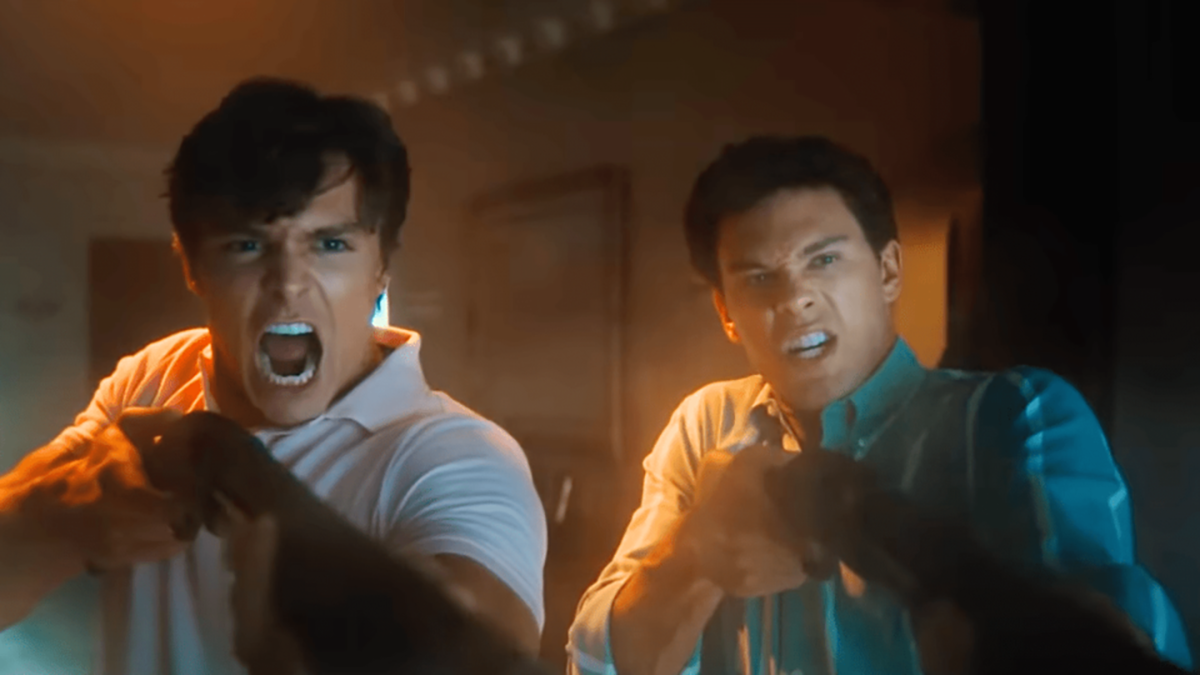
There are very few criticism of âMonsters.â Koch, Alexander Chavez, Bardem, and Seivgny are all amazing, as are ancillary players. Graynor is convincing as a cutthroat lawyer who earnestly cares about her clients⦠but maybe she drank the Kool-Aid too. Its assaults on the legal system are apropos, and its attacks on systemic bias are appropriate and necessary. The only thing that irked me was the continual pontification by Laneâs Dominick Dunne, but itâs forgivable. âThe Lyle and Erik Menendez Storyâ serves as its own advocate. It recreates the fervor around the trial, features phenomenal performances, and makes us question our reality. Its facts may not be perfect but its heart is in the right place. It sets the stage for October 3rd and the release of the 3rd âMonster,” focusing on serial killer Ed Gein. It draws us into an event that at first seems impossible to care about, then becomes intoxicating, and finally lets us feel numb from it all. All-in-all a solid effort and one worth checking out on Netflix, streaming now.Â