





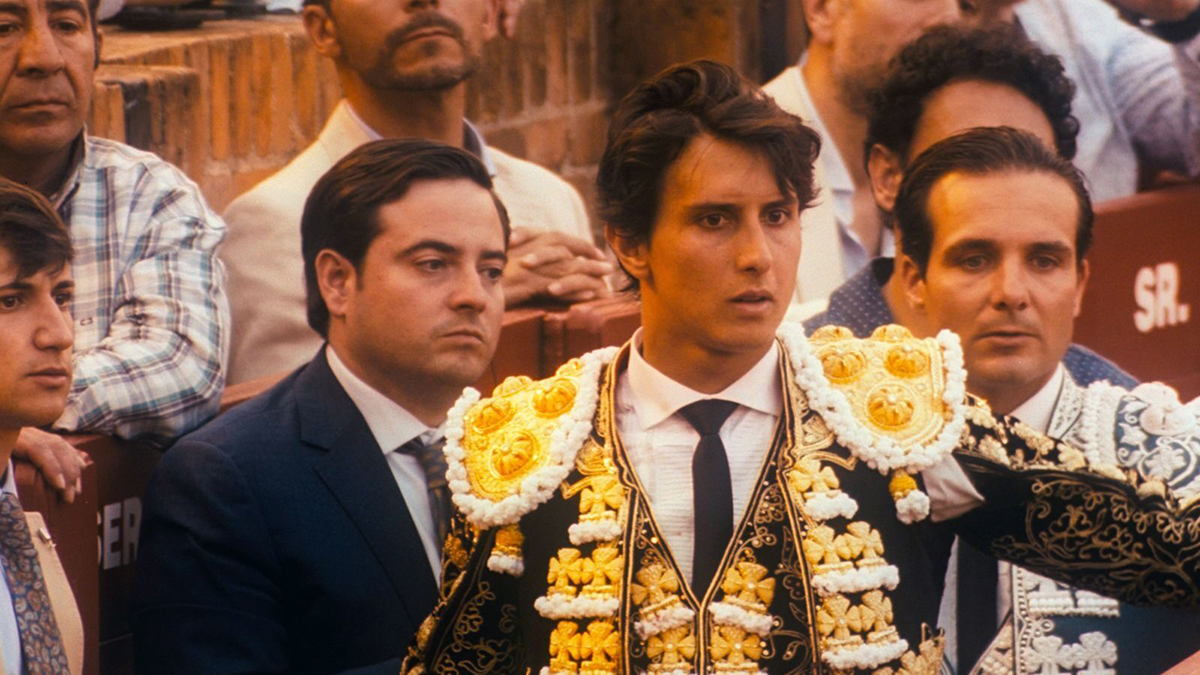
Albert Serraâs âAfternoons of Solitudeâ is a committed, unflinching chronicle of poetic brutality. Or, is it brutal poetry? Itâs the most violent and ruthless film Iâve ever seen, unapologetically depicting the guts and glory of an ancient, iconic sport and the fanatic culture that enables it. But while squirming for relief in the theaterâconvincing myself to leave, then stayâI eventually settled into the repulsion and discomfort of watching real-life bullfighting footage, calculating that the sum total of all the sequences would be greater than each stomach-turning frame. Admittedly, âAfternoonsâ was an experience to be endured, rather than enjoyed, especially in those excruciating bullfighting scenes. Personal squeamishness aside, Serraâs nonfiction debut is an astonishing achievement in documenting and staying out of the way. Itâs a singular provocation that could only existâand adequately serve its subjects and all associated stakeholdersâin this gory, grueling gonzo-journalistic symphonic form.Â
Acknowledging my own limitations and threshold for blood and slaughter, I still canât quite decide who Serra is making this film for, and for what purpose. In profiling the legendary twenty-nine year old torero Andrés Roca Rey, Serra makes a meal of his subjectsâincluding, but not limited to, Roca Rey, his colleagues, the fans and of course, the bullsâwithout the slightest hint of editorializing. Presenting each afternoon as just another day at the office, Serra and his Cinematographer Artur Tort (Serra and Tort also co-edited the film), observe yet rarely tip their hand towards a greater purpose or thesis statement. After all, filmmaking is their job, not moralizing, and sticking to what they know means they can leave room for Roca Rey and his people to do what pays their bills.
Of ‘Glory’ and Solitude
Peacocking around the bullfighting ring, Roca Rey resembles less a vision of Hemingway-ian masculinity than a humorless, regimented Sally Bowles. Jutting his hips out and pursing his lips, Roca Rey evokes a decadent rodeo clown, but the uninitiated bullfighting viewer is cued to his brilliance by both the pandemonium of the cheering fans and his complimentary sidekicks, who reliably pad his ego, declaring Roca Rey âone of the greats!â with âbig balls.â Any vulnerability is explained away or ignored (âThat bull wasnât right!â), at least until Roca Rey is out of earshot, and the same men who told him âfuck the criticsâ become Monday-morning quarterbacks about their courageous bossâs every move.
Still, for all the pageantry and team spirit surrounding this daily spectacle, itâs worth considering the second halfâsolitudeâof the filmâs title, and to whom it applies. Pondering this, I canât shake a heartbreaking image of a doomed bull in center stage, entering the ring, as the entrance door slams shut behind it. This isnât the first fighting scene, but itâs the only one that shows the lonely bull trapped, unwittingly galloping towards a painful, thankless death. And since itâs not the first fighting scene, itâs all the more devastating knowing what lies ahead for this confused creature whoâs there to serve, entertain, and then bleed out until its last breath.
An Unflinching Chronicle of Poetic Brutality
As for the humans, Serra deliberately provides no window into their inner lives. All that matters to himâand, for the purposes of the filmâand to them is the sport, the camaraderie of competition, the addictive rush of performing and going in for the kill. Those same picadors who torture and taunt the bulls, weakening them so Roca Rey can deliver the final sword to the skull that ultimately fells the animal, are only shown in conversations related to their work. And when the bulls have the temerity to stay alive after repeated deep stabbings, the enraged members of the entourage curse at the animals, screaming for them to die and âGo join your fucking cow mother!â
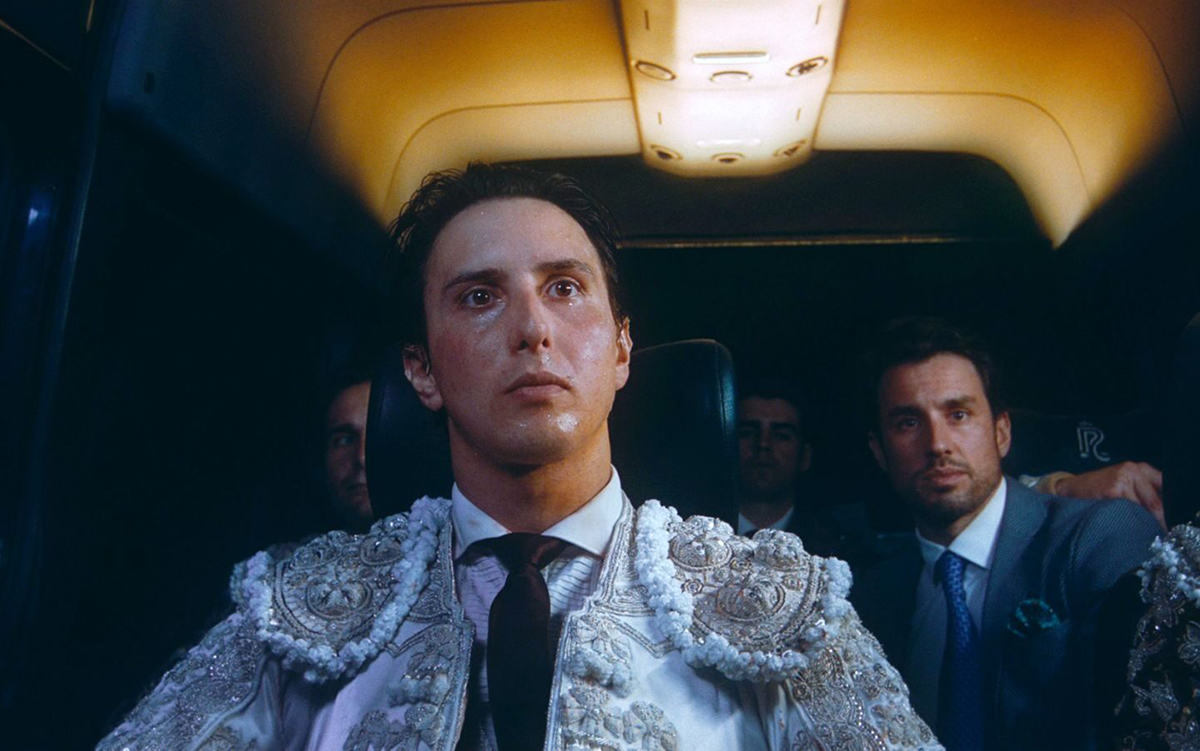
Boys will be boys, and sometimes theyâre also morons, but Serra doesnât play these moments for comic relief or shock value. If the primary motivation for making this film wasnât obvious to me, there are fleeting suggestions outside the fighting arena. Serra and Tort allow themselves some fun spying on Roca Rey in his hotel room, inviting us to join in on the peeping. The routine of getting dressed so elaborately and fabulouslyâdecked out head to do in pearls, sparkles and shoulder padsâconjures a satire of a Hollywood starletâs beautifying routine, or, in Roca Reyâs case, a life-sized sausage being stuffed into its casing. So, despite a surface plot description of âAfternoonsâ presenting itself like a gritty yet philosophical bit of Herzog-ian docufiction, Serraâs mischievous storytelling fits more squarely into the creatives universes of Pier Paolo Pasoliniâs naughty, absurdist cinema or Todd Solondzâs horrifying humanist tragi-comedies.
The Agony and Fatality of Defeat
Following the mysterious, often breathtaking anti-thriller âPacifictionâ (2022), Serra has leapt daringly and without a parachute into his documentary debut. Tort, who won a César for photographing that sumptuous film, contributes to a scrupulous vision which demands instant audience feedback. The object of their project is to call it like they see it, remaining behind the camera and letting the performers tell the full, uncensored and often nightmarish story. A viewer will approach this film armed with certain preconceived notions and worn-out descriptorsâbravery/cowardice and associated extreme categorizationsârelated to bullfighting, and itâs doubtful watching âAfternoonsâ would convert doubters or supporters. But preconceived notions shouldnât disqualify a curious, enterprising cinephile from [un]settling in for a challenging, relentless two-plus hours, not so much enjoying as tolerating the agony of victory and inevitable fatality of defeat.
Albert Serraâs âAfternoons of Solitudeâ opened in New York at Film at Lincoln Center on June 27th. A Grasshopper Film release, âAfternoonsâ continues rolling out throughout North America this summer.


