





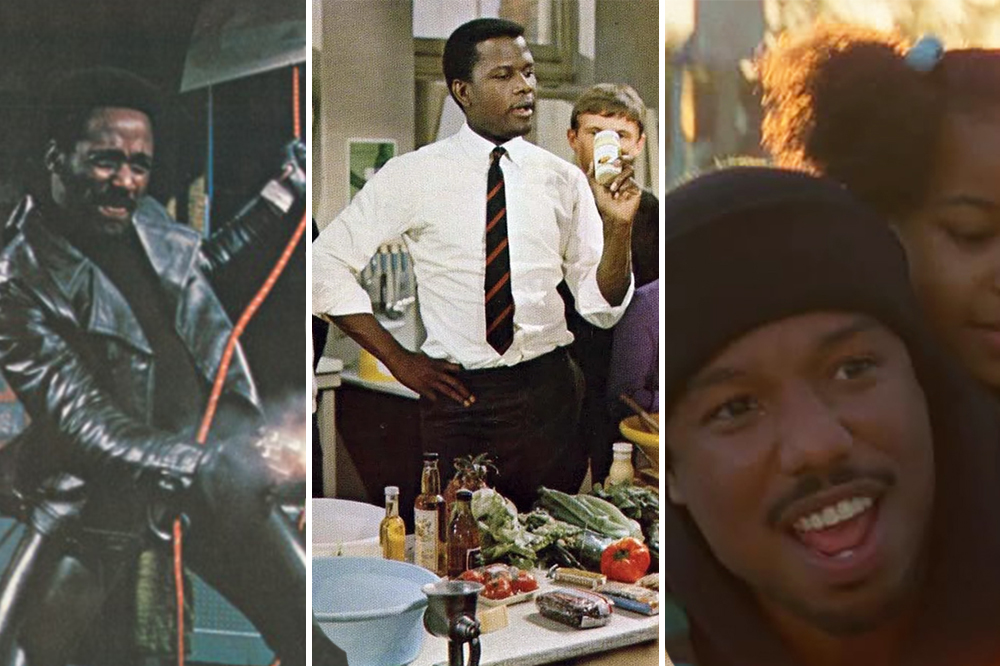
In 1926, historian Dr. Carter G. Woodson established ‘Black History Week,’ which would be celebrated the second week of February and honor Frederick Douglass and Abraham Lincoln, whose birthdays fell within February. Over the years, ‘Black History Week’ was expanded to ‘Black History Month’ in order to devote more time to honoring Black history and culture and this year, weâre proud to join in the celebration!
As part of Black History Month, here are several films featuring not only inspiring Black characters, but in some cases equally inspiring Black creators working behind the camera also. This list is a mix of well-known and lesser-known films. I hope you discover a never-before-seen treasure or two here.
1. ‘Just Another Girl on the I.R.T.’ (1992) – Dir. Leslie Harris
Leslie Harris wrote, produced and directed this 1992 film, which follows 17-year-old Chantel (played by Airyan A. Johnson), who lives in the New York City projects with her working-class family. With her mother working day shifts and her father working night shifts, Chantel has to juggle going to school and taking care of her two little brothers. This is all while looking for relationships and working on improving her life. The film deals with teenage pregnancy, AIDS, and other issues of the day. Its strength is it handles these in a starkly realistic way, and Airyanâs portrayal of Chantel is dynamic.Â
2. ‘The Story of a Three-Day Pass’ (1967) and ‘Sweet Sweetback’s Baadasssss Song’ (1971) â Dir. Melvin Van Peebles
Melvin Pan Peebles was a revolutionary black director who made films for more than 50 years from 1957 to 2009. His films, especially those made in the 1960s and 1970s, focused on the harsh injustice that Black people faced simply due to the color of their skin.Â
His first full-length film, 1967âs âThe Story of a Three-Day Pass,â was shot in France because Melvin found it nearly impossible for Black filmmakers to work in America at that time. Melvin adapted the film from his French novel “La Permission.” The film features Turner (Harry Baird), an American G.I. stationed in France, who gets a promotion and a three-day pass.Â
The film is very much styled after the French Nouvelle Vague (New Wave) films of the time, similar to those made by Jean-Luc Godard and Agnés Varda. It deals with the complexities of interracial relationships, as when Turner meets white shop clerk Miriam (Nicole Berger) and the two fall in love. As the two enjoy their relationship, the prejudices of the world encroach on them. Turner finds his promotion threatened and Miriam comes under attack too. Their struggle to be together makes for a very moving and thought-provoking film.
‘Sweet Sweetback’s Baadassss Song’Â
Melvin also wrote, directed, produced, and starred in the 1971 film âSweet Sweetback’s Baadasssss Song.” This is his most radical work. It is a gritty, low-budget movie that may not be as polished as his other films. However, it puts you in the shoes of the main character like few other films do, using cinéma vérité style. Melvin plays Sweet Sweetback, a young man who grew up in a Los Angeles brothel and nowâas a man in his 20sâgets framed for a murder he didnât commit. Â
Finding no one willing to help him, he makes a run for the Mexican border as the cops pursue him. The film pulls no punches. It is equally critical of the police and members of the Black community who refuse to help each other. The ratings board gave it an X rating when Melvin refused to submit the film for a review he felt was going to be biased anyway. Despite the X rating and the controversial subject matter, the film was successful, grossing $15 million at the box office.
3. ‘Shaft’ (1971) – Dir. Gordon Parks
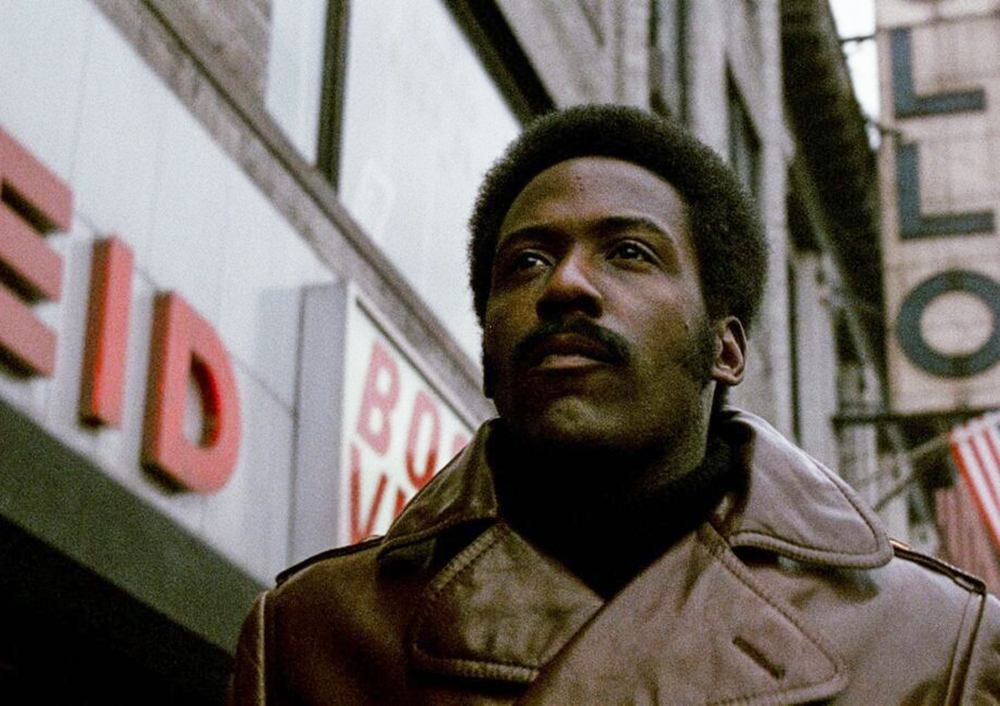
“Shaft” is one of the first pure action films starring a Black character, igniting the Blaxploitation genre that would follow for years after. Gordon Parks directs the film (who, like Melvin Van Peebles, had a long career as a director, producer and writer). Richard Roundtree stars as John Shaft, a private detective whoâs hired by a Harlem crime lord to rescue his daughter, whoâs been kidnapped by a rival Italian mob family. It embroils Shaft in a gang war between the two factions as well as the local police. The filmâs soundtrack by Isaac Hayes is phenomenal and the film crackles with energy from start to finish. The climactic scene where Shaft swings through a window, machine gun blazing, has been mimicked hundreds of times since but the film remains a true original.
4. ‘Dolemite’ (1975) â Dir. D’Urville Martin
In a similar fashion to Melvin Van Peebles and Gordon Parks, Rudy Ray Moore self-funded his films and starred in them, building on the success of the ‘Dolemite’ character he had created on a series of comedy albums. Â Where Melvin and Gordon focused on the art of filmmakingâhighlighting issues of racism and social injusticeâ Rudy made his films simpler action comedies. Rudy was influenced by Richard Pryor and Redd Foxx as well as the Shaw Brothers martial arts films that were huge at the time. He combined all those influences into a crime film that features his unique brand of âKung-Fu.” This and Rudyâs other films (including âThe Human Tornadoâ and âPetey Wheatstrawâ) are incredibly fun and were blockbuster hits in black communities at the time. You have to love all that ’70s fashion and fury that Rudy infused in his films.
5. ‘Love & Basketball’ (2000) â Dir. Gina Prince-Bythewood
Directed by Gina Prince-Bythewood (who would go on to make the equally great âThe Woman Kingâ), âLove & Basketballâ not only has some great basketball action, itâs a great romance too. I loved the relationship between Quincy McCall (Omar Epps) and Monica Wright (Sanaa Lathan), next door neighbors who meet when theyâre 11 years old and who both want to be professional basketball players. Over the years their relationship grows closer.
Both characters are written beautifully, especially Sanaaâs character Monica. Neither character is perfect, Monica has a fiery temper because she has to struggle harder than Quincy to make a name for herself in a world where womenâs professional sports never get the same acclaim as menâs. Quincy, who has everything easily fall in line for him, has an ego that crashes midway through the film, causing havoc in his personal life as he tries to recover. The movie takes place in four chapters, the title cards referring to them cleverly as âquartersâ in the film. They show the passage of time for both characters, and Dennis Haysbert and Alfre Woodward are fantastic in their supporting roles as Quincyâs father and Monicaâs mother. The film also has one of the greatest soundtracks ever.
6. ‘To Sir, with Love’ (1967) âDir. James Clavell
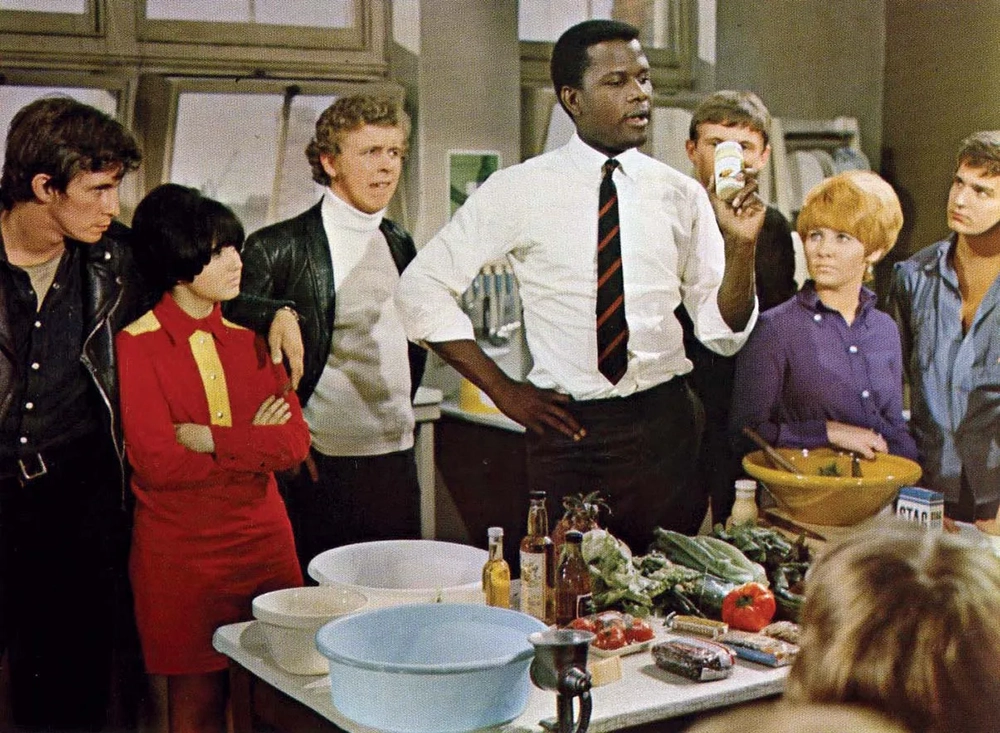
Though Sidney Poitier did dozens of great films, I feel this one was his best. Where most of his films dwelled on the fact that he was Black, as if that were the only thing that defined him, âTo Sir, with Loveâ portrays Sidneyâs character Mark Thackeray as a complex man, a man struggling to find work despite the fact he has an Engineering degree. In order to make a living, he takes a teaching job at a school on the rough East side of London, and over the course of the film he gains the acceptance and respect of the juvenile delinquents in his class. Â
Though this type of film has been done numerous times through the years, this film hits differently. The supporting actors (including Judy Geeson and Suzy Kendall) are convincing as two of the troubled kids and Sidney Poitier has never been more austere and charming. A very heart-warming film set in that beautiful era of swinging 1960s London.
7. ‘Cooley High’ (1975) â Dir. Michael Schultz
Directed by Michael Schultz (who also directed âCar Washâ and Richard Pryorâs film âWhich Way is Up?â), âCooley Highâ is arguably his most provocative film. Set in 1964 Chicago, the film focuses on high school seniors and best friends Leroy Jackson (Glynn Turman) and Richard Morris (Lawrence Hilton-Jacobs). We follow them through their senior year, as Richard pursues a basketball scholarship. Meanwhile, the two friends get into trouble, find romance, and eventually experience tragedy Â
The film has some wonderfully light-hearted moments. However, it never holds back on showing the hard conditions and dangerous temptations of the area they live in. Itâs a very moving film and was so successful that it spawned the “What’s Happening” TV show. The show was a very watered-down version of the film. However, it was a much-needed program featuring a Black family on a major network.
8. ‘Do the Right Thing’ (1989) â Dir. Spike Lee
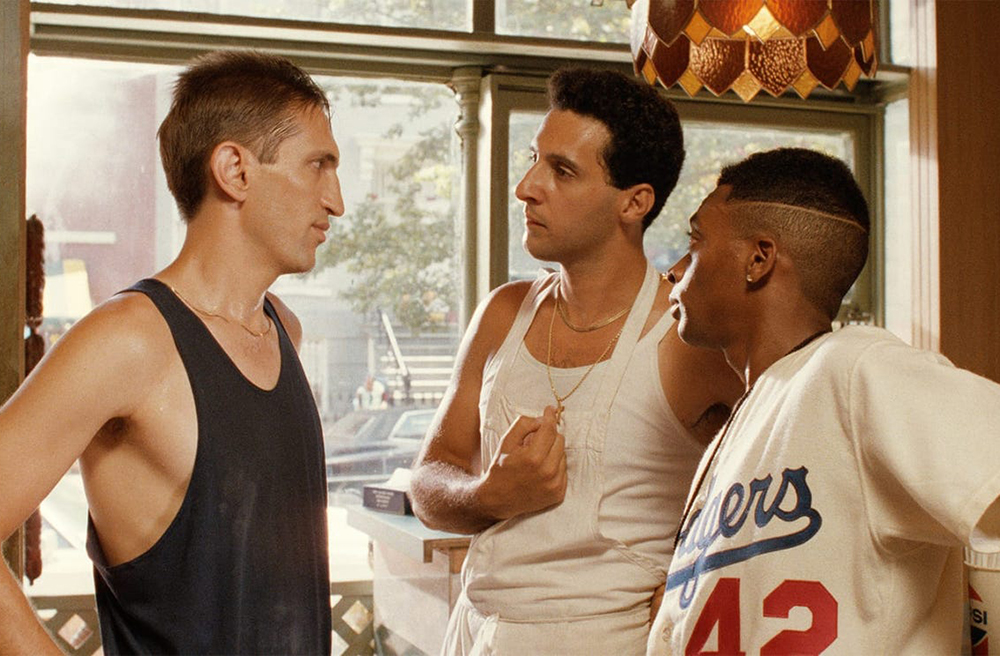
Arguably Spike Leeâs best film, which portrays one steamy summer day in a small multi-cultural Brooklyn borough. As the heat of the day increases, tensions rise in the neighborhood until things reach a boiling point at night. What makes the film work is that all the people in it feel authentic. From the kids breaking open the fire hydrant to cool off, to Danny Aielloâs Salâwho takes pride in his humble pizza parlor but stays constantly annoyed by his two sons (one of whom is a loudmouth racist and the other whoâs a wimp)âto Radio Raheem (Bill Nunn), who walks the neighborhood sporting his massive boombox (which perpetually blasts the song âFight the Powerâ), you feel like you could somehow wander into this little subsection of the city and become involved in their lives.
The film has one of the greatest opening credits sequences of all time. It starts off with a mellow saxophone line, pinwheeling into âFight the Power,” the camera zooming in on Rosie Perez dancing fiercely to the booming music. It took my breath away the first time I saw it on the big screen. An amazing film.
9. ‘Putney Swope’ (1969)Â â Dir. Robert Downey Sr.Â
Robert Downey Sr.âs âPutney Swopeâ features great character actor Arnold Johnson as Putney Swope, a Black advertising executive whoâs accidentally made CEO of an advertising firm when the current CEO dies. The film pulls no punches in parodying the greed of companies and the racism present in the corporate world. The film shows Putney getting more revolutionary with his ideas. He changes the name of the company to âTruth and Soul, Inc.,” exasperating the White advertising executives around him (who of course fawn to him face-to-face but viciously criticize him when heâs not around). There are commercials throughout the film that âTruth and Soul, Inc.â have produced. They are similar to how classic “Saturday Night Live” would feature fake âcommercials,” and theyâre all hilariously zany and strange. Â
10. âWattstaxâ (1973) â Dir. Mel Stuart
The Wattstax concertâwhich took place on August 20th, 1972 and was called âThe Black Woodstockââwas produced by Stax Records (a huge record label at the time who released Gospel, Funk, and Blues records). The concert commemorated the 7th anniversary of the 1965 Watts Riots. Much like Woodstock, it grew to be bigger than anyone imagined, ultimately having over 100,000 people attending. This concert film puts you in the middle of the action with a breathtaking musical lineup. There are performances by The Staple Singers, Isaac Hayes, Kim Weston, William Bell, Eddie Floyd, and a lot more. Richard Pryor also appears in all his non-politically correct glory, making some hard-hitting and hilarious comments as the movie takes breaks from the musical performances to show candid moments with Richard, Jesse Jackson and some of the performers backstage. Â
11. ‘Fruitvale Station’ (2013) â Dir. Ryan Coogler
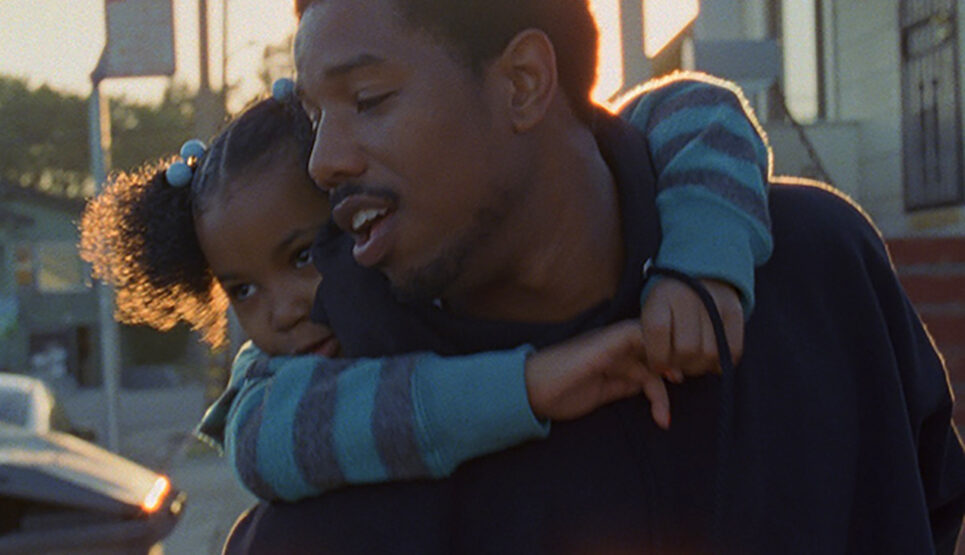
Directed by Ryan Coogler, âFruitvale Stationâ is the true story of Oscar Grant (Michael B. Jordan), a young Black man who was killed by police in Oakland, California on New Yearâs Day in 2009. The film follows Oscar on the last day of his life, incorporating footage of the real Oscar Grant and friends during a detention at the Bay Area Rapid Transit Station shortly before his death. Watching Oscar live his life, enjoy time with his family and girlfriend, and make decisions about his future is incredibly sad. You realize what great potential he had. And as the movie heads towards its inevitable conclusion, you hope things will end differently. The incident was one of the first times a cellphone video was instrumental in leading to a conviction (the policeman who shot him was found guilty of involuntary manslaughter).
If you have a film you think should make our list, leave us a comment in the space below. Follow us for more Black History Month film coverage during the month of February.Â




