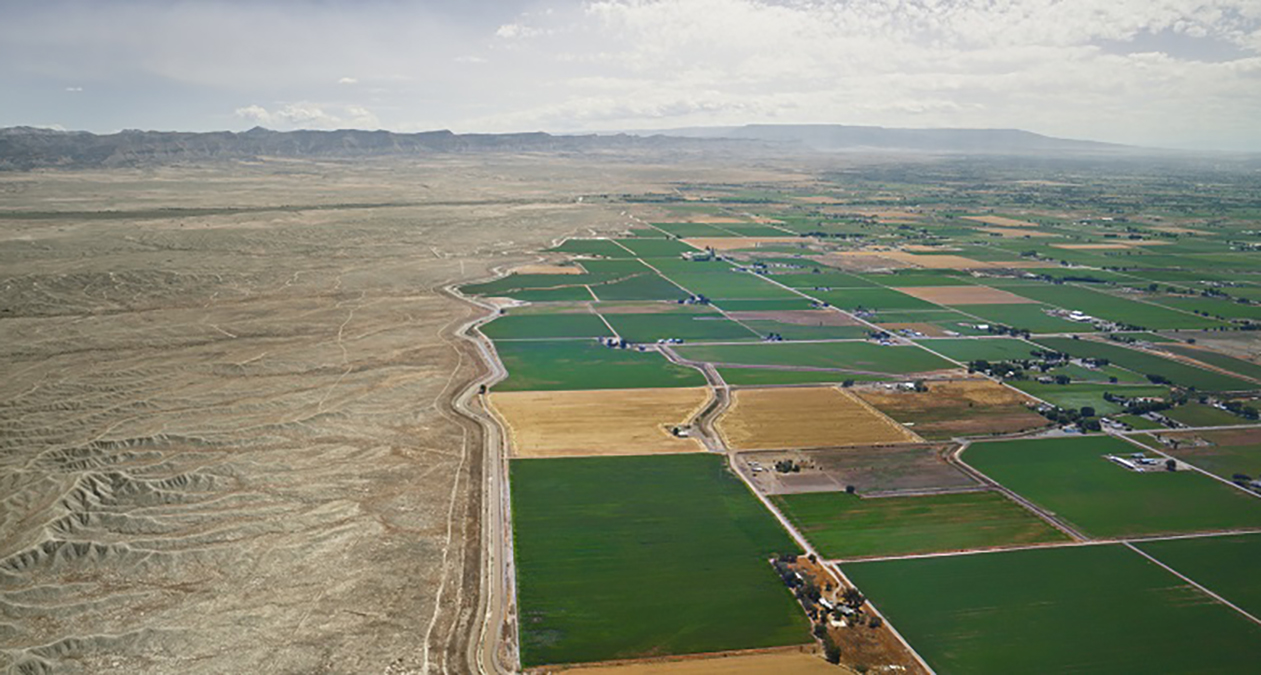
“The American Southwest” from Director/Writer Ben Masters is a visually appealing documentary that takes viewers down the Colorado River, showcasing the regionâs landscapes and wildlife with undeniable beauty. Narrated by Quannah Chasinghorse, the narration is calm and reflective, complementing the cinematography nicely. The film looks especially good on a big screen, though itâs also pleasant to watch at home.
The cinematography is where the film shines brightest. There are sweeping aerial shots of vast canyons, intimate glimpses of desert wildlife, and close-ups of sand grains shifting across sunlit dunes. The sheer detail on display makes the American Southwest feel alive in a way that photographs rarely capture. It juxtaposes grandeur with fragility, showing us both the majesty of the river system and the stark ecological toll human activity has left on the landscape. Itâs easy to get swept up in the grandeur of it all, even if youâve seen similar imagery before in other nature documentaries.
Intimacy and Cultural Grounding
Quannah Chasinghorseâs narration plays a large role in shaping the documentaryâs mood. Her voice carries a tone of great respect for the land, but also a subtle note of despair, which makes the warnings about ecological decline feel deeply personal. In contrast to David Attenboroughâs more sweeping, authoritative narration style, Chasinghorse brings intimacy and cultural grounding to the storytelling. The sound design supports this approach as well, with a mix of natural ambience and a gentle score that never overwhelms the imagery.
The fear of the Colorado River running dry runs through the entire run-time. Once the lifeblood of about two million people in 1900, the river now sustains forty million across the Southwestâa staggering reminder of how essential it is to modern life. The film underscores the riverâs dubious distinction as the most litigated in the world, and its status as both a symbol of natural wonder and a battleground of politics, industry, and survival. These facts lend weight to the filmâs conservation message, even if its delivery can sometimes feel a bit on the nose.
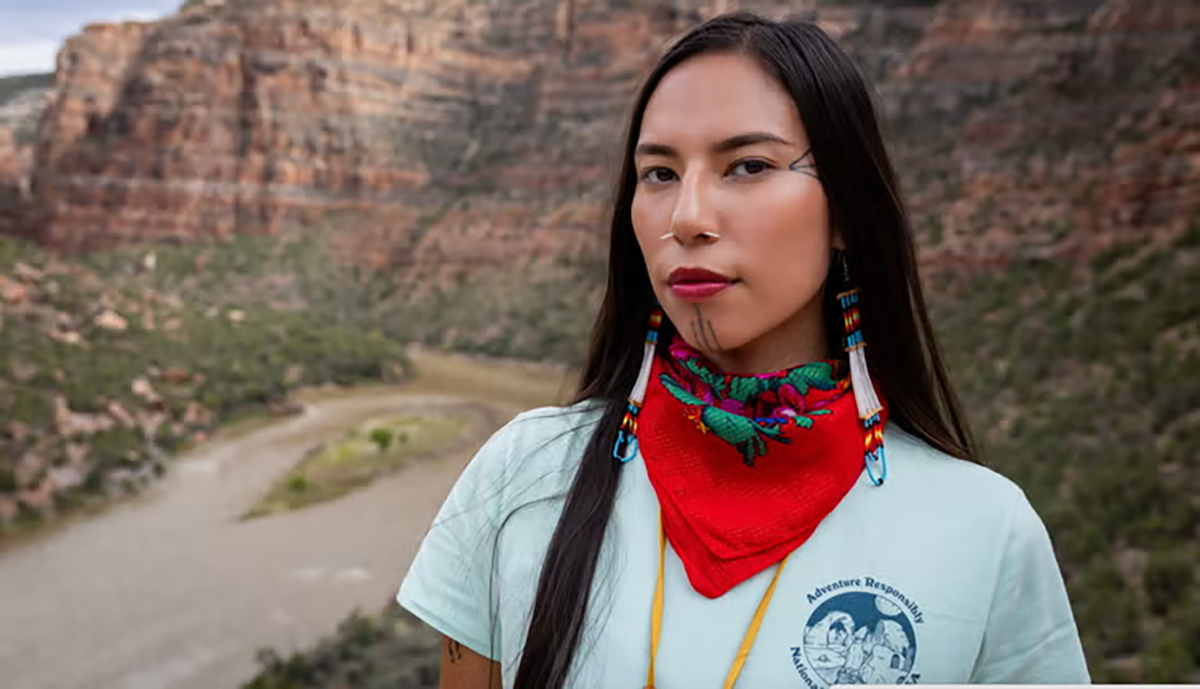
Beyond the ecological concerns, “The American Southwest” acknowledges the regionâs cultural history, particularly the role the river has played for Indigenous communities. This perspective helps the documentary stand apart from others in the genre, situating the Colorado not just as a resource but as a living entity with profound cultural and spiritual significance.
Visually Rich and Thematic
In terms of tone, the film feels somewhere between a classic Disney nature documentary and a classroom IMAX field trip. It manages to be meditative and beautiful while remaining approachable, informative, and family-friendly. While it doesnât quite reinvent the wheel for the nature documentary form, it succeeds in being both visually rich and thematically urgent.
Ultimately, “The American Southwest” is worth seeking out for its scenery alone. Even if its themes are familiar, the combination of breathtaking visuals, heartfelt narration, and timely subject matter make it a rewarding journey down one of the most importantâand imperiledârivers in the world.