





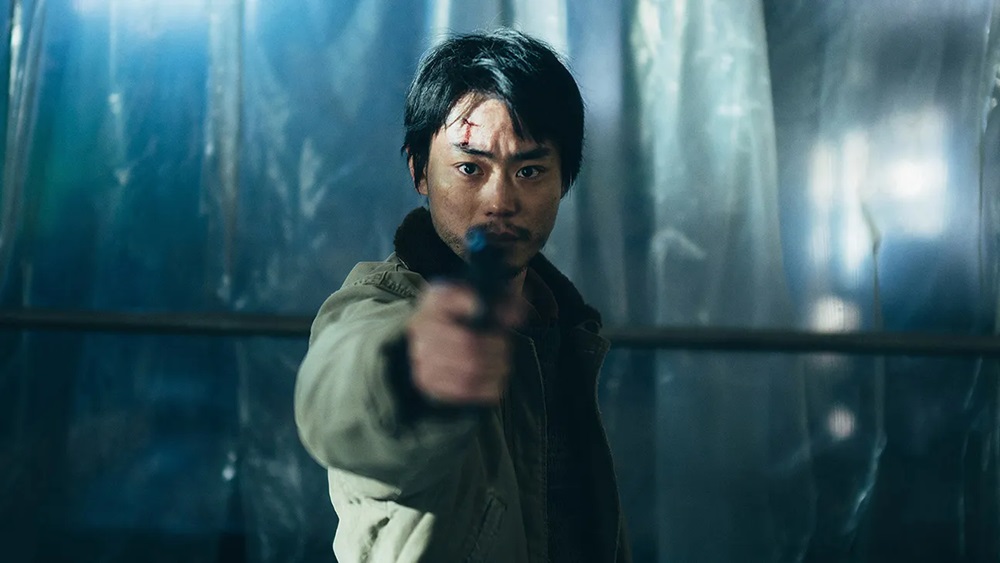
Thereâs an almost primal satisfaction in watching someoneâs carefully constructed life crumble under the weight of their own ambitions, especially when it belongs to someone who thrives on exploiting others. At the very least, thatâs what Kiyoshi Kurosawaâs âCloudâ (Japanese: ã¯ã©ã¦ã) conveys to its viewers. This is the dark heart of Kurosawaâs latest film, a cautionary tale that invites us to revel in the rise and inevitable fall of a man so consumed by his quest for profit that he forsakes everything elseâmorality, relationships, even his own safety. Masaki Suda delivers a chillingly nuanced performance as Ryosuke Yoshii, whose detached approach to online reselling veers from opportunistic to predatory.
Kurosawa, known for his slow-burn storytelling and explorations of alienation, frames âCloudâ as both a morality play and a modern tragedy. The film probes the soulless hustle of late-stage capitalism and the internetâs power to turn anonymous grievances into collective vengeance. Overall, while the film is an uneven experience as it shifts from icy precision to chaotic violence, it remains deeply compelling. Through Yoshiiâs undoing, Kurosawa forces us to confront uncomfortable questions about ambition, exploitation, and the blurred line between justice and retribution.
More QCinema Coverage: âThe Count of Monte Cristoâ: A Thoughtful, If Rushed, Study of Revenge and Redemption
Opportunism and Profiteering in the Digital Marketplace
From the outset, âCloudâ ensures that we know exactly what kind of man Yoshii is. In the opening scene, he negotiates with an elderly couple selling off thirty boxes of medical equipment. With an air of detached professionalism, Yoshii offers a pitiful Â¥90,000 (approximately $583) for the lotâa number he knows is a fraction of its real value. Later, we watch as he lists the items online at Â¥200,000 (around $1,295) each, selling out within minutes. This transaction encapsulates Yoshiiâs modus operandi: Exploit the desperate and profit from their misfortune.
Kurosawa wastes no time interrogating Yoshiiâs moral calculus. One of his sellers, frustrated by his brazen lack of effort, pointedly asks if he acts purely on âimpulse and instinct.â Yoshii doesnât hesitate to confirm. Her replyââEver thought thatâs wrong somehow?ââhangs in the air, a direct challenge to Yoshiiâs worldview. Kurosawa films this exchange with an unsettling clarity, forcing the audience to grapple with their reactions. Are we appalled by Yoshiiâs callousness, or secretly impressed by his audacity?
Yoshiiâs profound oblivion to his own selfishness, a quality âCloudâ clearly highlights throughout its runtime, lends the film a streak of dark humor. His interactions with his victimsâmany of whom go on to torment himâare laced with an awkward hilarity. They respond to his indifference with a mix of rage and disbelief, as if silently asking, âAre you really this dense?â Itâs this combination of audacity and cluelessness that makes Yoshii such a fascinating character. Sudaâs performance captures this duality with precision, balancing cold calculation with moments of almost comic detachment.
The Double Life of Yoshii and âRatelâ
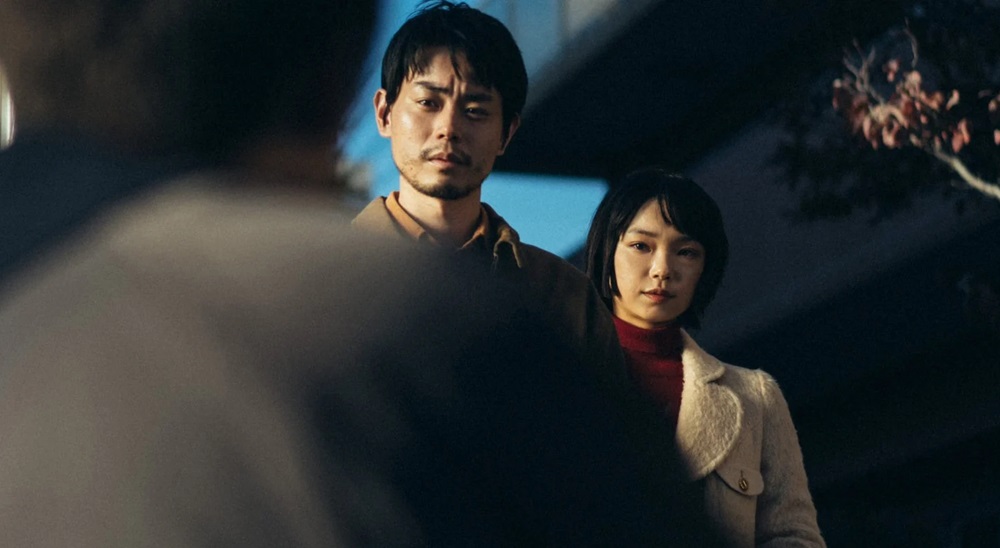
This detachment extends beyond Yoshiiâs business practices and into his personal life. While off his computer as âRatel,â he seemingly enjoys a happy relationship with his spendthrift girlfriend Akiko (Kotone Furukawa). However, even that is a relationship devoid of genuine affection, with their interactions dominated by talk of profits and logistics.
Even at his day job at the factory, Yoshiiâs commitment is hollow. His boss Takimoto (Yoshiyoshi Arakawa), impressed by Yoshiiâs apparent work ethic, offers him a promotion, but Yoshii declines with characteristic bluntness: âIâm just unassertive. It only looks like Iâm committed.â The line underscores his apathy for everything outside his reselling business.
The distance Yoshii cultivates from those around him is thrown into sharp relief by his encounter with Muraoka (Masataka Kubota), a former classmate who first introduced him to reselling. Muraoka, though morally compromised, represents a connection to Yoshiiâs past and offers him a lucrative partnership. Yet Yoshii rejects him outright, preferring to remain the sole architect of his increasingly dubious schemes. This choice reinforces Yoshiiâs isolation, cutting him off from even those who share his worldview.
Related Review: âEvil Does Not Existâ: An Exquisite and Ambiguous Rumination on Humanityâs Relationship with Nature
Kurosawaâs Trademark Uneaseâand the Descent into ChaosÂ
Many of Kurosawaâs trademarks feature here: slow-burning narratives, themes of alienation and moral decay, and the filmmakerâs uncanny ability to craft unease from the mundane. The first actâs meticulous focus on Yoshiiâs daily grind and his toxic relationship with money is classic Kurosawa, blending detachment with tension as the audience waits for the inevitable fallout. Yasuyuki Sasakiâs cinematography and Takuma Watanabeâs music heighten the paranoia, with lingering shots and subtle auditory cues building a palpable sense of dread.
Kurosawaâs control over pacing and tone is most evident in these early scenes. The sense of inevitability builds slowly, tightening its grip until even Yoshiiâs cold calculation begins to crack under the weight of unseen threats. The careful layering of these elements makes Yoshiiâs eventual unraveling all the more engrossing.
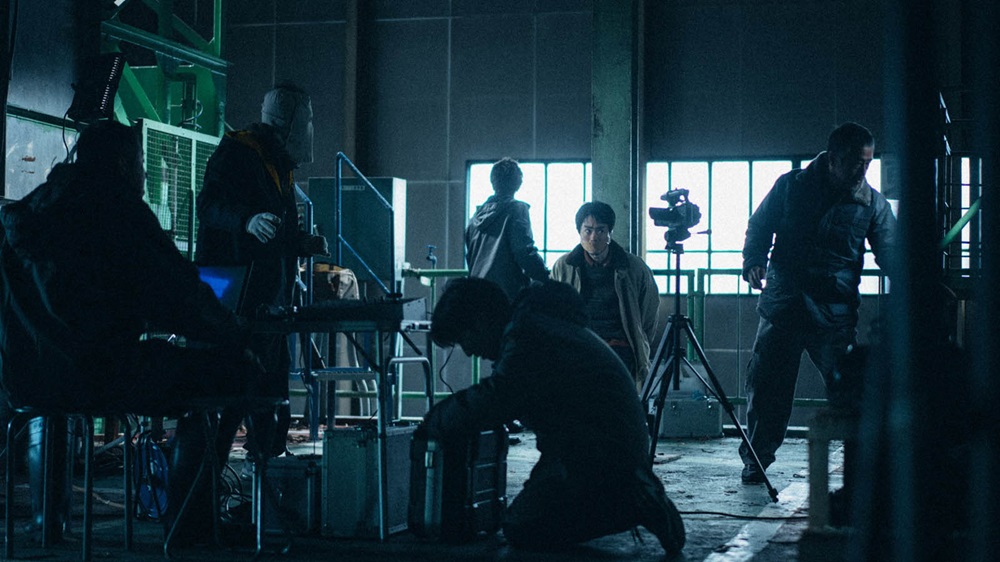
The tonal shift comes when Yoshii quits his factory job and relocates with Akiko to a remote lakeside house. What begins as a bid for freedom quickly devolves into paranoia. The victims of Yoshiiâs schemes, emboldened by the internetâs anonymity, organize a mob bent on revenge. Their methods range from the petty (a dead rat left at his doorstep) to the terrifying (an elaborate plan to dox and hunt him). The tension Kurosawa builds here is palpable, with Sasakiâs camerawork lingering on ominous corners and shadows, inviting us to experience Yoshiiâs growing unease.
But as the film pivots into its action-heavy second half, it trades psychological nuance for more conventional thrills. The revenge plot escalates into violence, streaming-era mob justice played out with guns and makeshift weapons. While the set pieces are undeniably gripping, they feel at odds with the filmâs earlier restraint. Thereâs no denying the primal satisfaction of seeing Yoshiiâs downfall unfold; but even as I fancy myself some schadenfreude, this pretty much wasnât it.
Cloud without a Silver Lining
Thematically, âCloudâ is relentless in its bleakness. Its title, a nod to both the digital cloud and the metaphoric fog of greed, captures the filmâs view of modern life: opaque, isolating, and devoid of redemption. Here, Kurosawa leaves no room for hope. By the end, Yoshii is a shell of himself, undone by the very forces he sought to control. Even Akiko, whose initial loyalty seemed unshakable, reveals a darker side, pushing Yoshii further into his downward spiral.
What prevents âCloudâ from being a truly great film is its uneven execution. The supporting characters, including Akiko and Yoshiiâs assistant Sano (Daiken Okudaira), feel underdeveloped. And while the tonal shift to action-packed chaos has its merits, it risks alienating viewers invested in the filmâs earlier subtleties.
Even so, Kurosawaâs vision is undeniable. The film offers an audacious critique of greed and revenge, bolstered by Masaki Sudaâs performance. Yoshii is not a character we root for, but he is one we cannot look away from, a man so consumed by his ambitions that his downfall feels both inevitable and perversely satisfying.
In the end, while âCloudâ is an imperfect morality play for the digital age, it nonetheless works. It forces us to confront our own complicity in systems that prioritize profit over humanity, even as it indulges in the dark thrill of schadenfreude. Watching Yoshiiâs business crumble is both a warning and a spectacle. More importantly, it is proof that in Kiyoshi Kurosawaâs worldâgenre mashups and tonal inconsistencies be damnedâno one escapes unscathed.





