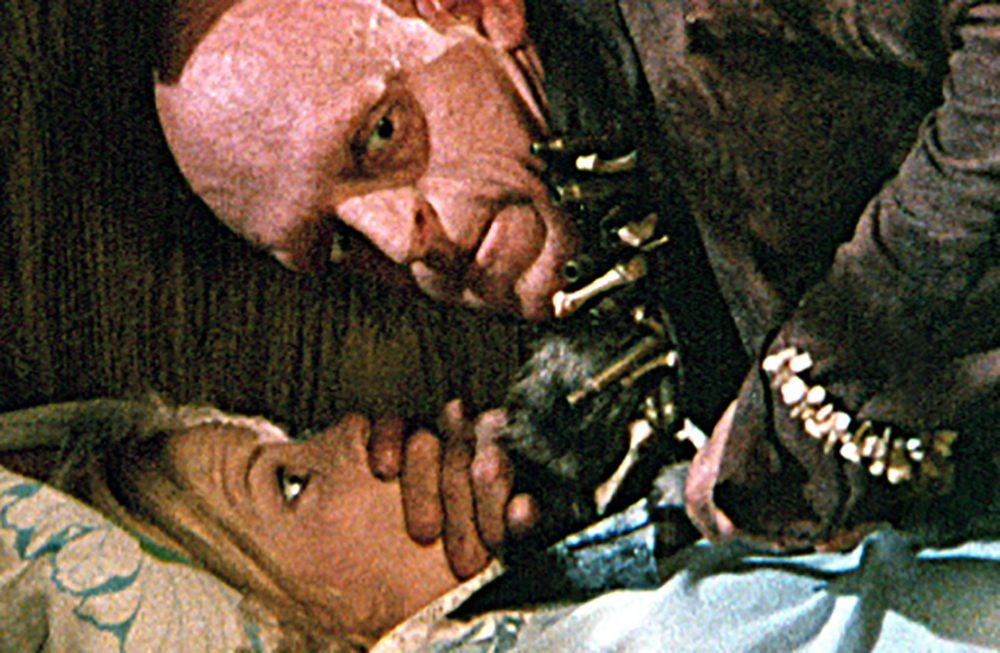
Not the horror makerâs first film, but still seven years before his iconic âA Nightmare on Elm Street,â Wes Cravenâs âThe Hills Have Eyesâ is a decent attempt. It has its issues. It lags in the first half and relies on little in the way of special effects. Its villains seem too human and too basked in the light of day for much of the film to genuinely terrify. The movie, with its incestuous miscreant family motif, certainly borrowed from Tobe Hooperâs infamous âTexas Chainsaw Massacre,â released only three years earlier. Still, the film tries. When a California-bound familyâs car breaks down en route to their destinationâand winds up outside an abandoned US Air Force baseâa group of inbred scavengers insist on making their lives a living hell. And for the most part it works.Â
The early parts of âThe Hills Have Eyesâ have familiar material⦠but familiar only because others films that followed would copy it. The California family stops at a gas station, encountering the mysterious âFred,â played perfectly by John Steadman. Heâs an old man content in his ways, warning the interlopers to just mosey on down the highway and not stop at the Air Force base like they want to. âJust stick to the main road,â he warnsâjust like Crazy Ralph in âFriday the 13th.â âThe other side of the highway just has animalsâ¦âÂ
Familiar Stuff… but ‘Hills’ Did it First
Of course itâs not coyotes and foxes heâs talking about, but the carnivorous inbred family which lacks a surname in these proceedings. They all go by various Roman gods (Pluto, Mercury, etc.) and talk to each other on stolen USAF walkie talkies. They have a sister, Ruby (played by Janus Blythe), who seems to want to get out, but canât get the nerve. But itâs all for naught. Later that nightâafter their car breaks downâFred, the traveling family patriarch âBig Bobâ Carter (Russ Grieve), and others will become the victims of the villainous family. Not even the dogs are safe.Â
What makes the first half of âThe Hills Have Eyesâ dragâand fail to bring the thrillsâlies in the lack of stage setting and the bright desert sun. It also doesnât help that the inbred family (even Pluto, played by Michael Berryman, who is supposed to look deformed) seem too normal, if thatâs the right word. They speak in regular English with a slightly hickish dialect, and itâs not lost that the film was doubtless inspired by âDeliverance,â released five years before it. Although âHillsâ intends to be a straight horror picture, whereas âDeliveranceâ devolved into a strange survival/moral tale I found somewhat irritating. But I digress.Â
Sometimes it Shows Too Much
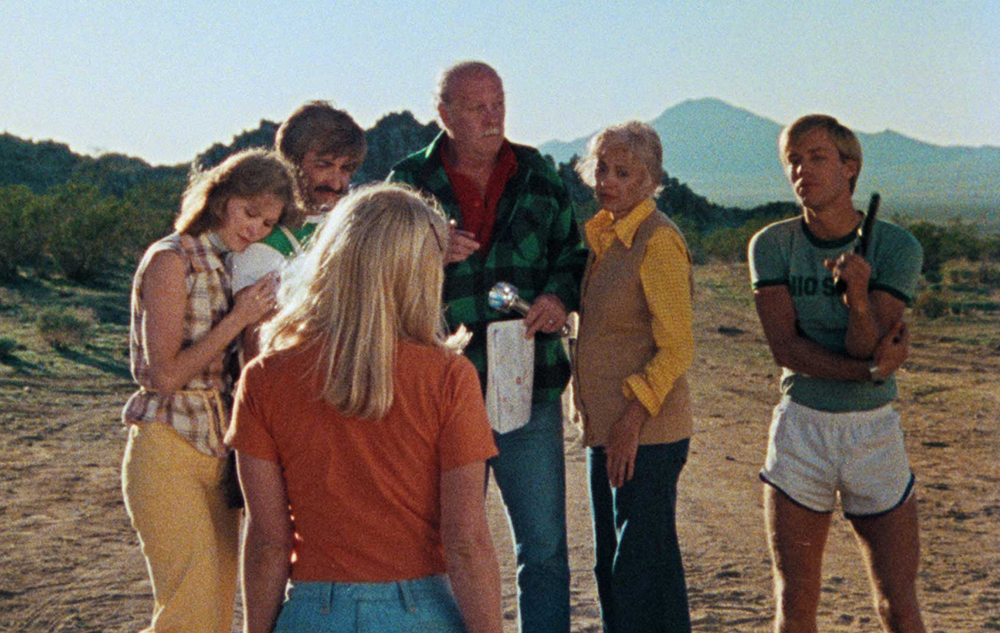
The cast of characters are likable enough. The film starsâalongside the aforementioned Russ GrieveâSusan Lanier, Robert Houston, Virginia Vincent, Dee Wallace, and Martin Speer. These are the California-bound Carter family. Some are better than others, but they all play their role. You have to forgive âHillsâ for the time⦠especially the âmen have to protect the womenâ mentality of the males, and Big Bobâs casual racism as he recounts his time spent as a Cleveland cop. But they seem a tight family unit. This idea must have been horrific in the â70s: a middle class, white family tries to travel cross country and are attacked and tortured by a group of inbred mutants. Some early scenes drag, but later scenes (such as the attack of poor Big Bob and one of the familyâs dogs) are rightly frightful.Â
âHillsâ suffers in the portrayal of the villains, unfortunately, showing way too much. We get full conversations between the animal family, most of whom look like they are dressed from the set of some prehistoric film about cavemen. But they talk too well. They talk so well, in fact, that two of them are able to impersonate USAF personnel later in the film via walkie talkie. They are played by the aforementioned Janus Blythe, Peter Locke, James Whitworth, Lance Gordon, and Cordy Clark. Most of their family scenes donât work, but a few early interactions with the Cartersânamely one chill-inducing scene inside the camperâshow the familyâs dark side.Â
Still, Ahead of its Time
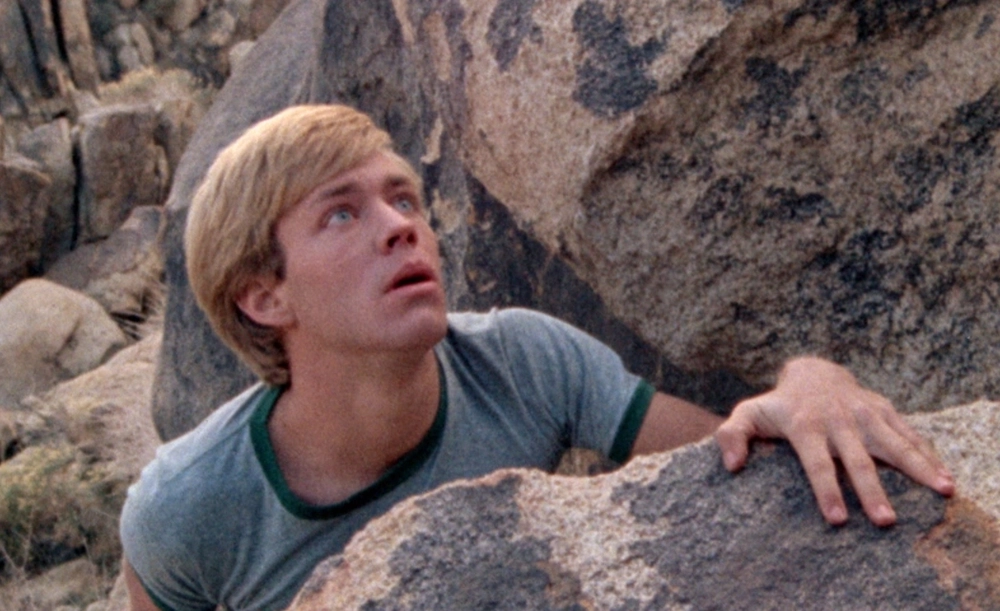
The latter half of the film, however, feels tighter. Once the crazy family attacks Fred and Big Bob (no spoilers⦠but what happens is pretty brutal for 1977), the film picks up a pretty good pace. The Carter family behave relatively rationally, even as their baby is stolen (Brenda Marinoff is credited as playing baby Katy). The crazy family wants to eat the baby, referring to it as a prize turkey. Watching this in 2024âcompared to a legion of âSawâ films and other torture cinemaâseems pale in comparison. But remember, this was 1977, and Iâm sure this was nightmarish back then. Some additional run-ins between the Carters and the mutants set the stage for a final confrontation that defies the âfinal girlâ stereotype that would become cannon, which I liked. It also features a scene with the Carterâs dog which I had never before seen in a horror film. âHills,â in some respects, was ahead of its time.Â
All-in-all, Cravenâs film is imperfect but tries. I found it infinitely more digestible than his first, âLast House on the Left.â This film is more tonally consistent and far less nihilistic and brutal. It has its scenesâpoor Big Bob its chief offenderâand manages to be scary and thrilling along the way. Its villains suffer, and are vastly outdone in the 2006 remake by Alexandre Aja, which upped the ante on their depravity and perversity. But itâs all forgivable. For 1977, âThe Hills Have Eyesâ is a passable thriller, featuring Dee Wallaceâwho would go on to star in bigger filmsâand is certainly a creepy way to spend this Halloween under the right circumstances.Â