





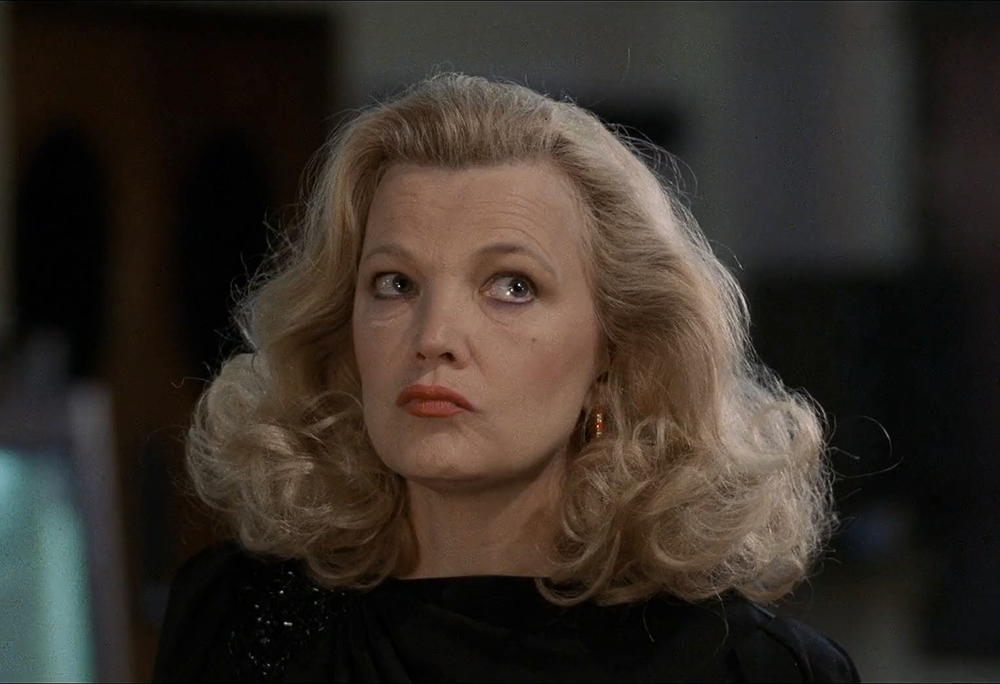
Every year, I make a point of checking in on my favorite films. Rewatching great films can be soothing and familiar, but it can also be jarring and confrontational. Often, I approach an old favorite with caution: what if I feel differently, if the characters strike me as dull or contrived? In those cases, I can blame the younger version of myself for an underdeveloped palate, or misdirected emotional connection made during the first date. When I rewatched âA Woman Under the Influenceâ (1974) earlier this yearâfor the first time in theatersâit extended a six-year long honeymoon. Instead of heaping praise on mty younger self for picking a winner, I feel a growing debt of gratitude to Gena Rowlands, for crafting an imperfect, endlessly relatable character, whose impact on me has only grown with age.Â
Rowlands, who died on August 14th, plays Mabel Longhetti, in a breathtaking, high-wire performance, on screen for nearly the entirety of the 160 minute run-time. And, of course, itâs when Mabelâs not pictured that the world she helped build begins to deteriorate fully. It can be a grueling watch, a raucous spousal battle royale in which suffering is dealt evenly to all parties (kids included). To look away is to acknowledge that weâve all been thereâcursing the people you love the most, wishing for space, then regretting the next moment what you said a second earlier. And for me, two scenes stick out, explaining Mabelâs conflicting influences and impulses, showcasing Rowlandsâ unmatched skill for depicting the extreme states of blissful joy and overwhelming despair; Mabelâs only steady states.Â
Rowlands’ Mabel: Full of Flaws, Love, and Beyond Labels
Greeting her husband Nick (Peter Falk) and his dozen co-workers after a sleepless night (for all parties), Mabel enthusiastically offers to make a breakfast feast: âWho wants spaghetti?â She winks at Nick, flirts with some friends and asks harmless personal questions about their families. Quietly, Nickâseated opposite Mabel at the other end of a long dinner tableâseethes, until he canât contain his contempt for Mabelâs playful banter. Eventually, he shouts at Mabel and dismisses his friends. Theyâre all having fun, then Nick yanks the plug; it couldnât have been the first time. Left alone, Nick admonishes and insults Mabel (âWhacko!â), head buried down at the table, while Mabel resorts to blowing raspberries and a get-outta-town/take-a-hike gesture, then softening her stance to try to meet Nick halfway. “Tell me what you want,” she says. “I can be anything.”
This set up practically demands that a viewer take sides. Mabel is nuts and Nick is a loose canon. Take your pick? The title suggests Mabelâs the victimâof addiction, depression, both or something more sinister still. But any categorization doesnât disqualify her as a caretaker and provider. In fact, the first time Mabelâs on screen sheâs barefoot on her front lawn, shuffling her kids out the door to their grandmotherâs house so she can have a night alone with Nick. Of course, when Nickâs forced to work overtime, Mabel goes out alone, gets drunk and brings a man home. Sheâs no angel, nor is she a demon. Mabel is a human, full of flaws and full-er of love, yet Nick makes the mistake of labeling her a problem, and runs out of ideas on how to solve her.Â
Rowlands Unpacked Her Complicated Characters’ Eccentricities
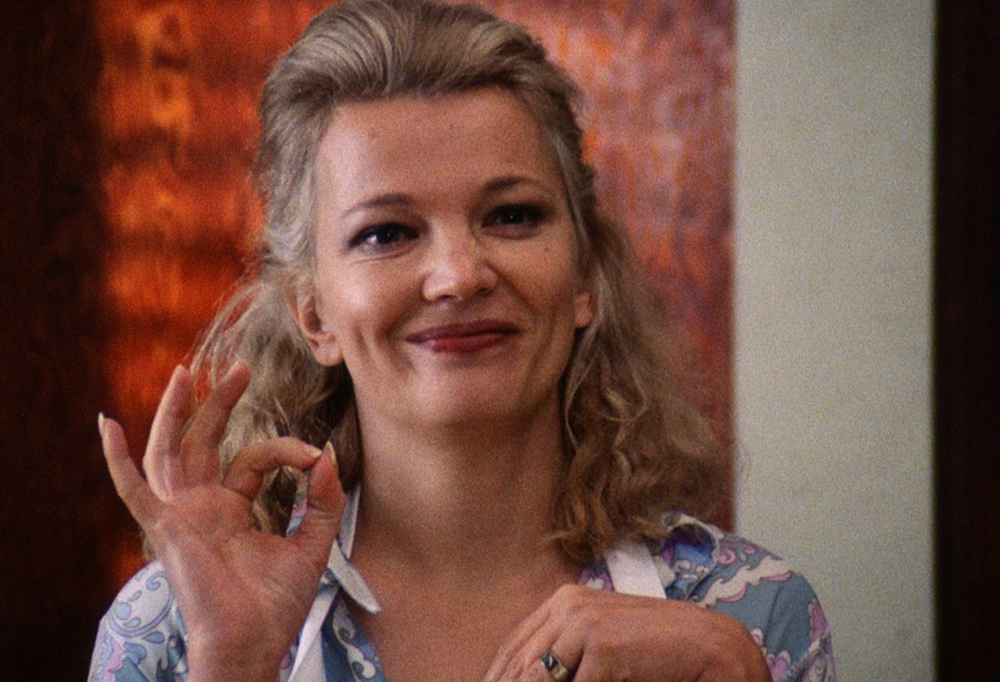
The other scene that’s been volleying around in my head these last few days is when Mabelâs kids invite friends over for a playdate. Mr. Jensen (Mario Gallo) drops his kids off, yet grows weary of Mabel; she seems âstrangeâ to him, so he opts to join them in the backyard. Playing in her head and on the filmâs soundtrack is Tchaikovskyâs “Swan Lake,” and Mabel channels a ballerina, eyes closed, arms extended, floating around and imploring the kids to join her. Come on, kids, she orders her charges âdie for Mr. Jensen,â and the kids collapse to the ground, playing dead. When Nick gets home, heâs confused, alarmed and overworked, so he threatens Mr. Jensen (âIâll kill you!â) and decides thereâs nothing more he can do for his wife.Â
It was Mabelâs final moment of uninterrupted joy, curtailed by the discomfort of others. Rowlandsâ husband John Cassavetes (1929-1989) deserves due credit for bringing a new language to film. Love is war, and no participant emerges unscathed. His gritty visual style and frightening depictions of domestic strife (âFacesâ) and fraught family relationships (âLove Streamsâ) stood out for their unsparing emotional truths, and a common thread throughout his greatest triumphs was Rowlands. She had a long career (mainstream audiences mightâve met her first in âThe Notebookâ), but in her six collaborations with Cassavetes (who wrote, directed, produced and often acted in these films), she took care of these wild, unwieldy characters. She unpacked their eccentricities and breathed life into these wounded, vulnerable wives, gun molls and prostitutes, permitting us to witnessâand acceptâevolving versions of real, unsanitized people up on the screen.Â
Mabel Longhetti: Rowlands’ Lasting Gift
Mabel Longhetti is not merely light or dark, crazy or sane. Who among us isnât a little bit of all that? Mabelâs contradictions are what make her lovable, and Rowlands evocation of this singular woman is what makes âA Womanâ timeless. Itâs bittersweet comfort food, but Iâll never regret spending nearly three hours with Mabel and Nick, who prove that no one is defined by their most extreme behavior, for better or worse. I canât wait to watch it again next year. This isnât a lesson movie, but I continue to learn from Mabel, and Iâll always think of her when I eat spaghetti or hear “Swan Lake.” Gena Rowlands might have passed, but long live the queen: Mabel Longhetti, an everlasting gift to my past, current and future self.Â




