





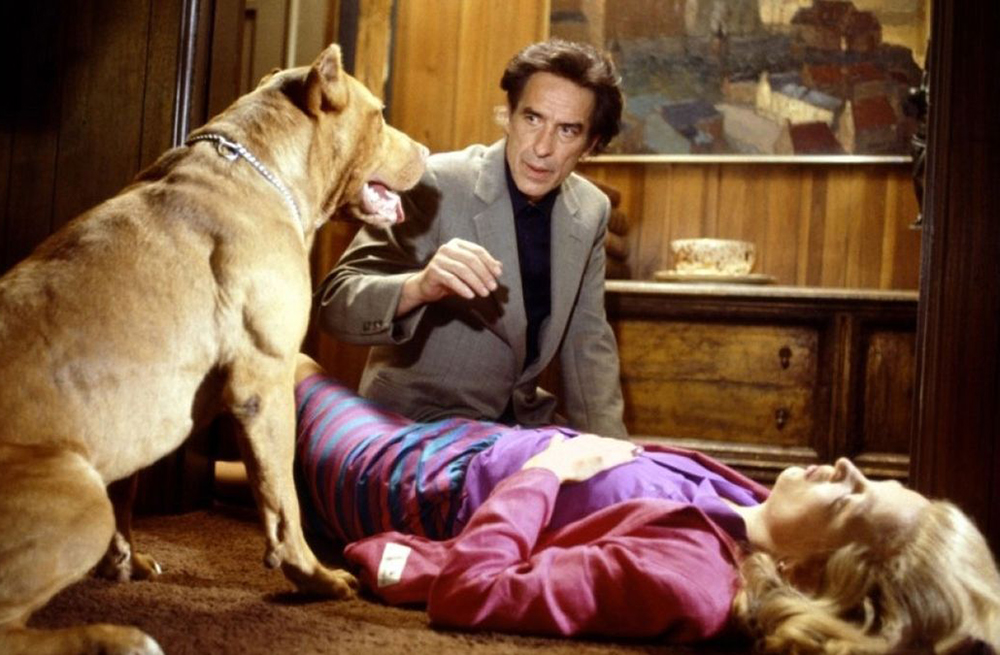
No filmmaker was as instrumental to the development of the American independent film industry as John Cassavetes and “Love Streams” functions as his most ardent declaration of principles. True love in all its forms is the subject matter here, as it was in so many Cassavetesâ films. In “Love Streams,” the level of intimacy is both a privilege to witness and an invasion of privacy into the lives of the characters and artists who portray them. An extraordinary balance of that contradiction â the right amount of emotional investment, then way too much of it â coupled with the stellar performances from its two virtuoso leads elevates this bold and honest film. It turns it into a daring experiment in style and story and possibly, Cassavetesâ finest work.
Though “Love Streams” was the final directorial effort Cassavetes would have creative control over (he died in 1989), it certainly has the energy and improvisational nature of his early work. Sure, there is the usual blend of harsh and unfussy realism, depicting men and women behaving badly to themselves and to others. But this madcap craftsman is also venturing into new territory, with unexpected dream sequences and a bewildering musical number, surrealist flairs that would seem more at home in a Luis Bunuel satire than a Cassavetes family drama. Added emphasis on family here, since the luminous Gena Rowlands stars alongside her husband in dual leading performances that are both punishing and tender, with most of the action taking place inside their actual family home.Â
Cassavetes’ Take on Dysfunctional Family Love
For the first hour, “Love Streams” tracks parallel narratives of Robert Harmon (Cassavetes) and Sarah Lawson (Rowlands), whose relationship to each other isnât even explained immediately when they reunite. Yes, “Love Streams” is a love story about these two people, but, to quote Robert (who responds this way when his son asks if he loves Sarah): not like you mean it! Robert and Sarah are brother and sister, and after Sarah divorces her husband Jack (Seymour Cassel) and loses custody of her daughter Debbie (Risa Blewitt), she ends up at Robertâs home, presumably the only place where she can be loved unconditionally, for who she is. The filmâs tension stems from the fact that none of these characters are easy to love.Â
Well, who is? In life, some people are impossible to handle, and in a Cassavetesâ film, most people engage in self-sabotage while simultaneously trying to find and maintain meaningful connections. Robert is an aging cad who drinks too much and canât handle the companionship of anyone heâs not paying to be there. When his ex-wife visits asking for a favor, he tells her that heâll do it, as long as it involves money. He agrees to watch his 8-year son but ends up getting him drunk and then abandoning him in a Las Vegas hotel room for a night. For most of the filmâs 140 minute run-time, Robertâs face is cut and badly bruised on account of wounds that are only partially self-inflicted. He hardly seems to mind that look, perhaps believing that the pressed tuxedo he wears all day explains more about who he truly is.
Rowlands Injects an A+ Performance into her Character
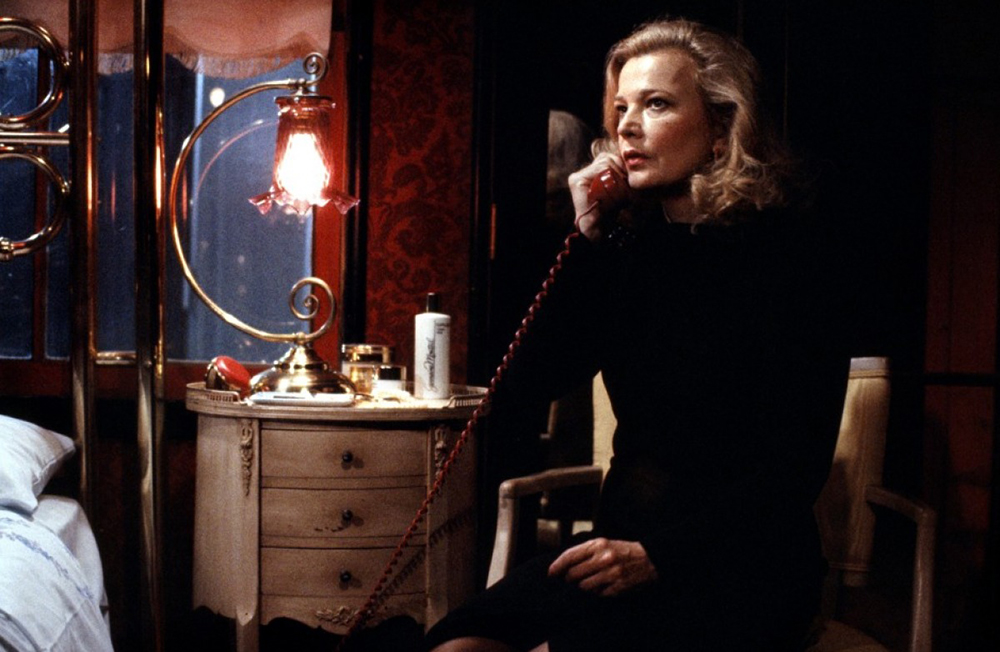
Whereas Robert runs away from those who love him, Sarah pursues love with all of her being. And yet, when she moves in with Robert, itâs unclear who is taking care of whom. Sarah is a hopeless romantic whose idiosyncrasies include fainting spells and visiting strangers in hospitals and funeral homes. Those also happen to be the primary reasons why Debbie prefers to live with her father, news that she delivers to Sarah in a direct manner that the filmâs communication-deficient adults should emulate. Later on, in a dream sequence, Sarah fantasizes about killing Jack and Debbie with her own car in a gruesome accident, summarizing her tormented state of mind. Still, she refuses to give up pursuit, making her case to Jack by telling him, âIâm almost not crazy.â In her mind and in reality, there are people who need her, and cannot live without her.Â
On paper, Sarah might read like an easy target for cheap humor and farce. But Rowlands, one of the greatest screen performers of this or any era, lends her usual doses of passion and empathy to this almost-broken individual, making Sarahâs failures and redemptions palpable and painful. Her heart is always in the right place even if her brain canât keep up. Just ask Jim the Dog (Jumbo), the accompanying horses, chickens, and the rest of the small farm she impulse-purchased and brought home in a cab to keep Robert company.
‘Love Streams’ â its Own Kind of Epic
The years have been kind to the reputations of Cassavetes and Rowlands, with so many of their collaborations now enshrined in the industry canon. The Criterion Collection â a proxy for the international arthouse canon â released a box set titled “John Cassavetes: Five Filmsâ in 2013, including three starring Rowlands (“Faces,” “A Woman Under the Influence,” and “Opening Night”). The next year, a restored “Love Streams” joined the collection, but itâs still not available on any streaming services. I own the Criterion DVD, and jumped at the chance to see “Love Streams” in 35mm print at New Yorkâs IFC Center last week. The print cracked and popped like an old vinyl record, and although there was a brief break in the action due to the condition of the film stock, seeing “Love Streams” on a big screen was a transcendent emotional experience, a cherished opportunity I wonât soon forget.
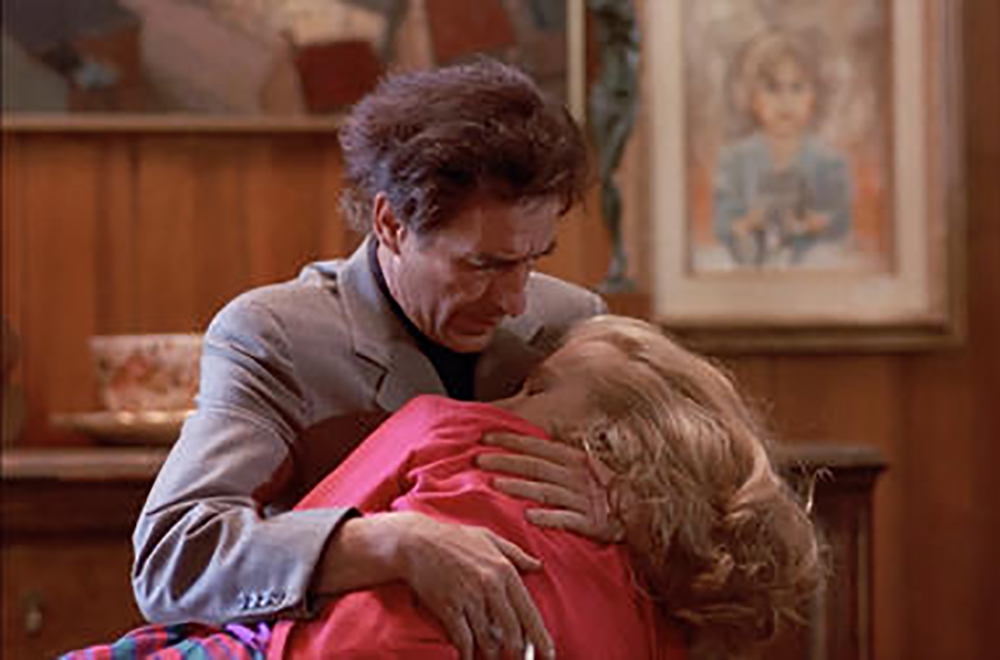
To describe “Love Streams” as an epic might give the wrong impression to those who associate these words with works like “Lawrence of Arabia”, “The Godfather,” or “Game of Thrones.” But, “Love Streams” is an epic achievement, rendering the simplest of plots â brother and sister reunion â in an endlessly complex and frustrating melodrama of manners. Thereâs material here that sticks whether we like it or not, precisely because itâs timeless and uncomfortable. Cassavetes and Rowlands may invite us into their home, but theyâre not always the most enjoyable guests. For two-and-a-half hours, we endure their company, trusting that the end result wonât be so bad, after all.Â
Anti-Escapist Entertainment You Can’t Look Away From
Nothing comes easy in Cassavetesâ world, and even the laughs arenât without a grimace (how will Robert react when Sarah brings the animals home?). This is art as a window and a mirror, exposing the lives of characters weâre forced to care about, while considering the ways in which weâve acted out when trying to hold on to someone we love. If Sarah seems irrational itâs because â as she explains to Robert, her psychiatrist, anyone whoâd listen â she truly believes that love is an eternal, unending stream. No matter how many people reject her, Sarahâs sentiment is unwavering. This film announces its storytelling ambition upfront, going straight for the heart with streams of feel-bad moments and meet-not-so-cutes. Itâs anti-escapist entertainment that you canât look away from, and there are no better guides through this unsettling underworld than Gena and John.Â
“Love Streams” is available on The Criterion Collection. It is currently not available for streaming.
Support the Site:Â Consider becoming a sponsor to unlock exclusive, member-only content and help support The Movie Buff!


