





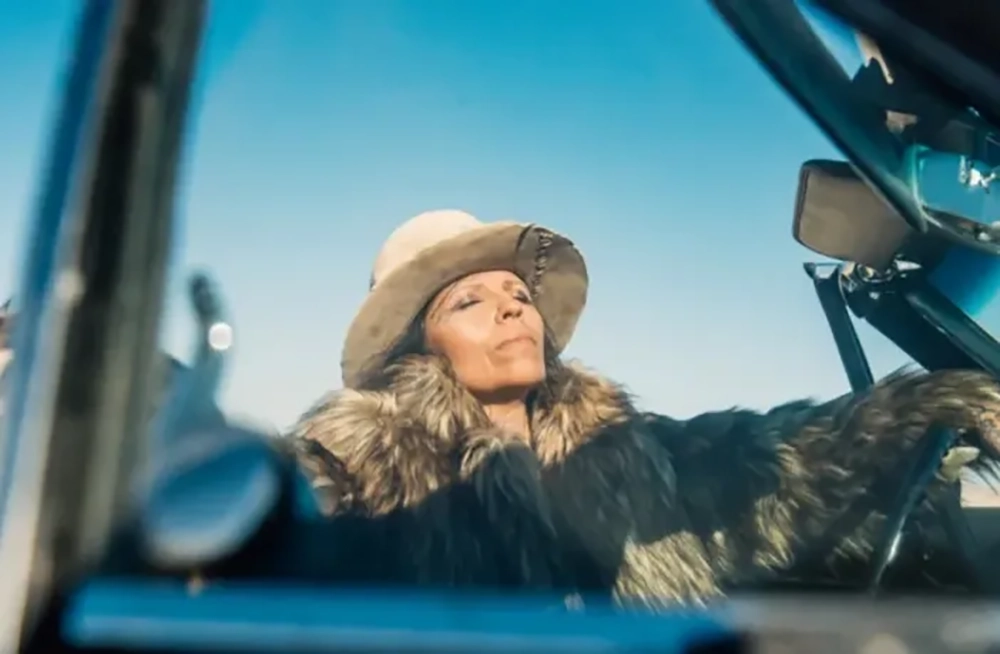
Documentaries about the lives of rock legends usually fall under two main categories: those that are too effusive in their praises for their subjects, and those that paint flawed portraits of tortured geniuses. Don Hardyâs documentary film, âLinda Perry: Let It Die Here,â interestingly falls somewhere in between. While the film isnât a hagiography of its titular character, there are no searing words of criticism toward its subject, either.Â
Instead, Linda Perry does the harsh self-criticism herself.
Through intimate footage, select interviews from people who adore Perry, and animation sequences depicting her darkest memories, âLet It Die Hereâ manages to tell a candid and vulnerable story of a sometimes-misunderstood musical genius. In doing so, Hardy captures the essence of an artist who â after spending decades lending her words to other artists for them to express using their voice â has embarked on a lifelong search of her own.
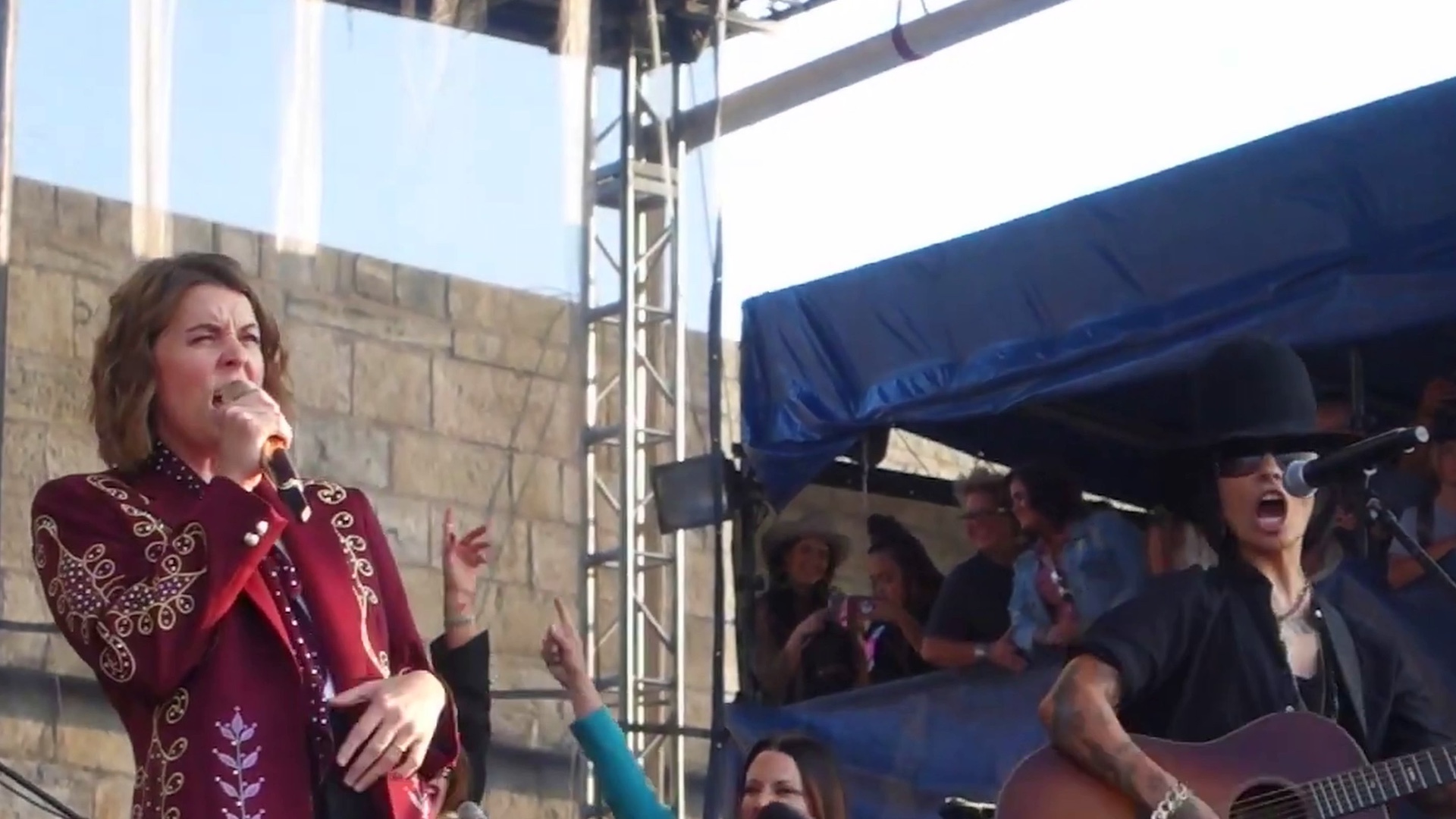
Linda Perry, Up Close
While the name âLinda Perryâ might not ring a bell, perhaps the song âWhat’s Up?â by 4 Non Blondes might help. Fronting that band in the early 1990s, Perry ventured into songwriting and production shortly after the bandâs breakup; ultimately helping shape the sounds of Pink, Christina Aguilera, Alicia Keys, Britney Spears, Adele, Arianna Grande, Celine Dion, Miley Cyrus and many more.
Since then, Perry has written songs for Christina Aguilera (âBeautifulâ), Alicia Keys (âSuperwomanâ), Pink (âGet the Party Startedâ), and Gwen Stefani (âWhat You Waiting Forâ), among others. Aside from her songwriting, Perry has also scored a handful of films, including âLuckiest Girl Alive,â âTo Leslie,â and âCitizen Penn.â
Yet, that kind of success begs the question, âSo why the self-criticism?â Right on cue, the documentary answers this from the get-go. In the film, we get a first glimpse of Perry rehearsing and recording a song. In the process, we see her tinkering with basic chords, while also trying out different ways to sing the verses. Itâs an interesting scene to watch when juxtaposed with the abovementioned songs that she has written and that were sung by other artists. In Hardyâs documentary, Perry is a fish out of water, seemingly awash with consciousness that she might not bring out her own voice that she knows sheâd always had.Â
The documentary also sheds light on Perryâs unconventional upbringing, especially her turbulent and complicated relationship with her mother. Candid stories of parental neglect, alcoholism, mental disorder provide audiences with insights as to why Perry never felt enough. The film thus makes it easy for viewers to correlate the absence of warmth in Perryâs upbringing with her never-ending pursuit for perfection, even as such obsession bleeds into her personal life.Â
âWhat Exactly are We Chasing at the End of the Day?â
The film emphasizes how Perry always blazes her own trail, regardless of the challenges in front of her. âI want to be the best at everything that I do,â she says at one point when reflecting on her workaholic tendencies. âWhat else could I possibly want?â
Interspersed with interviews from collaborators, friends, and family, âLet It Die Hereâ features appearances by a number of close friends and collaborators, including Dolly Parton, Christina Aguilera, Kate Hudson, Sara Gilbert, and Brandi Carlile, the latter of whom declares Perry to be a âqueer icon.â
Even so, the film doesnât interest itself with self-congratulatory platitudes when focusing on Perryâs life and career in retrospect. Instead, Hardy gives Perry the keys and lets her roam free to criticize herself, her family, and her mother; and how her own unhealthy predilection for perfection is a reflection of a genuine yearning to be noticed, be loved, be enough.
One particular scene where she dances to Supertrampâs âTake The Long Way Homeâ and has an emotional breakdown in the middle of it ranks among the tougher watches Iâve had to witness in cinema this year. All this is a very human endeavor, made all the more relatable thanks to Perryâs unapologetic honesty.Â
[Related Review: âResynatorâ: A Personal Story of a Filmmakerâs Search for Her (Synth Pioneer) Father]
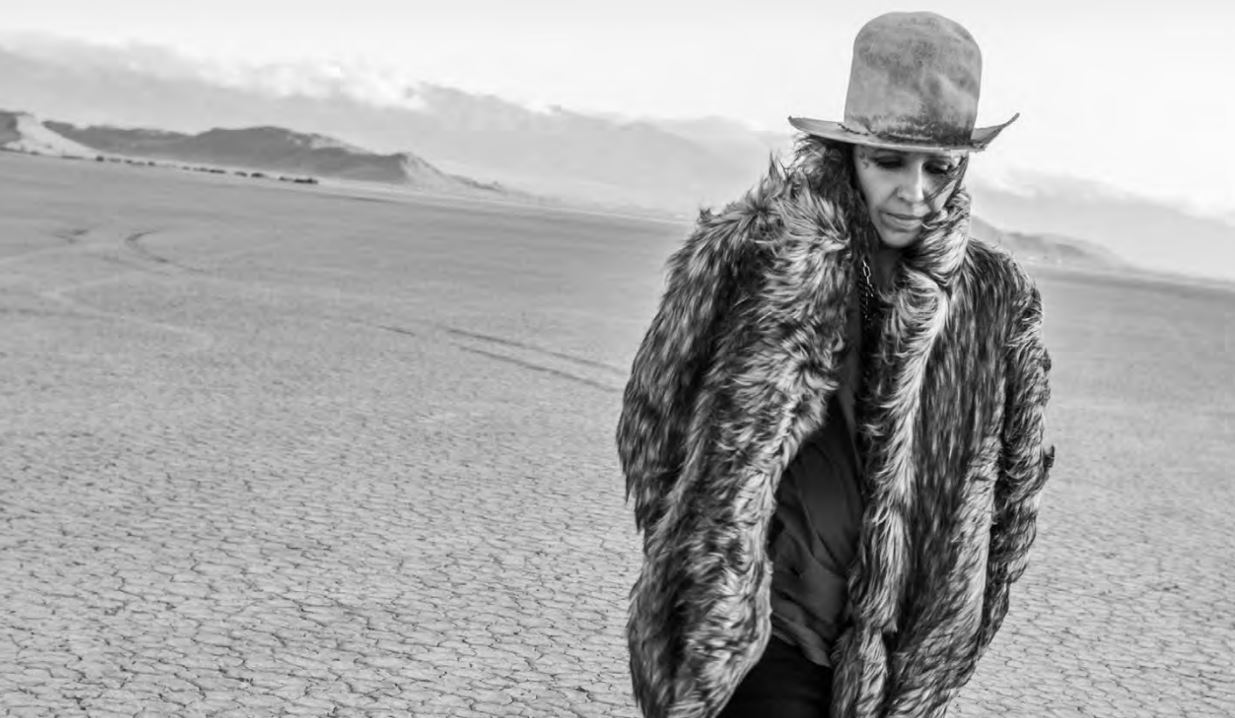
âLet It Die Hereâ: An Honest Portrait of a Strong, Independent Woman
While the story of Lindaâs career and craft is extraordinary, âLet It Die Hereâ looks past the artist and zeroes in on the person. This is an intimate look at a vulnerable and courageous woman as she navigates life-altering personal circumstances while in the middle of gnawing career decisions. Even as she grapples with anxiety, illness, perfectionism, and the resolution she badly needs; Perry finds herself having to face the music: What exactly am I chasing at the end of the day?Â
In his directorâs notes, Don Hardy remarked that he saw a lot of himself in Linda â âthe fears, the desire, the struggles.â I believe he can rest assured that audiences, myself included, saw a part of themselves, too.





