





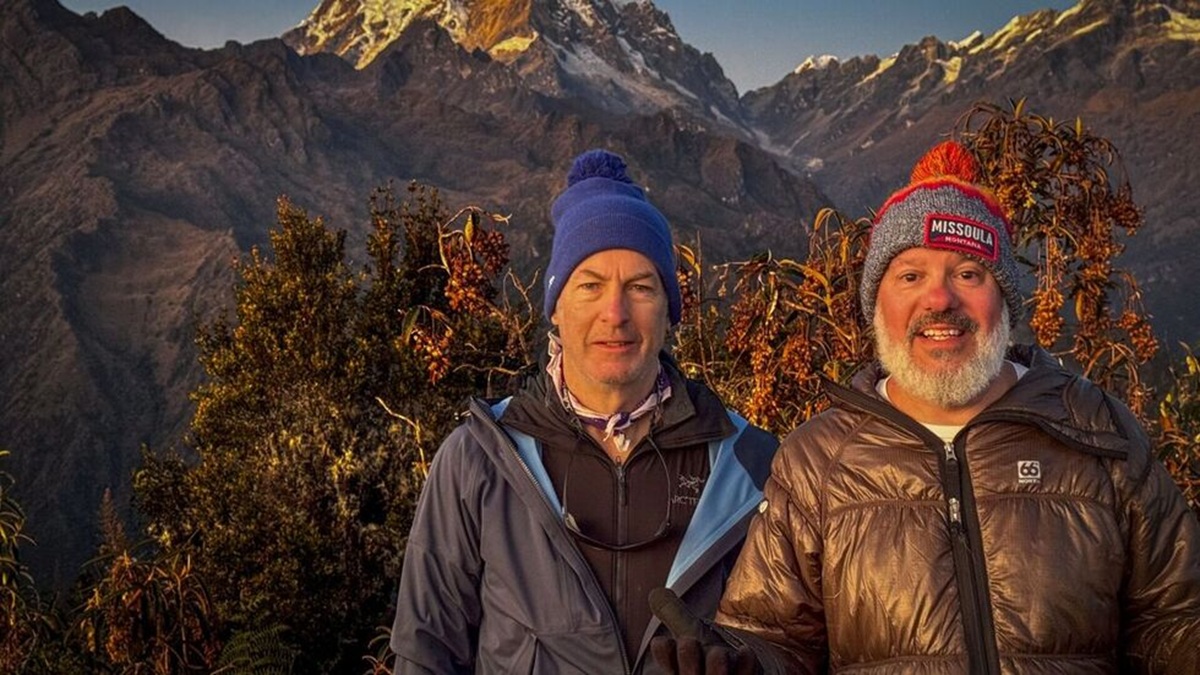
The first thing we see in “Bob and David Climb Machu Picchu” is Bob Odenkirk and David Cross facing each other inside a tent, freezing, exhausted, and quiet in the way only old friends can be quiet. They donât need to say the obvious. Even without a single word spoken, we can see their faces already asking it: what on earth did we get ourselves into?
Thatâs a good way into this tender documentary, because Michael LaHaie‘s film isnât just about two famous comedians going on a difficult hike. The hike actually is the excuse, and a pretty good one at that. What weâre really watching is the kind of friendship that survives time, distance, professional detours, old irritations, and the bodyâs increasingly rude reminders that âgetting olderâ isnât just a phrase people say on birthdays.
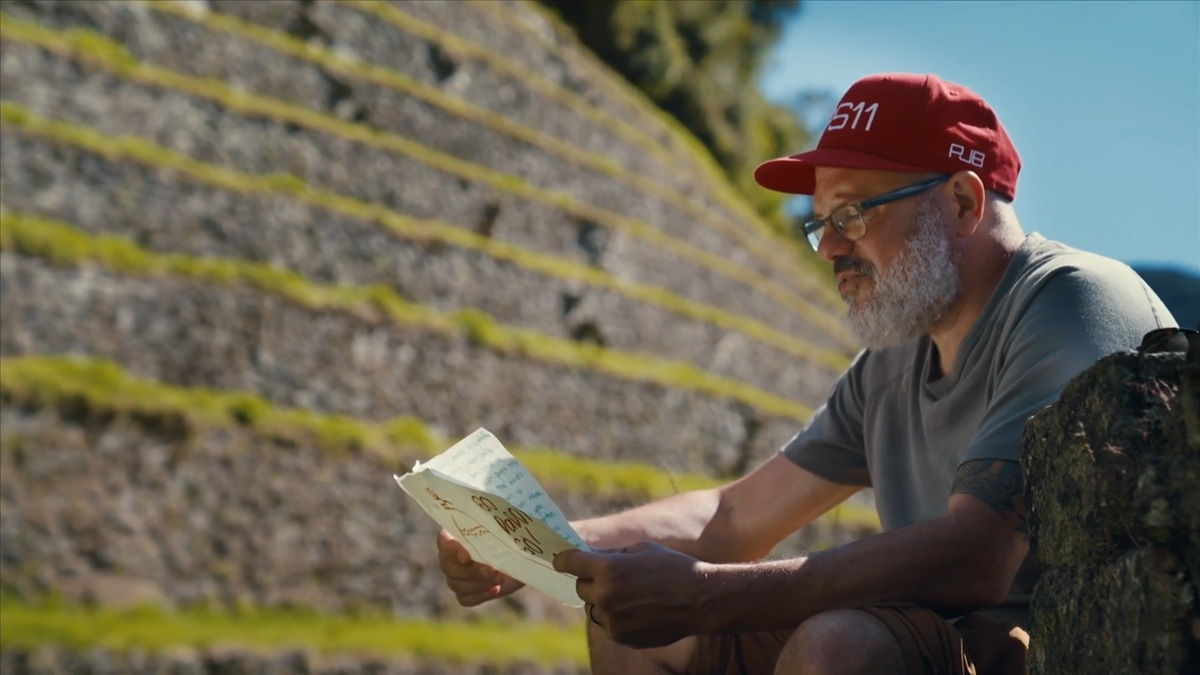
Focus on the Journey, Not the Punchline
The premise is simple. Cross wants to climb Machu Picchu. Odenkirk says yes, partly because heâs game and partly because a recent heart attack has made the bucket list feel less hypothetical. So off they go to Peru, where the Andean scenery is gorgeous, the trail is punishing, and the two men remain funny enough to make shortness of breath sound like a sketch premise.
Thereâs a long tradition of famous people traveling somewhere beautiful, physically exerting themselves, and landing on gentle reflections about life. Some versions have done it better, slicker, or with more formal ambition. Michael Winterbottom‘s “Trip” films (starring Rob Brydon and Steve Coogan) turned meals and impressions into a running autopsy of male ego and middle age. Meanwhile, the Ewan McGregor–Charley Boorman series “Long Way Round” found camaraderie and self-discovery on the road. Even the lesser celebrity travelogues tend to lean on the same basic appeal: put recognizable people somewhere unfamiliar, wait for the guards to drop, and hope that scenery plus discomfort produces something honest.
“Bob and David Climb Machu Picchu” doesnât pretend to reinvent that setup. Itâs too ragged for that, and sometimes too casual. But that looseness is also part of its charm. LaHaie doesnât over-direct the trip into importance. He lets Odenkirk and Cross walk, complain, riff, reminisce, eat, sweat, and occasionally look around long enough to remember theyâre doing something ridiculous and beautiful at the same time.
The comedy isnât always polished, which is probably for the best. Some bits land because theyâre sharply timed; others work because theyâre stupid in the way a joke between friends is allowed to be stupid. A scene in which they sit at a small table in a Peruvian town square and wait to be recognized is funny not only because of the awkwardness, but because it gently punctures their celebrity. When recognition comes, it mostly belongs to Odenkirkâs “Breaking Bad” and “Better Call Saul” fame, which Cross absorbs with the wounded dignity of a man whoâs spent decades being very funny and still has to watch his friend get all the Saul Goodman heat.
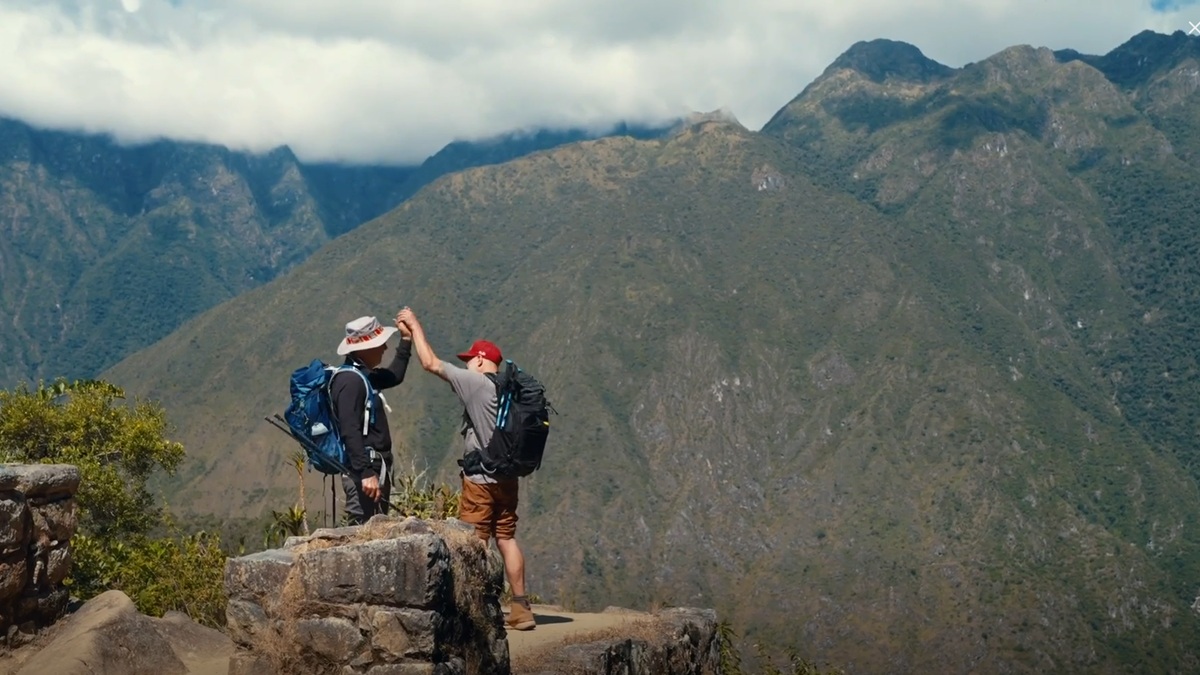
Old Friends and Older Knees
I have a tightly knit group of male friends who, for reasons both sentimental and mildly embarrassing, call ourselves The Roadtrippers. Every so often, we get together for dinner, a short drive, orâjust recentlyâa trip over a thousand miles away from home to feel like a small act of devotion. Nobody says it that way, of course. Men rarely do. We just show up every time, eat too much, talk nonsense, geek about random things, and pretend the friendship maintains itself. Watching Bob and David wheeze their way through a bucket-list hike, I kept thinking about that unspoken vow.
Keep going. Keep checking in. And keep making memories before the body starts filing formal complaints.
Thatâs why the film becomes more affecting than its goofy surface suggests. Odenkirk and Cross arenât selling us a grand thesis about male friendship; theyâre simply showing one. Their bond has the friction of people who know each other too well and the ease of people who donât have to explain the rhythm anymore. They can insult each other, admire each other, poke at old career disappointments, then pivot into absurdity before anything gets too damp with feeling.
That tenderness hit home with me because I know, in my own way, what it means to keep choosing the same friends across time.
More Tribeca Coverage: âThat Friendâ is a Chaotic Buddy Comedy About the Friend You Canât Quite Outgrow
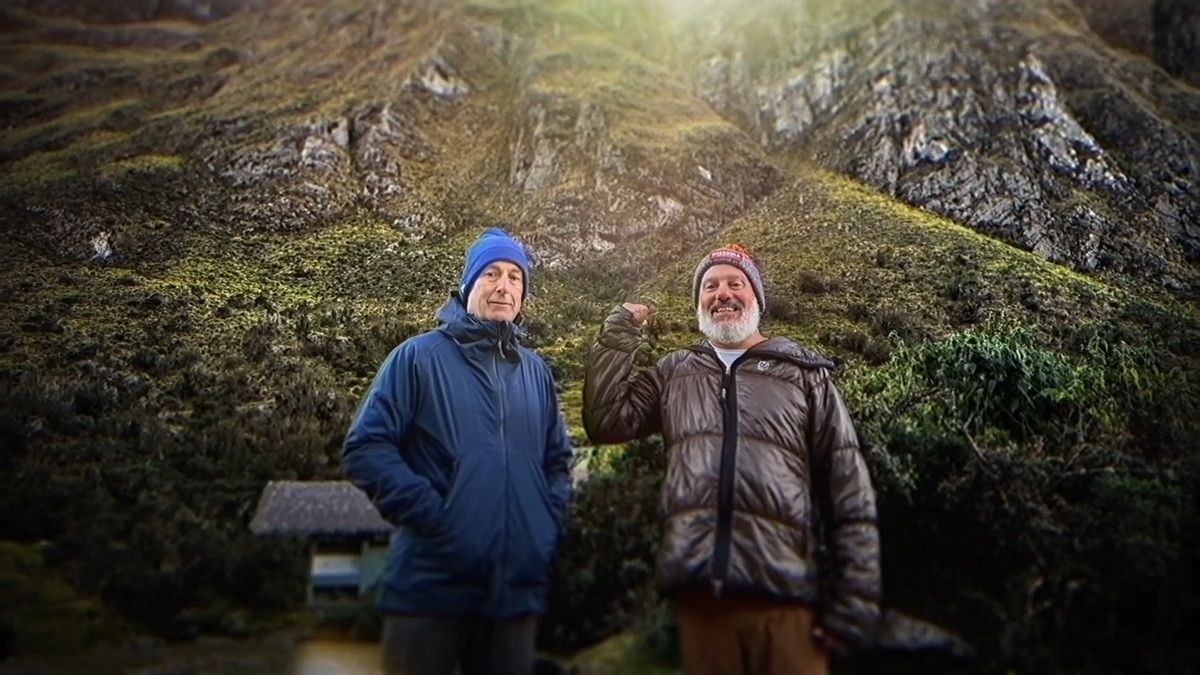
âBob and David Climb Machu Picchuâ, and the Joke Between the Breaths
The film works best when comedy opens into reflection without announcing the shift. Odenkirkâs heart attack isnât treated as the dramatic centerpiece, but itâs always somewhere nearby, especially when the climb starts to feel less like a lark and more like a dare issued to mortality. Cross comes across as both instigator and witness: the friend who proposed the insane thing and now has to keep walking beside the man who agreed to it.
LaHaie keeps the film moving at an amiable pace, and the editing understands that the best travel moments arenât always the scenic payoffs. Theyâre the half-formed jokes, the bad meals, the language gaps, the tired silences, and the private laughter that would sound idiotic if explained to anyone else. Yo La Tengoâs music adds to that easygoing mood without trying to turn the hike into a spiritual awakening with better footwear. That both Odenkirk and Cross starred in the bandâs music video for the 1997 song âSugarcubeâ is extra nostalgic.Â
Michael LaHaieâs funny, ragged, unexpectedly tender documentary follows Bob Odenkirk and David Cross up a mountain and into a reflection on friendship, mortality, and staying in sync.
The documentary, of course, has limits. Itâs slim, and some of the career material plays more like an affectionate scrapbook than a deeper reckoning. Fans of “Mr. Show” may want more, while newcomers may only get a partial sense of why this partnership mattered so much to a particular corner of American comedy. A few stretches also have the relaxed shapelessness of a vacation video, though admittedly one starring two extremely funny men with better cameras and worse altitude tolerance.
But I didnât mind the looseness much, because the pleasure is in the company. Odenkirk and Cross are still magnificently in sync, even when theyâre wheezing, bickering, or making the kind of joke that exists mainly because the other person is there to receive it. “Bob and David Climb Machu Picchu” is simple, funny, occasionally moving, and blessedly unpretentious. It understands that some friendships donât need a dramatic breakthrough. Sometimes they just need a trail, a tent, a stupid bit that runs too long, and enough breath left to laugh before the next climb.


Michael LaHaieâs “Bob and David Climb Machu Picchu” had its world premiere at this year’s Tribeca Festival in the Spotlight Documentary category. The festival took place on June 3-14, 2026. Follow us for more coverage.




1 Comment
Pingback: 'Forgotten Island' (2026) Review | The Movie Buff