





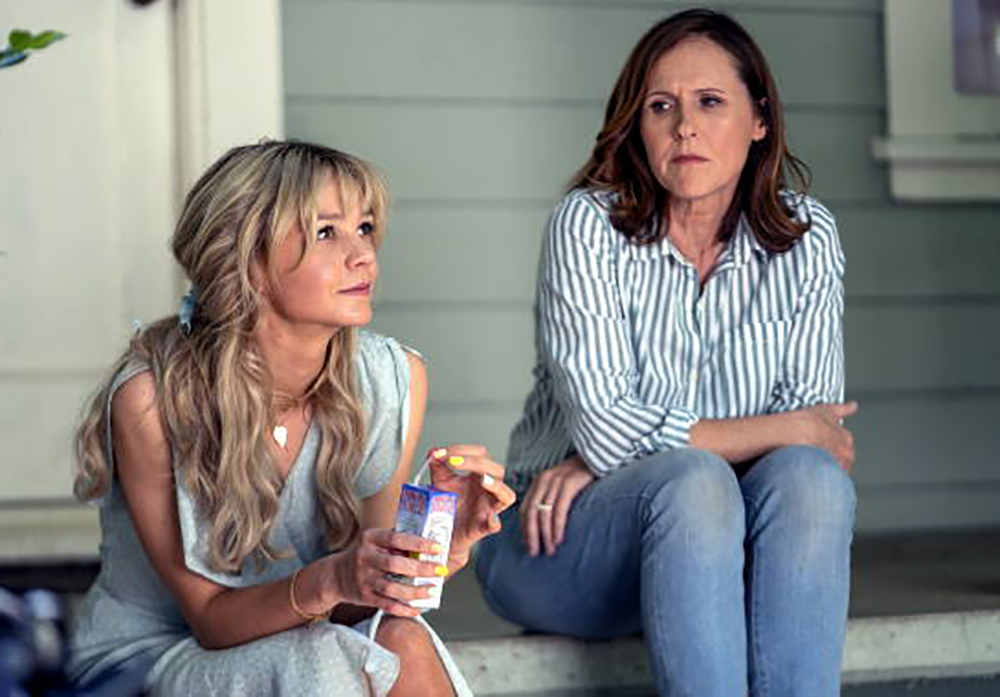
Already garnering Critics Choice and Golden Globe nominations, âSaltburnâ is being heralded for its edginess and artistic reach. And maybe thatâs what was needed after 2020, when Director and Writer Emerald Fennell released âPromising Young Woman.â That film, including both artistry and exuberance, also had a core that, once exposed, hurt like cuts to the bone. This is a compliment. Fennell, with a doleful and near-perfect performance by Carey Mulligan, set out to make a film that laid bare its emotions, allowing audiences to feel its protagonist’s pain and trauma. That itâs billed and heralded as a revenge film doesnât do it justice. Itâs a film that stays with you long after the credits end, a testament to its craftsmanship and raw power.Â
Iâm writing this article as a cis, white male. Iâm not editorializing, but feel it is necessary to set the stage. Because different people might likely have different reactions to this movie. Some may feel it all too deeply and familiarly, while it may be foreign to others. Itâs an examination of sexual abuse and toxic masculinity and is overtly feminist. But that is pigeonholing the film. Itâs also extremely human, a sad fact I feel it necessary to mention. The filmâs protagonist, Cassandra (Mulligan) has the cockiness and confidence all traumatized persons must carry. However, Fennellâs winning argument is that this hardness is a symptom of a broken woman, not one flourishing in revenge or blood-lust, such as The Bride in Tarantinoâs excellent âKill Bill.âÂ
Feeling a movie’s totality
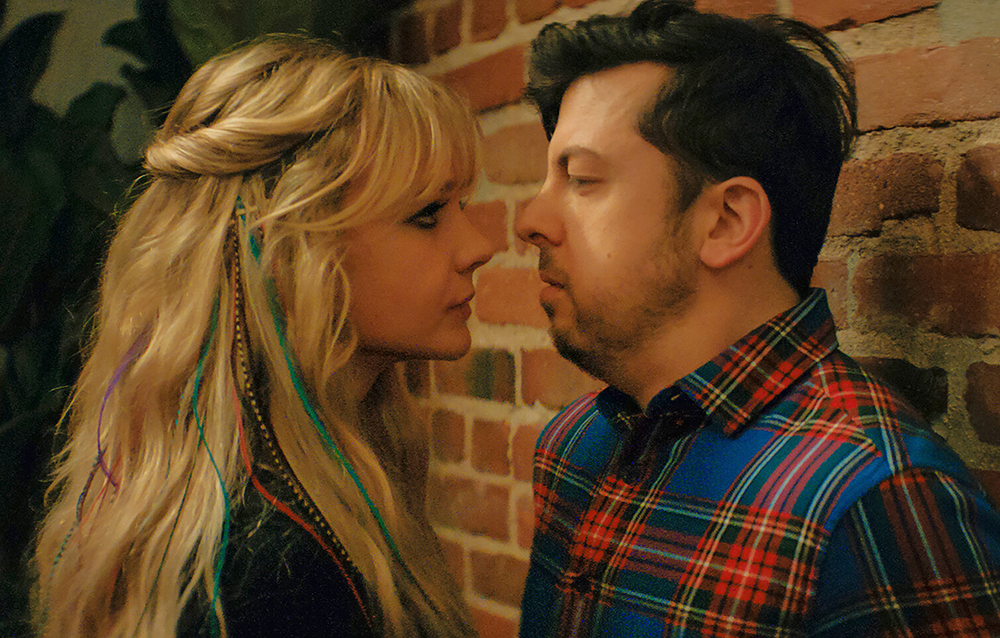
What makes âPromising Young Woman” great is that while its protagonistâs aim is clear, its emotions are less so. In the aforementioned âKill Billâ thereâs a degree of satisfaction about watching its antihero dispatch bloody justice (after all, her victims are killersâlike herselfâthat have it coming). But Fennell and Mulligan donât present a straight-up revenge tale in âPYWâ It contains tough emotions. Thereâs always an ickiness when laying bare bad human behavior. This is especially true of a film like this, which seeks to take down patriarchy and toxic rape culture by getting its perpetrators to realize they are doing it. And when multiple characters who had just tried to take advantage of a pretend-drunk Cassandra profess, âbut Iâm a nice guy,â one has to wonder if they in fact believe this. Christopher Mitnz-Plasseâs Neil glimpses the horror of it when he gasps, âare you saying Iâm a predator?â with complete incredulity. He doesnât beat women, or use demeaning stereotypes. Is this what makes him nice? Itâs these icky irrationalities that Fennell allows usârather makes usâfeel, to her benefit.Â
But thereâs more to Fennellâs narrative than this. Thereâs a legion of other enablers, some of them women, who disbelieveâor disregardâwomen who say they’ve been raped. There are obviously multifaceted reasons for this, and Fennell is eager to explore them all. Thereâs the medical school dean (Connie Britton) who âdoesnât want to ruin every young manâs life who has an accusation.â And thereâs Madison (Allie Brie), who âwasnât the only oneâ who didnât believe Cassandraâs friend Nina after her sexual assault. Nina was drunk, you see. And she was promiscuous. Maybe she didnât fully remember the events that happened. Do men who drink a lot have memory problems? Are men who sleep around âpromiscuous?â These are the unsettling questions âPYWâ makes us uncomfortably ask.Â
Messaging that hits the mark
However thereâs more. And the way Fennell sets up a potentially healing relationshipâbefore she torpedoes itâwith a doctor, Ryan (Bo Burnham), who always liked Cassandra in medical school before she dropped outâmakes the filmâs events stick with you. At this point weâve seen how nice Ryan can be to her. And weâve seen the way âPYWâ sweetly scores a trip to the pharmacy between the two with Paris Hiltonâs infectious âStars Are Blindâ that mirrors her burgeoning feelings towards him (âIf you show me real love, baby, Iâll show you mine.) Yet when he invites her up, innocently, she starts to act like sheâs on those faux-drunken assault dates again. She quickly retracts, walking away before kicking a garbage can over, furious at herself for blowing this real opportunity. Ryan cares for her. But later, when his veil drops, it might be our heart that breaks harder than Cassandraâs, because we should have seen it coming, but didnât.Â
While Fennell is often a bit too forward in her messaging, what stings most about âPYWâ is that she really isnât off the mark. Compare the toxicity of this filmâs males to the toxicity on innumerable social media threads when a woman or member of the LGBTQ community is the subject of discussion rather than a man. The movieâs hostilities towards women seem over-the-top. But theyâre really not. And I think that is the saddest part of this movie. When Cassandra kicks that trash can I wanted her to be all right; but maybe itâs too late. And a question Iâve been asking myself thinking about this film today was: is there really a Nina? Weâre told she died after dropping out of medical school. Iâm assuming she took her own life. But maybe this really happened to Cassandra and itâs her who diedâin every way that mattersâthose seven years ago. The film is ripe for analysis.Â
Falling in love with Fennell’s laid-bare approach

Fennellâs picture is obviously a big ask. It asks you to walk in Cassandraâs (womenâs) shoes, and to question things we may have taken for granted. It had this affect on me. Like 2022âs âShe Said,â it has moments that crawl under your skin and make you question your worldview. And while âPYWâ is heralded for its archetypal revenge stylings and cinematography (which it deserves), its true clincher is that through Cassandra’s eyes and beneath her armor, you feel what destroyed innocence really feels like. Many things happen to Cassandra along the way (and if you havenât seen the film, I won’t spoil the ending, which causes mixed feelings), but no oneâsave Ryan, whoâs real crime was apathyâasks if sheâs okay. âPYWâsâ villains gaslight, blame, and begâbut itâs all for themselves. No one ever apologizes, and maybe they canât. Itâs easier to sweep toxic behavior under the rugâand double down on defensesâthan to change an identity or a culture. Even more so when everyone around you is telling you these things donât happen or worseâto just get over them.Â
âPromising Young Womanâ is a great film. Its title says it all. And while I donât feel âSaltburnâ will have the emotional impact and takeaways of this film, Fennell is one to watch out for. Stripped-down films hit harder than those dependent on artistry. And thereâs no more stripped-down narrative I can think of in the last few years than Fennellâs first, biting takedown of trauma and all the things that enable it.Â




