





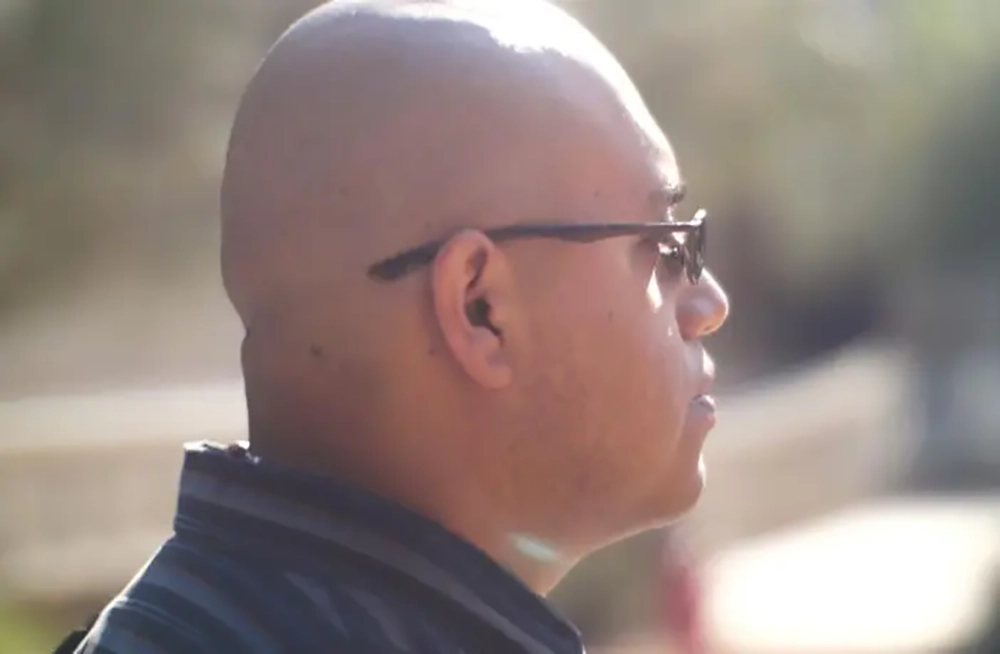
Thereâs a raw, naked honesty in Set Hernandezâs documentary film âunseenâ that makes me appreciate the approaches they undertook in filmmaking. Following his subject with his camera as a one-person filmmaking team, Hernandez tells an aesthetically out-of-focus portrait of an undocumented immigrant who is legally blindâwho possesses an indomitable spirit to overcome all the challenges life hurled his way.
In the process, âunseenâ becomes more than just an examination of the intersection of immigration and disabilities affecting a person. Instead, it also serves as a celebration of oneâs courage-filled life, in spite of them.
Dreams of a Better Future, as Seen through a [Visually Impaired] Lens
Most people dream of a better future. Pedro, the protagonist of this documentary film, is no different. But as a blind, undocumented immigrant, Pedro faces political restrictions to obtain his college degree, secure a job as a social worker, and support his family. And while âunseenâ covers his eventual graduation, uncertainty nonetheless looms over Pedro. Obviously, this primarily involves the legal ramifications of his status, as well as his own mental health.
Hernandez reveals that he met Pedro when the latter was part of a program for undocumented young adults that the director helped to run. Since then, Hernandez had always wanted to film with Pedro, largely because he believed that the immigrant rights movement he was part of hadnât exerted enough efforts to uplift the stories of disabled undocumented immigrants like Pedro.Â
What I find uplifting about Pedro as a person is the balance that he strikes between vulnerability and courage. During a random conversation with a stranger regarding his blindness, we learn that he lost his sight during his teenage years, and that heâs accompanied by his service dog named Tyler who acts as Pedroâs guide. Despite it all, he expresses acquiescence and gratitude in the same breath:
âIt is what it isâ¦I feel blessed anyway.â
As Hernandez spends countless hours filming Pedro, what starts as a journey to examine his protagonistâs situation eventually leaves a lasting impact on the filmmaker himself. As âunseenâ delves into Pedroâs path toward his own healing, the film also doubles as Hernandezâs own journey toward vanquishing his personal demons along the way.Â
Employing Specific Aesthetics to Simulate Things, Including the Unseen
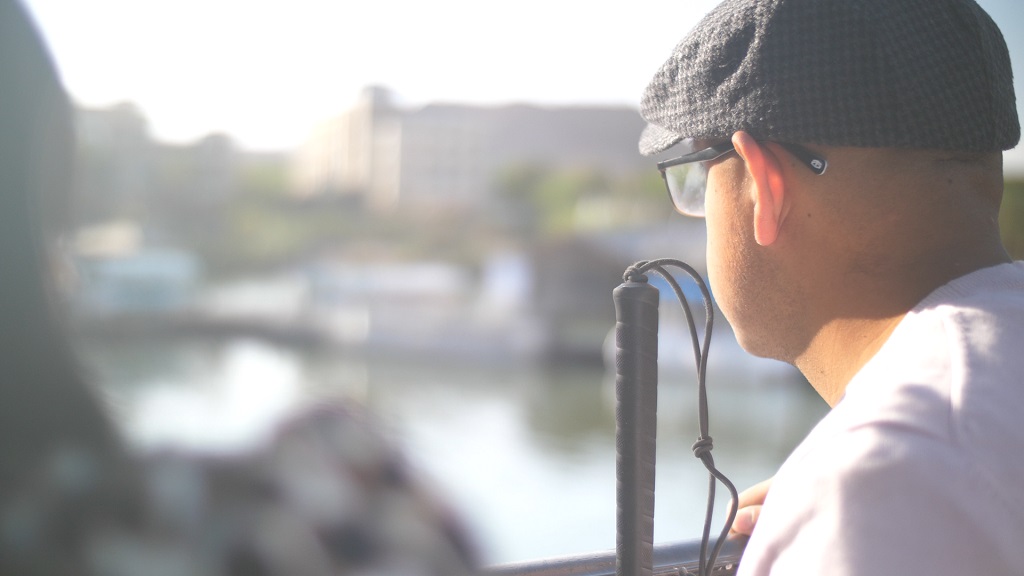
From the get-go, the filmmakers decided to shoot âunseenâ as if Pedro himself is watching it. As such, the documentary was largely shot with deliberately blurry cinematography, which gives sighted audiences a hazy and unsettling viewing experience. In a way, viewers themselves share the experience of visual impairment, inviting them to keep up with the story through active listening.
At times, Hernandez also adjusts the focus for better visibility, juxtaposing the differences between both his perspective and that of Pedro. This approach reminds me a lot of the Finnish film âThe Blind Man Who Did Not Want to See Titanic,â which tells the story of a blind man paralyzed from the waist down wishing to give romance a shot.
Having that said, âunseenâ employs this experimental cinematography and sound while exploring the intersections of immigration, disability, and mental health. Hernandez depicts the inherent notion such immigrants have: that they have to earn their right to become citizens of the country they call home.
And with Pedro, the intersectionality of this notion with disability has placed a lot of stress and anxiety. This battle is representative of the larger obstacles that numerous undocumented immigrants must overcome in order to pursue higher education or a successful career.
A compelling portrait of a resilient individual pursuing a better life despite his situation, âunseenâ aims to transcend sociopolitics with its narrative and instead focus on the humanity of its subject. And in more ways than one, the film pulls it off.





