





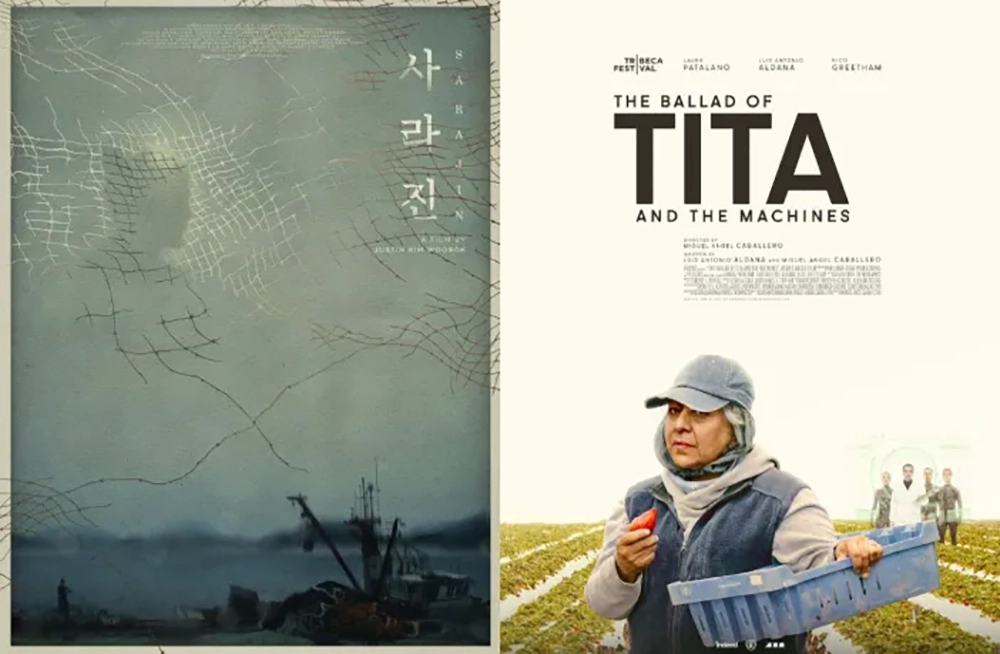
Indeedâs belief in the universality of talent given the paucity of equal opportunities served as the reason behind the creation of the ‘Rising Voices’ program. Created in collaboration with Lena Waithe, Hillman Grad Productions, Ventureland, and 271 Films, the program aims to discover, invest in, and share stories created by Black, Indigenous, and People of Color (BIPOC) filmmakers and storytellers. At this yearâs Toronto International Film Festival, ‘Rising Voices’ premiered four short films: âMy Nights Glow Yellow,â âLast Days of the Lab,â âSarajin,â and âThe Ballad of Tita and the Machine.â All these short films revolve around the idea that jobs have the power to change us all.
Hereâs what we thought of the two shorts, âSarajinâ and âThe Ballad of Tita and the Machines.â
âSarajinâ: Despite Climate Change, the Pursuit of the American Dream Keeps On
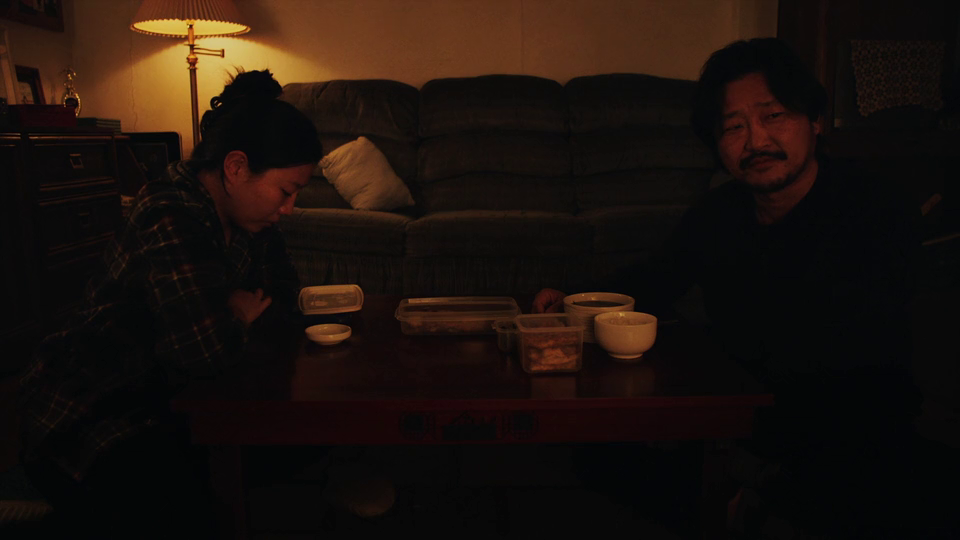
âSarajinâ (Korean: “ì¬ë¼ì§,” lit., âdisappearing”) follows an immigrant fishing family who reside in Alaska. In this short film co-written and directed by Justin Kim WooSÅk, snow crabs have disappeared; and since their livelihood depends on the crabs, the patriarch DongSu has spent the past five weeks trying to catch snow crabs, to no avail.Â
With their livelihood at stake, DongSuâs wife JaeJeong gives him an ultimatum: stay and keep on waiting for the crabs to return, or leave and live with JaeJeongâs sister who resides in Atlanta. Their differing takes on how the family should stay together are summed up thus:
âHow much longer are you asking us to wait here?â
âJaeJeong, the ocean will never fail us.â
Basing the film on his personal experiences as a first-generation Korean American immigrant; WooSÅkâs exploration of the themes of displacement, as well as humansâ ever-changing relationship with the natural world, permeates throughout this film. And given how science has proven that the loss of sea ice harms snow crabs, âSarajinâ highlights the relentless pressure of climate change.Â
This, more importantly, touches upon the challenges in the immigrant experience, and how it makes their pursuit of the American Dream doubly hard. Nonetheless, such experiences only hone oneâs resilience to keep on, climate change be damned.


âThe Ballad of Tita and the Machinesâ: A Defiant Middle Finger to Automation
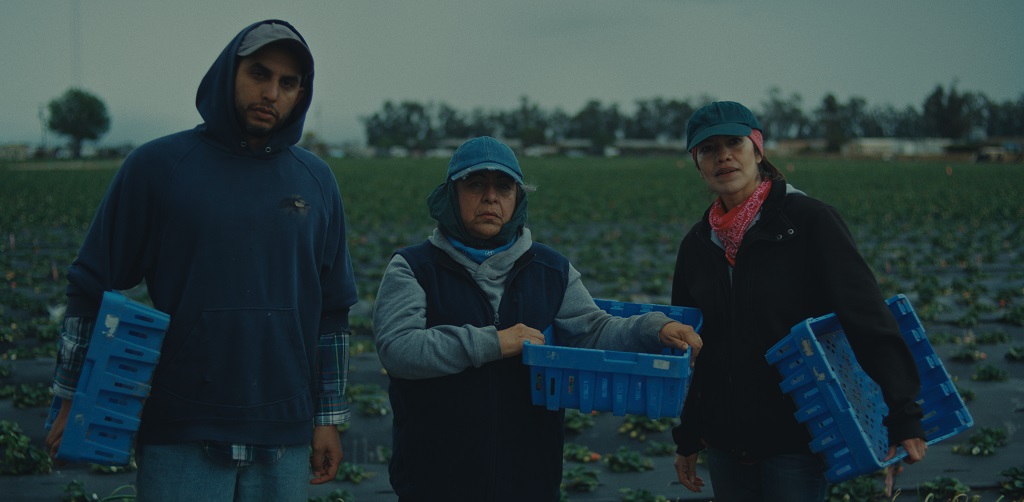
In Miguel Angel Caballeroâs âThe Ballad of Tita and the Machines,â we see Tita (Laura Patalano), an elderly strawberry picker in a farm in near-future California. Every day, all immigrant workers must submit to health screening, courtesy of a robotic technology that assesses each workerâs efficiency at work.Â
Tita fails this screening one day, prompting her to reluctantly hire an AI humanoid to substitute for her â in exchange for 60% of her salary. For some reason, however, all the AI workers provided to her all malfunction in their own ways. This attracts the curiosity of the creators of AI technology, who tell Tita that it marked the first time the company deployed AI substitutes for field work.
Incisive Commentary and Humor
Born to Mexican immigrant farm workers, Writer/Director Miguel Angel Caballero clearly had considerable inspiration for this short film. And told from an LGBTQ perspective, the film portrays the inevitability of mortality amid the rise of artificial intelligence and the looming threat of automation. However, for all intents and purposes, the thing that stands out in âThe Ballad of Tita and the Machinesâ is that itâs really funny. A particular scene involving a conversation among migrant workers shows the importance of skilled labor entrusted to humans instead of AI workers. I mean, imagine a humanoid with melting eyes while cleaning the house due to the chemical reaction from the bleach it used. Or a seamstress AI that keeps on stabbing themselves with the needle.
When the proverbial smoke clears, âThe Ballad of Tita and the Machinesâ manages to balance incisive commentary and humor, all the while stubbornly raising its middle finger to automation.





