





(Warning: contains major âHalloween Endsâ spoilers) Having your expectations subverted can be a hard pill to swallow. This is especially true of genre filmsâand their fansâwho carry with them tremendous expectations. You need to look no further than the âStar Warsâ franchise and its obnoxious and even racist treatment of cast members such as Kelly Marie Tran and John Boyega for not fitting into âfansââ ideas of what constitutes a successful franchise sequel. The same thing happened with the dislike of Samuel Bayerâs âA Nightmare On Elm Streetâ reboot, which I wrote about; and which I feel, to this day, has to do with little else besides the fact that the film doesnât star Robert Englund (who stated he doesnât want to play Freddy anymore anyway).Â
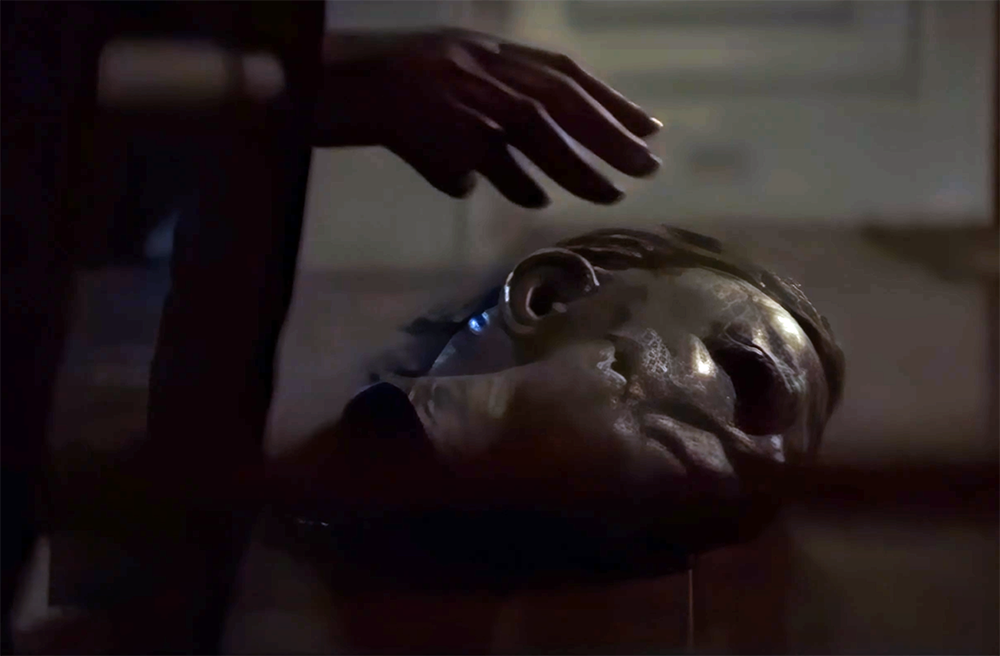
So honestly, itâs no surprise that many âHalloweenâ fans hate âHalloween Ends:â it barely features Michael Myers. This is simple truthâheâs barely in it. The role is reprised by actor James Jude Courtney, inside the mask, for the 10 minutes of screen time he gets (mostly inside a drainage pipe, sometimes as he *accompanies* Corey Cunningham (a good Rohan Campbell)âthis filmâs reluctant antagonistâon kills. His scant screen time is purposive (remember, the most successful movie about a shark, âJaws,” barely showed said shark). However, itâs certainly understandable why this decision annoys cinema goersâit requires a deeper analysis. And maybe thatâs something Myers lovers looking for a straightforward slasher donât really want to do.Â
Is ‘Halloween Ends’ Really that Bad?
But, with what âHalloweenâ fans have previously been through, their outrage does seem a touch excessive. Also excessive seems the critic reception of 40% on Rotten Tomatoes, which is even more bizarre. This criticism makes sense if you look at what the franchiseâs fansâmyself included; âHalloweenâ is my favorite horror film and my second favorite slasher franchiseâhave been through. Letâs take a look: the awful âThornâ storyline; Michael is Laurieâs brother in âHalloween IIâ (goodbye random horror); Michaelâs evil imprinted on Jamieâs baby in âPart 6â (not to mention that filmâs bizarre ending, where Micheal *kills?* Loomis and simply vanishes, only to reappear in âResurrection,â which audiences and critics hated). And rounding this off, we have the bizarreness of Rob Zombieâs âHalloween 2â and the strange white horse storylineâand a Dr. Loomis that has confusingly turned into a capitalist profiteer. Â
But somehow, reading over dozens of commentsâmany now saying that âHalloween Endsâ is worse than all of that, even the Rob Zombie films (which I kind of like)âitâs bizarre. But why itâs bizarre, and why I feel âHalloween Endsâ needs a proper defense is because all of those movies, even the one-off but great âHalloween H20,ââin all their plots, themes, and callbacksâthey never considered, in any kind of serious cinematic treatment, the town of Haddonfield itself, and the impact Myers has had not just on the town, but on the people. Dr. Loomis tried in the often-laughed at âHalloween 4â when he urged Michael to âleave those people alone;â but it felt like an afterthought. The film quickly resumed to Michael stalking teenagers, with little thoughtâoutside Haddonfieldâs first mobâof any kind of effect on the town itself.Â
David Gordon Greenâthe Crafter of Small Town Perfection
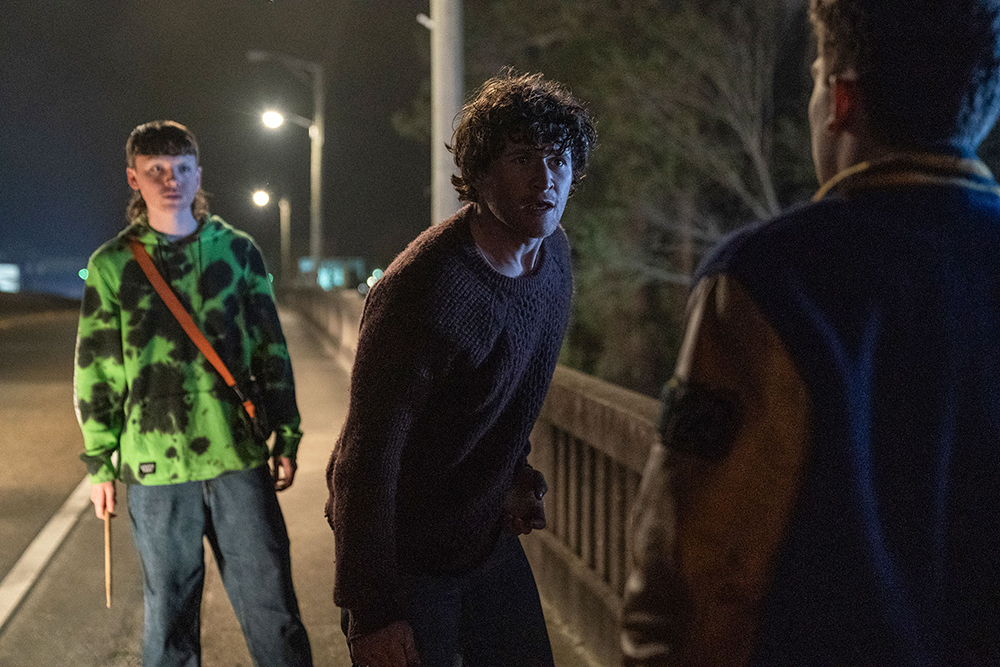
However, this is clearly a theme David Gordon Green wished to explore. Green loves small towns; this isnât news, or even a new development in his âHalloweenâ franchise. He has already explored it in âHalloweenâ (2018) and âHalloween Kills.â But looking back further at Greenâs filmography (âGeorge Washington,â 2000, âAll the Real Girls,â 2003, and âJoe,â 2013) it becomes clear that Green loves to explore small towns, its characters, and their attempts to overcome circumstance and stagnation. Of âAll the Real Girls,â late film critic Roger Ebert wrote, âThe thing about real love is, if you lose it, you can also lose your ability to believe in it, and that hurts even more. Especially in a [small] town where real love may be the only world-class thing that ever happens.âÂ
Ebert understood what Green understood; small towns are filled with people who dream big, but live simply. Their hearts and emotions are big even if their lives arenât. They deserve every bit as much cinematic representation as movie stars and New York City urbanites. In fact, Green even went so far as to cast complete non-actors (once, even a homeless person) in his films, to layer them with small-town authenticity. His work clearly inspired both Derek Cianfrance (âThe Place Beyond the Pinesâ) and Scott Cooper (âOut of the Furnaceâ).Â
Also Read:Â Feature Article: âHalloweenâ (1978) at 40+; a Musing on the Horror Classic that Still Hits Home
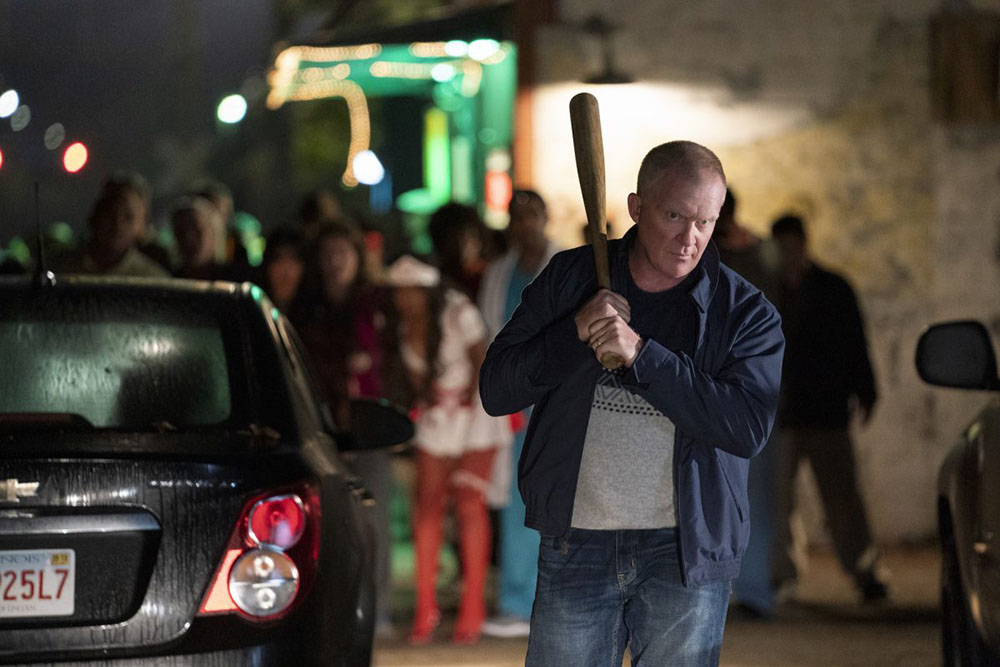
And then in 2021, in âHalloween Kills,â Green dropped this idea that Haddonfield is angry, Haddonfield is hurting. Its mobâs violent uprising against Myers spoke to this. It also spoke to the necessity and irrationality of these moments. The mob is blinded by their hatred of Myersâso much so that an innocent mental patient (Ross Bacon) kills himself rather than be killed by them when they think heâs Myers. âEvil dies tonight!â is their chant. The town of Haddonfield, for the first time, is starting to see the effect Myers has had on them. Itâs not just Laurieâs problemâas Myers had always been only his victims’ problem, and maybe a few police. Now itâs all of their problem.Â
Haddonfield, a Town Reluctant to Heal
But what happens in âHalloween Kills?â Myers kills most of the mob (including most of the players from the first film. Tommy Doyle is dead. Sheriff Brackett is dead. Lonnie Elam is dead; so is his son. And in the closing shots Myers hacks Allysonâs mother Karen (Judy Greer) to death. The uprising is quickly put down by the seemingly unstoppable Myers. And then he disappears. But, like Dracula, âJaws,â and other monsters before him, we feel Myers’ presence most starkly in his absence.Â
So âHalloween Endsâ is Greenâs attempt at closing this thing out in as definitive a way as possible, bringing with him all his indie film goodie bags, but knowing that somehow he has to bring the whole thing back to Myers. He sets up a Haddonfield that is bleak and dejected. Where once the only gun you heard was the starting pistol at the local high school, now shootings and suicides occur semi-regularly. Laurie is living in a new, beautiful house with Allyson (Andi Matichak), trying to forget. Officer Hawkins (Will Patton) is sweet on Laurie, but she holds him at bay.Â
Then, a year after the events of âHalloween Kills,â young Corey Cunningham accidentally causes the death of a small boy. This will haunt him and derail his dreams. Andâcoupled with his at home situation (his motherâs overprotective and crazy)âit leaves him depressed and lost. Green has him meet Allyson, and the two form a bond. Iâd argue their bond is more forged on a mutual dislike of the town and a sense of stultification rather than a âlove story,â which some have accused. Itâs Greenâs âAll the Real Girlsâ againâtwo kindred spirits meeting one another in a town that seems to have disowned them (Corey is the pariah after the little boyâs death; Allyson and Laurie âcausedâ Michael to harm Haddonfield). They frequently talk in their time together of wanting to âburn it all down.â I donât take this literallyâAllyson probably didnât either, until she sees the radio tower literally burning downâbut figuratively; they long to escape the toxicity of a town that places all its problems on them. A town that hasnât healed.Â
Green’s Characters Sell Haddonfield to Us
This is Green doing what he does best. He is making engaging characters, engulfed by small town miasma and the need for better lives. But at the same time heâs trying to hint that Haddonfield can heal. But for this to happen, Corey needs to become itsâMichaelâsâlast victim. Sure, thereâs notes that evil can spread (Green himself said this in an interview). But I feel that Corey is a tool. He becomes a narratorâlike Ryan Gosling in âDriveââto show the evil that is seeping out of Haddonfieldâs bones; an evil that wonât stop until Myers is dead and Haddonfield can heal. Laurie has tried to find peace and turn her back on Myers; Corey is Greenâs answer that she canât. He literally brings Myers to her doorstep until she has to face him. Except this time sheâs not angry. Sheâs resignedâand tiredâas is the whole town. Her killing of Michael reeks more of a mercy killing rather than a violent extirpation. Laurie puts Myersâputs the evilâout of its misery. Itâs old, tired, and losing its grip. The midnight procession that follows to bury him (as the symbolic nature of Laurie literally nailing Michael to the kitchen counter in a crucifix-like representation) absolves the town.Â
So all of this is to say that I think Green picked the smartest way to end the thing he could, given the confines of his thematic elements. I canât count the number of times Myers has been *killed.* Loomis shot him a dozen times and exploded him by the end of âPart 2;â Sheriff Meeker (Beau Starr) obliterated him with an assault rifle firing squad in âPart 4;â and then Laurie chopped his head off with a fire axe in âH20â (which is where the movies should have probably stopped, but they didnât). All of that did zero to finally kill Michael. To finally kill this evil. So would another movieâeven Greenâs finaleâbe better served with a climactic final fight with Laurie v Michael⦠with Laurie and Michael trading blows, knifesâor whatever other weaponâuntil one or both of them is dead? Would this truly end the thing? Filmmakers and writers have retconned and revived Michael more times that I thought possible (not that Iâm complaining; I enjoyed them all). Would just another decimation of Michael matter?
Green’s EndingâPerfect in My Book
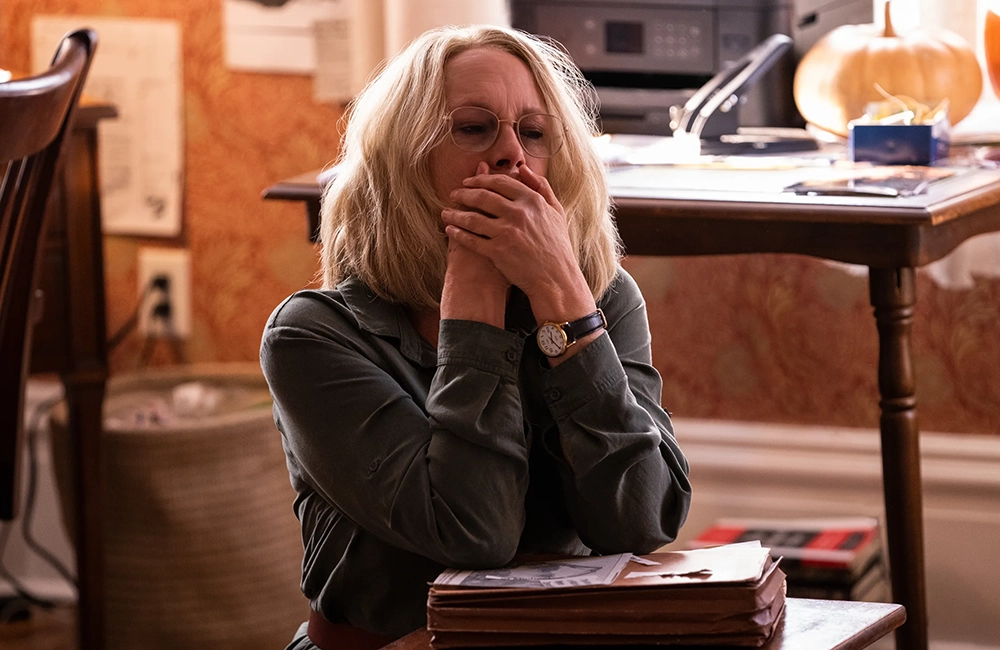
My argument: Green ended the thing the only way that made sense. He presented a town, and lead heroine, so exhausted by 40 years of evil that they couldnât take it anymore. They tried to kill it in âHalloween Kills;â but when that didnât work they pretended it was gone. Just like Nancy in âA Nightmare on Elm Street,â Laurie et al. finally decide to turn their backs on Michael, take away his energy, and move on with their lives. Laurie also wanted to die; sheâs lost so much. Who saves her? Is it Allyson. Is it Hawkins? Or is it herself? Thatâs up to the eye of the beholder.Â
I know this is somewhat introspective and dense, which may not be what some (many) âHalloweenâ fans wanted. Some love Michael, some love gore, and all love “Halloween.” Many wanted Corey to become the new boogymanâfor the legend of evil to continue. Me? I’m glad Green gave Haddonfield a break. Iâm glad Laurie and Allyson and the rest of the town can find closure. And while I wish Green had added maybe 20 minutes to polish off a few things and make the finale seem less rushed, I think itâs forgivable. âHalloween Endsâ is already growing on me. Like the off-kilter âHalloween III,â I hope it eventually grows to be a staple of the âHalloweenâ-verse. Or, at the very least, something people grow to appreciate and switch on during their necessaryâand indulgentââHalloweenâ-a-thons… when the temperature starts to drop, leaves start to fall, and itâs time for the Boogyman once again.Â
“Halloween Ends” is available to watch in theaters or stream on Peacock.Â
Support the Site:Â Consider becoming a sponsor to unlock exclusive, member-only content and help support The Movie Buff!


