




Short films can take many forms, especially when looking at indie cinema. For filmmaker Ashley Nicole, still cameras and subtle narration line her films run-times, their horror told through restless images and a haunting score. At The Movie Buff, weâve reviewed two of her films before, âButton Eyesâ and âEternal Mind.â Now we take a look at a third film of Nicoleâs, âI Can See the Future,â which is one of the filmmakerâs longest films at just under 8 minutes.Â
âI Can See the Futureâ features Nicoleâs usual style of filmmaking; apart from the music, she does most everything herself, from the editing down to the cinematography and directing, and as such shows interesting images and the filmmakerâs usual narration.Â
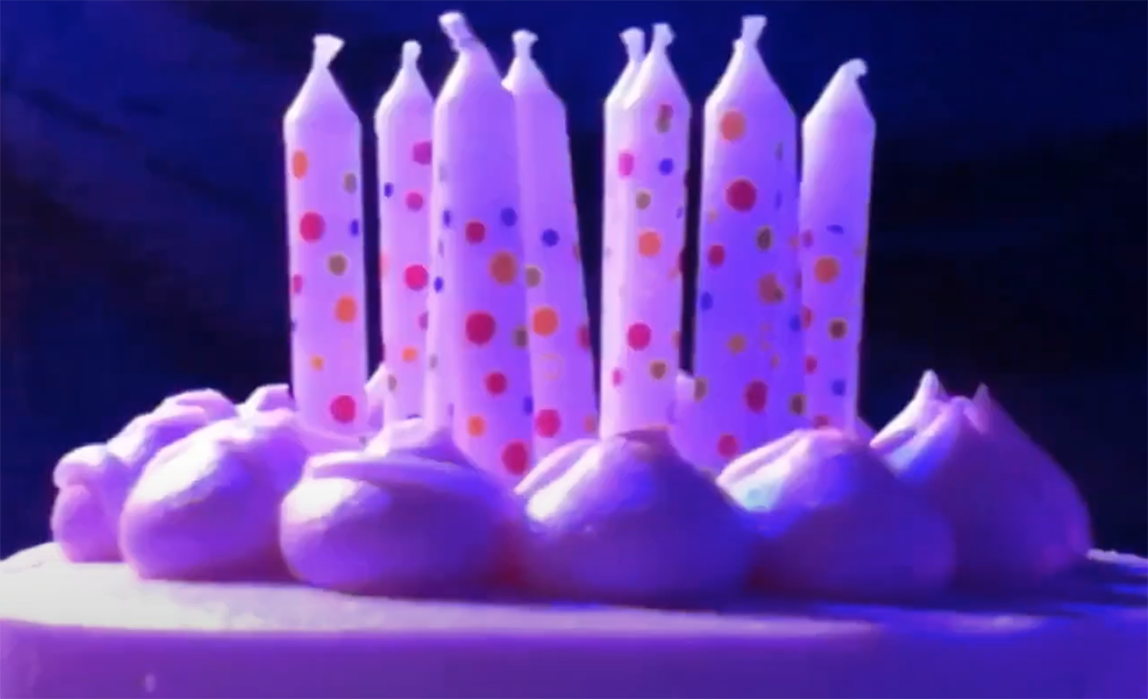
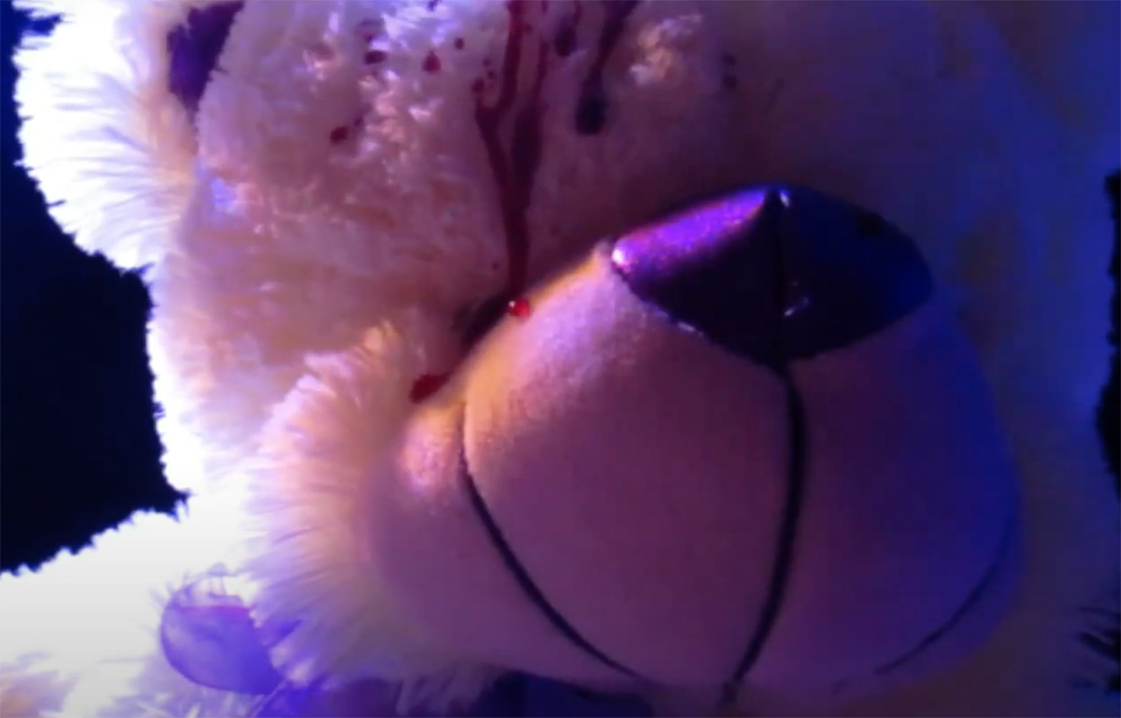
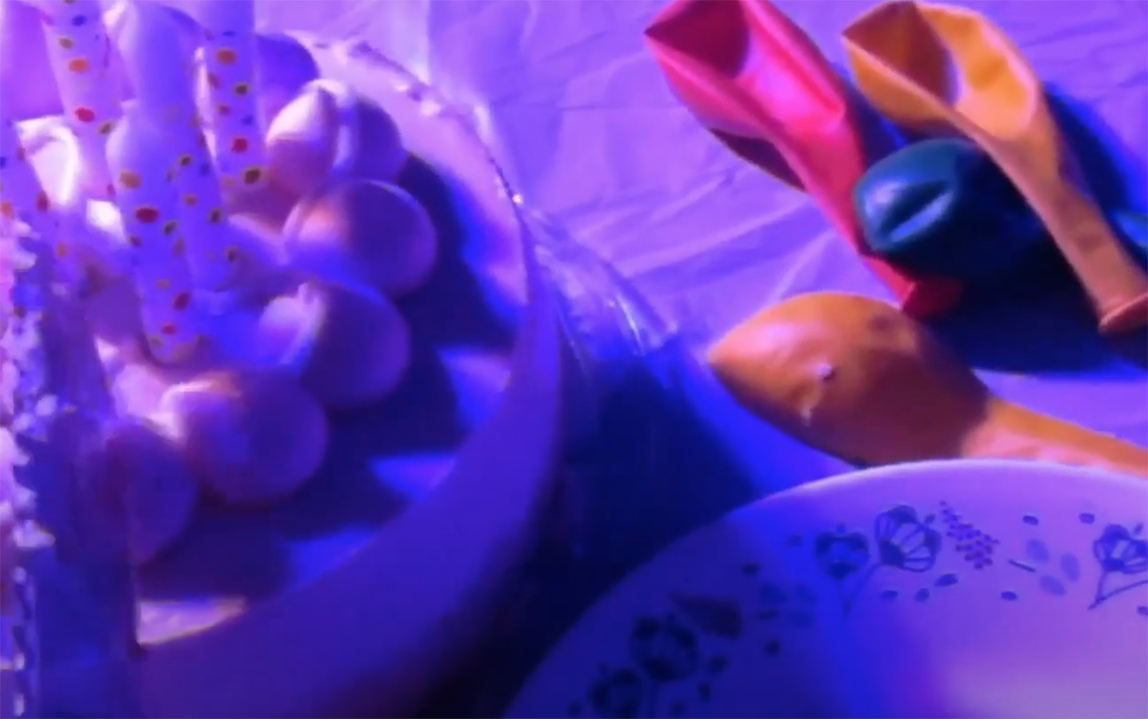
This time we get to see the aftermath (or future vision) of a hallow birthday party. Recurrent images of an uncut cake, a teddy bear, and a banner festooned to the ceiling line the filmâs run. This is intercut with images of filmmaker Ashley Nicole presiding over the proceedings. We see macabre images such as a knife being inserted into the cake and blood dripping on a teddy bear. The film is eerie and purposive, something Nicole excels at.Â

The filmâs other strength is its score, composed by Robert Austin. It features a recurrent music box playing in the background, reminiscent of carnivals or other such mysterious locales. It works to add haunting to the film. Its repetitive, slow sound oozes over Nicoleâs picture and adds an element of macabre that is hard to describe given that the film is mostly still images and toneless narration.Â
Fans of storytelling-like film cinematography or Nicoleâs other films will likely find easy footing here. However, I feel that Nicole is here trying to be a bit more adventurous with her narrative; but unfortunately its length causes the film to drag a bit more than is necessary. Itâs not only the length, but also the fact that many of the filmâs more serious images (an upside down knife cutting a cake, blood running from the protagonistâs face and leaking down onto a once-flawless teddy bear) are shown early. The film seems to wax and wane from its images in a sporadic fashion rather than starting from a slow place and building up to its horror. The result makes you feel the film is leading somewhere, but notice it circles its narrative in poetic fashion.Â

I donât want the above to seem like heavy criticisms; however, I feel that had âI Can See the Futureâ built up to its most horrific images, the film would have had a greater impact. However, to understand a film like this, you have to look at its intention. Unlike narrative-driven pieces, the filmâs key feature is its atmosphere, which Nicole does very well. From a low budget she achieves coloration, editing, and composition that enhance the story well, and the film doesât suffer from sound issues or blurry images. Further, the eerie feeling that Nicole is able to imbue with a limited production team is indeed impressive. You can think of this film best as the reading of a creepy campfire story; except instead of a campfire, Nicoleâs emotionless narration and steady camera become the flickering we hear in the background.Â
All-in-all, âI Can See the Futureâ is a good film. It wanes a bit, and carries on a little longer than is necessary, but is otherwise solid. I feel a shorter run-time would have hit the filmmakerâs images home a bit better; however, the film still makes you feel a sense of creepiness and the macabre. The short is currently running on YouTube (though Nicole states she is looking for other platforms for her film), and can be viewed by clicking this link.Â