Iâve seen many dystopian thrillers, but none so devoted to their themes as Kelsey Eganâs âGlasshouse,â playing at Fantasia International Film Festival this month. Its brief description of a family surviving a memory-wasting toxin in a glass house doesnât do it justice. This is a bizarre film, a haunting one, and one that blurs its lines to make the point of good and bad moot. Things happen in âGlasshouse,â and the film succeeds almost solely through its blurred reality and cult-like presentation.Â
Thereâs something bizarre and unsettling about girls mostly below 20 years of age (and one clearly around 10) going about the business of killing as if it was just that, businessâand Director Egan knows it. The filmâs opening shows a man killed by a young sentry. They disembowel the man, using his cartilage for glue and the rest as a warning for strangers to steer clear. Heâs a forgetterâone affected by the toxic memory-wasting plague sweeping the landsâand all forgetters must be shot, not to enter the glass house sanctuary. The real horror is the summary way the family decides forgetters and the memories within the glass house purposefully forgotten to preserve their way of life.Â
The gem of Eganâs film (co-written by Egan and Emma Lungiswa De Wet) is that it plunges you into its dystopian world with ease, and you really believe that youâre there. The filmâs family is comprised of its matriarch, referred to as âmotherâ (Adrienne Pearce), Bee, (played by Jessica Alexander), Gabe (played by Brent Vermeulen), Evie (played by Anja Taljaard), and Daisy (played by Kitty Harris). Their lives change when Bee lets a stranger in (Hilton Pesler) rather than shoot him on sight, upsetting the family unit.Â
âGlasshouseâ is one of those dystopias like âI Am Legendâ that propels audiences headfirst into its narrative, and starting out we have no idea how many days have passed. But unlike Hollywood productions, the film keeps this illusion for its entire run. We never see a flashback of the start of the toxin, nor a time when people roamed the land freely. The film is all the better for it. Explanations do nothing but hurt a narrative like this, and Egan and De Wet seem to know it. Our only clues are half-truths we learn from the cloistered family and digging at âThe Strangerâs’ hands.Â

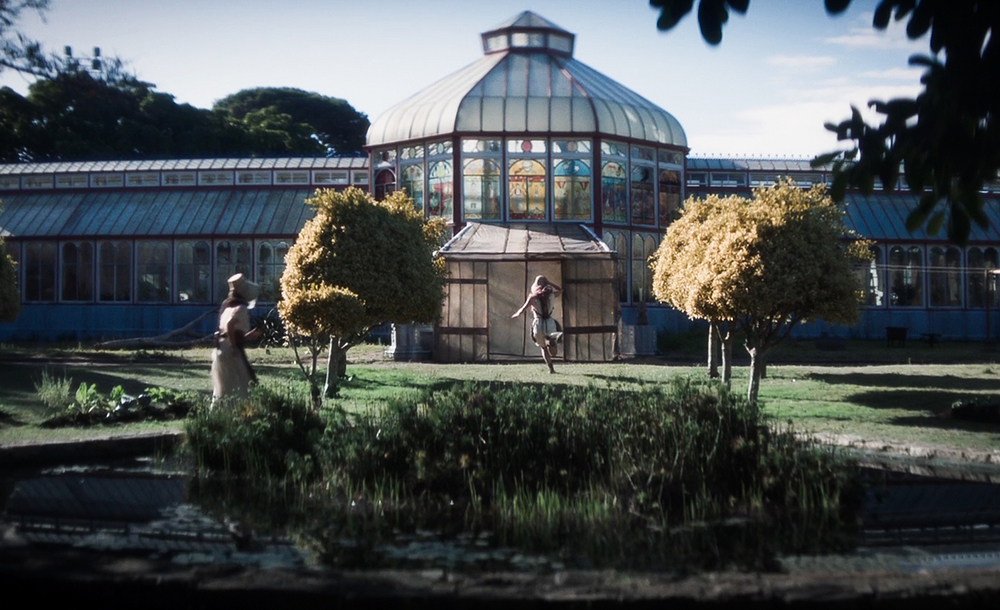
I suspect that “Glasshouse” might not be for everybody. Itâs not a film of good and bad, but people doing things they consider right, even when they are monstrous. For instance, Gabe has lost a good portion of his memory, and is in fact a forgetter. Heâs kept alive because heâs family. Thereâs also no clear determination that the several people shot by sentries during this film are indeed forgetters, because they wear the same toxin-protecting masks as the family unit.
Fear of strangers and a cult-like presentation line âGlasshouseâsâ run. For instance, thereâs continued talk of Luca, their once brother who went out looking for survivors and never came back. He supposedly (*mild spoilers*) had an incestuous relationship with Bee, and his ultimate fate is handled in a flashback that is indeed monstrous. Monstrous, also, is the suspicious and almost hateful way the family treats The Stranger for most of the filmâs run. He acts in monstrous ways too; but since Egan blurs the edges of right and wrong, itâs hard to say who you feel the most for. Unsettling themes plague this film, and, to its benefit, you often feel uncomfortable watching it.Â
The performances are all apt. The sisters have a bond and some distrust that may be borne out of this pandemic (Covid-19 comparisons are rife here), and how much of this occurred naturally due to the familyâs seclusion and control at the hands of their mother is up for grabs. The standouts here are Andrews and Taljaard; they really hammer home their performances, and Pesler plays the stranger with eerie manipulation and bizarre sense of purpose. Vermeulen imbues Gabe with anger and frustration that makes total sense given his impaired memory;  some of his scenes will chill you to the core. Rounding this out, Pearce plays the mother well, alongside Harris, a  kind child the film makes you want to protect.Â

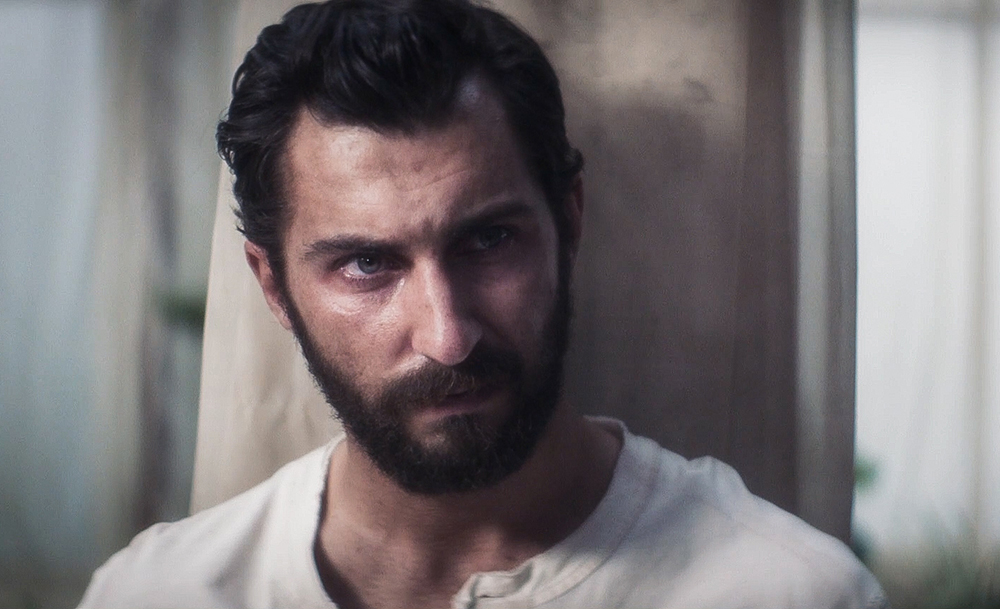
âGlasshouseâ is a thriller more than a dystopia, which might be its strongest aspect. But its equally strong aspect is the way the filmmakers keep the proceedings grounded in mystery and intrigue, along with keen observations on human nature. The sanctuary feels otherworldly; this may be a mansion in the country, or it could lie just outside the gates of heaven or hell; distinctions are purposefully vague. It explores a family dynamic well, albeit a crumbling one that was well on its way before The Stranger arrived. It also has harrowing conclusions about how far people will go to protect their reality, and how truth can often do more harm than good. Its closing scenes are ominous and foreboding; it closes with finality, yet leaves it open-ended and chilling.Â
This is a good film. Itâs not the standard fare I expect when I sit down to watch a dystopia, but it sidesteps convention, which always makes a better film. The film’s cinematography is intriguing; it features bright days and campfire nights, and reminds of a time far ago or maybe not that far ahead. However, its greatest aspect is its unsettling nature. Films like this arenât meant to always have a happy ending. âGlasshouseâsâ crowning achievement is it knows this and makes use of it. In conclusion, this is a fine film, and one you should catch if you have the chance.
âGlasshouseâ is part of our continuing coverage of Fantasia International Film Festival. The film was shown on Monday, August 16th and Wednesday, August 18th.Â