



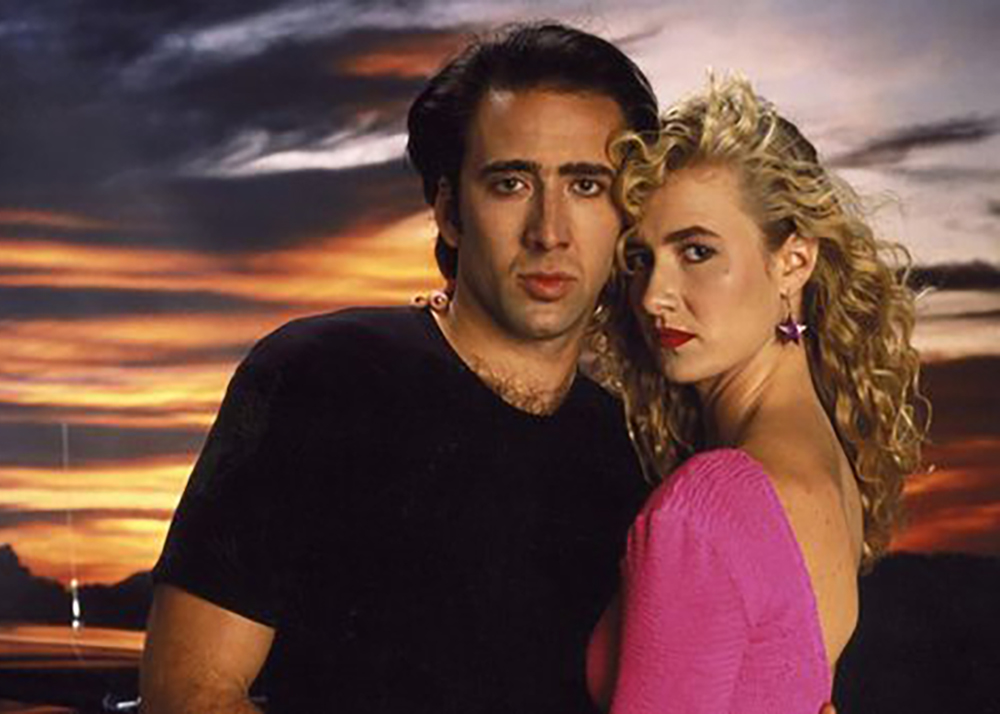
If you have ever seen a film by master director David Lynch, then you are fully aware that you are about to take a trip when you press play on one of his movies. Such is the case for his 1990 oddity âWild at Heart,â filled with nothing but strange characters and strange events.
In what is arguably his most accessibly âfunâ film, âWild at Heartâ follows Lula (Laura Dern) and Sailor (Nicolas Cage), two passionate young lovers on the run from the many weirdos Lulaâs mom has hired to kill Sailor. In classic Lynchian style, there are references to âThe Wizard of Ozâ littered throughout the film. It is so frequent throughout the film that the audience actually sees the Good Witch (a cameo appearance by Sheryl Lee, who Lynch fans will know from âTwin Peaksâ) come down in a pink bubble to talk to Sailor. However, the almost absurd and obvious references to the beloved 1939 film are not there just to be there. It presents us with the theme of how our dreams alter our perception of reality.
Just as âThe Wizard of Ozâ shows us different interpretations of reality through Dorothyâs imagination, Lynch briefly shows his audience the charactersâ actual reality before quickly turning to each characterâs subjective version of their reality. We only see the reality Lula and Sailor are trying to get away from once through their eyes, and when it is brought back again through flashbacks, it is always changed to fit the perception of the character recalling the event. âWild at Heartâ develops its story and theme by using Lula and Sailorâs magnetic love to show what happens when the characters get stuck living in their fantasy world.
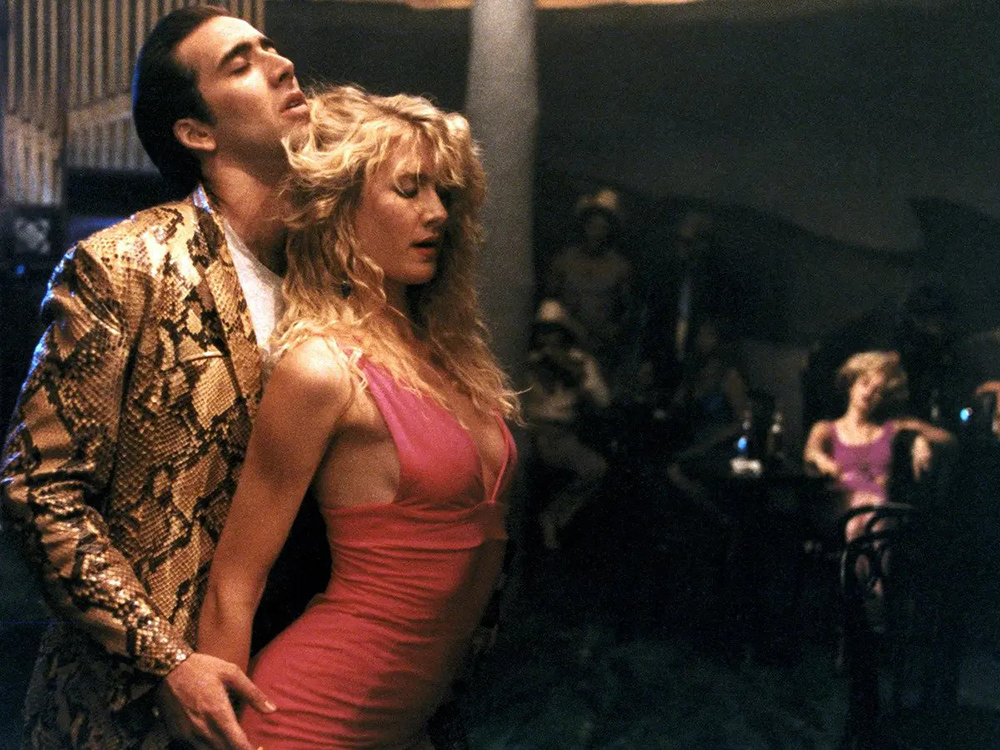
Sailor and Lula hit the road to California to escape the various people Lulaâs mom has hired to kill Sailor, that is true. Although, it is not the only reason they have to escape. Lula is trying to escape the confines of her motherâs overbearing and overwhelming need to protect her, and Sailor is trying to escape his parole and avoid going back to prison where he would be without Lula. They want to continue their fantasy of living in a world where it is just the two of them and no one else. Lula wants to escape into her sexual fantasies after being the object of someone elseâs. Sailor wants to escape from society so that no one can ever threaten to keep Lula from him again. Â
Their initial enjoyment of each other before reality catches up to them is visualized through a red color palette to complement their intense passion. As reality does inevitably catch up to them, those red montages fade away, and the colors around them become more muted. The fiery couple witness a startling event that leaves Lula with a bad omen, and they start to realize that the world they are trying to escape is more sinister than they could have imagined, and their dream world starts to crumble. Â
They are forced to confront not only their dreams, but their nightmares as well. Clicking their heels together and whispering âthereâs no place like homeâ wonât stop the reality of their situation from settling in. Â