âThe Wizard of Ozâ is a timeless story – a tale of a young girlâs desire to leave home for a better life; but a life, she finds, that was right before her eyes the entire time. Best remembered as an Oscar-winner for âBest Original Songâ for âSomewhere Over the Rainbow,â âOzâ would make keen observations on life, love, and coming of age in the process.Â
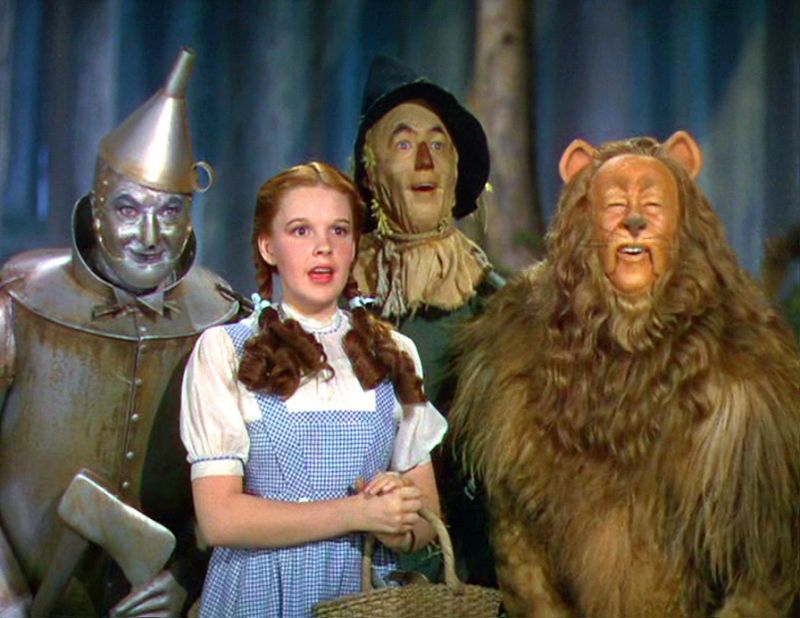
While color within black and white is an established tool for modern filmmakers (the little girlâs red coat in âSchindlerâs Listâ/a villainâs yellow skin in âSin Cityâ), âThe Wizard of Ozâ – while not the first to use this gimmick – popularized it and made it accessible to a wider audience. Filmed on a Technicolor camera, âOzâ displays the technology of the era – specifically the color derived from its camera that combined the negatives of blue, red, and green to make a full color print. Observe the sepia-drenched dolor of Kansas in the film’s beginning and compare it with later scenes, such as the splendor of the Emerald City or the vibrancy of Dorothy’s ruby slippers.Â
The majesty of the film is deeper still given it was filmed during the Great Depression. Audiences suffering from hunger and poverty were doubtless awed at the sight of Ozâs wide color palette, its hallmark the luminescent Yellow Brick Road.
The plot is well known yet simple. A young girl (Judy Garland) runs away to save her dog Toto from the clutches of an evil town matron named Miss Gulch (Margaret Hamilton). However a tornado sweeps her away to the land of Oz – where she finds, much to her dismay, that the events in Kansas still plague her. She longs to return home to her aunt (Clara Blandick), but must first make it to the mysterious Wizard of Oz and escape the threats of the Wicked Witch of the West.Â
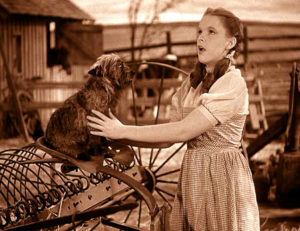

Amidst all this, âOzâ seeks to be both an entertaining buddy tale and coming of age family film, and it accomplishes this with ease.Â
Garland shines as the star of âThe Wizard of Oz,â bringing authenticity and realness to the role of Dorothy. She appears timid for much of the film, her ultimate acts of bravery sandwiched between fear and apprehension. Dorothyâs actions come from a place of love, and Garlandâs facial expressions and humble nature make âOzâsâ more memorable moments stick. Watch her plead with Miss Gulch (who cleverly becomes the Wicked Witch once Dorothy reaches Oz) to not hurt Toto early in the film, and contrast this with her later sticking up for the Lion as he cowers before The Wizard. âOzâ is about growth – Dorothy grows from one afraid to confront her problems early in the film to one who earns redemption at the hands of the friends she makes and the revelations she finds within herself.
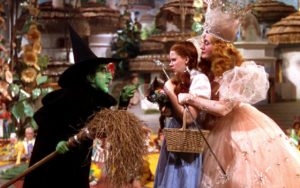

Regrettably Garland (who took the role of Dorothy when MGM couldnât sign Shirley Temple) would later detail personal abuses – both of molestation and forced drug use – that highlight some of Hollywoodâs darker tendencies. However, thereâs no trace of darkness in her performance. At just 17 years of age, Garland shows an amazing screen presence and likability, imbuing Dorothy with an endearing innocence despite it. She clicks her heels and recites the now-classic âThereâs no place like home.â And, after the adventures sheâs seen, and the tears sheâs cried over leaving Auntie Em, we believe it.Â
Under it all, however, âThe Wizard of Ozâ is an endearing family film and holds up over the years. Itâs childlike and innocent, phrases like âJiminy Cricketâ answering for swear words, its lessons of family and togetherness resonating with children and adults alike. From its band of Munchkins at the filmâs opening, to Glinda the Good Witch, to its array of pleasing songs, the film entertains and makes you think – a credit to its writing, acting, and direction. âThe Wizard of Ozâ is a timeless and pleasing film you can watch again and again.Â