





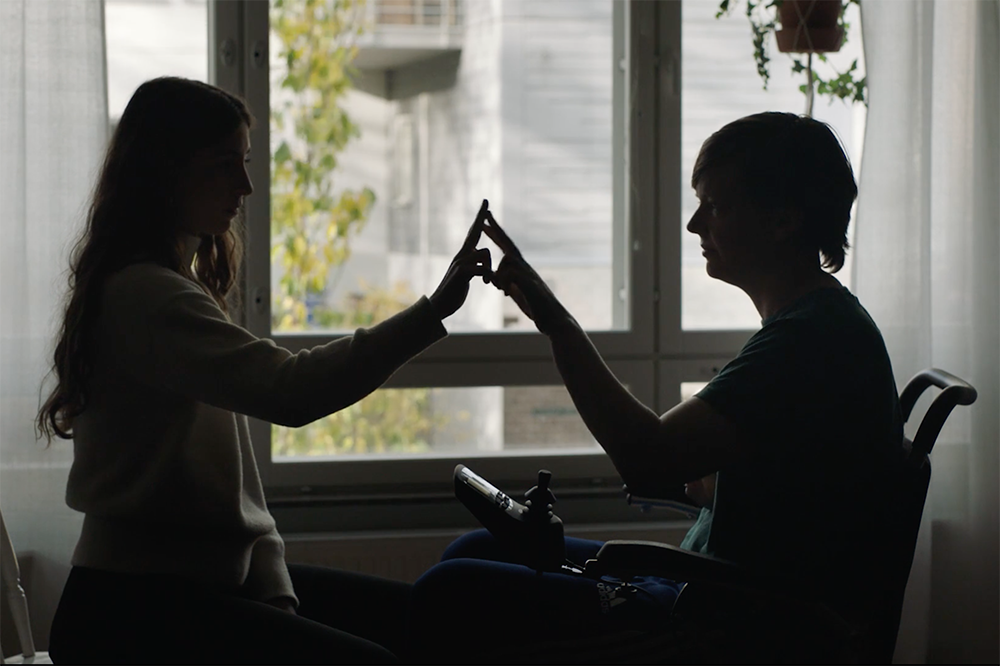
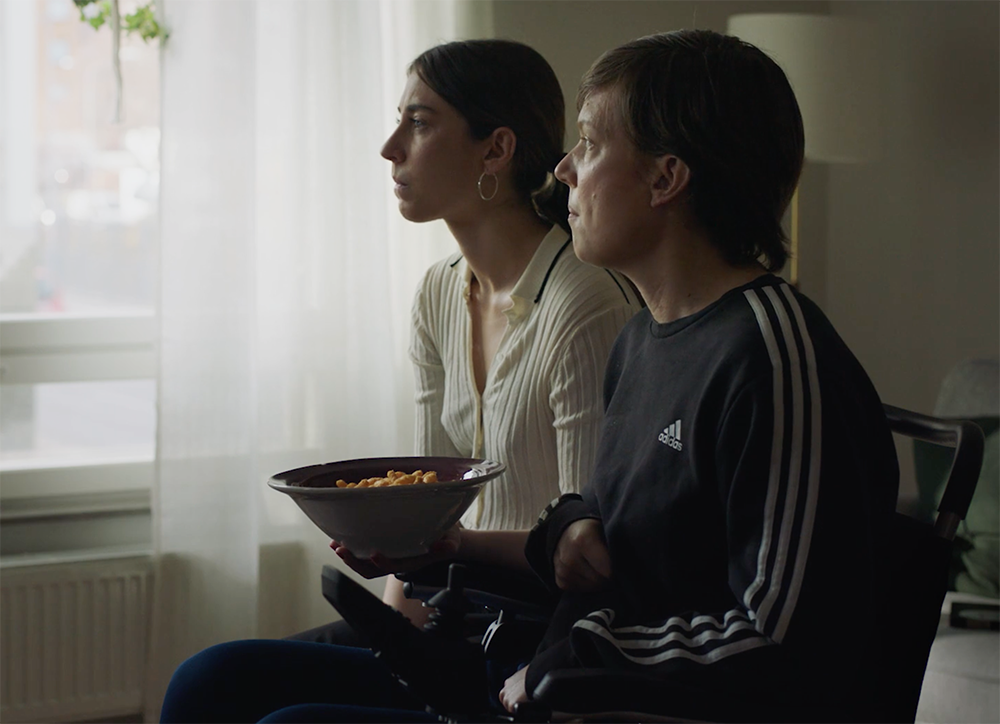
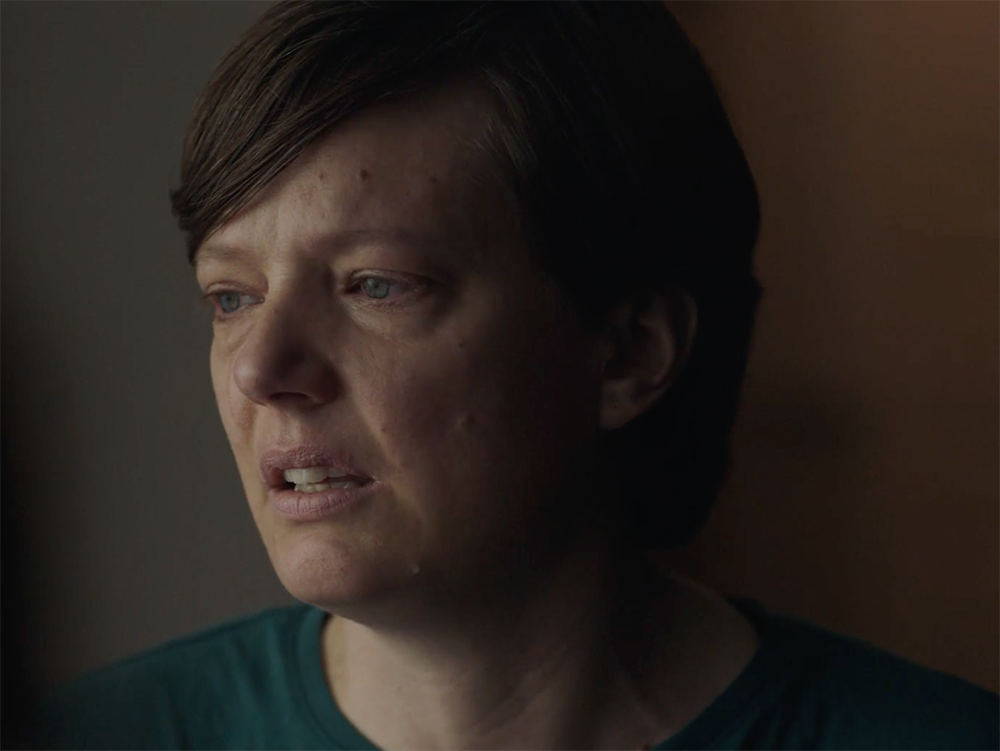
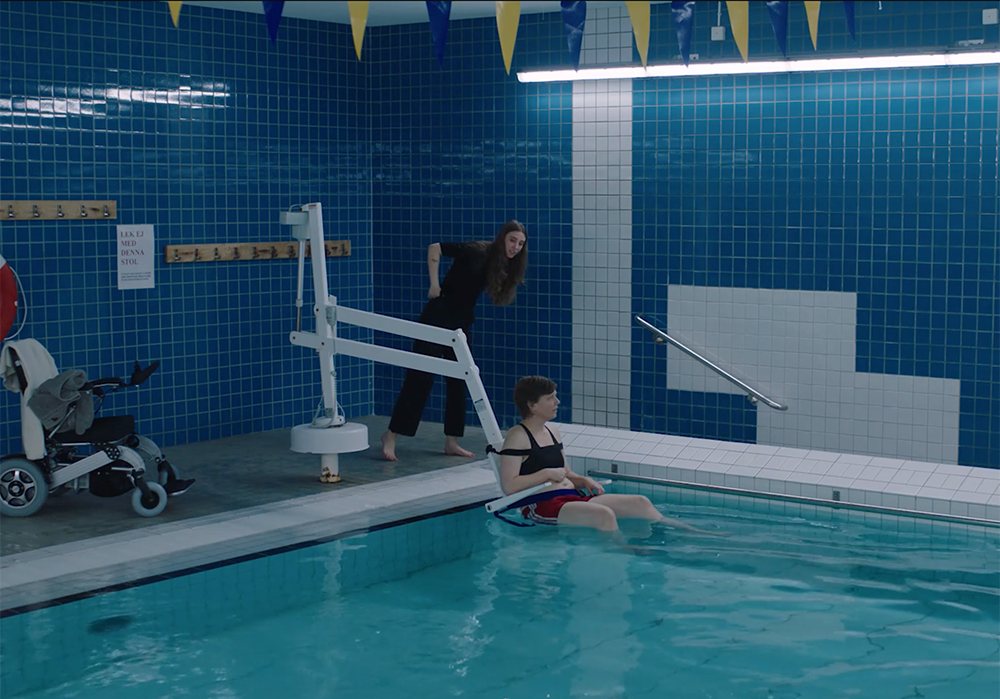
At The Movie Buff, we recently had the chance to review the Oscar-qualifying indie short âAlive,â from writer/director Jimmy Olsson, which we loved. The film made a real impact in its 23-minute run-time, detailing the relationship between a disabled woman (Eva Johansson) and her well-meaning caretaker Ida (Madeleine Martin).Â
The film, centering on these two peopleâs life, shows a snippet into both, while also sounding a compassionate alarm for society to rethink its often unconscious stereotyping of the disabled. âAliveâsâ characters are real, empathetic, and relatable, which helps package the effort into a very digestible and emotional film.Â
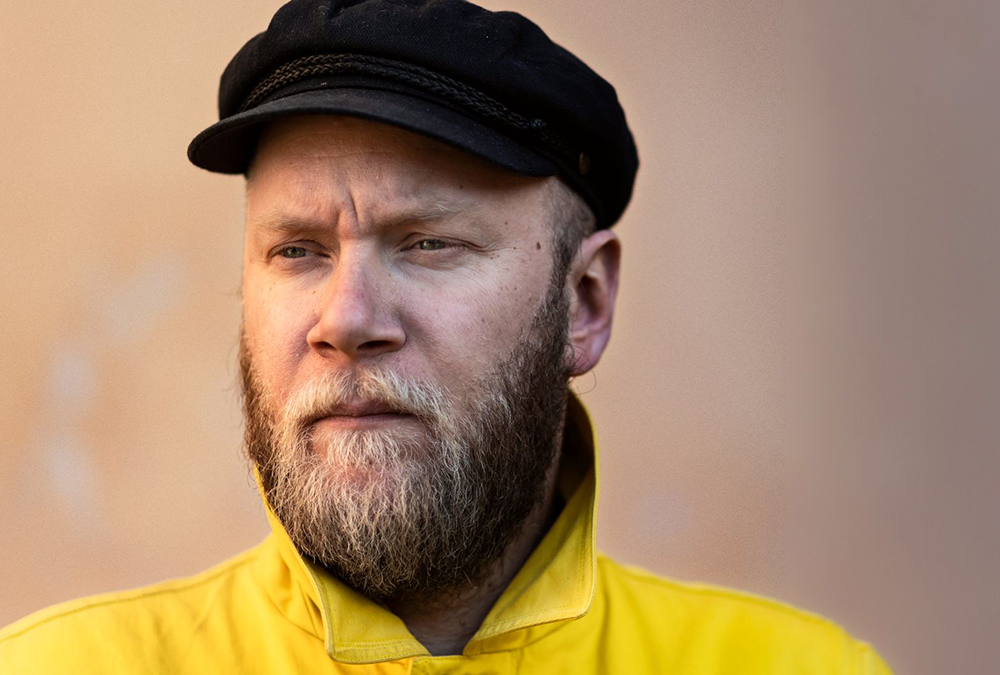
We recently had the chance to sit down and speak to Swedish filmmaker Jimmy Olsson, the writer and director behind âAliveâ about the film, staying busy during Covid, and what he hopes audiences will get out of his important film.Â
Hi, can you please introduce yourself for our readers?Â
JO: Iâm Jimmy and Iâm a Swedish filmmaker and live in Stockholm. I have been making films since I finished film school in 2005. I did some amateur films as well when I was a kid. When I entered the film business as a freelance, I did almost everything behind the camera that I could get a hold of. I was a 1st Assistant Director (AD), Editor, Production Manager, Producer, 2nd AD, Best Boy, and [I was] also in the art department. I wanted to learn the tricks of the trade and wanted to know something about everything. I worked mainly in the commercial business for a lot of years. Since 2010 I have worked full time as a director and writer.
How have you been keeping busy during these difficult times with Covid and lockdowns as a filmmaker?Â

JO: I have been writing and developing a lot during the pandemic, and I have done some smaller shoots. When the pandemic hit everything was canceled; but we never had a real lockdown in Sweden so there were some shoots happening still. Normally I make a few commercials every yearâand most of them abroadâbut last year was different. I had to rely on writing grants to manage. It’s been tough and it is going to be tough for another year I presume.
How many films have you done? And, do you have a favorite role? Do you prefer directing or writing, or is it really a mix for you?Â
JO: I have done nine films professionallyâand by that, I mean films with grants from institutes and financiers. I prefer directing but I love to direct my own scripts also. I would like to direct other scripts more in the future.Â
Can you tell us how many films you have made? Do you have a favorite film? How about the hardest one to work on?
JO: âAliveâ is my favorite film, and it is my best film to date. I have done both drama and comedy; I like to do both genres, but a great mix of the two is really nice. Im a big fan of the Dardenne brothers and Michael Haneke and [Andrey] Zvyaginstsev, moody directors in a way, and I want to be in that world if I have to choose.
The hardest thing is to survive financially. I have been a freelancer for 15 years and I have a wife who is also a freelancer and two kids as well; so that can be tough but you have to stay disciplined and try to feed that fire you have inside you and create.”jimmy olssonÂ
The hardest one I have done is probably a film called âRepressed.â It was my first professional one and it was a one-take film in a moving busâ¦and the bus had to stop and we got off and there was a lot of timing stuff going on. Difficult. We had one night of shooting and we did 12 takes and we ended up using take 8. I made a film called âCeasarâ in 2014, and that was quite difficult as well because It was more ambitious and I had a young man in the lead who hadnât done much film before, so that film was a big step for both me and him.
We recently watched and reviewed your short film âAlive,â which we found insightful and powerful. Can you tell us a bit about the film? How did you come up with the concept and what decisions went into your producing a film like this?Â

JO: Last year I listened to a podcast, and there was a story about a disabled guy who wanted to have an escort and he told his assistant that he couldnât be at his home when the escort arrives, so the assistant had to wait outside at a coffee shop. When I listened to that story, I immediately felt something.Â
Every time I write somethingâor when I make a filmâitâs almost from what I have read or experienced in real life; and even if it’s just a sentence or a split second of a situation, I can sense if there is a film there or a piece of drama. In this case I almost went inside this assistant waiting for that escort. Who would come? What does this person look like and what could happen? What happens if something bad happens. Whose fault is it. Who is responsible? That got me into thinking about prejudice. That got me thinking about how we, as able-bodied people, might think and see disabled people. I wanted to challenge my own prejudices I have had in the past.Â
I wrote the script at a record speed when I was at Munich airport waiting for my flight home to Stockholm. Everything just flew out of me and I had a first draft in like one and a half hours. I got really insecure. Is this anything at all? Could this piece be any good? I emailed my producer and he read it and liked it and thought we should do something with it. For me film is therapeutic work and I felt like I wanted to know more about the disabled community because it feels like something that is very rarely portrayed and talked about.
The big thing was to cast the role of Viktoria, and we saw a few disabled actors but we didnât really find the right fit. There arenât that many professional actors who are disabled, sadly, so I felt like it would be better to use an actor who can learn to sit in a wheelchair and mimic this particular disability instead. The character isnât born disabled, so when Eva [Johansson] got the part she did a lot of research to really get in touch with the character, and during the two days we shot she was in character the whole time basically.
One of the key concepts of âAliveâ is independence and sovereignty for disabled persons. Do you think your film will change the way people think of disabled people and work to reduce stigma?
JO: I really hope so. I think the general prejudice is that when we see someone in a wheelchair who has trouble speaking or one who has different, how should I put it, different âtics,â we as able-bodied automatically think they are like that on the inside as well and that is wrong.
A powerful thing I noticed is the filmâs primary actressesâEva Johansson and Madeleine Martinâhave a deeper relationship than the standard caregiver/patient role, evident in their dialogue and interactions. What went into the construction of their relationship? And was developing Ida (Martinâs) character as the deep, unique person she is a conscious choice, or did that just kind of happen?

JO: I wanted to write a drama about two people who have a professional relationship, but to create an arc when you go from strangers to best friends is a long arc, so I felt it would be better to have them closer from the beginning as the smarter move, and also I think Swedes in particular are quite private and therefore dialogue is a bit unusual. It’s more a kind of dialogue better friends might have. I wanted Viktoria to challenge Ida with her witty language and wanted to explore her curiosity and openness because that would create more drama in a short time. Ida, for me represents the audience and she is given a moral dilemma and has to deal with that. I think that is why their relationship is working so well. Nothing is really by chance in this film. It is carefully prepared and thought out.
What has the filmâs reception been? And, can you tell us a bit about its success, specially its making the short list of an Oscar-qualifying picture?Â
JO: The reception has been huge and critics seem to like it very much and Iâm very happy about that. When we edited the film and watched the first cut I knew we had something special and couldnât wait to get out to the festival circuit. The pandemic has changed a lot, of course. A lot of festivals have been forced to go online and to reduce their programs, but âAliveâ has had a good run so far with great wins at bigger festivals.Â
I wanted to aim for the bigger festivals with this film. When it won at Huesca International Film Festivalâwhich is an Oscar qualifying festivalâI was extremely happy and I felt like, now I am closer to my dream of winning an Oscar. Now it is actually possible even if itâs a long run still. My previous film â2nd Classâ had an enormous run, playing over 160 different festivals and claiming over 50 awardsâ¦but there were a lot of smaller festivals. Im hoping for another year of touring with âAlive.â It was recently selected as a Vimeo Staff Pick, and Iâm very honored by that and now Iâm hoping for the Oscar short list [on] February 9th.
The hardest thing is to survive financially. I have been a freelancer for 15 years and I have a wife who is also a freelancer and two kids as well; so that can be tough but you have to stay disciplined and try to feed that fire you have inside you and create.”jimmy olssonÂ
Did you face any challenges while making the movie?Â
JO: This film has been the smoothest ride so far in my career, actually. Even though we had a super small crew and basically no money, we were really prepared and we had a great team. We shot it in two days, and everyone seemed to have had a great time so I wouldnât say I had that many challenges. I had great actors and they did an awesome job.
What is the hardest thing about being an independent filmmaker? How about some of its biggest blessings?Â
JO: The hardest thing is to survive financially. I have been a freelancer for 15 years and I have a wife who is also a freelancer and two kids as well; so that can be tough but you have to stay disciplined and try to feed that fire you have inside you and create. The biggest blessing I would say is that you have a lot of time to create and write. Yes I have had ups and downs for 15 years both creatively and financially, but in the long-run itâs worth it when you know what you want to achieve.

Have you ever made a full-length film? If not, is this an ultimate goal of yours?
JO: I havenât made a feature yet, but that is the goal. I have been working on feature scripts for a couple of years, but now it’s time to make them happen. Itâs hard to finance features nowadays since everyone seems to want to make TV series, but now I am developing three features and two TV series. My main goal as a filmmaker is to make longer formats, to tell bigger stories.Â
Do you have any projects that you are currently working on? Whatâs next for you?Â
JO: Yes Iâm working on three features, one about a refugee woman who is forced to work as a sex worker in Berlin and her meeting with a politician. He happens to be a client of hers and she discovers something that will change his life completely. One story is about a wrestler who is released from prison after three years. He has killed his own brother by accident and now he wants his life back. And Iâm also developing a story based on a very famous song in Sweden. An epic fairytale you could say. The TV series I’m working on is firstly a period piece based on a woman gangster in Sweden in the late 1800s, and one series based on mockumentaries I have done. So I’m working quite hard.
If you could give one piece of advice for hopeful filmmakers, what would that be?Â
JO: My first advice is to listen. Listen to the professionals around you. You are not an expert from the start. Listen and read and watch a lot of movies. Get inspired by the things you love and write stuff that you yourself want to see, not always what is expected from you.
Watch the trailer for “Alive” below.Â


