A day late and a dollar short, I sat down to view âParasite,â Bong Joon Hoâs award-winning drama about poverty, class structure, and survival. Preceded by its first ever âBest Pictureâ foreign language film win, the picture certainly had big shoes to fill, and it does nothing to disappoint. Many films of late have taken their turn at examining race or social class, with varying methods. And whereas movies like âGet Outâ or âReady or Notâ employed a black comedy, horror-type feel, âParasiteâsâ great accomplishment is that it juggles multiple genres during its run-time, yet feels cohesive and seamless. In short, âParasiteâ is every bit as good as its advanced hype, and is a remarkable picture to behold.Â
As Joon Ho is clearly using class and social standing to make a point hereâthrough emotion and symbolismâa brief plot description sets the stage for its happenings. A poor family, the Kims, living in a semi-basement apartment in a poor section of Seoul, get the opportunity to leave their impoverished existence when their son, Ki-woo, is hired as a tutor for the daughter of a rich family, the Parks. His ingratiation with the Parksâstarting with forged documents and duplicityâhighlights the conniving yet desperate nature of the Kims. We see their plight: both parents out of work, they have fallen on hard times, their only income folding pizza boxes, their days spent struggling for a meager pay. Their two children are smart, yet trapped by circumstance. In the filmâs opening we see juxtaposition between a derelict peeing on the streets outside their house and the Kim children hunkering in a bathroom to grab onto a fleeting free WiFi signal. These are hard times.Â
A Genre-Bending Yet Approachable FilmÂ
With the Kimsâ ingratiation into the Parksâ lives, we see the stage set for the film that Joon Ho wants âParasiteâ to be. Itâs slightly comedic, in scenes where we see Ki-woo first get his sister, Ki-jung, a job as an art teacher at the Park residence, which subsequently leads to the pair importing both their mother and their father into the household. They are all hired to replace workers that the Parks âget rid ofâ because of direct duplicity on the hands of the Kim children. Joon Ho walk us through these scenes comically and intentionallyâand weâre unable to look away.Â
The film also shines a light on these peopleâwho the Kims are, as a unit, and who the Parks are, both with their seeming dysfunctional nature and their clear entitlement. We see early occurrences of this, such as a conversation Mr. and Mrs. Park (Sun-kyun Lee, Yeo-jeong Jo) have in their kitchen discussing their disappointment with their car driver engaging in âcar sex,â as well as later snippets of their privilege as they discuss the âsmellâ that poor people have; people who, you know, live in basement apartments and must ride the subway.Â
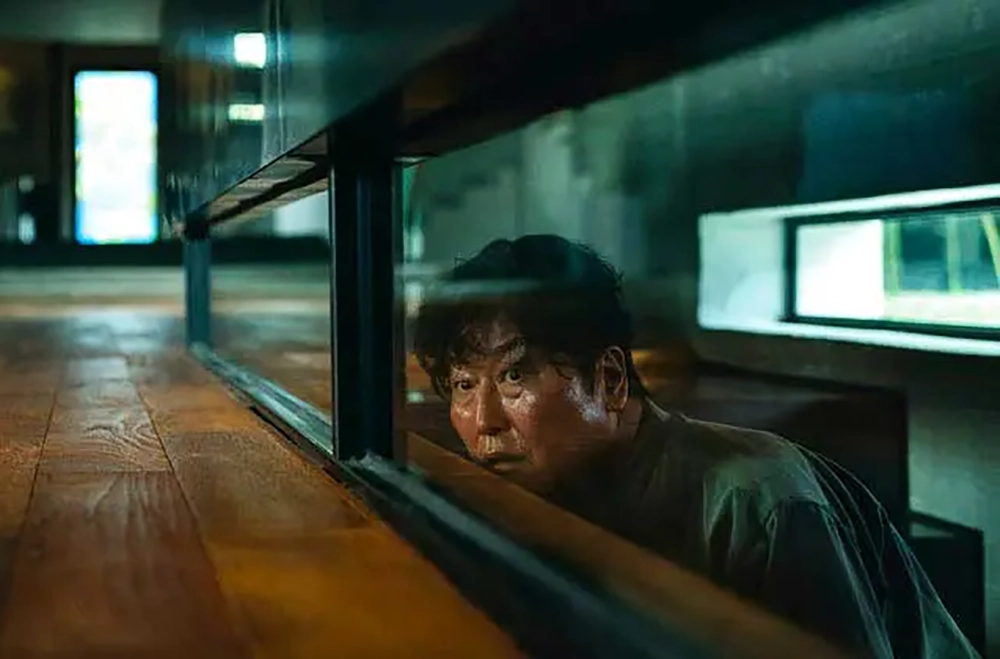
But in great scriptwriting (Bong Joon Ho writes âParasite” along with co-Writer Jim Won Han), we see both sides have their resentments. In one superb scene, we see the Kims sitting in the expansive living room as the Parks are on a holiday, relishing in the material comfort they have for a brief moment, while discussing how rich people are different. âThey are rich but still nice,â Mr. Kim (Kang-ho Song) states. His wife (Hye-jin Jang) adds: âThey are nice because they are rich.”Â
A Masterclass on Scriptwriting by Bong Joon Ho and Jim Won Han
Joon Ho brings so many elements in to the picture, that a second viewing is almost a prerequisiteâbut thatâs not to say you canât get pure enjoyment out of this film on its first run. Joon Ho blends comedy, critiques on class warfare, and even horror, into the film. They mesh together so seamlessly, itâs really no surprise the film won âBest Picture.â There are some other elements hereâespecially in the way the relationship between the Kims and the Parks builds in tension and ultimately implodesâthat are impossible to talk about without spoilers, so I will not. Suffice to say, Hoâs film approaches these scenes so intently, and so absolutely, that youâll find yourself rooting for the Kimsâ deception to go un-discovered. You feel for this family, in a unique way, with a delicate balance of mesmerizing dialogue and symbolic shots.Â
What are some of these shots? Oh, there are too many to mention, as the film opens and closes with a finality of subtext and underlying meaning. However, along the way a handful stick out for their power and storytelling. We see the Kims, riding a buzz of wealth and privilege as they work for the Parks, thinking themselves better than others in their position as they chastise a homeless man outside their apartment. Yet in another scene, as Mr. Kim drives Parkâs wife to the store, and the latter pinches her nose at his smell. Mrs. Kim listens with choked tears as her employer recants how happy she is the rain from last night blew off all the pollution so she can have a perfect party for her son (we see the rains have submerged and likely destroyed the Kimsâ house), weâre struck with a decisive portrait of privilege. Â
A Deserved ‘Best Picture’ WinnerÂ

Thereâs so much to unpack in âParasite,” that I feel Iâm failing to do the film justice. It ads some plot twists along the way (which I cannot discuss, lest I erase the impact of the movie for those who have not seen it), as well as a calamity of a third act which is among the most mesmerizing and engaging in cinema. With focus, writing, and terrific cinematography and acting, Joon Ho has created an experience that feels sublime. Watching the final scene fall, of two desperate souls communicating with each other uniquely, you realize that you have stumbled across a picture of terrifying beauty.Â
What keeps us chained to our paths, and what makes us yearn for something better? Ho presents a sterling portrait of this question, while hinting morosely that the rich may always be rich, and the poor may always be poor. Both can co-existâas long as the former is allowed to bask in their opulence, not to be made aware of the lower casteâs existence. After all, thereâs a certain safety in ignorance.Â