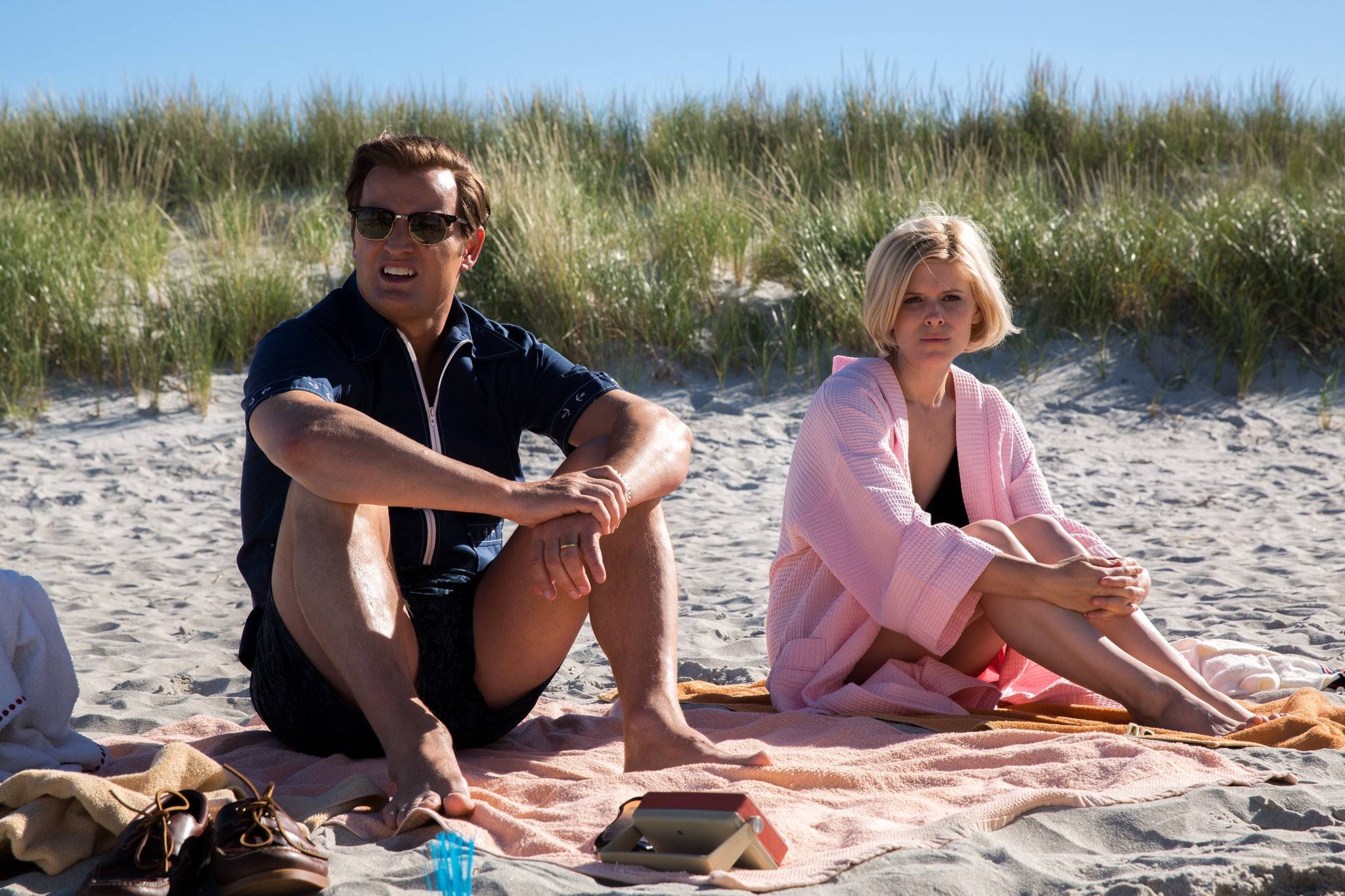
As someone born in 1979 -16 years after the assassination of JFK and 10 years after Ted Kennedy left the scene of an accident on Marthaâs Vineyard that resulted in Mary Jo Kopechneâs death – the legacy of the Kennedys is somewhat lost in the shuffle. John F. Kennedy Jr. died in 1999, two years after I graduated high school, as my family and I were heading for vacation in, of all places, Cape Cod. That is not to say events of history have not had an effect on me, as others in my age bracket. As such, it is with interest I sat down to watch âChappaquiddick,â the 2017 film chronicling the drowning of Mary Jo Kopechne and its subsequent political handling in the summer of 1969.
As a film, âChappaquiddickâ succeeds in doing what it intends – to relive the events of this tragedy as they afflicted the remaining members of the Kennedy clan. These members include Ted Kennedy, played here by âZero Dark Thirtyâ alum Jason Clarke, his post-stroke and aging father Joe (played by Bruce Dern), and a group of friends and allies comprised of men like Joseph Gargan and Paul Markham (Ed Helms and Jim Gaffigan respectfully). Mary Jo Kopechne, played sweetly in her short screen time by Kate Mara, is an afterthought of this film- and a family – that viewed her as a burden.
What âChappaquiddickâ does is recreate the dying days of the Kennedy dynasty to draw you backwards to an event that is now in the annals on American history. It’s fitting that Kennedy, who felt inadequate in his fatherâs eyes compared to his brothers Robert and John, had his mishap with Ms. Kopechne the same July weekend that Apollo 11 landed on the moon. The event, which led to Kopechneâs death, was viewed by Kennedy as part of a âfamily curseâ that has now switched to him. John and Robert were publicly assassinated, yet Ted thought himself a third victim crawling from the shores of Chappaquiddick that July night. The filmâs success is in making you feel this emotion, however misplaced it may seem.Â


âChappaquiddickâ has a limited spotlight for acting, but is well contained and pleasing. Clarke, who acted rough and tough in âZero Dark Thirtyâ and âWhite House Downâ gets something here that answers for range. While his accentâs a problem (he slips in and out of the New England pronunciation of words several times, often in the same sentence), he manages to instill in Kennedy the insecurity, lack of identity, and poor decision-making that lined much of his time living in the shadows of his revered brothers. âIâm going to handle this my way, itâs my political career on the line,â he mutters in one scene before being taken over a group of lawyers hired by his father. Career is bit of a jump for Kennedy – he needs to avoid going to jail first.Â
In Clarkâs hands, Kennedyâs privilege shows in his lack of remorse for his actions, even when warned by others how these will play out. One scene shows him wearing a neck brace to Kopechneâs funeral and subsequently being lambasted in the press for clearly faking an injury. Clarke plays the criticism off as a non event – sort of like he and nearly everyone involved regard the memory of Mary Jo herself.Â

Rounding these out, Dern performs well as the aging Kennedy patriarch in his final days (he would die four months after Tedâs sentencing). His scenes are ruthless and cruel. âYou will never be great,â he whispers to Ted, the only bits of spoken words from the manâs mouth during âChappaquiddickâs run-time.Â
While Curranâs production has sincerity, itâs not without fault, both in its historical inaccuracies and its slow pace, which requires strict attention. Iâve read press that refers to the filmâs script as a âpage turner,â and while this sounds good on paper, itâs not the result I walked away with. Like historical dramas (âLincoln,â for example), the film is slow and steady – itâs the depiction of an event as a journalist reports; thereâs not a lot of moralizing or drama here, and others besides history buffs or lovers of indie film will likely find difficult footing. But, at the end of the day, âChappaquiddickâ is a solidly made film with good performances. It doesnât astound or transcend, but it does what itâs supposed to.Â
– by Mark Ziobro