âStonehearst Asylumâ is a bizarre film. Itâs a look at patients suffering from madness in the 1890s epoch. Itâs a treatise on inhuman âtreatmentsâ these patients often underwent. And itâs a mystery. The film, directed by Brad Anderson, contains elements of the macabre – predominantly isolation and creepy asylum atmosphere. Itâs also features some notable actors – such as Michael Caine, Ben Kingsley, and Kate Beckinsale – that help further it along.Â
From the onset âAsylumâ reveals its hand and the themes it wishes to explore. A drugged-up woman, Eliza Graves (Beckinsale) is displayed in front of a med school class led by the seemingly cruel professor (Brenden Gleeson). Sheâs been drugged with heroine to âkeep her calmâ because sheâs mad. But she sounds coherent; âwhat if sheâs not mad?â asks a student, but is quickly dismissed by the professor as naïveté.
Itâs in this way that the mental afflictions the patients in this film suffer are written off: itâs clinical practice the doctors wish to put them through, not necessarily to actually help them. It isnât long before a student Edward Newgate (âCloud Atlasââ Jim Sturgess) shows up at the desolate Stonehearst Asylum teaching to work for the mentally ill. âI want to help those who are already in hell,â he states to the head doctor, a man named Silas Lam, played with sublime skill by Ben Kingsley.
âAsylumâ is a movie that draws the audience in slowly and almost unwittingly. Newgate, a nubile young doctor is immediately drawn into Lamâs world; Lam, who beckons Newgate to find ways to help the patients not necessary of a clinical nature, but in truly accepting who they are. For one woman, Eliza Graves, her therapy is music which she plays beautifully for the other âmadâ people in the asylum. We see some of these types: one thinks heâs a horse. âWhy cure him and make him a miserable man, when heâs such a happy horse?â Lam suggests.
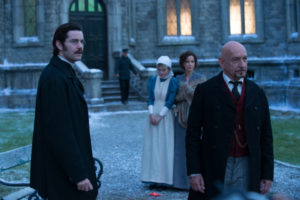

The cinematography in âAsylumâ is done by Tom Yatsko (who also provided chief photography for 2013âs âThe Callâ) and provides an authentically creepy atmosphere. The huge, sweeping asylum is reminiscent at once of a macabre dungeon and palatial estate. He practically evokes The Overlook Hotel from Kubrickâs excellent âThe Shiningâ here, especially as Newgateâs isolation and solitude becomes more apparent. Thereâs also a dungeon scene with some captives (more will not be revealed here), which is one of the more eerie set pieces in the film.
Acting-wise, the cast carries the film well. Sturgess is capable and affable, and becomes a man we want to root for with ease. He is pitted against Dr. Lam, who teaches him much about mental health clinical skills, even if his methods leave a lot to be desired. One scene, as he forces Newgate to confront a foreboding patient named âOgreâ starts fright-filled, yet ends up being one of the nicest scenes in the film.
Other characters are added to round out the film. As Graves, Beckinsale does a competent job, though it seems here character isnât as fleshed out as needed of the role. Sheâs a mental patient, who also becomes a love interest for Newgate. This is eked out throughout the movie through whispered voices and stolen glances; but as a whole I wish their relationship had been fleshed out a little better to make the filmâs climax and ending work slightly better.
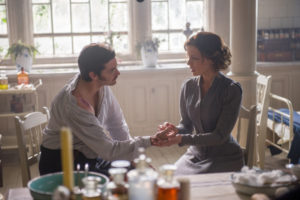

Overall âStonehearstâ plays out more like a long episode of âAmerican Horror Story,â both in its story progression and overall plot. But itâs presentation is nice, and the asylum – mostly shown draped in darkness both within and without – provides a macabre backdrop for the proceedings.
The bottom line: If you like mystery horror, asylum tales, or the aforementioned âAmerican Horror Story,â youâll probably be pleased with this film. Horror-seekers looking to be scared witless, or a film on par with âThe Shining,â however, would do well looking elsewhere.
– by Mark Ziobro