





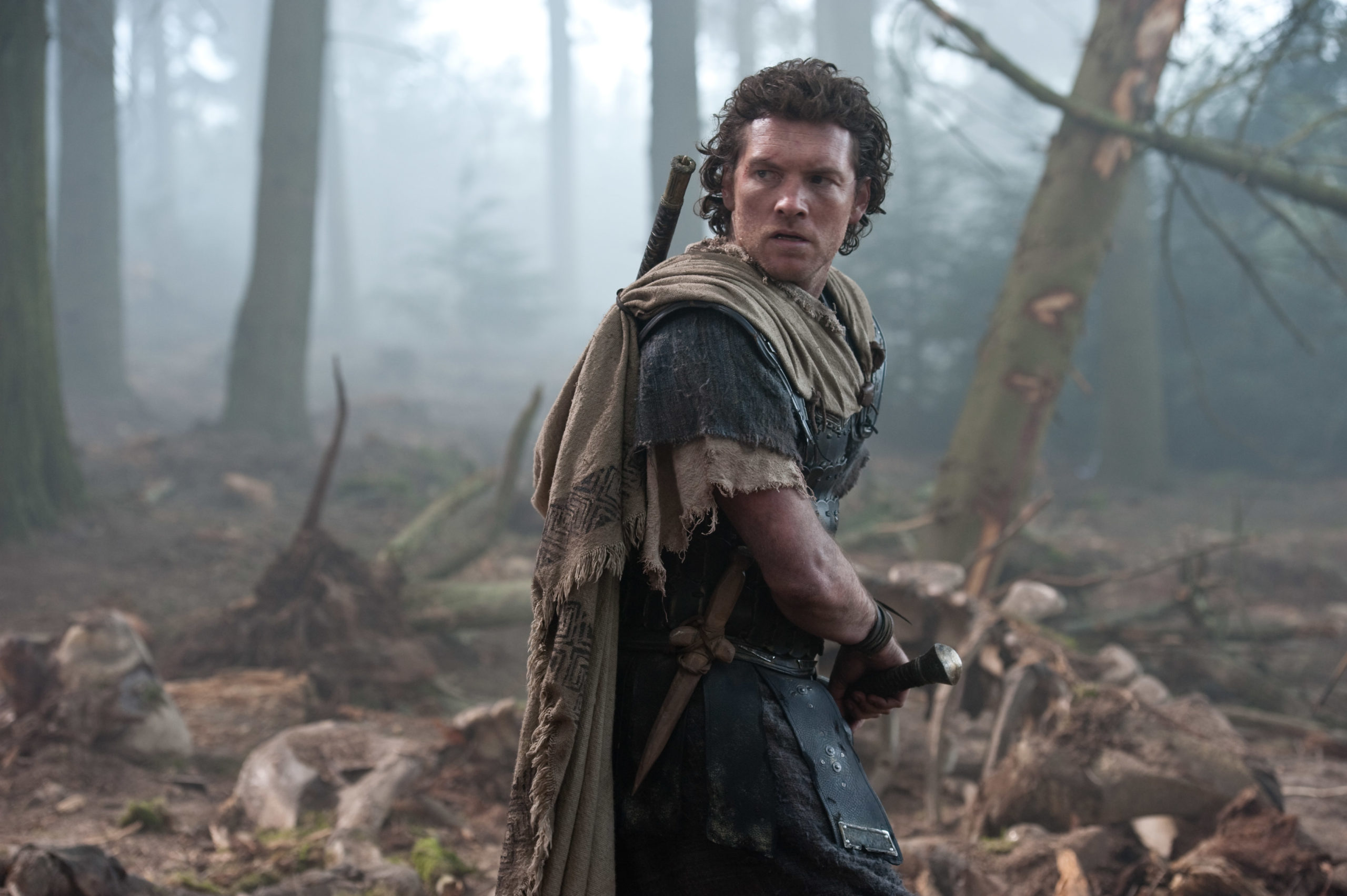
Universal Studios recently announced a sequel to the unfunny 1988 Arnold Schwarzenegger and Danny DeVito odd-couple comedy âTwins,â and no, it wasnât an April Foolsâ joke. Unfortunately, moviegoers wonât have to wait until that movie’s release to waste their disposable income on a lousy sequel that absolutely nobody was clamoring for. To fill all of your passionless, cash-in followup needs, try “Wrath of the Titans.”Â
Arriving almost exactly two years after the release of its equally bloated and miserable predecessor, âClash of the Titans,â âWrathâ continues the hardly heroic story of Perseus. Sam Worthington, an uncharismatic leading-man as has ever come out of Hollywood, reprises his inert portrayal of the ancient Greek hero. Once again, Perseus is a reluctant hero, preferring to remain a fisherman and take care of his young son. His reluctance is transmitted to us by the fact that he takes nearly a full second to stare wistfully at his old sword and armor before jumping back into action, and this slipshod excuse for exposition is characteristic of the amount of time and effort that was spared by leaving the film unencumbered by anything resembling character or story. The typically mush-mouthed Worthington spends the duration of the film delivering the filmâs stilted dialogue via either hollow shouting or hoarse whispering, but those who canât understand what heâs saying certainly arenât missing anything worth hearing.
Hades (Ralph Fiennes), God of the Underworld, has conspired with the imprisoned Kronos, spurned father of the rebellious Olympian gods, to steal the power of Zeus (Liam Neeson). While the Olympiansâ power is waning because humans have stopped praying to them (due to events from the first film), Hadesâ nonsensical solution is to unleash Kronos, who he knows will destroy the world (along with their recalcitrant devotees). If youâre wondering how that serves as credible motivation, then you have more sense of character and narrative than screenwriters Dan Mazeau and David Leslie Johnson. Ultimately, Perseus is pressed into service to rescue Zeus from Tartarus, a massive stone prison in the center of the earth. Accompanying him is Andromeda (Rosamund Pike, taking on a role played by Alexa Davalos in the prior film), who has almost no dialogue and even less effect on the plot, up until an untelegraphed and bewildering romantic connection with Perseus in the final moments of the film.

Deficiencies of the paper-thin plot and flat characters aside, the film could be at least entertaining if the action sequences were passable. Unfortunately, nobody over the age of 14 will find the filmâs not-so-epic battles to be terribly compelling. For starters, Director Jonathan Liebsman (helmer of such cinematic gems as last yearâs atrocious âBattle: Los Angelesâ and the utterly unnecessary 2006 slasher prequel âTexas Chainsaw Massacre: The Beginningâ) goes all-in with the dizzying bane of modern action, the shaky-cam. While high-definition filmmaking and computer generated beasties should allow for terrifically vivid visuals, everything we see here is blurry, marred by constant whip pans, and coated with an ever-present layer of dust. The Chimera at the opening of the film is never seen clearly, a forest fight with a Cyclops looks like a scene cut from the âShrekâ series, and the ultimate battle with Kronos is obscured by so much smoke and ash that your time would be better spend staring at a campfire.
Perseus himself does us no favors by getting his butt kicked literally every time he tries to fight. If this is meant to show us his human frailty (he is only half-divine, as Zeus is his father while his mother was a human woman), the point is hammered home far too aggressively. He wins each battle through no particular effort or skill on his part, but by using the same tactics (hopelessly flailing his limbs and throwing himself at his enemies) that get him into trouble in the first place. The one-on-one battles are sadly anticlimactic. Perseus is soundly beaten by Ares (Ãdgar RamÃrez) for seven or eight minutes, but must have been studying his no-gi Brazilian jiu-jitsu, because he suddenly finishes off the God of War himself with a half-hearted rear naked choke.

At the risk of spoiling a moment few viewers will care about by the time it arrives (and one with a profound lack of suspense in any case), Perseusâ destruction of Kronos at the close of the film amounts to the triumph of scoring an empty-net goal in garbage time of a match whose outcome was never in doubt. The action registers as little more than a chaotic diversion when the stakes donât matter to the audience. Along with the failure of last yearâs âImmortalsâ (a disappointment from visionary director Tarsem Singh, in that it presents a mythology-in-name-only rendition of the story of Theseus), it may be a while before another producer is willing to plumb the rich depths of classical literature for its most compelling stories.
Pass on this irredeemably contemptible film.
– by Demian Morrisroe




1 Comment
the monsters looked ok.