





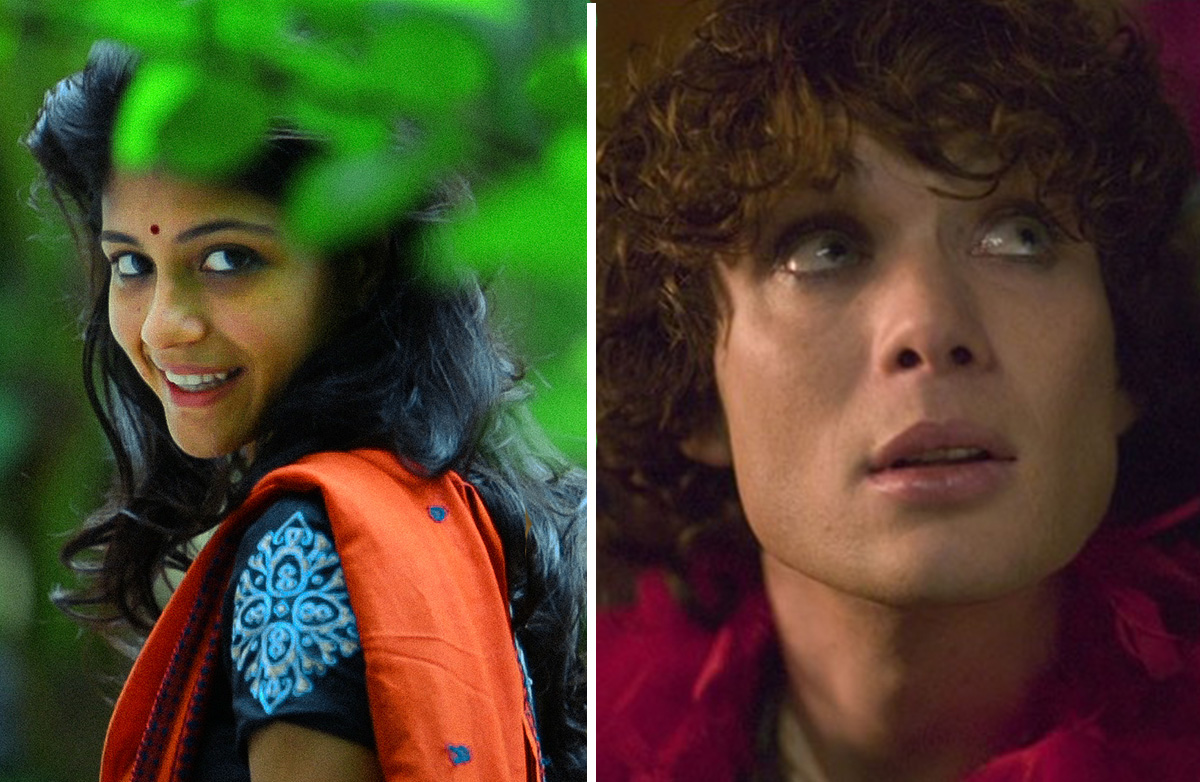
Rooted in African American Vernacular English (AAVE) and similar to the Jamaican Patois slang bad gyal , the term âbaddieâ initially gained notoriety as a derogatory moniker for unruly and promiscuous women, often as a stand-in for âvampâ. However, it has since found a resurgence in modern pop music, become a cultural movement of sorts. It has been reclaimed and is also extremely popular on social media as a description for a soft feminine girl with a keen eye for aesthetics, as well as a term applicable to strong, attractive, and stylish women. It can even transcend genders. To paraphrase from one of the subjects of this essay, “Breakfast on Pluto,” one can identify as a ‘svelte gamine’/slightly boyish and still be considered a baddie).
Inevitably it crept into cinema too. In this essay, I break down the âbaddie archetypeâ as seen in the Cillian Murphy-starrer “Breakfast on Pluto” and the female-centric Tamil movie “Aruvi.” Specifically, I discuss the incorporation of baddie culture/mindsets into the respective characters. Both works are fronted by baddies on a mission. The former is centered around the life and times of Kitten Braden. She’s a quirky albeit not very street-smart self-confessed transvestite attempting to survive a dark period in Irish history while on a quest to find true love as well as reunite with her biological mother.
Meanwhile, “Aruvi’s” titular character (played by then-newcomer Aditi Balan) is a promising young woman saddled with a metaphorical scarlet letter. Itâs worth noting that the events in the original novel and the screen adaptation of “Breakfast on Pluto” take place in the 1960s-’70s, and as a result predates the modern interpretation of the slang itself. Yet it never appears dated for the contemporary generation.
Beyond the Baddie Aesthetic
Both Kitten and Aruvi hail from humble backgrounds and make the best of their dire circumstances. They are both armed with a knack to challenge regressive or stereotypical mindsets, but still maintaining a naturally chirpy, upbeat attitude even when faced with possible jail time. Further, both of these cinematic baddies also live up to the core mantra of the archetype, i.e. “Do no harm but take no shit”
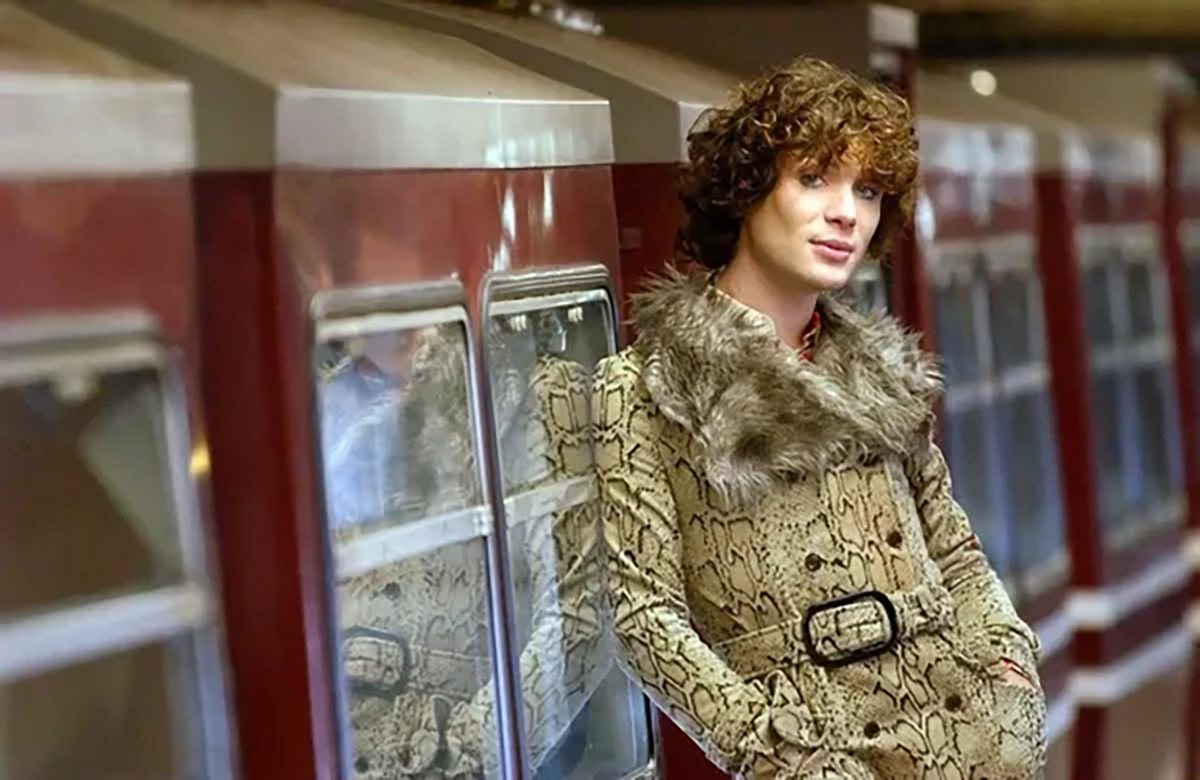
Another key trait of a baddie is the emphasis on self-assurance that can extend beyond mere aesthetics or fashion. Of the two baddies, the chatty and flirtatious Kitten is more prone to showboating. She sets fashion trends with her leather jackets/skintight catsuits paired with red feathered boas, vintage co-ords (blending baddie diva traits with the corporate baddie aesthetic) and meticulously coiffed hair that’s a deliberate tongue-in-cheek dig at noted homophobe Margaret Thatcher.
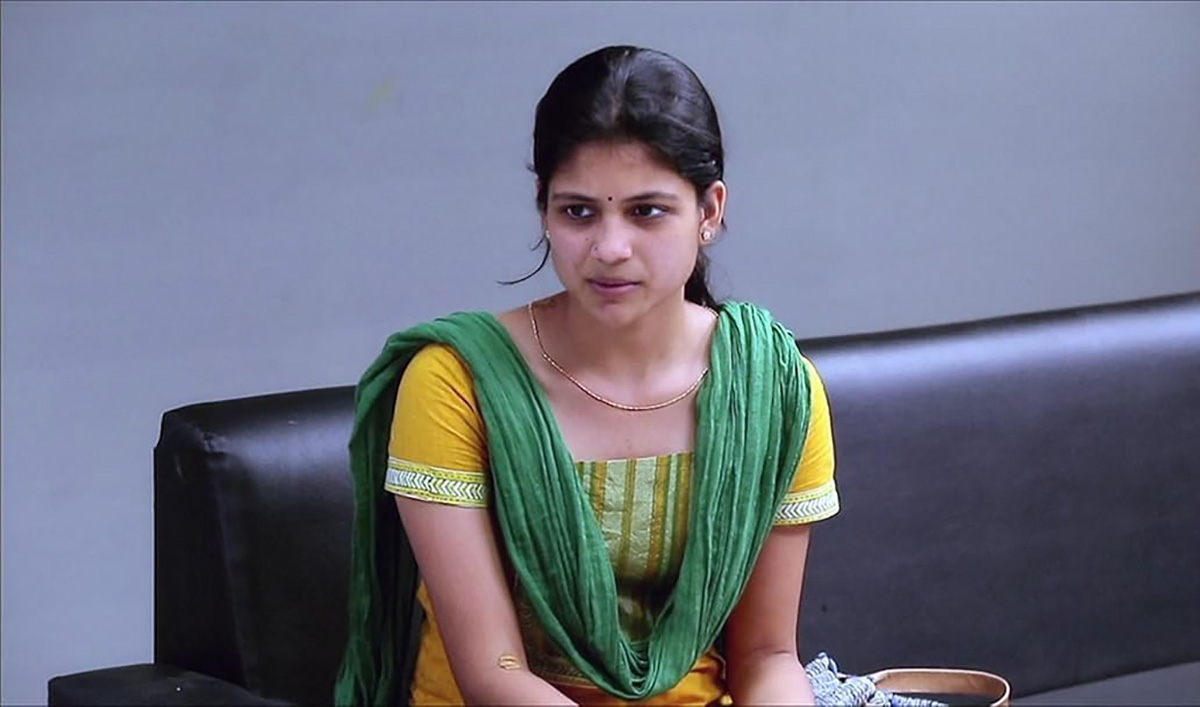
Aruvi on the contrary is quiet, unassuming and in short, a goodie goodie who morphs into a desi baddie. Her preference for relaxed clothing (a loose cotton salwar kameez which is her only outfit for a majority of the movieâs runtime) does not make her any less of a baddie though as she still embraces her bold self, She unflinchingly displaying acts of non-conformity and heroism/bad-ass energy served with a side of feminine grit and strength.
Baddies vs Society
Aruvi and Kitten are pitted against similar scenarios, and after being taken advantage of by manipulative men and toxic family members alike. Aruvi is disowned by her conservative family after an AIDS diagnosis during which her chastity is also questioned, while Kitten flees home voluntarily after being forced to patiently endure queer-phobia from her foster mother and equally bigoted step-sibling. It is but obvious that both of them have nothing to lose and soon start embodying the typical baddie mindset of just not giving a damn.
Even when they are mistaken for terrorists, they turn the tables on their captors and have the upper hand during interrogations. A deadpan Aruvi especially challenges the investigating officer to âtry itâ when he threatens to manhandle her for non-compliance, thus upending the power dynamics of this particular scenario. Later she breaks into monologues on live television over being vilified for rebelling against the patriarchy while her rapists are unjustly vindicated due to their privileged positions by this same society. Her anger is justified and her vocal, unfiltered nature further cements her status as a certified baddie.
Our Baddies Rise from the Ashes
Neither Aruvi nor Kitten trade in their kindness and optimism, exacting revenge and amends from their abusers with equal amounts of grace, pointedness and ingenuity. Forgiveness is extended and trust is only regained with their consent, and only once genuine remorse is shown. Thus, the archaic definition of the word baddie as somebody who was/is wicked (think âBollywood baddieâ) is subverted too, since both characters appear far more empathetic than those who wronged them.
Simultaneously, they rip the masks off individuals who present a performative façade of empathy, but instead mint money off a womanâs tears and trauma and a society that continues to platform or peddle harmful chauvinistic rhetoric. We can see this in two examples: a magician who pretends to help Kitten but instead exploits her vulnerability for personal gain and a female talk show host who sheds crocodile tears at Aruviâs plight but then proceeds to feed her to the metaphorical crocodiles by resorting to victim-shaming.
However, regardless of the cruelty and constant chastising they face, our likable baddies will eventually rise from the ashes, return more empowered and have the final laugh.
Baddies Supporting Fellow Baddies
Throughout their journey, Aruvi and Kitten are never alone. The former is accompanied by her loyal Trans sidekick/fellow outcast Emily (Anjali Varadhan) and the latter by her classmate/ally Charlie (Ruth Negga), a cis woman of colour respectively. Together the gang of baddies take the world by storm.

Kittenâs biological father, Fr Liam (played by Liam Neeson), can also be considered an honorary baddie since he knowingly houses a trans woman and her pregnant spinster friend on the church grounds when theyâre homeless, despite disapproval from his conservative parishioners. Circling back to my initial statementsânothing says certified baddie quite like an affinity for rebellion and non-conformity!
The More Baddies, the Merrier!
On a parting note, watching the endlessly entertaining and simultaneously bittersweet trajectories of Aruvi and Kitten unfolding left me with two thoughts. Firstly, that the world could certainly benefit from the existence of more baddies who kill with a mix of kindness and raw fierceness, and secondly, pink glasses are cool.
*Both movies available for streaming on Amazon Prime.


