






‘Nowhere to Lay My Eyes’ (2026; Dir. Hong Sangsoo)
If Hong Sangsoo doesnât have two films at the New York Film Festival, then is it actually the New York Film Festival? Following last yearâs single selection âWhat Does that Nature Say to Youâ and consecutive two-fers from 2021-2024 the prolific South Korean auteur returns with two more in the Main Slate, including the modest yet feisty âNowhere to Lay My Eyes.â Deploying a sturdy stock company of reliable collaboratorsâespecially Hongâs real-life partner, Kim Min-heeââNowhereâ deftly conveys inter-generational disappointment and familial misunderstanding, mostly over heavily-liquid meals.
Sanghee (Kim) works full time at a food conglomerate but her true love is documentary filmmaking, a hobby that her mom (Choi Myung-gil) canât seem to fathom. Booze greases the wheels of many a Hong narrative, and âNowhereâ carries that torch, particularly when an imbibing Sanghee bonds and battles (âWhat do I call you?â) with her momâs smarmy new partner (Kwon Hae-hyo). Ultimately Sanghee reverts to a familiar mean of detachment from her familyâmoms just donât understandâwhich amounts to a blessing. An added bonus: Sangheeâs pseudo-sister-in-law is a fan of her work, helping to offset momâs indifference to her daughterâs passion.
Even at 72 minutes, âNowhereâ is far from a breezy sit, as the family grudges unfurl, spike and wither, like the small flower Sanghee so admires. Recalling the fussy artists and resilient, full-of-life drinkers in Hongâs âThe Novelistâs Filmâ (2022), âNowhereâ harbors no treacly sentimentalism for the creative side-hustler or the frustrated matriarch. Instead, Hong imitates Kimâs fictional filmmaker (and Ozu), documenting at a slight remove the universal struggle to connect. And, in âNowhereâ the sense of alienation is both totally relatable and eternally annoying.
Grade: B
âNowhere to Lay My Eyes,â had its North American premiere at the New York Film Festival. Follow online for scheduled screenings.
‘Everything Else is Noise’ (2026; Dir. Nicholás Pereda)
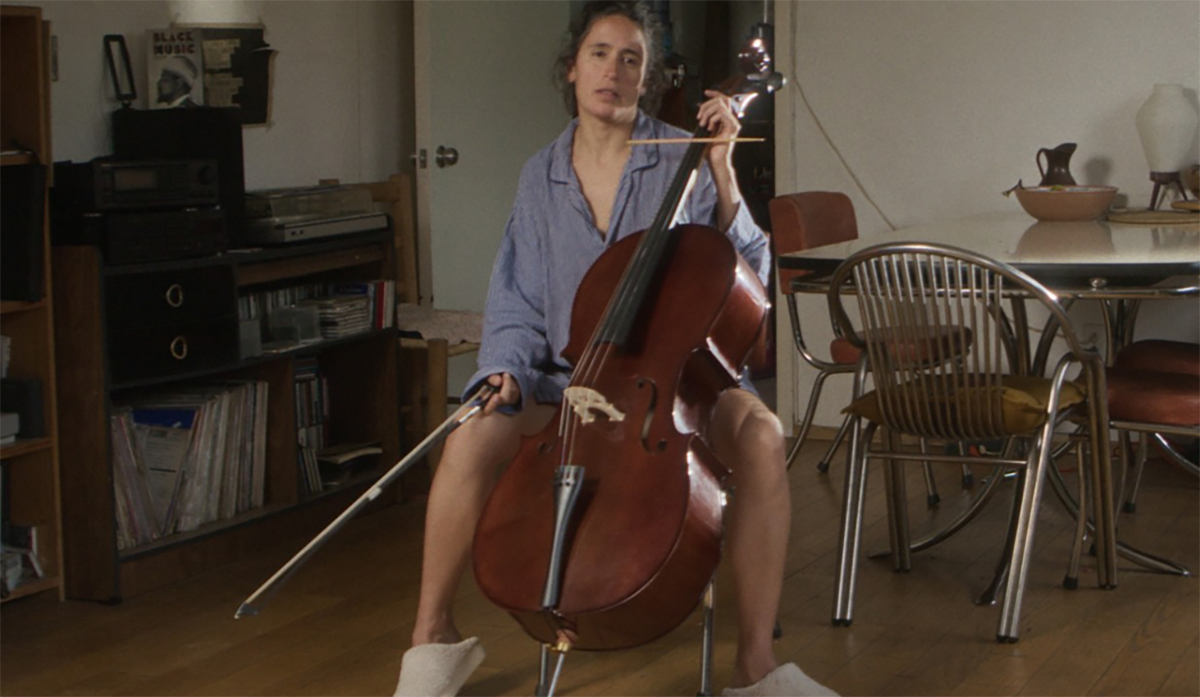
Not to be confused with Alex Rossâ authoritative doorstopper “The Rest is Noise”âa gigantic biography of twentieth-century classical musicâMexican filmmaker Nicolás Peredaâs âEverything Else is Noiseâ slims down the scope into a bitesize. At a mere seventy minutes, âEverythingâ is a charmingly droll, compact chamber piece. The film weaves, rather than marching or preaching forward. Centered around three women composers, âEverythingâ spotlights the trio of Tere (Teresita Sánchez), Rosa (Rosa Estela Juárez Vargas) and Luisa (Luisa Pardo, a wicked treat). Lying, groaning tricksters, Rosa and her daughter Luisa especially act out if only to please their willing audience of three.
Played out over the course of a single day, âEverythingâ starts in Rosaâs apartment and stays there, ending with an awkward, candlelit family dinner. Tere borrows Rosaâs place because she accepted an interview offer that her husband (who we never meet) insisted she itâs not right for her âat this point in her career.â The bumbling television crew of two contests with barking dogs, finicky neighbors and, most enjoyably, the sly provocations of the fierce female friends. Luisa, most of all, mirrors the edgy, atonal mood of âEverything,â which volleys from melancholy to silly and lands somewhere between nostalgia and pessimism.Â
What Made You Want to Be a Composer?
The men here arenât all fools, exactly, just predictable and meek. Luisa refuses to give her number to the flirting, insecure cameraman (âFind me on Instagramâ) and bets with Rosa (her mother) that, whenever she sees her dad again, heâll make the same comment as he always does, related to a âpercussion and voiceâ symphony that premiered twenty years earlier. Rosa, turning herself from host to subject, has her own fun, concocting a fictional story about her unique sense of smell, in response to the trite question of âWhat made you want to become a composer?â
Sure enough, Luisaâs dad/Rosaâs ex shows up at night (during a blackout), and the star-struck journalist asks none of the pat, perfunctory questions that he aimed at Tere or Rosa. Packed into a tight kitchen, Luisa and Rosa eavesdrop and laugh hysterically at the obsequious interviewer, providing a welcome break from their extended mother/daughter quarrel. Peredaâs final shot of these two cackling sums up their frustration and resilient pragmatism, signaling to what theyâll have to continue to put up with in the injustices of such a âmale-dominated industry,â turning the shrill, everyday noise into chaotic, personal music.
Grade: B
âEverything Else is Noise,â had its U.S. premiere at the New York Film Festival. Follow the festivalâs web site for updated screening times.


