





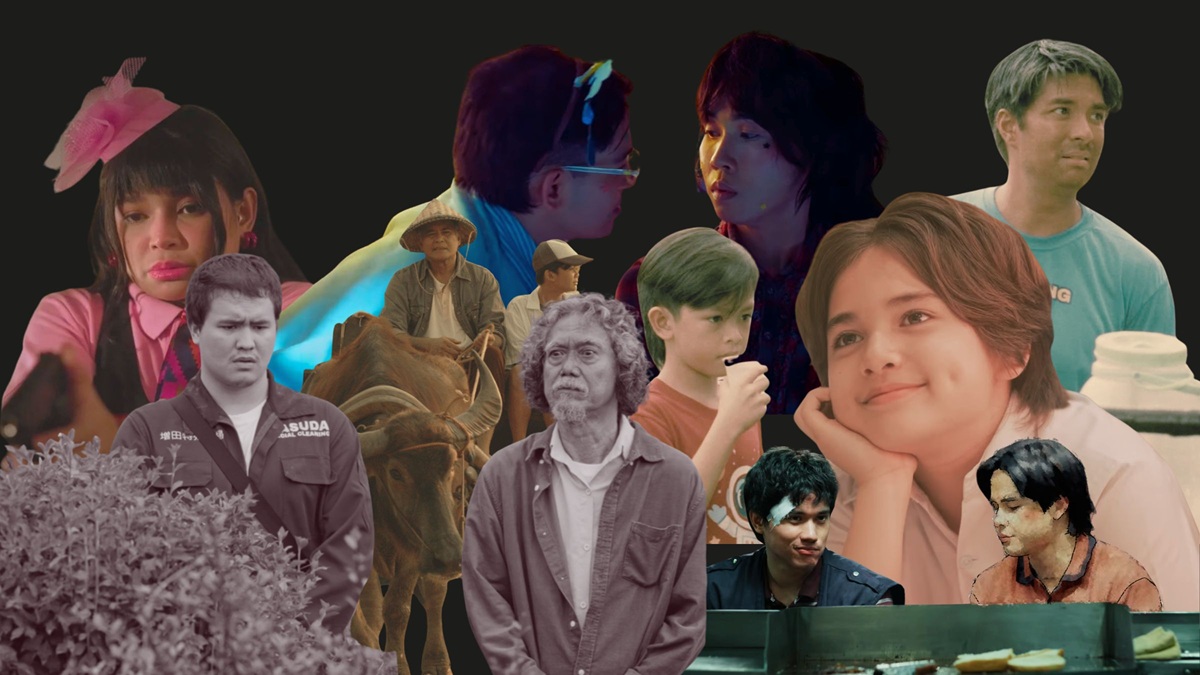
Now in its third year, the Puregold CinePanalo Film Festival is still a relatively young player in the Philippine festival landscape, but an unusual one. Backed by Puregold, one of the countryâs major grocery chains, the festival doesnât just exhibit films; it helps finance them, providing production grants to both established and emerging Filipino filmmakers. (Think Walmart if it had its own film festival.)
This year, each of its seven feature entries received â±5 million in support. Also in this iteration, CinePanalo loosened some of the boundaries that defined its first two editions. It dropped the prescribed âMga Kwentong Panalo ng Buhayâ (English: Winning Stories of Life) theme and previous genre restrictions, giving filmmakers considerably more freedom over the stories they wanted to tell. The resulting seven films donât fit comfortably under one description. There are romances and ghost stories, broad comedies and quieter dramas, with recurring ideas about memory, grief, family, and people trying to connect with one another. The results, unsurprisingly, are just as varied in execution.
For the first time, I caught all seven full-length entries this year. Rather than force a single argument across films that are often doing very different things, here are my capsule reviews of the CinePanalo 2026 lineup.
âStuck on Youâ (dir. Mikko Baldoza)
“Stuck on You” is stupid. Deliberately stupid, sure, but that intentionality can only get you so far.
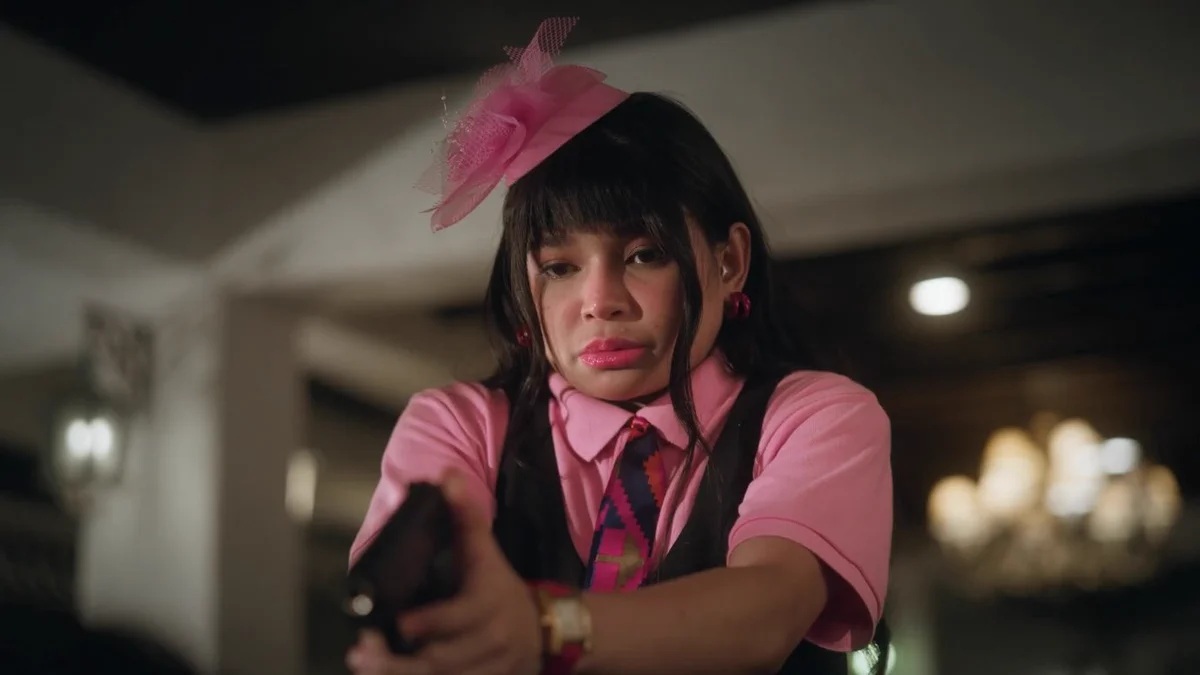
Sheryl Bunga (Xyriel Manabat), distracted after learning that her longtime boyfriend has been cheating on her, accidentally accepts what she thinks is a private manicure appointment. She has actually taken a hitmanâs job. Somehow, this eventually puts her on a collision course with Max De Dios (River Joseph), a handsome serial flirt whose habit of getting involved with married women has earned him more than a few enemies. You can probably see the rom-com machinery warming up already.
I donât mind that premise being ridiculous. In fact, thereâs probably a much funnier movie buried in it. Mikko Baldoza seems to be aiming for something intentionally lightweight, an excuse for Manabat to go broad and for the two leads to bounce between danger, slapstick, and attraction. Manabat commits to the assignment better than anyone. She throws herself into Sherylâs panic and physical comedy without worrying about looking foolish, and that commitment occasionally gives the movie the energy it otherwise lacks.
Joseph, meanwhile, is harder for me to buy. Max is supposed to coast on swagger and sexual confidence, but Joseph can be stiff and flat, particularly beside an actress doing as much as Manabat is. Their imbalance becomes difficult to ignore.
The filmmaking didnât help me settle into the joke either. Bright colors, conspicuous framing, and busy editing suggest an attempt at the heightened Pinoy rom-com language of the â90s and early 2000s, yet the images have an oddly televisual cheapness. Everything looks deliberate without looking particularly good. The plot is already featherweight; visually, the movie gives it even less substance.
Manabat keeps going for broke anyway. By the end, I was mostly watching her work rather than watching “Stuck on You.”
Grade: D

âBeastâ (dir. Lawrence Fajardo)
John Arcilla can sell me almost anything. “Beast,” however, comes awfully close to testing the limit of that proposition.
In the film, Arcilla plays Omeng, an aging farmer about to lose the land he has worked for years after its owner sells it to a developer. His last real connection is Marieta, a niece he once sent to Manila to study and hasnât seen since. So after one final harvest, Omeng heads for the city with Bob, his carabao and closest companion, armed with little more than the knowledge that Marieta once lived somewhere near Luneta.
Bob talks, by the way. Lou Veloso voices him, and the warmth of that voice is one of the movieâs better choices.
Lawrence Fajardo sends the pair through a succession of encounters that occasionally suggest a sharper movie, something close to the spirit of David Lynchâs “The Straight Story.” When tourists and influencers discover Omeng and Bob, the two briefly become content, everybody suddenly interested once thereâs a camera involved. I thought of Renei Dimlaâs “Republika ng Pipolipinas” during those scenes, though “Beast” only brushes against the idea before moving along.
Arcilla, though, remains Arcilla. Even when the material gets mawkish or silly, he finds something specific in Omengâs loneliness, stubbornness, and affection for Bob. Then the film arrives at a late structural reveal that asks us to reconsider nearly everything weâve just watched. Without spoiling it, I found the conceit more frustrating than moving. It didnât complicate the journey for me; it made much of that journey feel strangely disposable.
With that being said, the filmâs use of generative AI bothered me even more. Itâs used for Bob and other talking animals, among other moments, and the results are visibly rough. Granted, AI can exist somewhere in a filmmakerâs toolbox. But when artists and VFX talent exist, and a film has actual production funding behind it, the question of why generative AI was the preferable shortcut becomes harder to ignore.
Grade: C-
âWantawsanâ (dir. Joseph Abello)
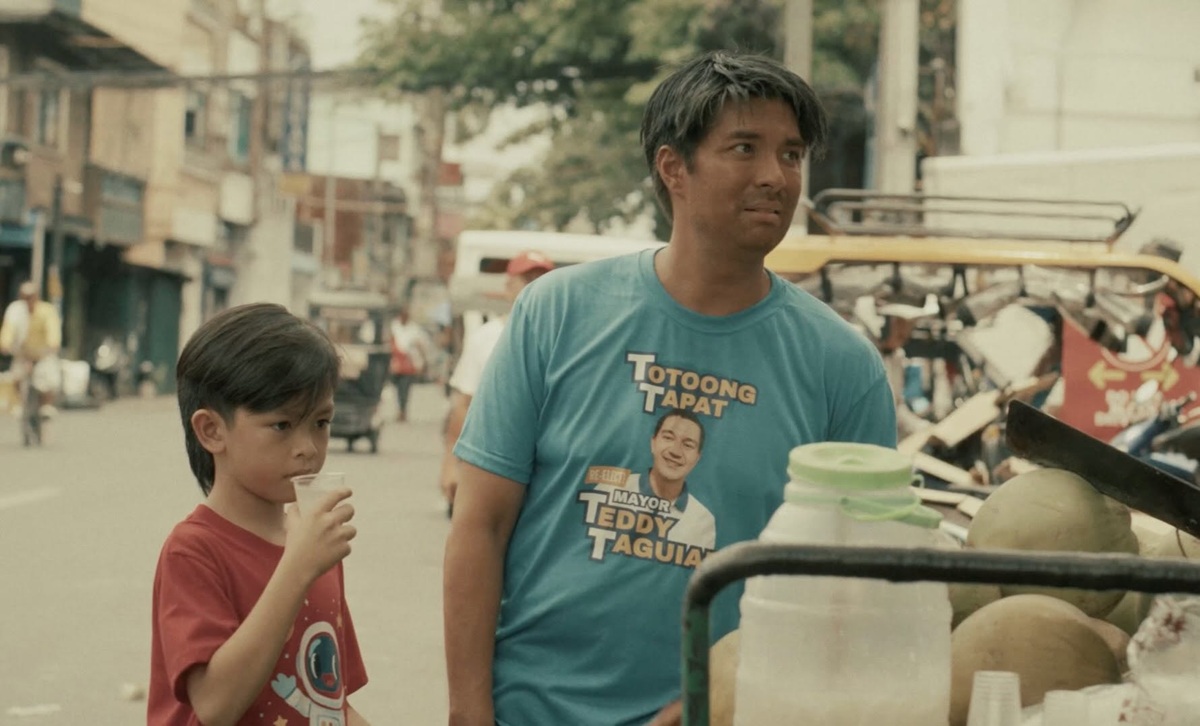
A newly elected mayor hands Chito (Joross Gamboa) â±5,000 after he spent the campaign season helping get him into office. Before Chito can even enjoy it, men he owes money to take â±4,000. That leaves him with one thousand pesos and a promise already made at home: itâs his sonâs birthday, his wife has started inviting people over, and somehow he has to make that last bill stretch.
Joseph Abello builds “Wantawsan” around that increasingly impossible arithmetic. Most of the movie unfolds over a single day, with father and son moving from place to place as he calls former employers, attempts to collect small debts, looks for work, and tries to salvage the birthday. I thought of the Neorealist movement more than once, not because “Wantawsan” approaches De Sica or even Kiarostamiâs level, but because the basic movement is similar: an ordinary economic problem becoming a tour through an entire social condition. Thereâs a little “The Pursuit of Happyness” in the father-son dynamic too.
The political satire is less even. Patronage is Abelloâs obvious target: politicians know exactly how to turn money into loyalty, then disappear once the vote has been secured. But the writer-director also turns some of his frustration toward voters who knowingly participate in that arrangement again and again. Whether or not this was intentional, I actually found this second strand sharper, perhaps because the movie is less interested in making excuses for its protagonist.
Visually, there are good choices here. The patient stretches of walking and waiting fit the material. But the movie still has a cheap sheen, and one decision bothered me much more: Gamboa and Alwyn Uytingco are made conspicuously darker. The bronzing is so heavy that it becomes caricatural, as though poverty has to be written directly onto their skin. It doesnât. Gamboaâs exhaustion, the unpaid debts, and the humiliating arithmetic of that last thousand pesos already tell us plenty.
Grade: C

âMultwoh (Patay na Patay Sa’yo)â (dir. Rodina Singh)
Rodina Singh understands the particular ache of Marcelâs desire. Played by Sassa Gurl, Marcel has spent years in love with her best friend Miguel (Joao Constancia), even turning that longing into a vertical series where she can rewrite their relationship on her own terms. Then she dies before Miguel can tell her what he had wanted to say.
The movie takes off from the Filipino belief that the dead remain for 40 days, with Marcel trying to reach Miguel before she finally has to move on. What works best is how naturally Singh handles trans desire. Marcel isnât turned into a lesson, nor does the film explain her attraction for the benefit of anyone outside her experience. The fantasies, embarrassment, jealousy, and wishful thinking are simply hers. “Dreamboi” explored similar territory with more grit and a stronger lived-in quality, though; “Multwoh” often looks surprisingly cheap beside it.
Baguio gives the film much-needed texture. Singh sees the city through dorms, streets, and everyday spaces instead of the usual tourist landmarks. Alongside it, Paulo Almadenâs dynamic score and the eclectic soundtrack do a lot of work as well. The generative AI inside Marcelâs vertical series is more complicated. Its use makes narrative sense because Marcel herself is using it, but that doesnât necessarily mean the production had to reproduce the method literally. With questions about generative AI and creative labor becoming harder to ignore, there was room here for a more thoughtful workaround.
Sassa Gurl remains the movieâs strongest argument. The comedy comes easily, but there are flashes of real dramatic ability too, the same sort of potential Vice Ganda showed before the persona became larger than the acting.
Thereâs a better, stranger movie somewhere inside “Multwoh.” Singhâs understanding of Marcel is already there. The rest of the film never quite catches up.
Grade: C+
âPatay Gutomâ (dir. Ian Pangilinan, Carl Joseph Papa)
Thereâs a good joke sitting inside the title “Patay Gutom.” We use âpatay-gutomâ for somebody ravenously hungry, while the movie’s English title, Dead Hungry, makes the words literal. Thereâs someone whoâs dead. Thereâs someone whoâs hungry. And what connects them is an atang, food offered to the dead, which turns out to be an especially fitting device for a movie about memory and what happens when nobody comes back to visit anymore.
Art (Khalil Ramos) died in 1999. We watch the years pass and the visitors disappear until even his memories start going with them. Then Ian Pangilinanâs Tristan, still grieving his own father years after his death during COVID, delivers a sans rival for Artâs grave next to his father’s, goes hungry, and eats the offering. Before long, Tristan discovers he can suddenly see Art.
Thereâs someone whoâs dead. Thereâs someone whoâs hungry
My shorthand while watching was “Pangilinan and Papa do ‘Coco’ with a touch of Lowery’s ‘A Ghost Story‘.” Not a bad combination.
Memory has followed Carl Joseph Papa through so much of his work, from “Manang Biring” and “Paglisan” to “Iti Mapukpukaw” and “58th,” and Iâm still interested in the different shapes he finds for it. Here, the dead gradually forgetting themselves gives the idea a nice sting. The living remember through visits, stories, food. Stop coming and eventually something goes missing.
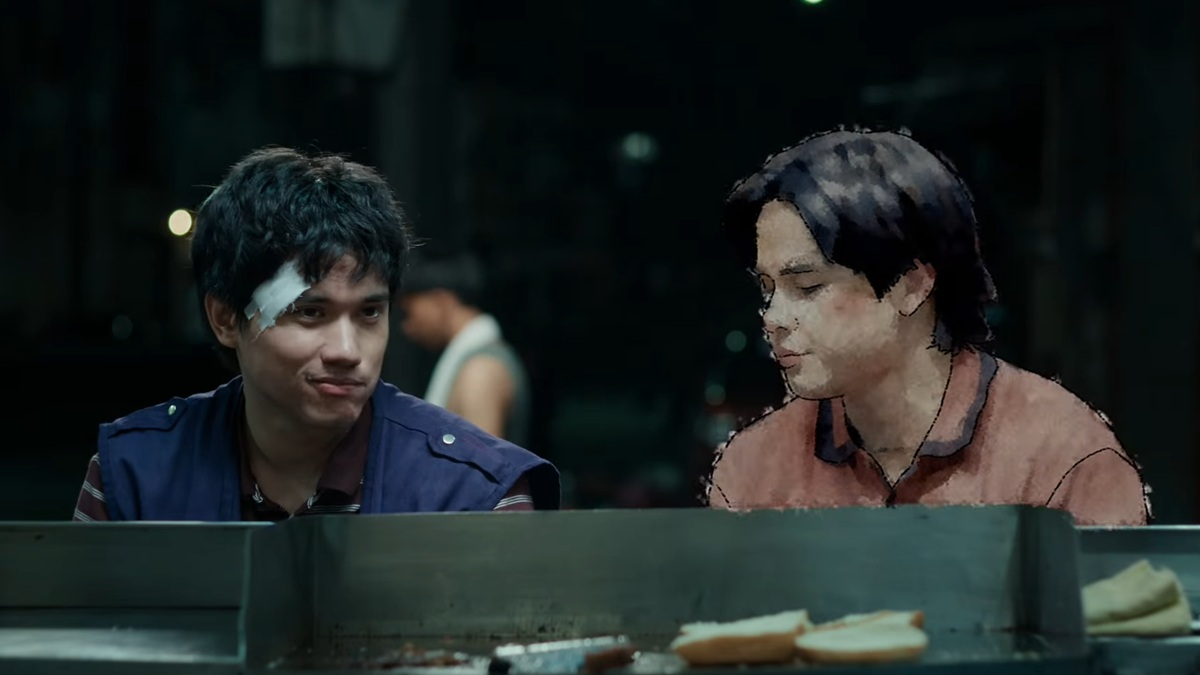
Iâm less convinced by the movieâs formal split, though. Papa and Pangilinan keep the living in live action while the dead are rendered in Papaâs trademark rotoscope animation, with other animated styles appearing in fragments of memory. Sometimes it clicks. Other times I became very aware of the animation as a Carl Joseph Papa signature rather than something this particular story absolutely needed. Itâs a question Iâve occasionally had even with films of his that I admire, and “Patay Gutom” brought it closer to the surface.
Still, Papa knows tenderness, and Pangilinan clearly does too. Ramos and Pangilinan have easy chemistry; their growing attachment is funny, sweet, and convincingly kilig. I had issues with how the movie gets there, but I bought the two of them together. Sometimes thatâs enough to keep a ghost story alive.
Grade: B-
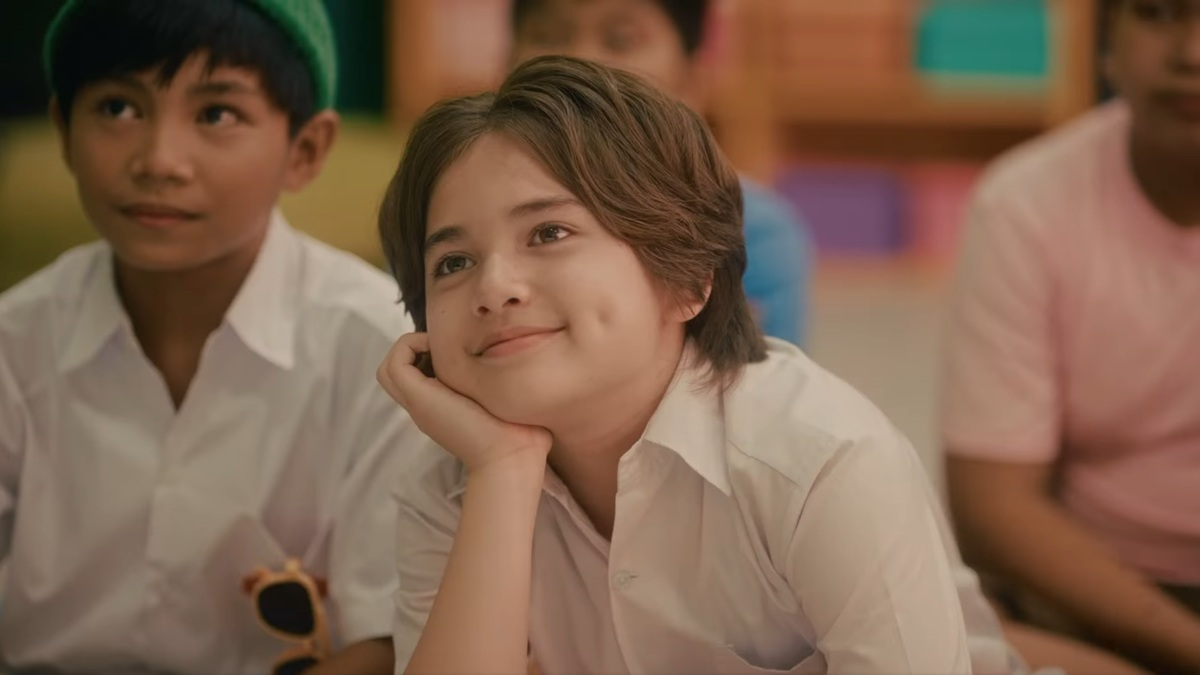
âApol of My Aiâ (dir. Thop Nazareno)
Oh, to have a childhood crush again.
“Apol of my Ai” gets a lot of mileage out of that particular euphoria, when a teacher smiling in your direction can practically make your whole day. I mean, who among us had never had a crush on people older than us at some point, especially a teacher? Through Apol, the movie remembers how enormous those feelings can seem when youâre young. Zion Cruz sells it, too. The kidâs a star. Like a young William Martinez with just the right touch of mischief, his dimple is doing some serious work here, but so are his comic timing and natural charisma.
Thereâs more going on with that crush than Apol probably realizes, though. Heâs enamored with Teacher Ai (Rochelle Pangilinan) while still mourning his mother and dealing with a father (Zanjoe Marudo) who has been largely absent from his life. So while the movie has fun with the puppy-love stuff, it also makes sense that Apol would gravitate toward somebody warm and nurturing. Kids in situations like his tend to grow up faster than theyâre supposed to, and you can see some of that in him.
Then Teacher Ai enters the picture and suddenly heâs just a kid again, hilariously spaced out and just hopelessly smitten.
Pangilinan has this lovely old-school screen presence as Maâam Ai, and making her the school chorale teacher gives the movie another avenue into its affection for the kundiman. I liked that part of the film more than I expected. Music becomes a way for these people to say things they otherwise fumble, particularly Apol and his father Poli. Their relationship is frosty for good reason, and Iâm glad the movie doesnât pretend one gesture can erase years of absence. It does, however, allow them to understand each other a little better.
And yes, the movie gets corny, among many other issues I have with the film. You can probably guess several emotional beats before they arrive. But the corniness is so well-intentioned that I mostly went with it, maybe because the feeling itself is so recognizable. A childhood crush really did seem that serious once. And with a star-making turn that arguably puts older actors to shame, Zion Cruz makes you remember why.
Grade: B
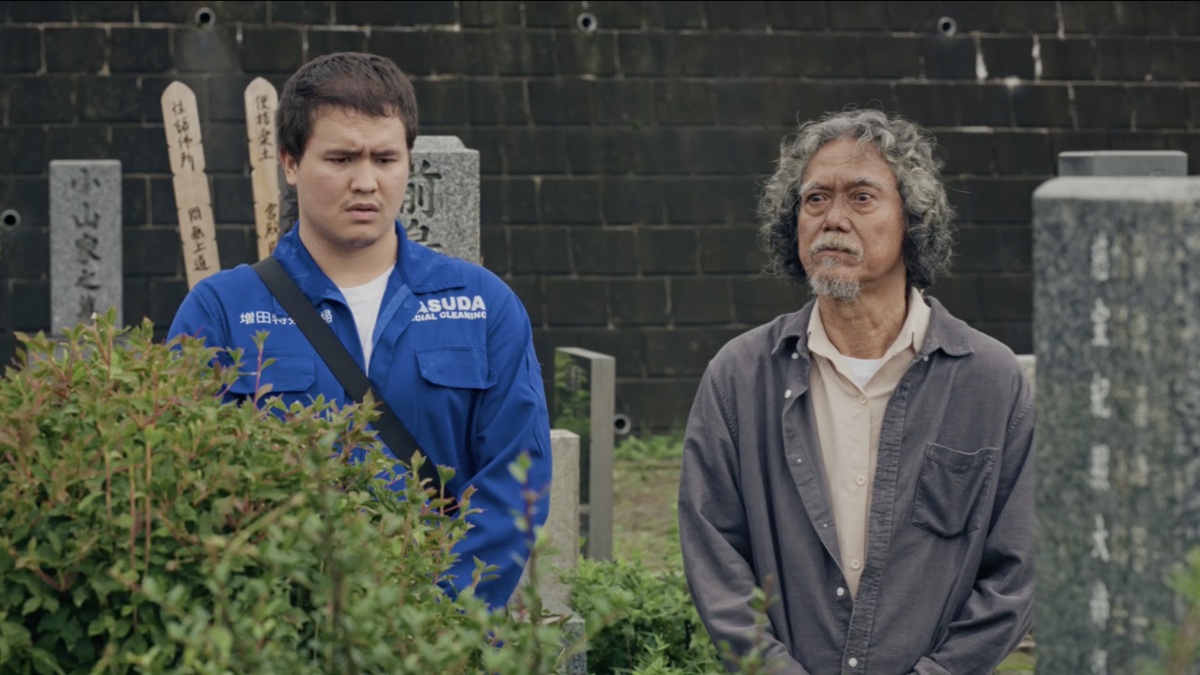
âMono No Awareâ (dir. BC Amparado)
“Mono no aware” (ç©ã®åã) is a concept usually associated with an awareness of impermanence: the bittersweet recognition that things pass and that knowing they will pass changes how we look at them. BC Amparadoâs film takes the idea rather literally at first. George (Perry Dizon), a recent widower living alone in Japan, moves through the same routines day after day, drinking too much and carrying the physical damage of an old workplace accident. Ichiro (juan karlos), meanwhile, cleans homes after kodokushi, or âlonely deaths,â and occasionally pockets valuables from the rooms heâs assigned to.
Their first encounter is almost a false alarm: Ichiro arrives at Georgeâs home expecting to find a body and instead finds George alive and a dead cat responsible for the smell. When they meet again, George has an unusual proposition for him, one that gradually turns this quiet movie about death into a story about two people finding a reason to stay connected to somebody else.
Iâve had reservations about Amparadoâs filmmaking before, but this is easily the most assured work Iâve seen from him. Iâm already a sucker for slow movies about people simply going through their days, and “Mono No Aware” knows when to sit with those routines. Some of its best passages are almost aggressively unglamorous: Ichiro cleaning an apartment without music, the sound of the work filling the room, maggots crawling around places where bodies once lay. A dead black bird becomes a recurring image, shown at different stages of decay until eventually thereâs barely anything left of it. Not subtle, maybe, but the image stuck with me.
The third act does over-explain itself, and a few emotional turns wouldâve hit harder had the screenplay trusted us to connect them on our own. Through all these, juan karlos helps tremendously. He gets Ichiroâs agitation, desperation, and dark humor, but also his youth; you sense a guy whoâs making ugly choices because heâs running out of decent ones. I also loved that the film lets him speak Cebuano. The jokes and little flashes of personality come more naturally because of it.
And then thereâs Perry Dizon. Weirdly, despite the sheer number of Filipino films heâs appeared in, I still immediately think of his small part in “Drive My Car.” Here, he gets the space to be funny, grouchy, lonely, and unexpectedly gentle opposite juan karlos. Their age difference gives the friendship some bite before the affection starts showing. And when those everyday routines show a grieving man looking for a reason to keep living, boy. That really did me in.
“Mono No Aware” is, without question, my favorite film of the whole lot, and among the year’s best in Philippine cinema.
Grade: A-
This year’s Puregold CinePanalo Film Festival runs from September 23 to October 4, 2026 in select cinemas across Metro Manila, Philippines. Follow us for continuing dispatches, reviews, capsules, and wrap-ups.




