





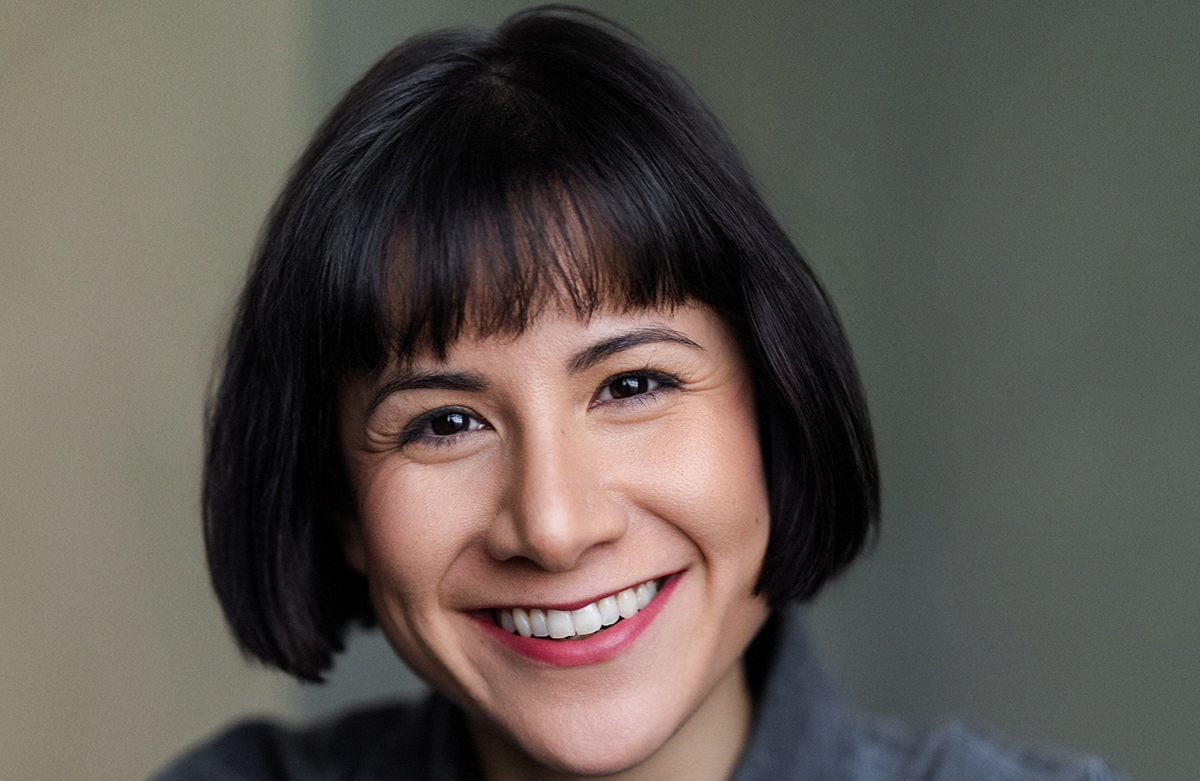
Back in June during the 2026 Tribeca Festival, we had the chance to watch a powerful, female-led short, “Kaya.” Written and directed by Isabel Lamers, the film was multi-faceted, focusing on a Filipina woman who wanted to be a martial artist, juggling themes of belonging and accomplishment. That Lamers played the lead character, Nia, herself shows her commitment to the project and how close the film was to her heart. At only 12 minutes, the film is both dramatic and intense. It also features heartfelt looks at personhood and fight choreography by 87Eleven, which is affiliated with the “John Wick” saga.
Since then, Lamers’ film has been featured on the West Coast at the HollyShorts Film Festival and has a bright future. Recently at The Movie Buff, we had the chance to talk to Lamers about “Kaya” in an intimate conversation. In the following interview, Lamers talks about making the film, challenges on set, learning fight choreography, a hopeful feature, and more. Follow us at the end of the interview for follow links for the film and director. (*Note: this film has been edited for clarity).
Mark Ziobro for The Movie Buff: Thank you for speaking with us about your excellent short. Can you introduce yourself for our readers?
Isabel Lamers: My name is Isabel Lamers. I am the writer-director, producer and lead of the short film “Kaya” (áá) which had its world premiere at the Tribeca Festival just this June, and it’s West Coast premiere at the Oscar-qualifying HollyShorts Film Festival. Our film also got nominated for ‘Best Stunts’ at Hollyshorts. I originally trained as an actor; and “Kaya” (áá) was my directorial debut and my writer debut.
MZ: What is âKayaâ about? Can you talk about how you came up with the concept?
IL: “Kaya” (áá) is a film about mixed-race identity and belonging explored through the lens of Filipino Martial Arts. I wanted to write about something personal and the search for belonging has been with me ever since I was a child. When I discovered Filipino martial arts in the U.S., something clicked for me. I wondered why we are not more proud about our culture. I realised this is because of a post-colonial mindset in which our culture is viewed as [beneath]western culture or less aspirational. And that connected well with my own experience of feeling like I don’t belong whenever I go home.
MZ: What was it like playing Nia? Did the physicality of the role come naturally or was there a lot of prep work?
IL: I had just started practising Filipino martial arts that same year that we started preproduction for “Kaya” (áá) so there was a lot of prep work. I wanted the fighting to be as authentic as possible and respecting the rules of the martial art. Especially since I wanted to advertise it as a female-led action film, so the action needed to look good. Luckily, Nia is written as a beginner so I did not have to fake anything with regards to that.
I wanted to write about something personal and the search for belonging has been with me ever since I was a child.“
Isabel Lamers
MZ: I liked that Niaâs first opponent, Malic, became her ally. It sidesteps convention. Was this always your intention?
IL: Wow, I love that you noticed that! Yes, I believe we often underestimate how everyone and everything in your life can teach you something. Some of my closest friendships have begun with a bit of antagonism or maybe a misunderstanding of who the person is that you meet for the first time. In the case for Malic specifically, we have to understand that he is acting within the limitations of his life, in his situation and position at the gym. So in everyday life it is kind of similar. Everyone is doing the best they can with what is given to them. So we cannot judge from just a single interaction.
MZ: How was it learning the fight choreography?
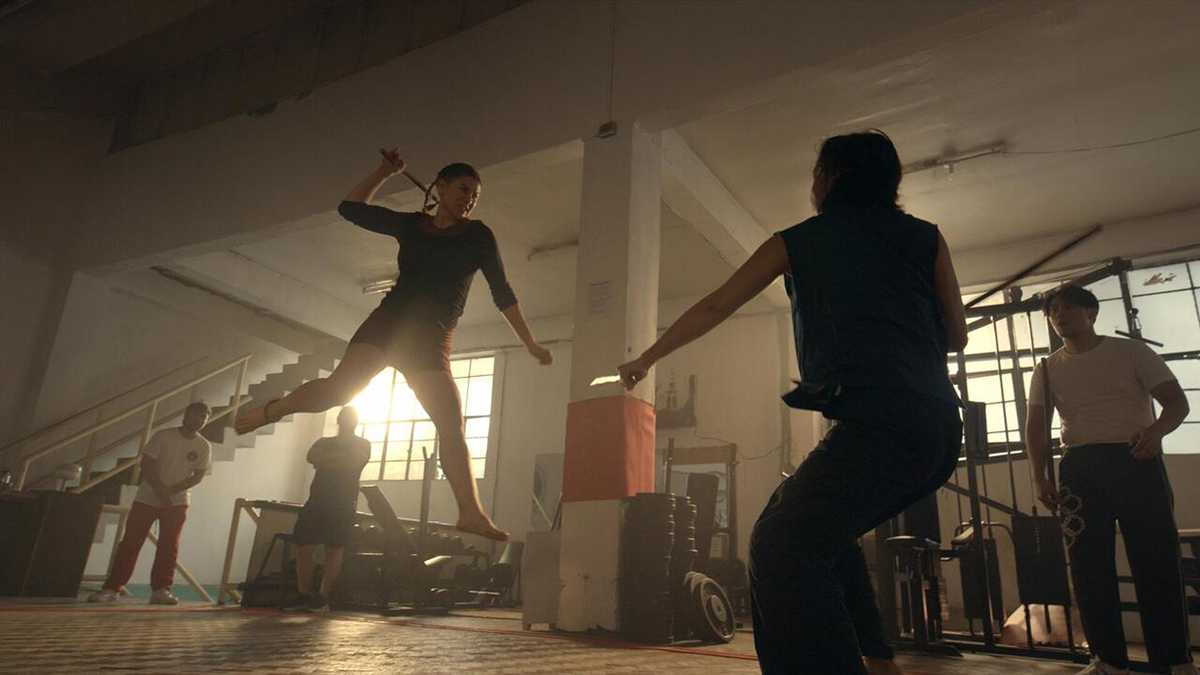
IL: It’s interesting because I did not have to really learn it because we were working on the choreography with our fight choreographer Lauren Mary Kim and stunt coordinator Nico Ramirez intensively. By the time that we were starting to shoot the film I had already practiced the choreography so many timesâwith the other actors and in camera rehearsalâthat I was just ready. It’s good because I am a very impatient person in general. I like things to work out the very first time I ever try them. Ha ha!
But in all seriousness, it was a lot of fun and it was a great challenge to become better and better at every iteration of it. And I really learned about the importance of breaking down steps within a movement so that you can understand the movement better. I also became very intrigued about how movement and physicality can express so much without saying anything.
MZ: One of the themes of âKayaâ is a sense of belonging, especially Nia feeling she doesnât fit into to either world, white or Filipina. What do you think drives Nia?
IL: In “Kaya” (áá), Nia has this idea that she can prove that she belongs to the people around her. Although she is self-conscious about looking White, she feels that if she treats her appearance with Filipino clothing or stylingâand if she also masters the traditional martial art of the Philippinesâmaybe, just maybe, will she be accepted. I think what drives her deep down is that she herself has not accepted who she is, so external validation becomes so important. I don’t wanna give anything away but she does arrive at a conclusion at the end.
MZ: Do you think proving herself is what motivates Nia? Or would she rather just be able to exist without fighting for everything?
IL: Yes, you’re absolutely right. She would be better off existing without having to fight for everything. And I think proving herself is her modus operandi for the longest time. Most people who have grown up in a culture that behaves or looks differently than themâor that they look differently fromâknow the feeling of a constant interrogation and constant confrontation, which are often several times a day. I’ve been asked to identify myself. This is why in the film I wanted to make it so obvious because the experience is real. And hence why people become sensitive. Over the course of our life, how many days and years pass in which you are asked the same question over and over again? It’s too much to count.
I believe we often underestimate how everyone and everything in your life can teach you something.“
Isabel Lamers
MZ: What were some challenges in filming âKaya?â
IL: So many, and I say that with a laughing and a smiling eye. Filmmaking is such a joy and such a challenge at the same time. It’s probably one of the most challenging and most fun things Iâve ever done. I honestly did not expect that. Apart from the obvious production challenges that I think everyone knows and talks extensively about, one of the key challenges for me was to maintain authenticity while revealing yourself. And I think this is true for writers, actors, but also directors. We basically take this vision out of our headâcreate it visuallyâand then show it to everyone! I mean, isnât that so scary?
I think that is a true challenge, because the temptation of listening to other people’s advice of going more mainstream, or of getting that thing that will make it safe (like that star name or that star producer) is present. You’re confronted with ideas that “guarantee success” instead of doing the thing that fulfills your vision or represents the truth of it. It’s so hard. You have to trust yourself first and foremost. And if you’re not very experienced, trusting yourself feels even more risky, because there is almost no guarantee, and even less people who believe in you. But that’s also what’s so exciting!
MZ: How was the reception of âKayaâ at its world premiere at Tribeca? Has it shown anywhere else since then?
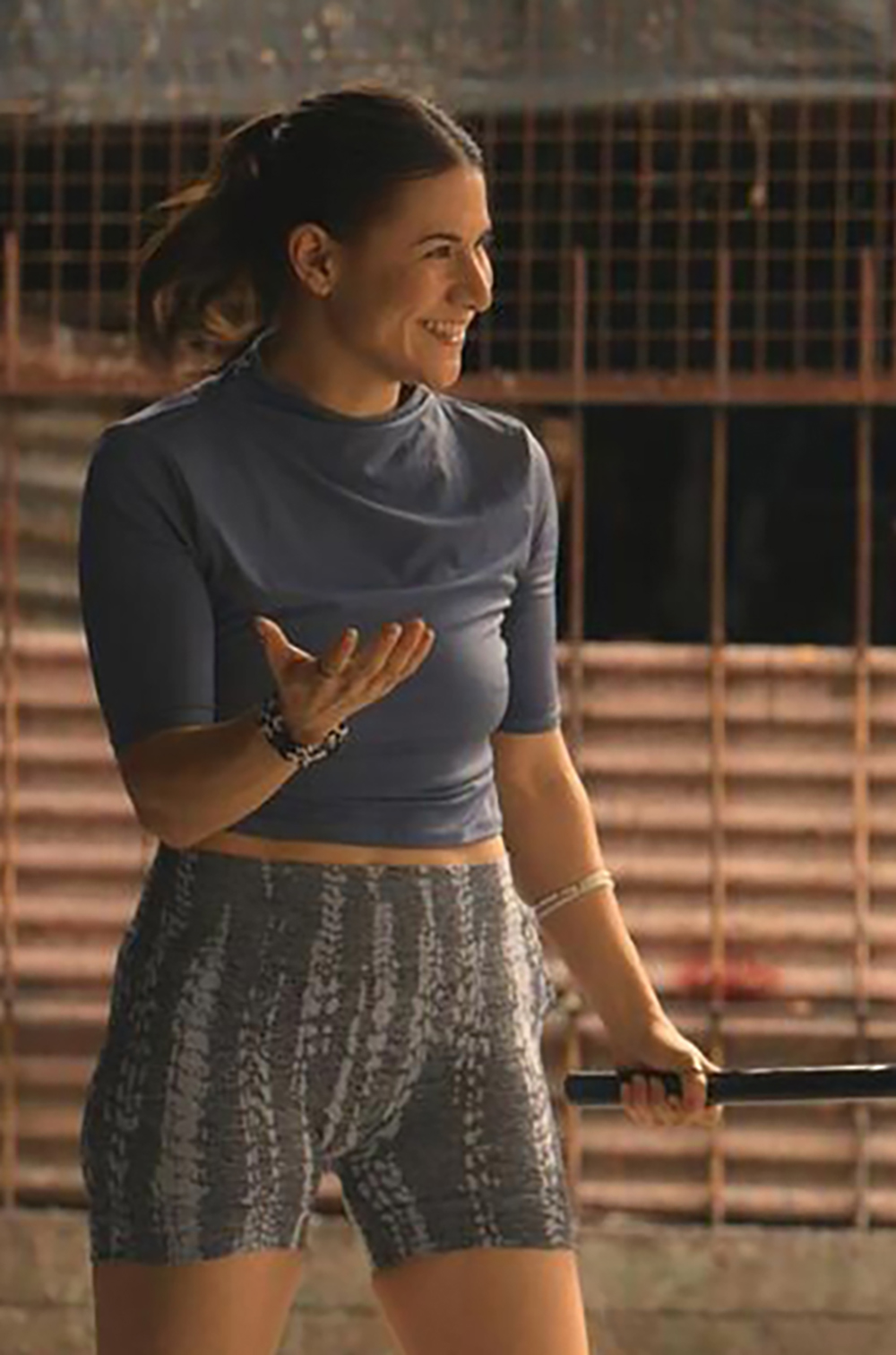
IL: Tribeca was incredible for “Kaya” (áá), from sold out screenings to interviews and networking meetings. It was amazing. I loved hearing the audience responses both during the screening and after. I also really enjoyed discussing films and filmmaking with the incredible and talented filmmakers that attended. It was truly an inspiration.
And “Kaya” (áá) has definitely been making the rounds! We have played in various different states including Wyoming, North Carolina, Connecticut, Georgia, and we recently had our West Coast premiere at the Oscar qualifying HollyShorts Film Festival where we were nominated for ‘Best Stunts.’ So far we had at least a few screenings every month so I am incredibly grateful for all the interest in and support of this film.
MZ: What is next for âKaya?â Are there any future plans? Also, do you have a feature film in mind some day?
IL: You are spot on! “Kaya” (áá) was written as a proof of concept for feature film so we are finalising the feature draft and looking for collaborators, producers, and investors to work on the feature.
MZ: Where can people follow the film? Do you have any websites or socials?
IL: Please follow us on social media @kaya_the film as well on our website: www.kayathefilm.com. My handle is @Isabel.lamers. Thank you for speaking to us and good luck with the film!
We thank Isabel for her time and candor. Aside the above links, you can learn more about the film on IMDb and by watching the film’s trailer in the window below.


