





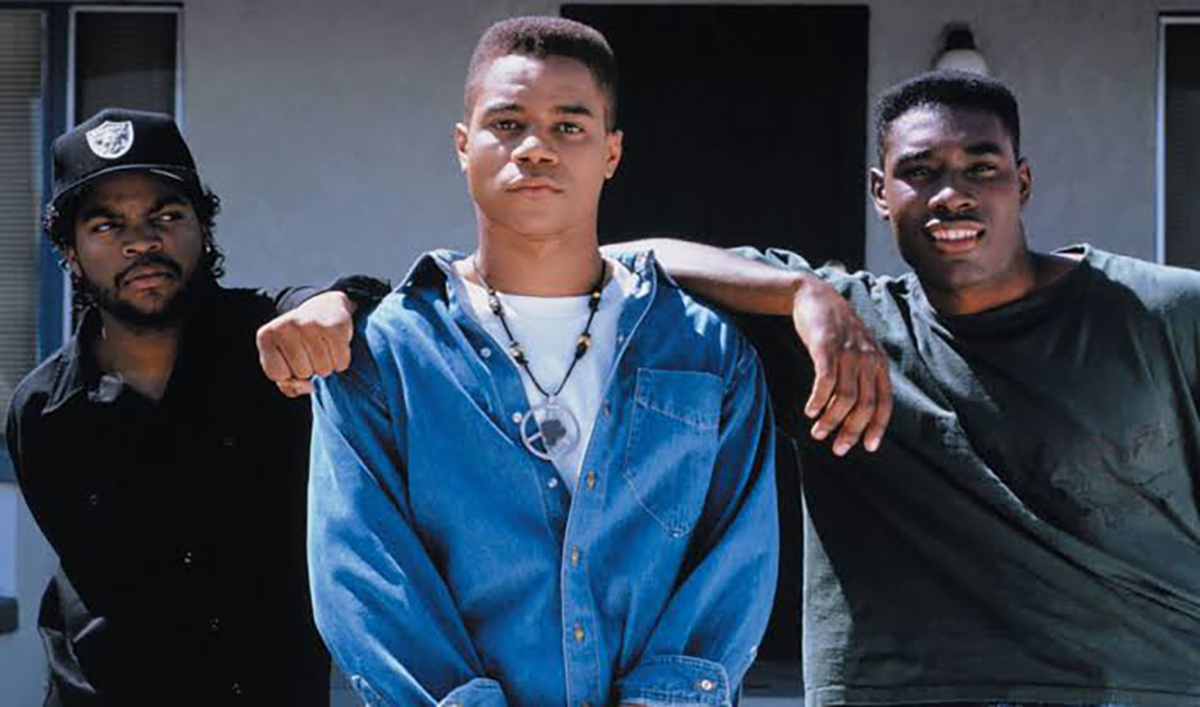
When thinking about Black culture told throughout cinema, a few films come to mindâmostly those from its Blaxploitation era: “Shaft” (1971), “The Mack” (1973), and “Dolemite” (1975), you know the unsung heroes of the ghetto. But nothing strikes me more than John Singletonâs 1991 directorial debut, “Boyz n the Hood,” about life for young Black Americans living only 23 minutes by car from Los Angeles’ infamous Walk of Fame. The film is more than just the legacy it has on social media through its memes, popular catchphrases, and ominous saxophone music. It’s a coming-of-age story with a series of life altering events that nevertheless maintains a raw yet optimistic reality.
One of the many successes to come from this project was being the first mainstream Hollywood film that exposed the world to L.A. Black culture as told by a Black director with an all-Black cast. But what was most unique about this project was Singletonâs choice to use real local residents from the neighborhood alongside trained actors, making it a genuine effort through-and-through. There are some things that can’t be faked or portrayed even by world-class actorsâyou need the real deal, or the film loses something vital.
A Film that Defined a Generation
This desire to keep things as authentic as possible indirectly brought forward new talent from within the community, even jump-starting the careers of both Regina King and Morris Chestnut. And making his feature film debut was N.W.A’s very own Ice Cube as Doughboy, which is poetic in its own right, given that the film is named after the song he wrote for fellow group member Eazy-E. These same actors would go on to collaborate with Singleton on other notable projects.
Even 35 years later, itâs still very easy to get mesmerized by this filmâfrom the music that defined a generation and took over the world seemingly overnight, to the gold hoop earrings, ropes, and herringbone chains, all the way to the California curl. But its most recognizable set piece would be Doughboy’s 1963 Chevrolet Impala convertible. The custom lowrider was acquired for $500 before being turned into a beautiful work of art featuring hydraulic switches, gold Dayton wire wheels, and gold custom paint accents. Its builder, Emiliano “Chino” Gonzalez, gave the car the name ‘Touch of Gold.’
âFrom the glitz and glamour to the gritty violence, audiences overall are infatuated with the lifestyle of the people submerged in the cultureâso much so that a lot of the messages can easily be overlooked. Something that lives rent-free in my head, well before the main cast reaches a more mature age, is the “rules of the house” scene. Furious Styles, portrayed by Laurence Fishburne (“The Matrix,”), and his young son Tre (Desi Arnez Hines II) are lifting weights, establishing ground rules for their new living arrangements while sharing a true father-son bonding moment.
Love Can Either Build You Up or Destroy You
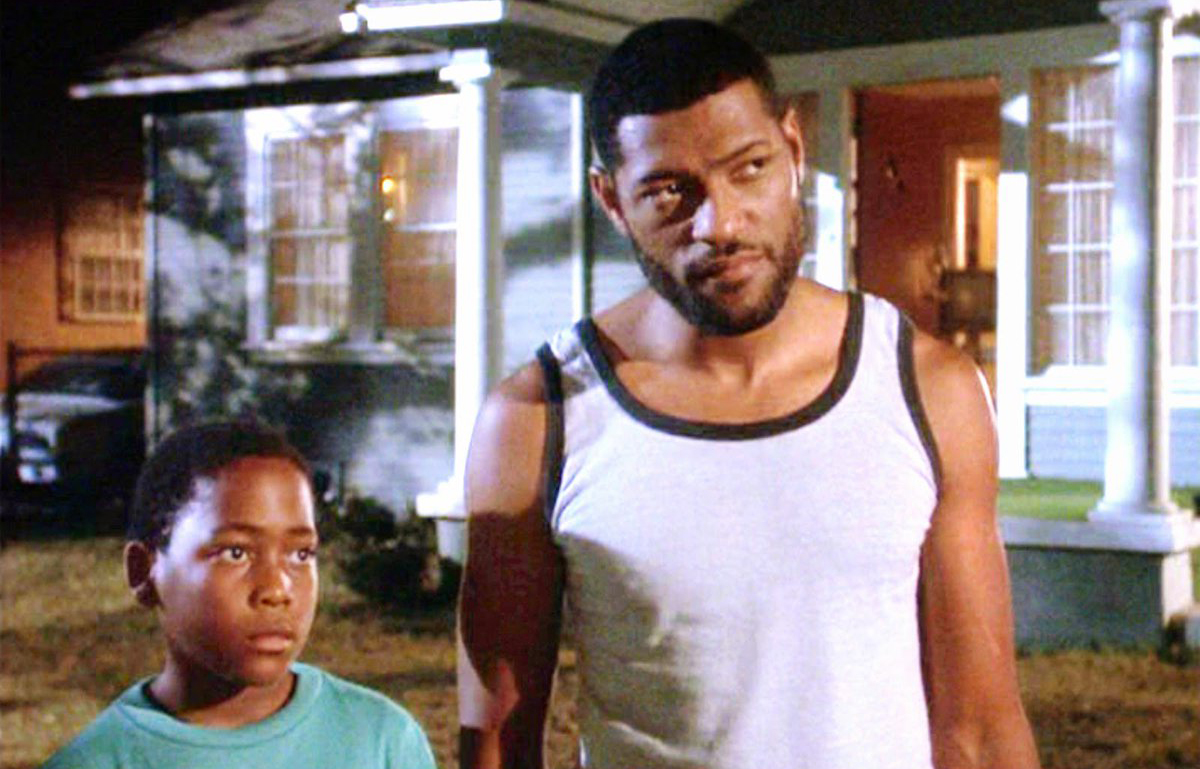
I would argue that this scene, better than most, captures how having a male figure in the household plays a crucial role in the development of a young Black American maleâa positive figure who practices what he preaches and guides through teaching instead of punishment to help them become a responsible adult. The words of Furiousâ”Your little friends across the street, they don’t have anybody to show them how to do that, and you will see how they end up too”âforeshadows the fate of the boys at the filmâs conclusion. We all live and die behind our decisions. It begs the question: without the knowing better, how can anyone be expected to do better? That’s why it will always make sense that Trey got out of the car.
The film also explores how a motherâs love can either build you up or destroy you. Ricky (Morris Chestnut) is favored by his mother (Tyra Ferrell), while his brother Doughboy (Ice Cube), is treated harshly (supposedly because the boys have different fathers). Heâs ultimately raised by the streets of South Central. This dynamic was no accident; the brothers live very different lives despite growing up in the same house. By never experiencing affection at home, Doughboy becomes a hardened shell whose future doesn’t look bright. Meanwhile, Ricky becomes a star athlete headed for college. Could Doughboy’s life have been different if heâd experienced genuine affection from his mother, or was he doomed from the start? He wasn’t inherently evil, nor did he exhibit traits of a sociopath. He was just a misguided soul who never had anyone in his corner, leading his environment to shape him into a hardened survivalist.
John Singleton Made Cinema History
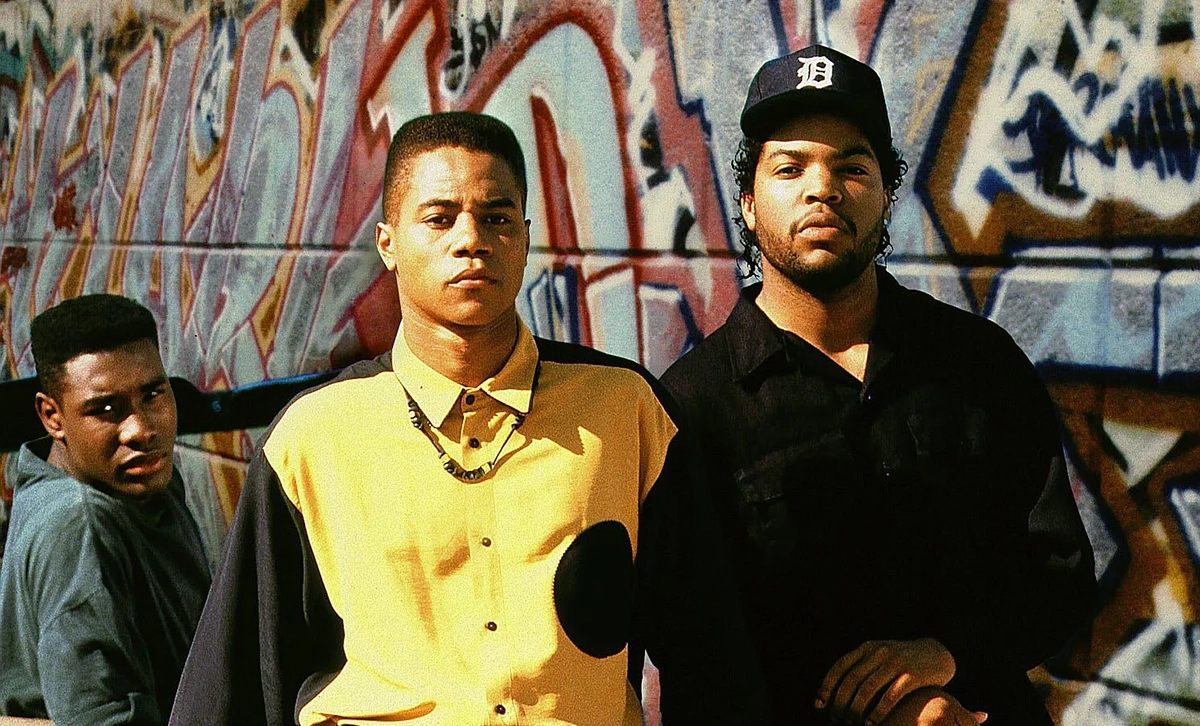
The story of these kids was brought to life, and the world got to witness what happens almost every day to some unfortunate victim. The truth is, 35 years before the film’s release, there were many Tres, Rickys, Doughboys, and Lil Chris’s. And now, 35 years after its release, there have been plenty more to follow.
âWhat is increasingly sad the more I rewatch this film is the realization that Tre is the sole survivor among all of his friends in the neighborhoodâthe only one to walk away completely physically unscathed, but not mentally. The film never addresses how you move on from all that carnage, but I would like to think it is a “one day at a time” situation.
This ever-so-real perspective and captivating imagery showcasing drugs, teenage pregnancy, STDs, and gang violence made this feature one of a kind, and all of their efforts would not go unnoticed. John Singleton would go on at the age of 24 to become the youngest person and the first African American nominated for Best Director at the 64th Academy Awards. He may not have walked away with the Oscar, but he is immortalized not just in Black culture, but in cinema history. Something that started as an idea in South Central has gone on to inspire young directors from similar backgrounds worldwide to capture their own realities and ensure that the voices of their communities do not go unheard or forgotten.


