



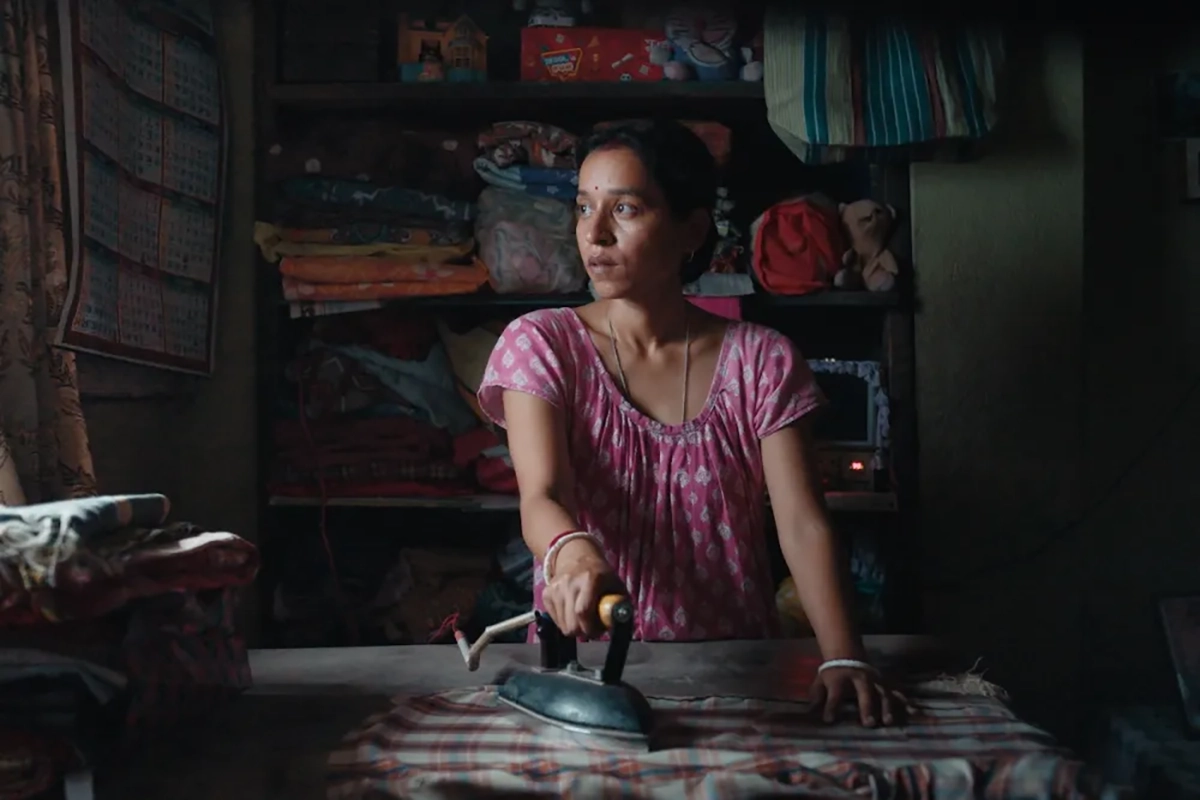
The protagonist in “Shadowbox/Baksho Bondi,” Maya (Tillotama Shome) runs a laundry service from home, simultaneously balancing a thankless second job as a caretaker to her husband Sundar (Chandan Bisht), an ex-soldier with PTSD who even eyes the local barber with suspicion during a routine shave. She is posed with a moral dilemma when Sundar is entangled in a crime and goes into hiding.
Gone are the mansions, generational wealth, and posh neighbourhoods of the Kolkata elite, as portrayed in movies such as “Parineeta” or even the Pinterest-esque apartments of metropolitan Kolkata that provided the backdrop for new wave Bengali cinema like “Antaheen.” “Shadowbox” instead unravels through the unpolished, dreary and raw gaze of the working class of Kolkata- Men and women who barely eke out a living with mounting debts to pay off, fatigued even from affording the basics such as school fees, and just trying to survive.
Mental Health Handled with Sensitivity
Debutante directors Tanushree Das and Saumyananda Sahi handle themes of stigma attached to mental health, ostracism and misunderstandings that stem from the same with utmost sensitivity. Living in a society that turns a blind eye towards or mocks mental illness is depicted as nothing less than serving a jail sentence. The movie also steers clear of villainising Sundar. While he’s prone to tempers beyond his control, tender moments such as him requesting the photographer to click a couple photo with Maya during a visit to prepare documents for a job interview allow one to see a more placate side to him. In another instance, he massages the tired Mayaâs shoulders, as if in a silent acknowledgement of her efforts. She has helped him back on his feet by securing a stable job, thus resuming normalcy (albeit briefly) to a household thatâs been turned upside down due to his unpredictable headspace.
I also couldnât help but notice parallels to “Rosemead” and the Manoj Bajpayee starrer “Gali Guleiyan.” The former similarly highlighted limited resources to fall back on or coping mechanisms for individuals with a mental illness and caregivers alike, along with the stressful scenarios resulting from it.
“Shadowbox” also juxtaposes Mayaâs struggles with that of her son Debu, a bright student and aspiring dancer as he faces difficulties in balancing school life and dropping Sundar off to a job interview on time. Since Sundar has fallen into bad company, his son also doubles as a designated driver, ensuring that his fatherâs alcoholism doesnât turn him into a laughing stock. Maya encounters other setbacks which prove overwhelmingly detrimental to her own emotional stability. These include in-laws who belittle her but donât lift a finger to help, leaving the trio susceptible to the cruel and self-serving world around them. It would rather judge than understand their circumstances.
A Relevant Film
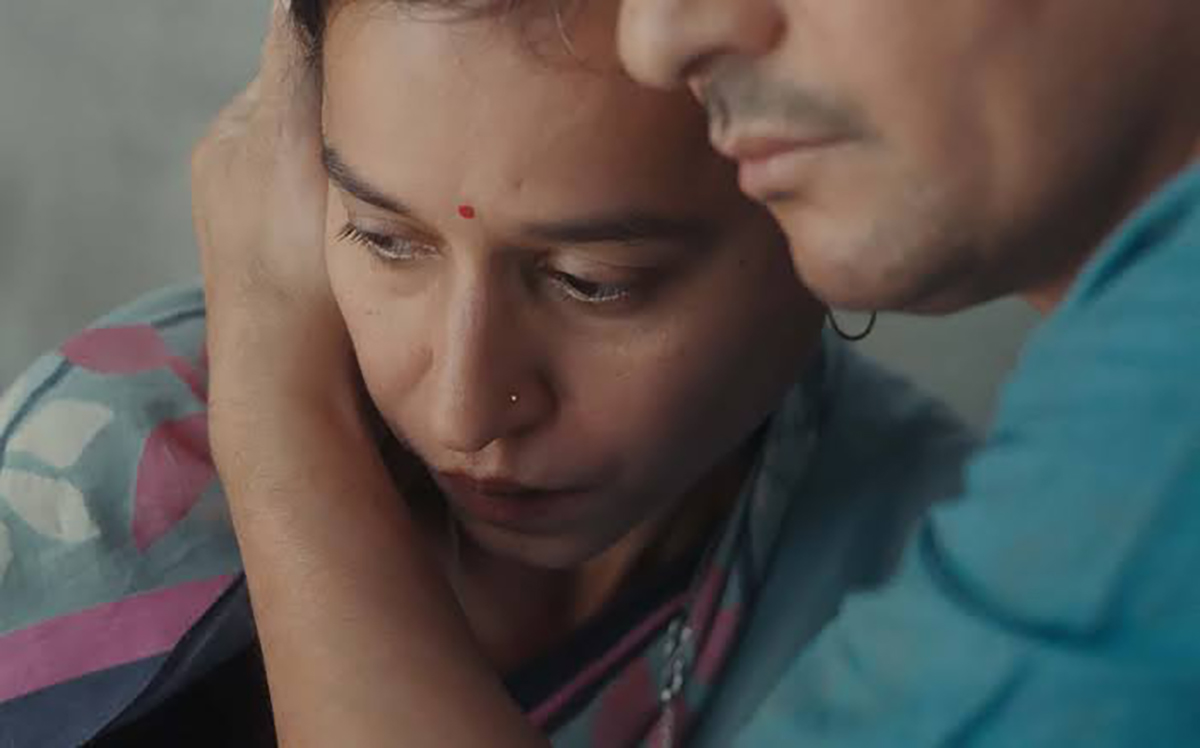
Just like Maya acts as Sundarâs pillar of strength, encouraging him to keep his chin up, the talented Tillotama Shome is this movieâs backbone. The writing affords Shome much scope to turn in a humanistic portrayal as the dutiful, determined, often frustrated wife and mother who is prone to her own missteps. Chandan Bisht and Sayan Karmakar deliver sincere supporting performances.
The slow pace is a slight deterrent, but overall “Shadowbox” is a nuanced study of the individuals who pedal through life with a heavy load, and especially relevant for conveying the urgency of destigmatising mental health.
“Shadowbox” screened on closing night (May 10th) at the UK Asian Film Festival.

–> Discover More: browse all of our film festival coverage


