



A father can become two different people in a son’s memory. There’s the man everyone else praises, and there’s the man the son still can’t quite forgive. “The Tropic Sun and His Eyes” begins in that uncomfortable divide. Ruben hears people speak of his father with affection, even gratitude, and each kind word only seems to make the old hurt more confusing.
Elisee Junior St Preux’s feature debut is built around that tension. It’s not always as fluid as its best passages, and a few of its ideas arrive a little too neatly. But at its strongest, the film understands how difficult it can be for men to speak plainly about pain, love, disappointment, and the need to be seen by the people who raised them.
A Road Movie Through Cap-Haïtien
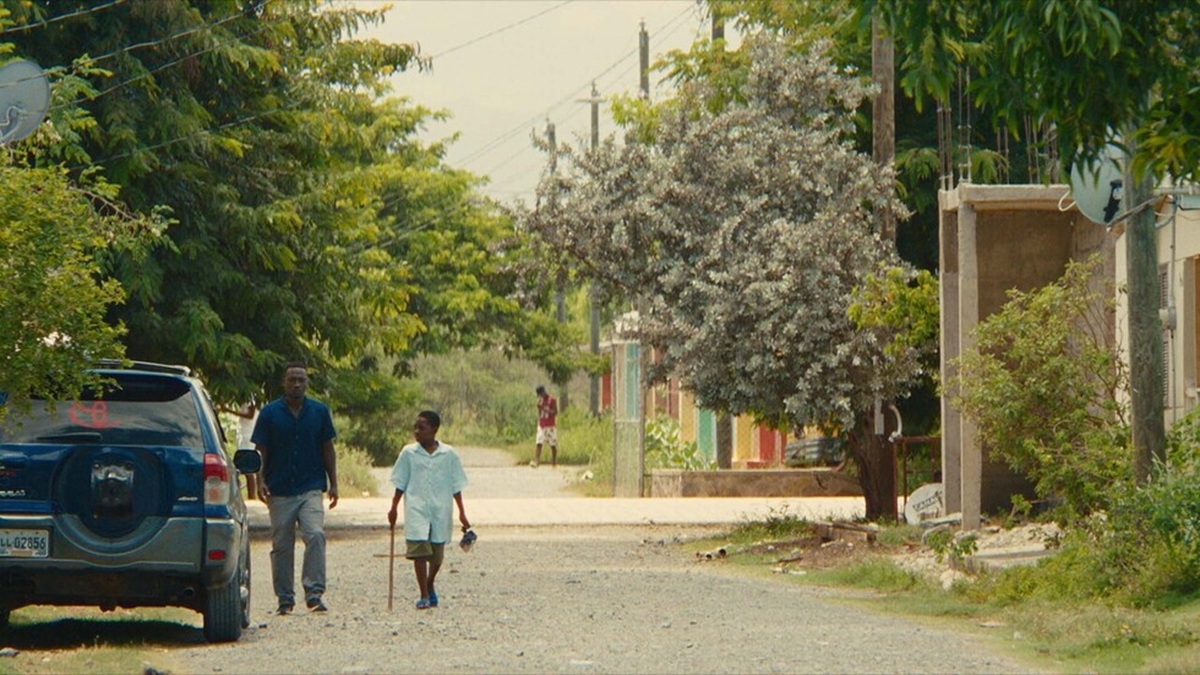
World-premiering at Tribeca in the international narrative competition, “The Tropic Sun and His Eyes” follows Ruben (Stevenson Jean), a despondent 26-year-old returning to Haiti to reconnect with his estranged father before time runs out. The story takes place in Cap-Haïtien, and the film’s opening minutes are among its best. We watch Ruben walk through the streets and along the shore with no explanatory dialogue and no rush to push the plot forward. The camera simply stays with him.
Those early scenes give the film room to breathe. Cap-Haïtien isn’t treated as decoration or as a convenient backdrop for Ruben’s crisis. Dawit Adera’s cinematography gives us dusty roads, bright water, weathered walls, crowded corners, and faces that pass through the frame with their own private histories. The film doesn’t prettify Haiti, but it also refuses to reduce it to suffering. The beauty here feels unpolished and lived-in, which makes it more moving than any brochure-ready image could be.
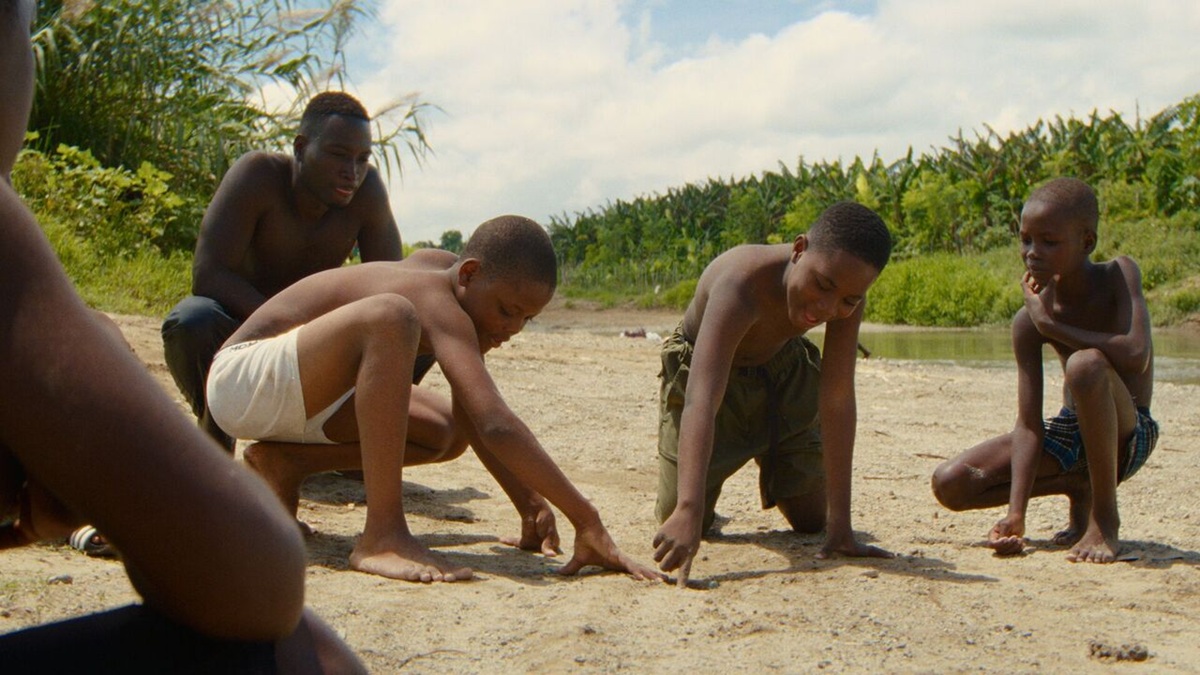
On a boat, Ruben notices another man staring at him. The man says Ruben looks like his father, the Pastor, then tells him how the older man once guided him and taught him about the sea. The man then asks Ruben: “What happened between you two?”
It’s a small scene, but it gives the story its first real sting. Ruben has come home carrying years of pain, only to find that other people remember his father as generous and beloved. The film isn’t asking whether his father was good or bad. It’s asking a more complicated question: how do you make sense of someone who failed you, but still gave something meaningful to others?
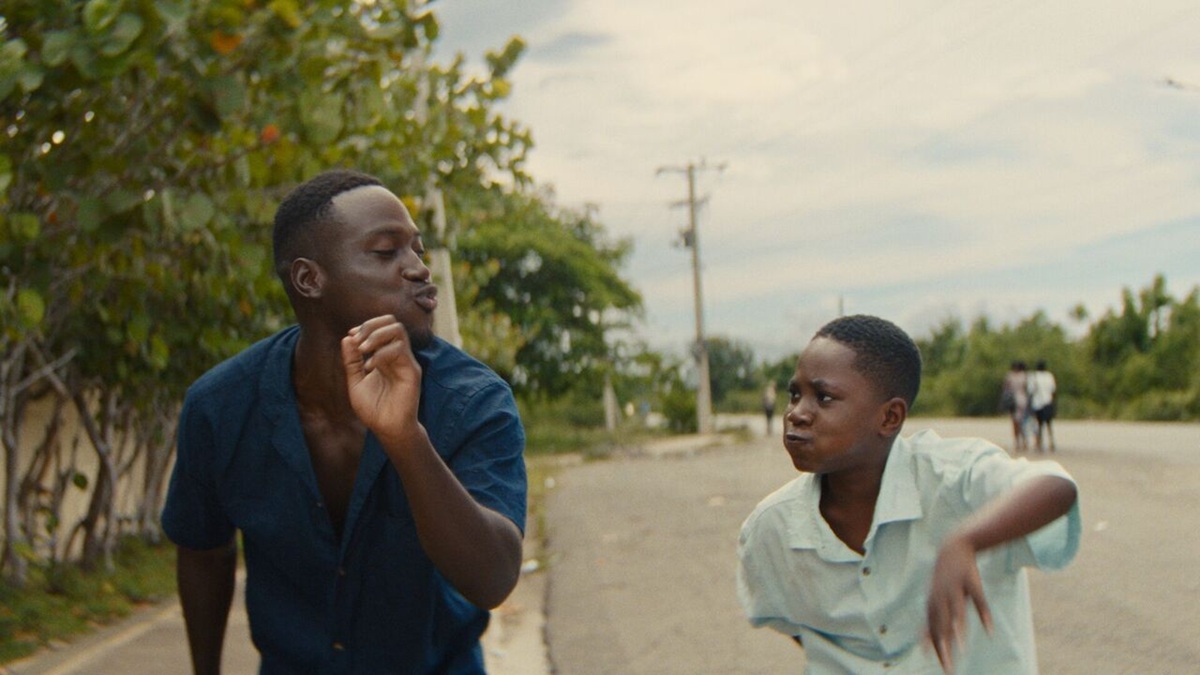
Ruben’s walk to his father’s house is soon interrupted by a persistent street kid (Blangue Machiny), who starts following him with the confidence of a child who has already decided he belongs there. Ruben finally allows him to come along, but only under three conditions: the boy must show him a shortcut, keep several feet away, and stop talking. The boy doesn’t really honor any of these rules, and the film is better whenever he refuses to disappear.
What Men Pass Down (and Everything Else Left Unsaid)
Jean plays Ruben with a guarded stillness that suits the role. He isn’t emotionless; he just looks like someone who learned early that emotion should be managed before anyone else can see it. Opposite him, Machiny brings a welcome looseness to the film. The young boy’s presence keeps tugging Ruben out of himself, sometimes through curiosity, sometimes through annoyance, and sometimes through the simple fact that he keeps asking for connection.
Their dynamic works because both characters are looking for something the other can’t easily name. The boy seems to see Ruben as a mentor, perhaps even a fatherly figure. Ruben, on the other hand, is trying to face the very idea of fatherhood without knowing whether he wants reconciliation, explanation, apology, or release. The road becomes a place where both of them test how much vulnerability they can stand.
This is where “The Tropic Sun and His Eyes” is most affecting. St Preux is interested in the habits men inherit from other men: silence, pride, restraint, the belief that provision can stand in for affection. But the film also imagines another inheritance. If damage can move from one generation to the next, so can tenderness. So can care. So can the courage to say the thing nobody taught you how to say.
Related Review: ‘Third Act’: A Father, a Son, and the Frames Between
‘The Tropic Sun and His Eyes’: A Tender Debut About Generational Trauma
The film doesn’t always carry that idea lightly. A few lines sound closer to theme than conversation, and some of the surreal or spiritual touches feel too carefully placed. You can sometimes sense the film guiding you toward its metaphors instead of letting you find them on your own. Its idea of healing also feels a bit tidy for a story dealing with estrangement, mental health, masculinity, and family obligation at the same time. These aren’t clean wounds, and some scenes would’ve been stronger with more friction left in them.
Even so, the feeling behind the film never feels calculated. Elijah Fox’s piano-centred score gives the images a gentle ache without drowning them. His music complements Adera’s images, which keep pulling us back to the physical world: the streets, the shore, the mountain path, the faces of strangers who seem to recognize pieces of Ruben’s history before he can admit them himself. The film works best when it lets the journey feel ordinary and spiritual at once.
By the end, “The Tropic Sun and His Eyes” isn’t chasing a grand reconciliation. It’s more interested in whether a man can speak before the chance is gone. Sometimes a family story comes down to something almost unbearably small: a walk taken too late, a boy who won’t stop talking, a father remembered differently by everyone who knew him, and a few words that might still arrive in time.


Elisee Junior St Preux’s “The Tropic Sun and His Eyes” had its world premiere at this year’s Tribeca Festival in the international narrative competition. The festival takes place on June 3-14, 2026. Follow us for more coverage.




