Daniel Blake Schwartzâs âCotton Feverâ â which had its world premiere in the U.S. Narrative Competition at this yearâs Tribeca Festival â is a somber but powerful film. Schwartzâs debut feature draws on his own history of addiction. He paints a film and intersectional characters that feels so raw as to be almost documentary-like, although itâs a feature film. The movie is shot on the streets of Chelsea, Massachusetts, but feels like it could take place anywhere. Its gritty style is complemented by performances that sell the material to us. It features a despairing look at a series of folks nearing the ends â along with maybe some hopeful new chapters â of addictive tendencies. Itâs a hard watch but a necessary one. You can feel this film in your bones.Â
âCotton Feverâ starts with an intimate, steady camera shot of James (Kyle Gallner) as he sits in a detox screening waiting for treatment. His speech is slow, steady, and measured â almost tentative. The clerk wants to know what he was using (we learn itâs heroin), but almost immediately his focus breaks. People are screaming in the halls outside â possibly other addicts â and as the clerk goes to shut the door and check on the commotion, James grabs some pills from her desk and runs out the door. James is a low-level dealer barely getting by. And the movie steams off from there.
Kyle Gallner Leads a Great Cast
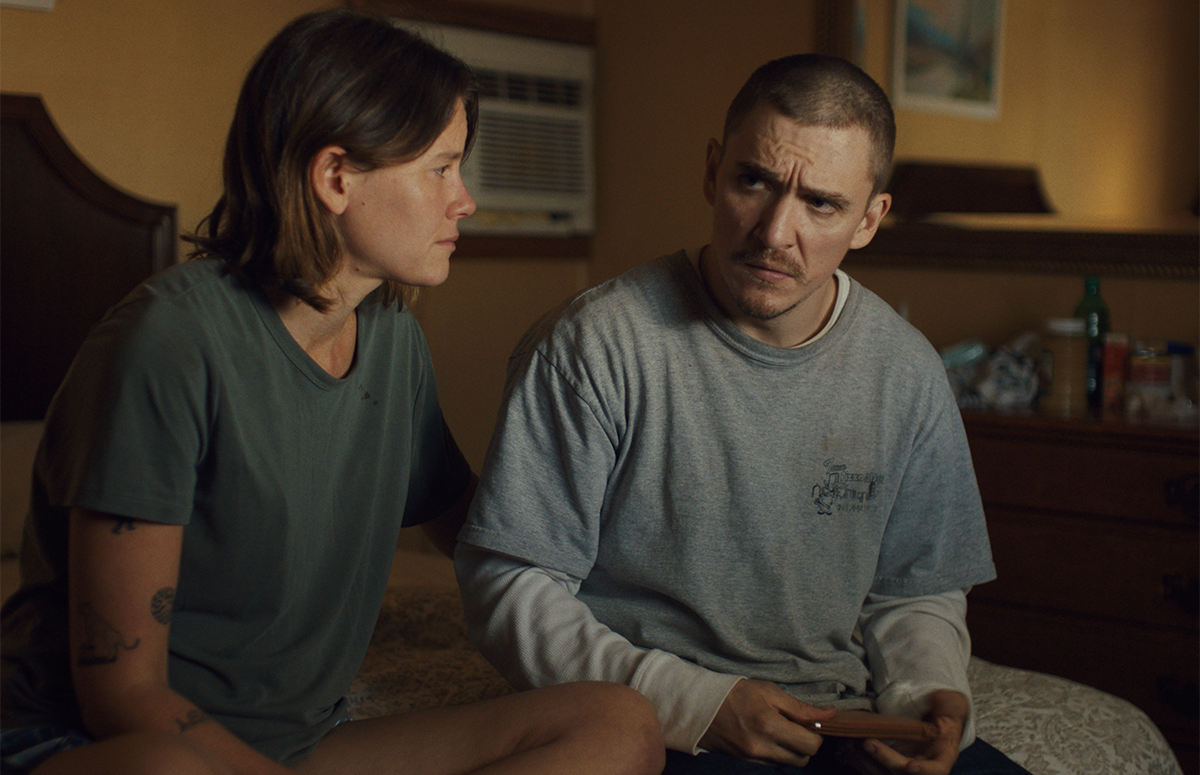
Gallner gets top billing here (Iâve followed him since âA Nightmare on Elm Streetâ in 2010 alongside Rooney Mara), but heâs content to be a small piece in Schwartzâs drama. James is juggling a heroin habit and a pregnant girlfriend (an excellent Sosie Bacon, another of the filmâs main focuses), while trying to sell enough dope to get by. âCotton Feverâ also introduces us to Sam and Manny (Chabely Ponce and Ari Mora). They’re young lovers on the street, mostly living financially off settlement checks from an old lawsuit. We can tell theyâre poor. Trying on a pair of shoes for Sam is the closest she can get to something nice, but they have each other â even if a lot of that includes scamming others and even stealing from people they like. One things âCotton Feverâ does well â and I havenât seen done as well since âTrainspottingâ â is showing what heroin addiction and withdrawal feels like. Except this time thereâs nothing humorous about it.Â
Other characters line the proceedings, such as Akil (Ronald Emile) a dedicated street outreach volunteer who tries to help addicts but canât help his own brother, Sean (Melvin Lee Douglas), to kick the habit. Thereâs one scene between them â as Sean wants to run from the hospital (âI can kick this myselfâ is a common theme in this film) â and Akil can only watch. He can also only watch as Sam and Manny ask him for food (he hands out protein bars and such) but skirt anything that resembles help for their addiction. Alongside this, Harley (Colton Osorio), a street kid, gets dragged along with various people in search of stability. Schwartz writes the intersections very well, despite the often-depressive nature of the material. The movie sometimes induces anxiety; it reminded me of âEkaj,â another indie I loved, in that way. But the best films make you feel.
Daniel Blake Schwartzâ Paints a Portrait
Itâs clear throughout âCotton Feverâ that Schwartz has a vision, and it pays off. The filmâs cinematography by Tom Action Fitzgerald is stark and lingering â alongside a grey and dismal nature. It reminded me of âManchester by the Seaâ in its approach, although it almost felt documentary-esque rather than narratively driven. Schwartzâs characters donât resign themselves to an addicted life â this isnât a film about fatalism. But itâs not because theyâre above it, but still in the throes of addiction and not thinking clearly. Theyâre looking for that next high, evading arrest, or figuring out if they can actually get clean and raise a child. There was a really good scene in a rehab center as a social worker reaches struggling women that I found endearing and realistic.
And thatâs what works about âCotton Feverâ â its realism. Fitzgerald and Schwartz follow its characters around, and even though thereâs a thorough script, it almost feels like itâs chronicling real people struggling on real streets, and not at all a film. Thatâs the way it gets under your skin. I watched characters make the wrong decisions, struggle, suffer, and stumble. And while Schwartzâs script never moralizes â heâs been there, he knows â it does allow us to empathize with them. I wanted these characters to be okay. And while you get the sense some might be, you know that others wonât. But what âCotton Feverâ does it allow you to understand them and understand this life. Thereâs moments of relief or even joy amidst their struggle. It makes them human.
A Necessary Film
The acting all around is great here, from Gallner, to Bacon, to Emile, and especially Ponce and Mora. Gallner, Bacon, and Ponce have the most screen-time and the most to do, but all put in their top effort. They make you feel their lives as a lived experience that weâre invited to. âCotton Feverâ feels like real life more often than it feels like a motion picture. And thatâs a high compliment. And while its ultimate lack of resolution and heaviness might annoy some (two people walked out of my screening 20 minutes in), I found it refreshing. Schwartz has here painted a stark portrait, and the movie is uniquely powerful because it sticks. âCotton Feverâ is not so much a cautionary tale as it is a slice of life. I donât doubt that it will affect some, help others recognize danger in their own patterns, and to still others hold up a hard, steady mirror. A solid film and a necessary one.
“Cotton Fever” had its world premiere at Tribeca Festival on June 5th. It’s also playing on June 13th and 14th at Village East and AMC 19th Street East, respectfully. Follow us for more coverage.