





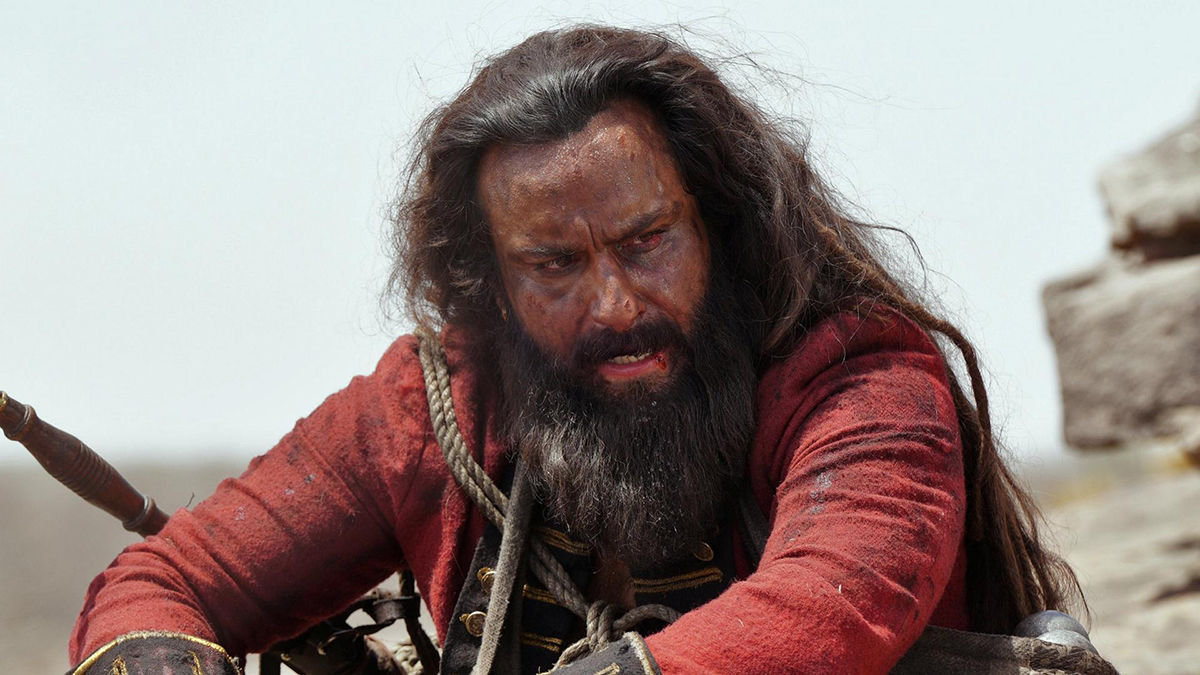
“Laal Kaptaan” opens with the following quote: “The day a man is born, death sets out on a buffalo to reap his soul. A man lives as long as it takes for the buffalo to arrive.” The harbinger of death in this movie however is not a buffalo but a Gossain, or a warrior monk (played by an unrecognisable Saif Ali Khan). His target is Rahmat Khan (Manav Vij), a traitorous turncoat with half a Glasgow smile who absconds with looted treasure and towards whom the Gossain harbours a personal enmity.
Directed by Navdeep Singh, the filmmaker behind critically acclaimed works such as “Manorama Six Feet Under” and “NH10,” “Laal Kaptaan” is a fine addition to Bollywood’s continuing experiments in the Bollywood Western genre (also christened as the âCurry Westernâ genre, obviously due to the added spice). Like the 1975 blockbuster “Sholay,” which was monumental in popularising this genre in Indian cinema, “Laal Kaptaan” follows a simple plot and similar set of archetypes â such as a widow who accompanies the antiheroic Gossain on his quest.
The Destructive Nature of Colonial Powers
This is a tale as old as time. However, the movie still boasts of novelty with its subversion of familiar tropes and its nonlinear storytelling, with the finale eventually circling back to its opening lines. It also shares similarities with revisionist westerns such as “The Quick and the Dead,” presenting the Gossain as a morally grey figure. Instead of pursuing the path of pacifism and enlightenment like his fellow mystics, the Gossain on the contrary is ruthless and displays similar traits to the Lord Shiva, the God of Destruction himself. As a devotee of Mahakal (another name for Lord Shiva), he further serves as the fearsome, unforgiving embodiment of Death itself. Â
“Laal Kaptaan” also delves into the destructive nature of colonial powers, via an instance of a cheeky tracker who befriends and aids the Gossain in his quest and is conditioned into thinking that he will always be a slave to a master. This could exist by being a redcoat (British soldier) or the growing host of power-hungry empires that emerged during the turn of the 18th century. The Gossainâs attire comprising of a raggedy old soldierâs coat especially reminded me of the motley crew of pirates in “Our Flag Means Death” donning colonial vestments while engaged in combat with imperialistic powers during the showâs satisfying finale.
While initially the premise of a holy man resorting to “John Wick” levels of violence sounds absurd, upon a Google search I also discovered a real-life connection to a Naga Sadhu named Anupgiri Gosain who played a crucial role in developing battle strategies during the British Raj. This is later incorporated into the movie as the mysterious Gossainâs backstory is revealed to viewers.
Elements of Folk Horror
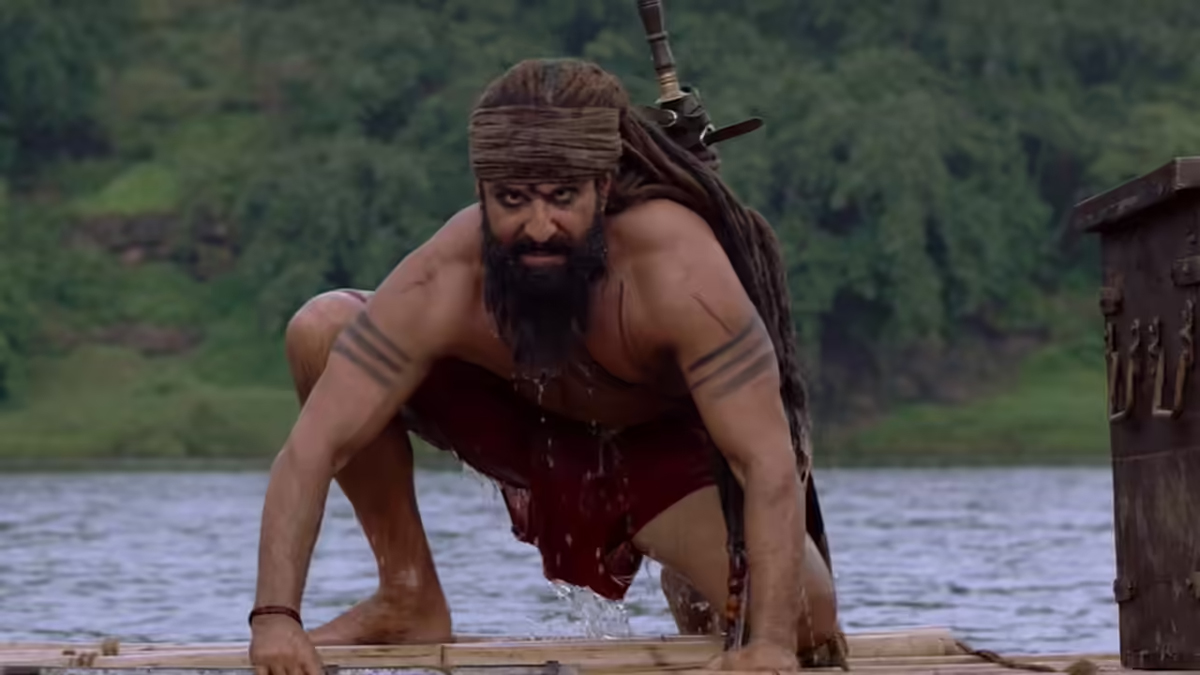
The lore and visuals of “Laal Kaptaan” occasionally feel folk horror adjacent. This is shown particularly well with the brief appearance of an unsettling soothsayer with a black tongue and white pupils, which sent chills down my spine. The film’s masterful blend of genres will definitely leave audiences hooked throughout the run-time. The action sequences are ambitiously staged and well-shot, with scenes of the Maratha soldiers gaining the upper hand and ambushing Rahmat’s convoy. Additionally, the final act involving the Tracker launching makeshift bottle rockets at the enemy from the ramparts of a fort particularly standing out for me.
Backed by solid performances from Saif Ali Khan, Deepak Dobriyal, Zoya Hussain, Neeraj Kabi, Sonakshi Sinha (in a memorable cameo) and others, overall this gritty retribution rampage set amidst a rustic backdrop proves to be a thrilling watch.
“Laal Kapttan” is now streaming on Amazon Prime.


