





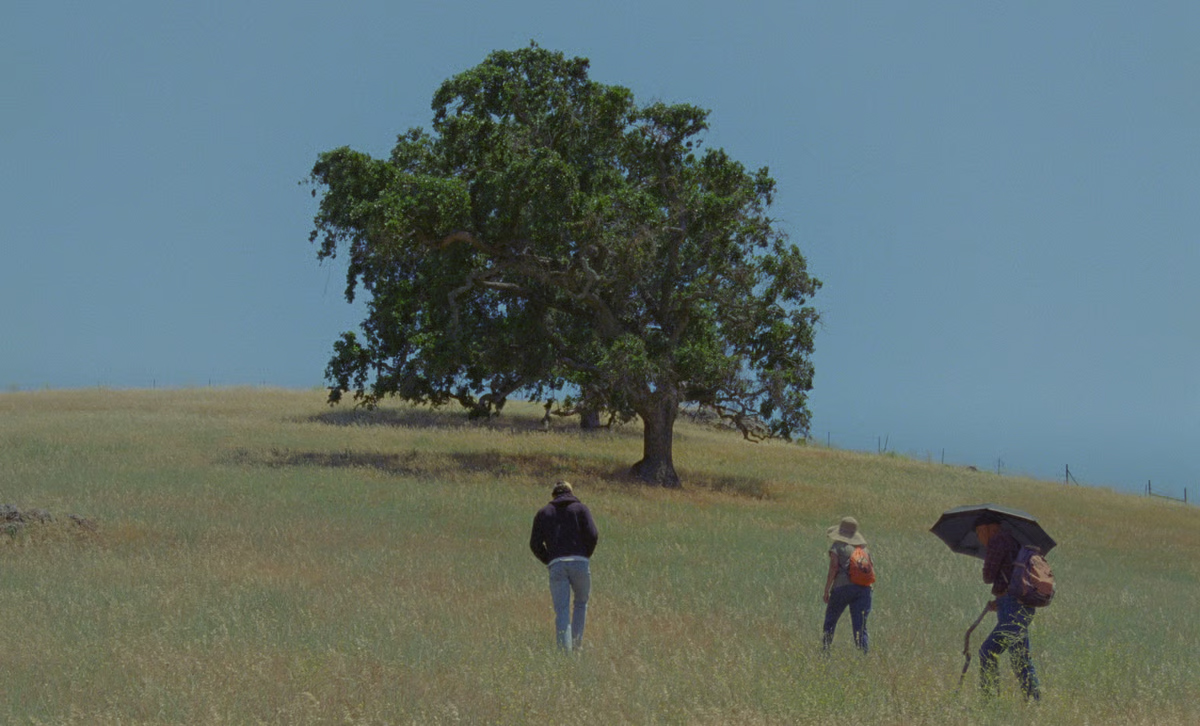
New Yorker film critic Richard Brody wrote that there âare two ideal durations for a feature film: sixty-three minutes ⦠and three hours.â In the former case, enough timeâper Brodyâis granted for âset up and wrap up,â and that theory might resonate in an era of incredibly shrinking attention spans. (Then again, the ceiling wasnât very high to begin with, was it?) Tenzin Phuntsogâs fiction feature debut âNext Lifeâ (2025) is a patient, methodical snapshot of grief and acceptance, and while it clocks in ten minutes longer than a Brody ideal, it deftly summarizes a familyâs full emotional range in preparing for and coping with its patriarchâs long goodbye.
Carlos Reygadas (âSilent Lightâ) is an executive producer for âNext Life,â and that hints at a potential stylistic lodestar for Phuntsog. Often, many compare Reygadas to iconoclastic arthouse legends such as Bresson, Dreyer and Tarkovsky, so itâs tempting to group Phuntsogâs austere storytelling and no-fuss set-pieces in there, as well. And yet, âNext Life,â despite its wind-swept Tarkovsky-ian interludes and Bresson-ian deployment of non-professional actors, is no mere imitation piece. Shooting the film on 35mm in his family house, Phuntsogâs expressive, animated photography (he is cinematographer, editor and writer) takes stock rather than editorializes, like a professional home movie that doesnât scribble over the bad/sad parts.Â
Dialogue is spare, but not in the sense that characters are willfully withholding. Itâs almost as if this Tibetan-American family of three (mom, dad and son) have said all that it needed to say already. So rather than mire in banal small talk, why not let the only son sing karaoke for his parents? Dad and mom, who miss Tibet, wonât complain when they can just slap on a VR headset for a trip back home. Do, instead of speak. Nevermind the short run time, âNext Lifeâ is deep and penetrating, welcoming the inevitable end, rather than looking away. Now, thatâs the bleak beauty even Dreyer would approve of.
Grade: B
“Next Life” screens on April 13th and 14th.Â
âVariations on a Themeâ (2026)
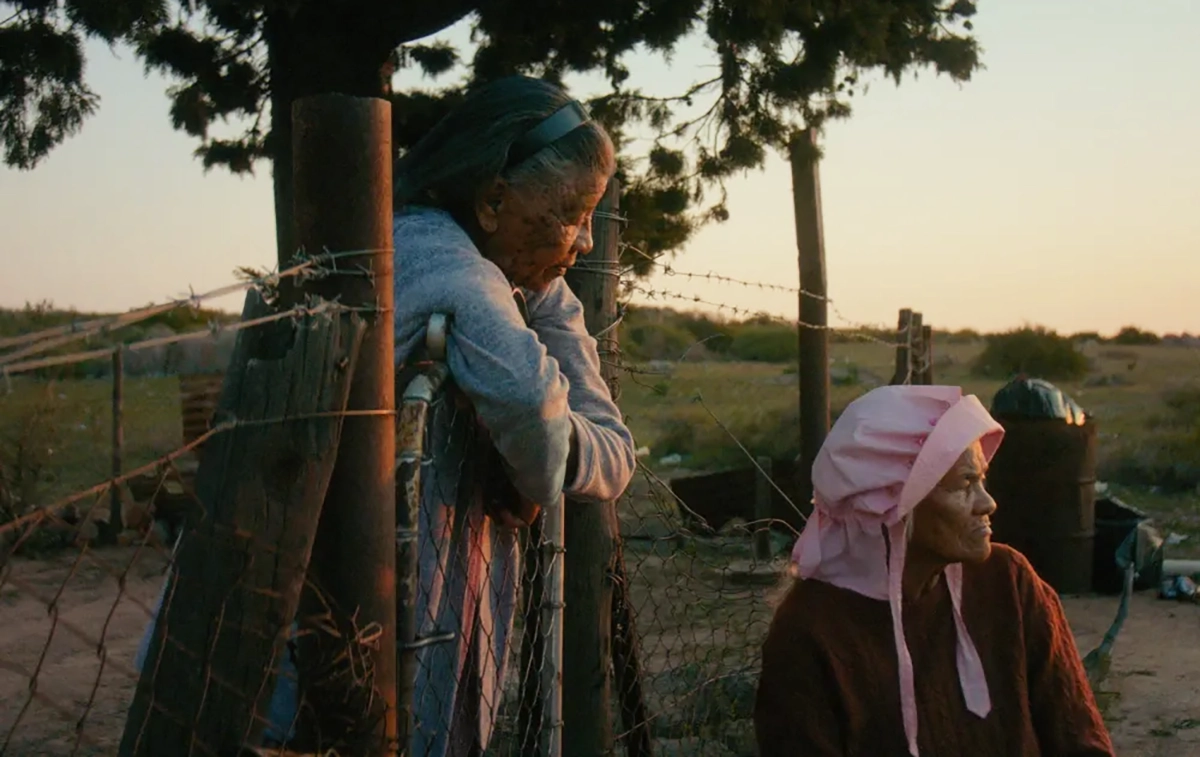
For another slender, sixty-five minute slice of familial realism, co-director Jason Jacobs casts his grandmother Hettie Farmer in the lead role in âVariations on a Theme,â the top prize-winner at Rotterdam. A fiercely independent local in a small South African village, Hettie awaits long-promisedâfor a priceâreparations due to her. As the daughter of a soldier, Hettie is urged to pay an administrative fee in order to receive the money, and among neighbors and friends, Hettie considers the options for her future dictated by her past.Â
Jacobs and co-director Devon Delmar mine comedy from the common daily interactions, never overstaying their welcome in this episodic free-form essay. At times it can feel like a short stretched out to feature length, and thatâs not exactly a mark against this incisive comment, compact film. Every town has its secrets, and the most acute pleasures of âVariationsâ come from dropping in from the outside. Gossip from the hairdresser (who had already spent the money that is almost on its way!) and the goofy radio personality whoâs imploring everyone to fill out the blue form are the fuel that keeps the villageâs worldâand the narrativeâmoving forward.Â
Pay money to make money, Hettie hears, and although itâs signaled early that this wonât come, Jacobs and Delmar pivot from the present back to history. Connecting Hettie to her ancestorsâwhether through a mysteriously moving glass of milk, or a young soldier holding up his bikeâbrings âVariationsâ full circle, turning resembling both an elegy and a dashed off diary entry, for public viewing. To Hettie and her descendants, before and after might look eerily similar, those shared, repeated themes passed down and deferred.Â
Grade: B-
“Variations on a Theme” screens on April 18th and 19th.


