





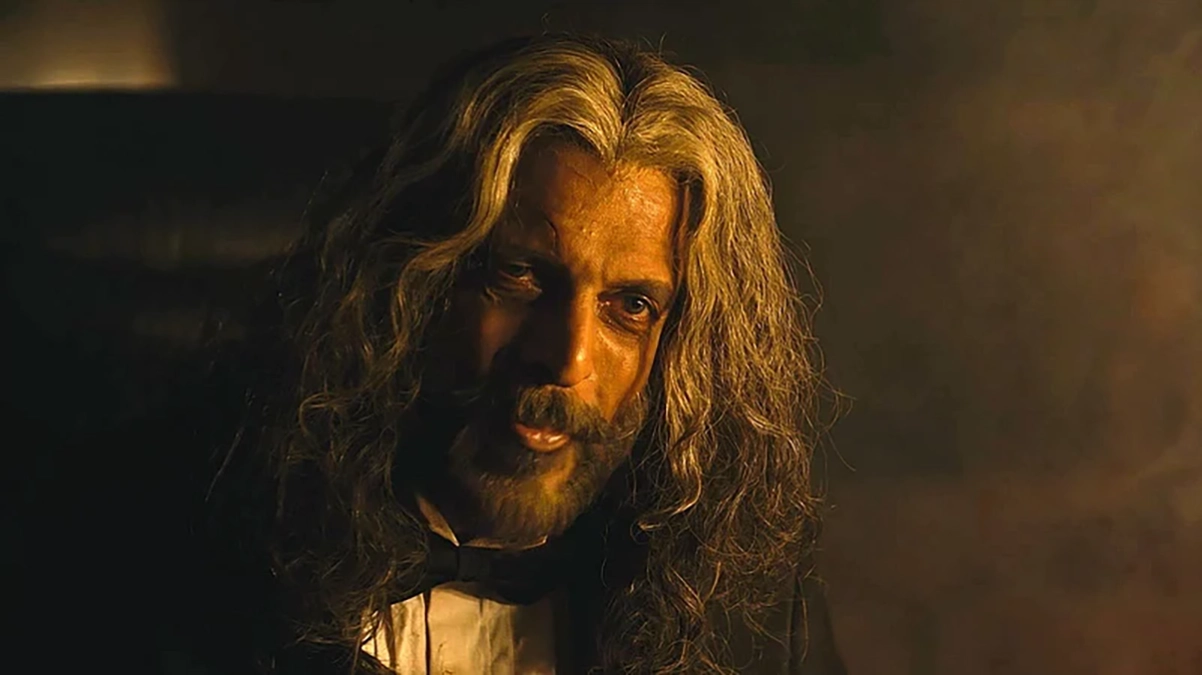
After a heartbreak, once wealthy and renowned movie producer Parmeshwar Khanna (Jaaved Jaaferi) becomes a recluse. He holes himself up in the titular Mayasabha, a theatre that has seen better days. It also served as the venue for many of his movie premieres during better days, but now houses more mosquitoes than people. One evening, his equally reclusive but more optimistic son and sole caretaker, Vasu (Mohammad Samad) brings home two curious strangers who claim to be fans of Parmeshwarâs work. Their arrival proves to be both a blessing and bane, and prompts the revelation of repressed secrets and triggers unprocessed trauma.
While the storyline of Rahi Anil Barveâs ambitious psychological thriller is slightly paper thin, the filmmaker more than makes up for this with a knack for immersive world building, engrossing pacing, storytelling as well as gothic aesthetics. “Mayasabha: The Hall of Illusion” also nails the psychological element of the genre by emphasising the deterioration of Parmeshwarâs psyche. We also see the after-effects of the same on his long-suffering young son, and the motivations behind his unpredictable mood swings and meltdowns which keep one on edge, rather than merely relying on plot twists.
Revisiting the Themes of Greed from ‘Tumbbad’
The two film old Barve, best known for his debut, the critically acclaimed cult classic folk horror “Tumbbad” dusts off the theme of greed from the former. He presents the same through the ulterior motives of the strangers frequenting Parmeshwarâs safe haven, Ravarana and his vamp-like sister Zeenat. The duo is played by Deepak Damle and Veena Jamkar respectively, who are actually visiting to unearth their hostâs hidden hoard of gold biscuits.
“Mayasabha” also benefits from layered characterisation, of a protagonist who is surviving off reruns of his own movies, still enamoured by and grieving over an old flame who played the lead in many of his home productions. He is simultaneously plaintive about how he could have salvaged the relationship, a driving force behind his mental decline.Â
While his fury towards those who care for him is unjustified, the movie also makes it clear to viewers that Parmeshwar is hurting within. This is especially visible when he lashes out at nobody in particular. He launches into an angry monologue over old tabloid rumours and feeling emasculated due to an unwarranted âcuckholdâ label that led to a tarnished reputation and ostracization from the industry (although one learns much later, that this is just a partial truth). The character is also volatile, blowing hot and cold. One minute he projects his bitterness and anguish on to the naïve Vasu, and the very next, he acts playful, throwing open a cobweb-riddled closet full of tuxedos so his son can deck up for their guests. It’s a brief moment where a bitter old man offers his young progeny a sliver of sympathy and not just a cold shoulder.
Like Father Like Son
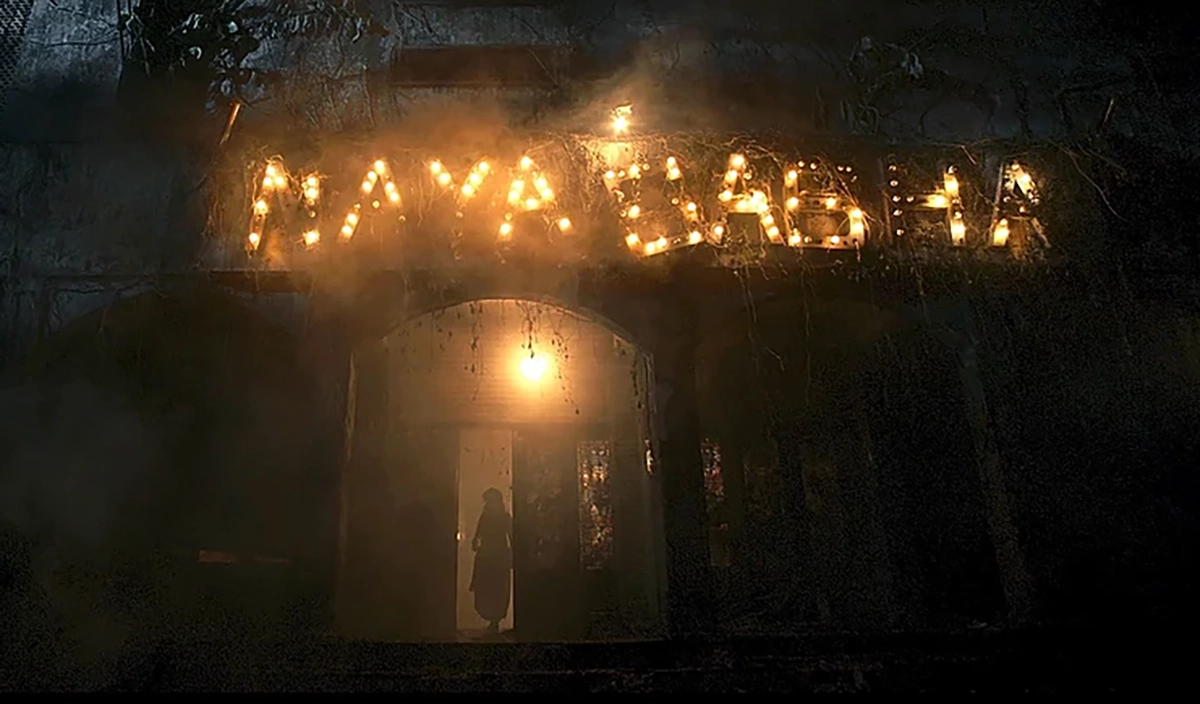
As the proverb goes: like father like son. Thus, a deluded Vasu lives under the illusion that a random pair of siblings he befriends (but are way older than him) might actually be trustworthy. One canât blame him either; after years spent in a stuffy, foggy environment, loneliness sets in. Heâs never befriended anyone, let alone somebody his own age. He only sees the outside world whenever the abusive and alcoholic Parmeshwar sees red and literally kicks him out. Vasuâs fate can be likened to that of the cursed grandmother languishing in a room in “Tumbadd.” He is metaphorically chained to an ageing fatherâwho raised him single-handedlyâbut has now grown emotionally distant. He shares a stronger bond with his fumigator than his son. To worsen matters, much like a plant growing out of a toilet bowl in the theatreâs bathroom, both father and son are surrounded by filth.
The dialogues in “Mayasabha” are also poetic, insightful and add a grounded touch to a movie laced with surrealism. A line that stayed with me long after the credits rolled (and which Iâve used as the heading for this review) occurs quite early on in the movie when Vasu foreshadows the tragic nature of his depressed and disenfranchised father taking up residence in the ruins of the theatre, lamenting that, “The place you visit to cry can never be your friend.”
Experimental Bollywood Indie
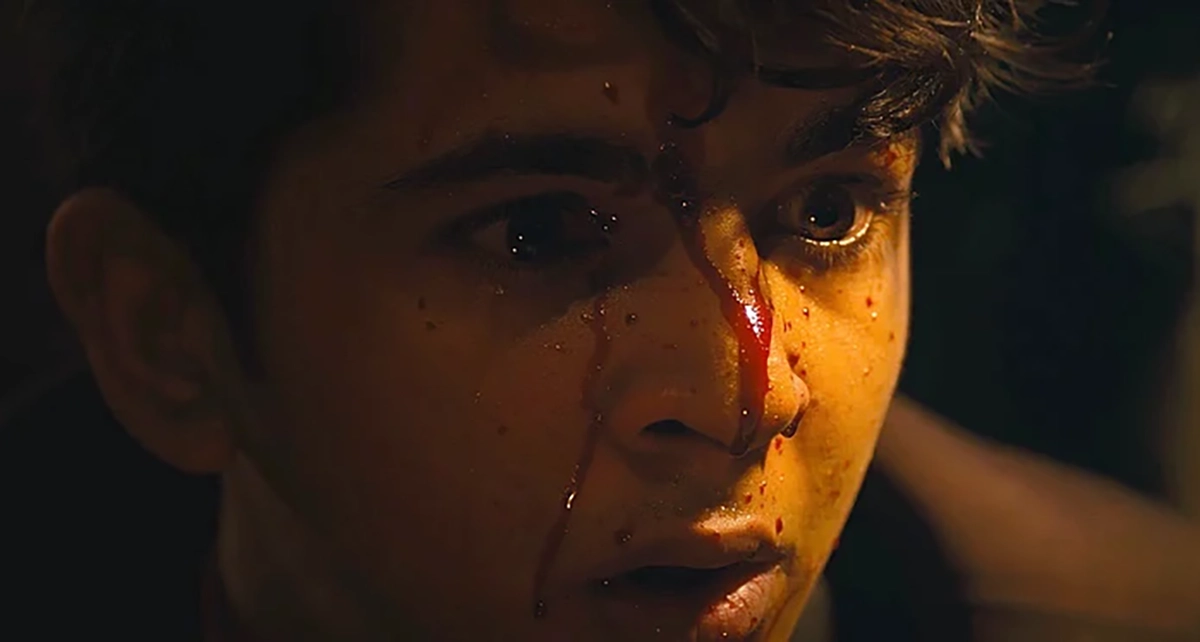
While the climactic twist is a tad cliched and even dated, I must admit it still tied in effectively to the running theme of repression in the movie. The cinematography by DP Kuldeep Mamania (of “Haider” fame), set design and subtle background score by composer Sagar Desai (known for his work in critically acclaimed works such as “A Death in the Gunj” and “Mrs”) enhance the atmosphere and are worthy of mention, as are its performances.Â
Despite moments when his theatrics could have been dialed down, Javed Jaaferi still turns in an adequate and unsettling performance as the frighteningly unhinged Parmeshwar, surrendering himself to the madness and melodrama of the aggressive mad man. Usually known for his colourful comic roles, viewers are afforded a different, darker side to the actor, dancer and beloved ’90s pop culture icon here. The versatile Jaaferi also pulls off the gallows humour with ease. Veena Jamkar and Mohammad Samad are commendable, playing off well against their co-starâs manic energy.
If ‘weird’ experimental Bollywood indie cinema is what you seek, then “Mayasabha” is the movie for you. Simultaneously it is a call to mend crumbling, toxic bonds as well as to dispel the universal evil known as ‘laalach’ (greed). Both of these are messages greatly needed, which resonate with audiences and cut through the smog of capitalism and patriarchal/misogynistic mentality that surrounds us today.
*”Mayasabha The Hall Of Illusion” was released in limited theatres and on the festival circuit. It is not yet available on any streaming services.


