





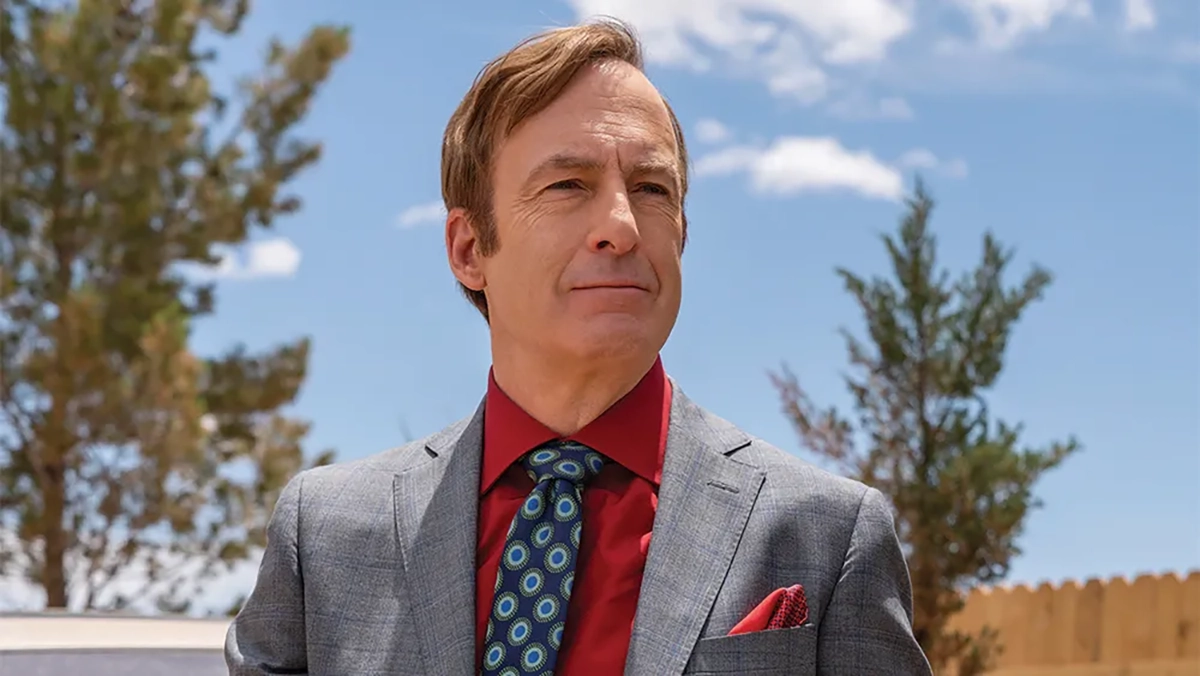
Vince Gilliganâs âfollow-upâ to the enormously-successful âBreaking Badâ was to do a prequel about that showâs unscrupulous lawyer, Saul Goodman. Better Call Saul was a motto and a lifestyle for Goodman, played with zeal and zest by Bob Odenkirk, prior a mostly comedic actor. Odenkirk was one of the most likable parts of âBreaking Bad,â especially when the show dipped a little too harshly into Walter White (Bryan Cranstonâs) megalomania. He was shady, but overly so, and paled in comparisonâmenace-wiseâto Whiteâs âHeisenberg.â But the âBreaking Badâ world was so intoxicating, I gleefully delved into first âEl Caminoâ (Aaron Paulâs Jessieâs story) and then âBetter Call Saul.â The latter was not at all what I initially expected, but was lovable, chaotic, and rewarding in equal measure.Â
Watching âBreaking Bad,â I had no idea who Jimmy McGill wasâSaulâs originâyet Gilligan and co-writer Peter Gould show us in sweeping colors. What struck me watching the showâs opening (it would run for 6 seasons and be nominated for 63 Primetime Emmyâs) was how different from âBreaking Badâ it feels. Part of it is the absence of Walter White. Without that intense, harsh personality, the showâjust like âEl Caminoââfeels much calmer. But also the show is tonally different. Jimmy McGill is a small-time lawyer who can never catch a break. Over the course of âBetter Call Saul,â he will fail at doing the right thing while unintentionally succeeding at the wrong thing. By the showâs end, he will be seeking the wrong thing, only in the 11th hour drawn back to the light.Â
A Con Artist Finds his Path
Jimmy is a con-artist and Odenkirk truly makes him someone we can align with. He used to be called âSlippinâ Jimmy,â a fraudster who would take a fall and con unsuspecting folks out of money. In fact, in the first episode, âUno,â he will entice to local hoods to help him with a similar scam after they pull one on him. However, the eventâlike so many others in âBetter Call Saulââwill land him in hot water. He must talk his way out of execution at the hands of âBreaking Badâ alum Tuco Salamanca (Raymond Cruz) after he inadvertently runs a scam on his grandmother.Â
What differs in âBetter Call Saul,â however, is Jimmyâs fall is slow and gradual. Heâs a struggling lawyer, picking up public defender cases, while taking care of his mentally ill brother, Chuck (an excellent Michael McKean). Most of the first three seasons deals with brother v. brother tension. At times, McKean becomes as big a bear to towards Saul as Walter White was towards his family in âBreaking Bad.â Chuck is Jimmyâs older brother, name partner at Hamlin-Hamlin-McGill, and though Jimmy has a law license, he wants no part of him tarnishing the firm. Heâs a by-the-book lawyer with an encyclopedic knowledge of the law. It means more to him than anything: including, perhaps, even his brother. The pain Chuck will cause Jimmy in seriesâ first half is no joke. But he sees Jimmyâs criminal pull: âHeâs not a bad person,â heâll tell others. âHe just canât help himself.âÂ
A Smattering of Lovable Performances and Characters
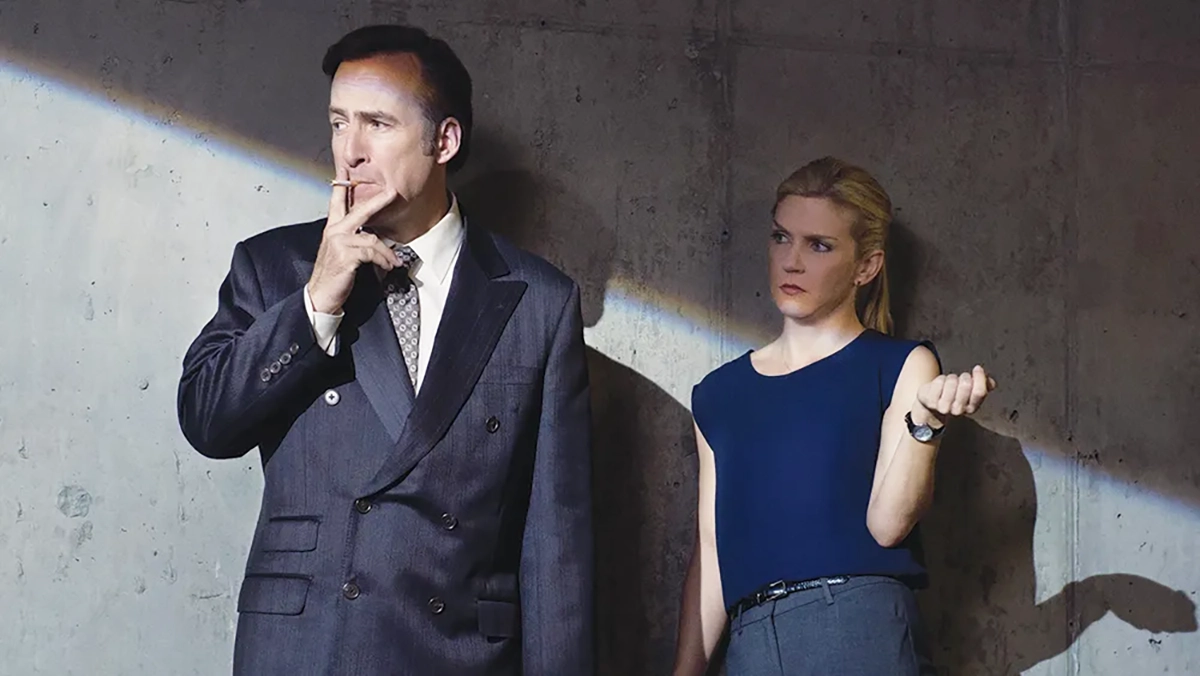
The crux of âBetter Call Saulâ involves Jimmyâs association with, on the one hand, Chuck, the firmâs Howard Hamlin (a great Patrick Fabian), and an associate, Kim Wexler, who is played by Rhea Seehorn, to me the seriesâ best actor. The series draws her friendship and romantic relationship with Jimmy throughout the show realistically. Sheâs not wholly moralâjust like Saulâand Gilligan and Gould make her a realistic person. Their relationship will span the length of all six seasons, and the way it comes to a âendâ (or not) is expertly done by the showâs creators.Â
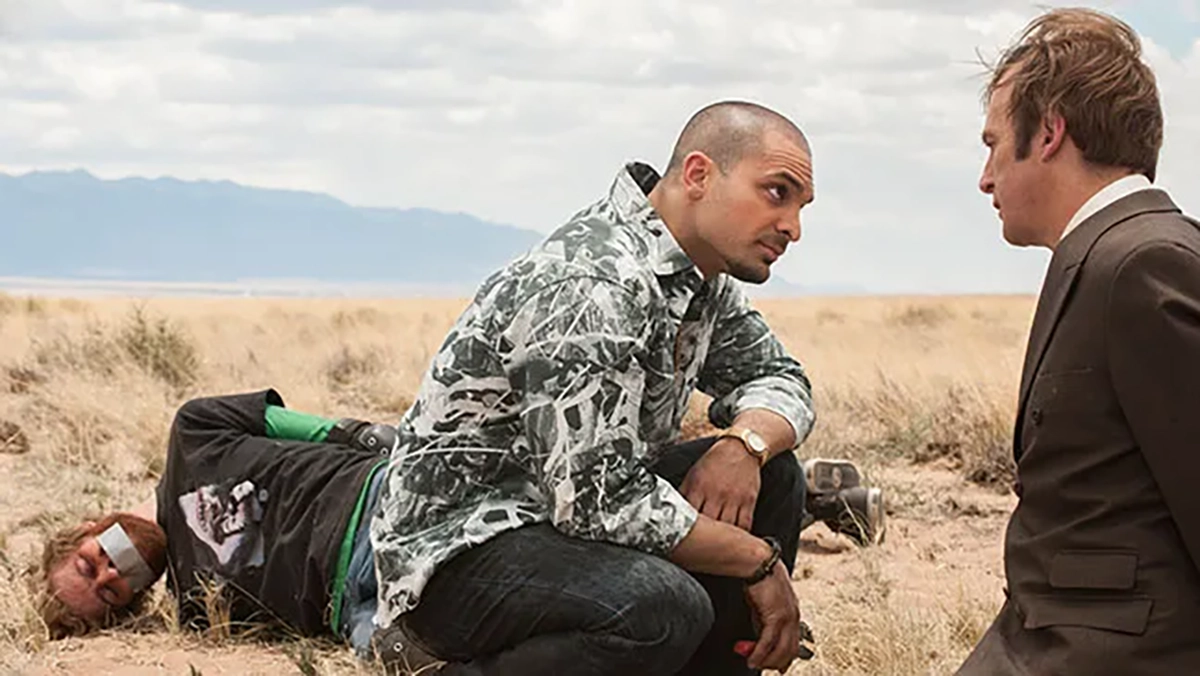
Alongside this, we get to see on a more intimate basis beloved characters from âBreaking Badâ such as Mike Ehrmantraut (Jonathan Banks, great as usual) and Gus Fring (Giancarlo Esposito, scary and likable in equal measure). âBetter Call Saulâ also introduces us to one of my favorite side characters of all time, Ignacio Vargo or âNacho,â played fondly and believably by Michael Mando. Nacho is a Cartel money collector for the Salamanca family. Heâs like Saul/Jimmy in many ways: for most of the show he wants out of the Cartel life, but finds it impossible to do so. Especially when Fring gets his hands on him. Later, âBetter Call Saulâ will also introduce a previously-unseen member of the Salamanca family, Lalo, played with glee and sociopathy by Tony Dalton. He reminded me of Pedro Pascal in all the best ways.Â
Jimmy McGill or Saul Goodman?
âBetter Call Saulâ is a tale of three shows: Jimmy McGill, then Saul, and then backâkind ofâto Jimmy again. Itâs a wild ride. Part of the fun is watching how unscrupulous McGill can beâand how utterly good he is at it. He runs cons on unsuspecting people one minute, yet sincerely wants to help some old folks who are getting robbed by their nursing home the next. He will initially vehemently defend and help his brotherâa shut in with severe mental illness who believes he is allergic to electricity. But later, when it is apparent heâll never earn Chuckâs respect, heâll actively try and hurt him. Kim is the same way, too, balancing between legal and illegal throughout. Sheâs not a victimâjust like Jimmy, she enjoys her bad side. The way âBetter Call Saulâ shows both sides of complex people is its greatest asset.Â
Yet whatâs interesting about the series is that, while I LOVED Saul in âBreaking Bad,â once I was presented with Jimmy McGillâhis true selfâI liked him more. As he devolves more and more into Saul Goodman (derived from a con he used to run⦠heâd tell his marks, âSâall good manâ), the more you realize the character is slowly losing what is left with of his soul.
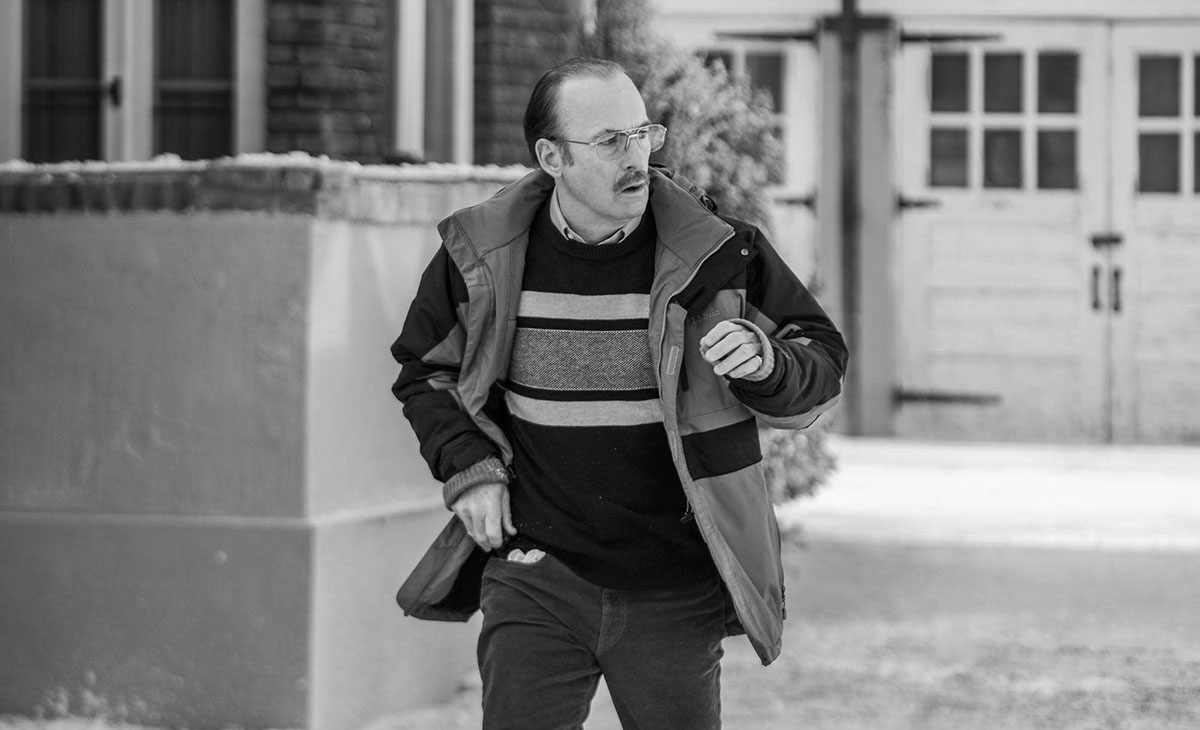
The series is also bookended by black and white sequences. Those who have seen âBreaking Badâ will know that Saul went into hiding after Walt went down. Most of the first half of the show will see him working as a manager at Cinnabon, living a boring life. It reminded me of Henry Hill at the end of âGoodfellas.â Heâs pathetic, depressed, and lifeless. Yet Gilligan and Gould will bring this story backâwhile never leaving black and whiteâand the showâs end does Saul/Jimmy justice in ways I felt we never got with the end of Heisenberg in âBreaking Bad.â Or maybe Jimmyâs arc was less tragic. Itâs up to the eye of the beholder.Â
A Last Foray into the World of ‘Breaking Bad’
There are too many ancillary characters to mention here, alongside âBreaking Badâ cameos that are fun and add to that story in meaningful ways. We see Hank and Marie Schrader again (Dean Norton and Betsy Brandt), Walt and Jessie Pinkman (Cranston and Aaron Paul), alongside âoriginâ stories for Saulâs pickpocket Huell, played lovingly by Lavell Crawford. Lawyers on both sides of the aisle, from Rick Schweikart (Dennis Boutsikarisâ) to Cliff Main (Ed Begley Jr.) are fun to watch. For stretches the show will remind you of âSuitsâ with all its firms and lawyering. But then it will become its own vehicle, delving into the destruction of Jimmy McGill and the birth of Saul Goodman.Â
All-in-all, âBetter Call Saulâ is good but bittersweet. Having finished âBreaking Badâ and âEl Camino,â this was my last foray into Gilligan and Gouldâs devilishly irresistible world. The show will have its ups and downs, but it is lighterâmost of the timeâand less soul crushing than âBreaking Bad.â That Odenkirk initially did not want to reprise the role, given the showâs success, is one of the most interesting bits of trivia I read. From start to finish âBetter Call Saulâ is hilarious, alarming, all-consuming, and intoxicating. Once itâs overâdespite your feelings for where Saul ultimately ends upâitâs a saga you wish you could live again. For now, Iâll just imagine âSlippinâ Jimmyâ is up to his latest con and hope, somewhere down the line, he finds his inner peace.Â
“Better Call Saul” is currently available to watch on Netflix.


