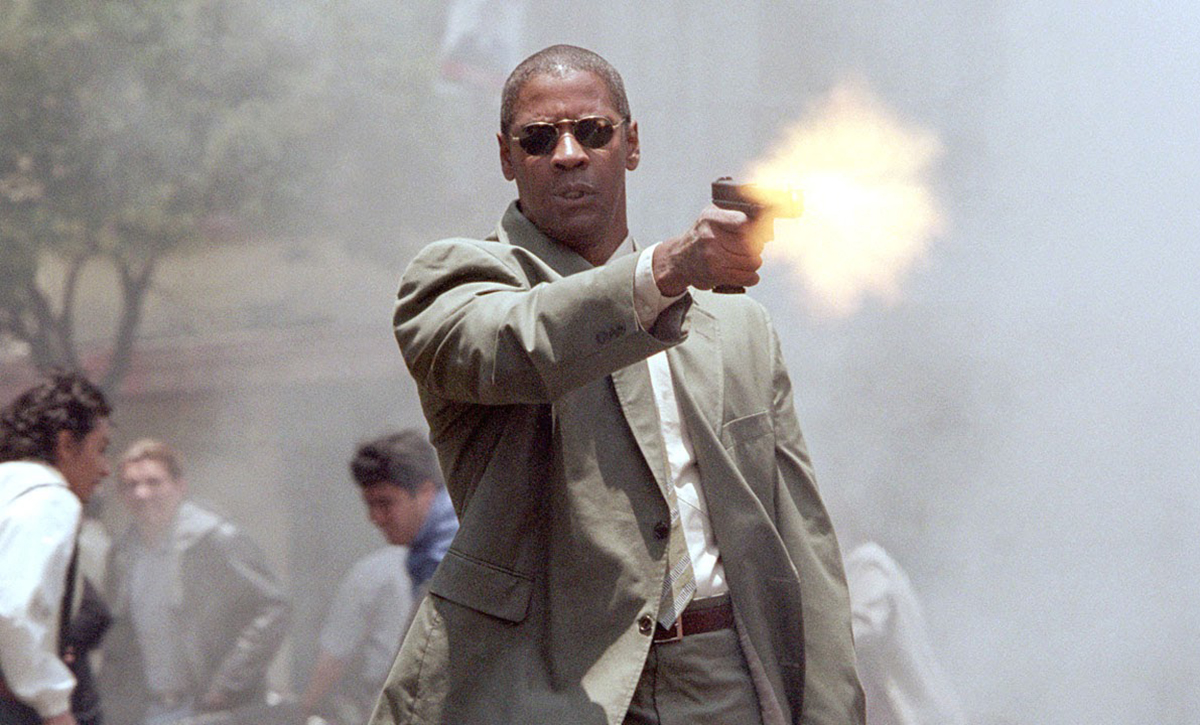
2004âs âMan on Fireâ by Tony Scott features Denzel Washington mirroring roles weâve seen before. âFlightâ (for alcoholism) and âThe Equalizerâ spring to mind. But itâs important to note that Washington had not done these films yet; and thisâa one-man-army actioner filled in with helpings of heartâis a good fit for him. At 2 hours and 26 minutes the film flows easily and never feels overlong. Denzel is extremely likable in the role of John W. Creasyâdespite the characterâs self-loathing and sadismâand his pairing with a young Dakota Fanning is warm and sweet. Yet somewhere in the story something is missing. The first half offers a glimpse of redemption to a man who believes he is unredeemable. It does this, ironically, through his kindness rather than his brutality. Yet much of the film then veers into violence. It stays there so long we almost forget the kindness that brought us there.Â
âMan on Fireâ feels gritty, taking place in Mexico City. Cinematographer Paul Cameron highlights the cityâs beauty and decadence in equal measure. Creasy is hired by the Ramos family (Marc Anthony and Rhada Mitchell, respectfully) to be a bodyguard for their young daughter, Pita (Fanning), who has been kept home from school (which she loves) due to the fear of kidnapping. The Ramosâ are wealthy, and we learn from an opening caption that âthere is a kidnapping every 60 minutes in Latin America.â I donât know if this is true, but searches show Brazil to be the highest. At any rate, we see some abductions (usually in broad daylight and carried out by a man with gold-rimmed sunglasses) and Cameron and Scott sell the fear to us. Creasy interviews for the job with Pitaâs father, Samuel. He looks at his impressive ex-CIA jacket and wonders how anyone could afford him. âI drink,â Creasy admits.Â
A Broken Man
Thereâs a reason Creasy drinksâhis past workâthough we never see how dark it truly was. We gather it involved a lot of killing. His old friend, Rayburn (a reserved and excellent Christopher Walken) has a wife and lives a peaceful life. He tells Creasy heâs done killing, and as violent as the movie gets he keeps that promise. Creasy asks Rayburn if God will forgive them for what theyâve done, yet itâs rhetorical: Creasy has long given up on his soul, numbing himself with liquor yet he still reads his Bible. However, when he meets Pita, something happens. Sheâs spunky, inquisitive, kind, and intelligent. She pushes him to smile. Her parents (mostly her father) want a life for her she doesnât want. She wants to swim and Creasy helps her excel at it by getting over her fear of the starting pistol. The point isn’t lost that violence is so palpable in Pitaâs life that the gun has deeper significance. It has a deeper significance for Creasy, too: in a prior scene he put a gun to his head and pulled the trigger. It failed to fire. âEvery bullet tells the truth,â Creasy tells himself and others for the rest of the film.Â
It should go without saying that Pita is kidnapped, and Creasyâs failure to prevent the act wears heavily on his body and soul. Heâs near death for the rest of the movie. But when Rayburn tells him something terrible may have happened to the girl (the ransom exchange went bad), Creasyâwho was beginning to allow himself to live againâswears vengeance on all responsible. His relationship throughout the film with Pitaâs mother, Lisa, is intriguing. She trusts Creasy and sees him as a human in a way her husband does not. When he tells her he intends to kill anyone who had anything to do with Pitaâs kidnappingâthe scene scored slyly by Harry Gregson-Williamsâshe simply responds, âyou kill them all.âÂ
Fanning and Washington are Great Together
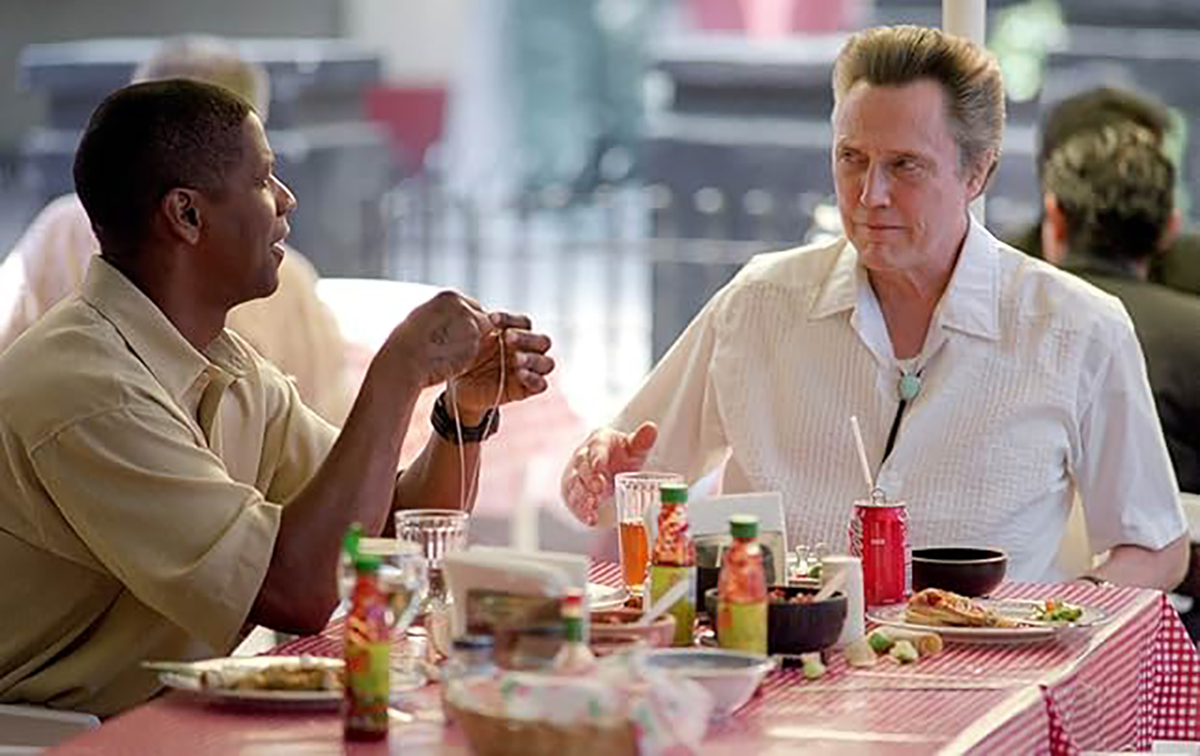
Scott’s film draws Creasyâs death quest in exquisite colors as he works his way through the guilty parties. His dispatchments reek of torture and sadism, but not in the realm of body horror or scary movies. Creasyâs detachment to the whole thing makes it seem that much worse. This is especially true as he questions that kidnapper with the gold-rimmed glasses (Mario Zaragoza) or a corrupt anti-kidnapping officer (Jesús Ochoa). Yet, amidst the whole thing, the moral, good-intentioned anti-hero Denzel would portray in âThe Equalizerâ isn’t present here. This is personal for him. Itâs likely lost on Creasy that the damage he does to the kidnapping trade in the city in one weekendâwhile slowly dying due to bullet wounds from Pitaâs kidnappingâmay save many others from the same fate. The level of corruption Creasy unearths during his rampage is on par with the damage he does.Â
Unlike most other âone-man armyâ-type movies, Creasy is not alone. Heâs aided by a scrupulous journalist (Rachel Ticotin), who cares more about stopping La Hermandadâthe group behind the kidnappingâthan she values her own life. Thereâs also a detective, played by the great Giancarlo Giannini, who lends help to both her and Creasy. He agrees to stay out of Creasyâs way once he understands the manâs connection to Pita and his motivations. Also, the aforementioned Rhada Mitchell turns in a good performance, remaining an ally to Creasy. Perhaps only she understands Pitaâs affection towards the broken man. I think this is the filmâs most stark deficit: âMan on Fireâsâ greatest moments are between Creasy and Pita, even the bitter, doleful end. Scottâs picture loses itself in its violence and retribution before working its way back to their bond and a final glimpse at the loving man the young girl unearthed.
A Bittersweet End
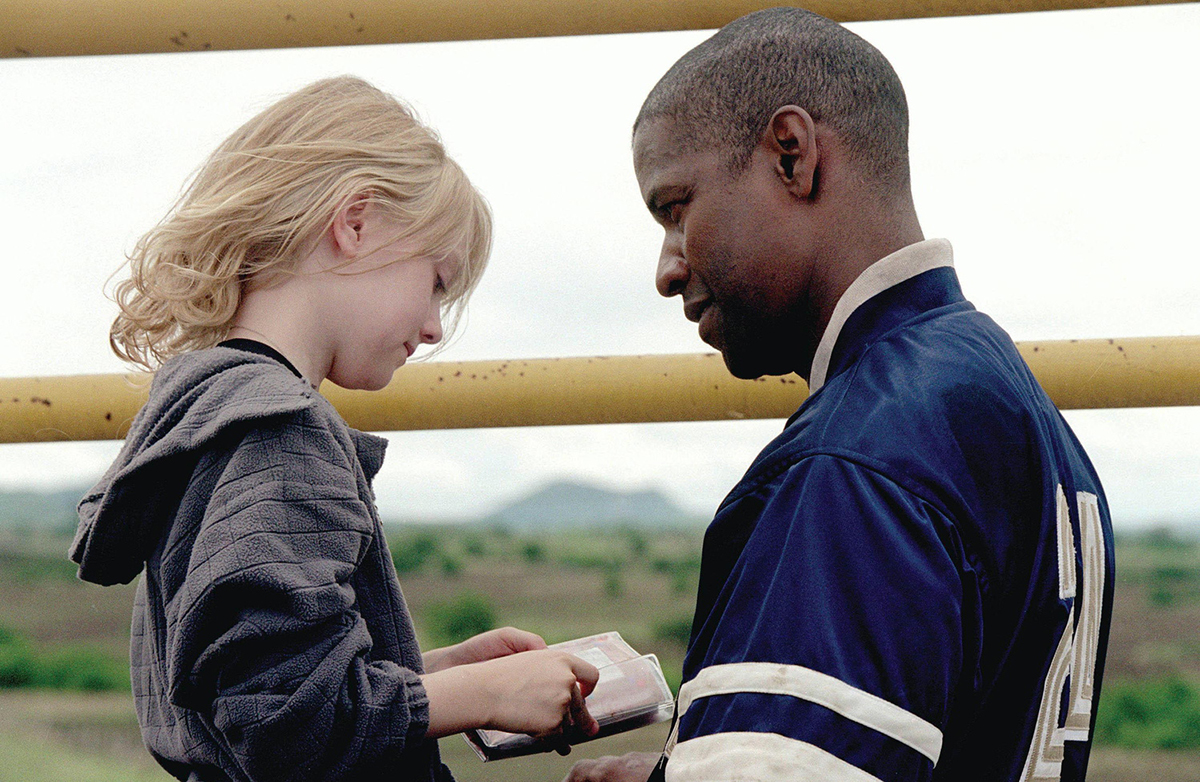
But âMan on Fireâ is a good movie. Both Denzel and Fanning are perfect, though I enjoyed Walken in a non-cynical role as a true supporting player. The film makes sweeping indictments of corruption, especially apropos in a climate where it seems not to matter. Denzel shows us all the colors of Creasy: anger, violence, brokenness, a wisdom from a life doing the wrong things, and ultimately love and loyalty. The filmâs end is sad, as it ought to be, yet filled with a fleeting hope. I found the filmâs final shot superfluousâthe film shouldnât have answered the question it doesâbut itâs a small criticism. Denzel, Fanning, and Scott plop us into an unforgiving world but give us a reason to hold on to love. Itâs a worthy thesis that earns its payoff as the credits roll.