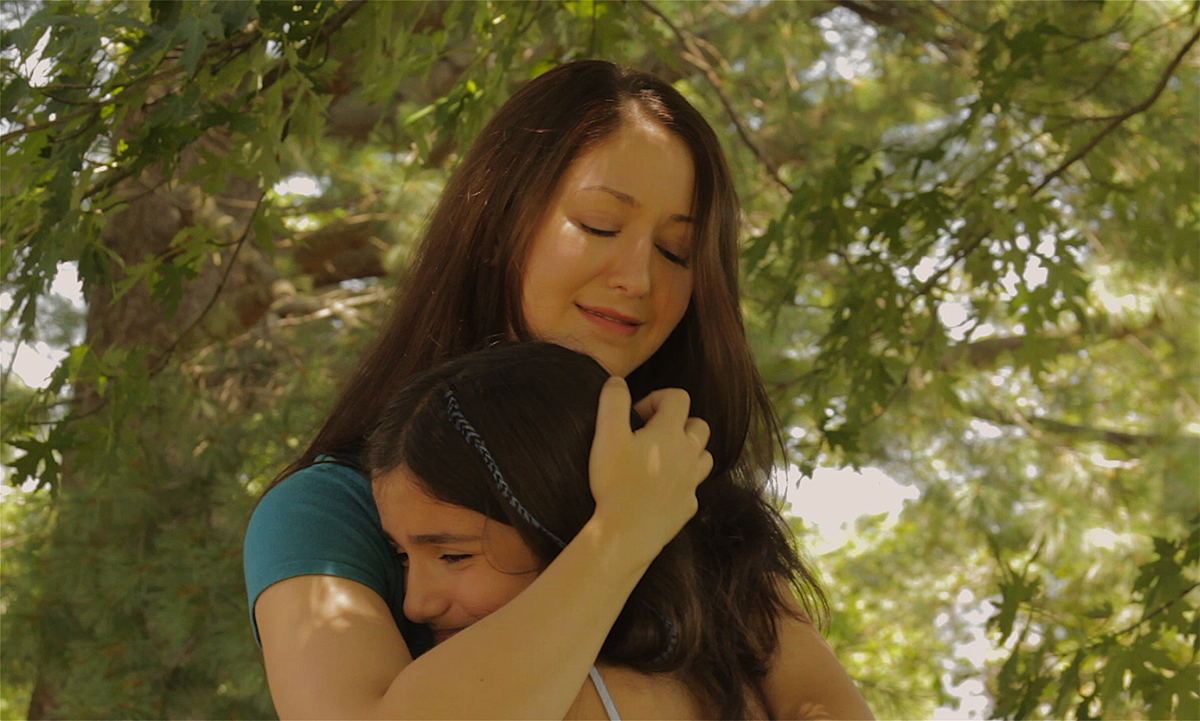
In the song âRewindâ by Better than Ezra, the band writes: âright there, a sone became a soundtrack for a place and time.â And I think this sentiment is the central thesis of S.J. Creazzoâs horror/psychological thriller âShattered Soulââthat trauma can become a holding place or a prison from which its sufferers cannot escape. The independent film, at 79 minutes, explores this idea amidst psychological discussion, conversations on good and evil, and Biblical thematics such as god and the devil. Itâs primarily a two-hander: actresses Alison Stover and Diana Cherkas mostly carry this film, leaving food for thought and questions in its wake.
âShattered Soulâ reminded me of two other films of Biblical nature, âWhat Dreams May Comeâ and âEnd of Days,â both in different ways. The basic plot is that a mother, Evie (Cherkas) has lost her young daughter in a tragic accident yet represses the memory of its occurrence due to its pain. Sheâs been going to therapy, however her therapist, Rebecca (Stover) seems to be losing patience with her. She tries an aggressive approach to help Evie remember. Yet by the filmâs 20-minute mark, Rebecca will drop a choice in Evieâs lap that stuns and shocks her. The film then departs on a psychological journey and game of cat-and-mouse thatâs hard to talk about further without giving away plot details. But since âShattered Soulâ ends on notes that make one think its takeaways are subjective, weâll tread lightly.
An Indie Film of Psychological Conversation
Watching commentary on the AMC hit series âBreaking Badâ recently, I learned of the cinematic term âbottle episode.â Itâs where a show is running low on budget and films one episode in one confined location to cut down on costs. âShattered Soulâ is a bottle movie. 90% of the film takes place in Rebeccaâs office, and cinematographers Rich Cook (a S.J. Creazzo regular) and Jules Crespo make the office bright, vibrant, and immovable. The stage setting is brilliant, fixating on Rebeccaâs office door (which seems to be the door to Evieâs prison) and her back window, where Evie longingly looks out, seeing both hope (fleeting) and despair. Rich Cirillo also adds an eerie score, making the happenings forlorn and mythical. Thereâre also sparse sequences using camera trickery and some manner of CGI which Iâm anxious to discover how the camera team achieved.
The acting here is very good, which both Cherkas and Stover playing off each other well. Cherkasâ job for most of the film is to live in a small shell of trauma and fear, and she delivers. Evie is a driven woman but afraid of the answers to some of the questions she seeks. Her daughter having died in a car accident she supposedly caused, she runs from responsibility, regret, and the harm itâs caused her and her family (we learn her husband left her because of the event). She goes to great lengths to avoid asking a simple question (of herself, of her daughter), and a scene towards the end, as she does, has the levity of forgiveness and the grace of absolution. Yet itâs short-lived.
Cherkas and Stover are Excellent
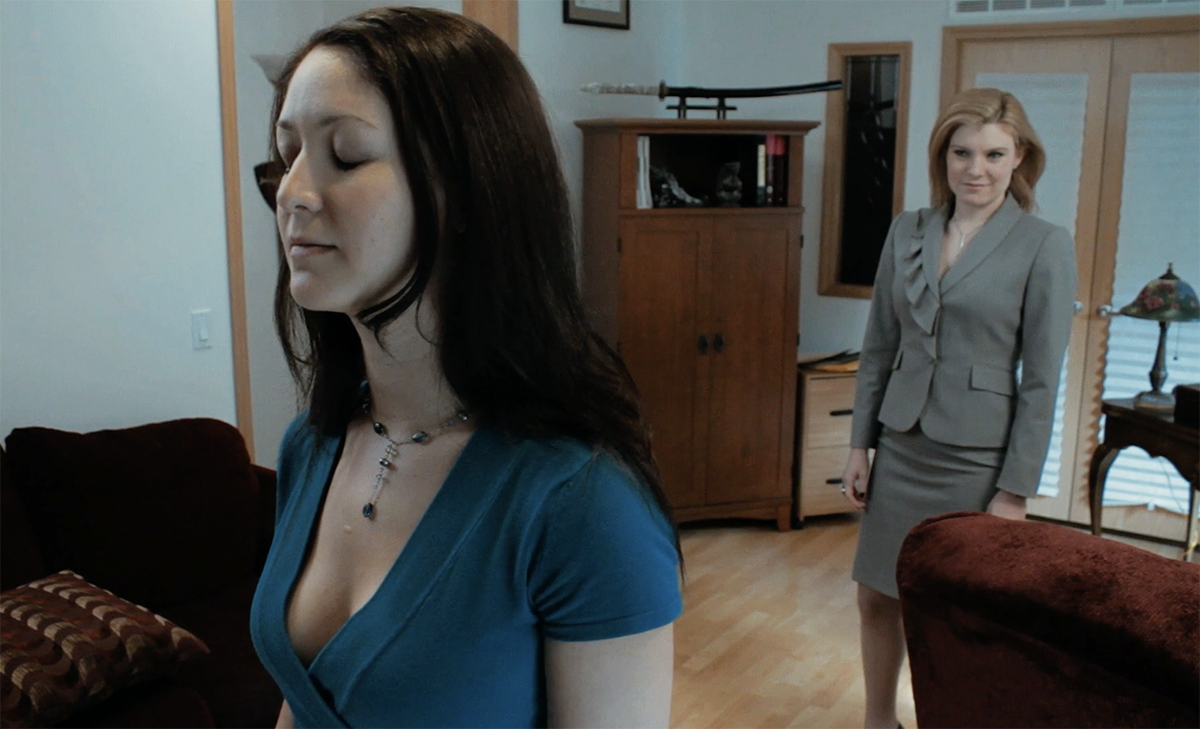
Rebecca is a mixed bag, and to avoid spoilers Iâll need to skirt some obvious plot points. To me, she was the true powerhouse of âShattered Soul.â For most of the filmâs run-time, she has an angle to play, and the way Stover is able to speak in indefatigable double talk over Evieâwho grows tired of her indirect mannerâwithout herself growing tired is expertly done. Rebeccaâs control over Evie is palpable and she handles the filmâs massive dialogue dumps with ease. She promises Evie things (an answer, her daughter, freedom), and through clever cinematography, she convinces us she can deliver. And while Rebeccaâs manipulations run most of the filmâs discussions, I was most impressed with her performance near the filmâs end. Rebecca (or whomever she is) becomes kind, compassionate, and loving. It makes us guess who and what she really is, which I feel is one of the points of Creazzoâs narrative.
It’s unfair to talk about âShattered Soulâ without talking about its religious aspect, which can be profound. Itâs not a âspiritualâ filmâmost times itâs the opposite. Yet some of its discussions on the nature of good and evilâand of God and Satanâare intriguing. They hold similarity to the aforementioned âEnd of Daysâ in depicting how devilish conversations might actually happen, rather than relying on Biblical anecdotes. Creazzoâs film also touches on the ultimate point of what evil wants: not to have us do terrible deeds for its benefit, but rather rooting for the destruction of whatâs left of our soul. Evieâs soul is fractured; how can her childâs death not cause that? But her redemption lies in the one action sheâs most terrified to make: forgiving herself.
Good, Evil, and the Hope of Redemption
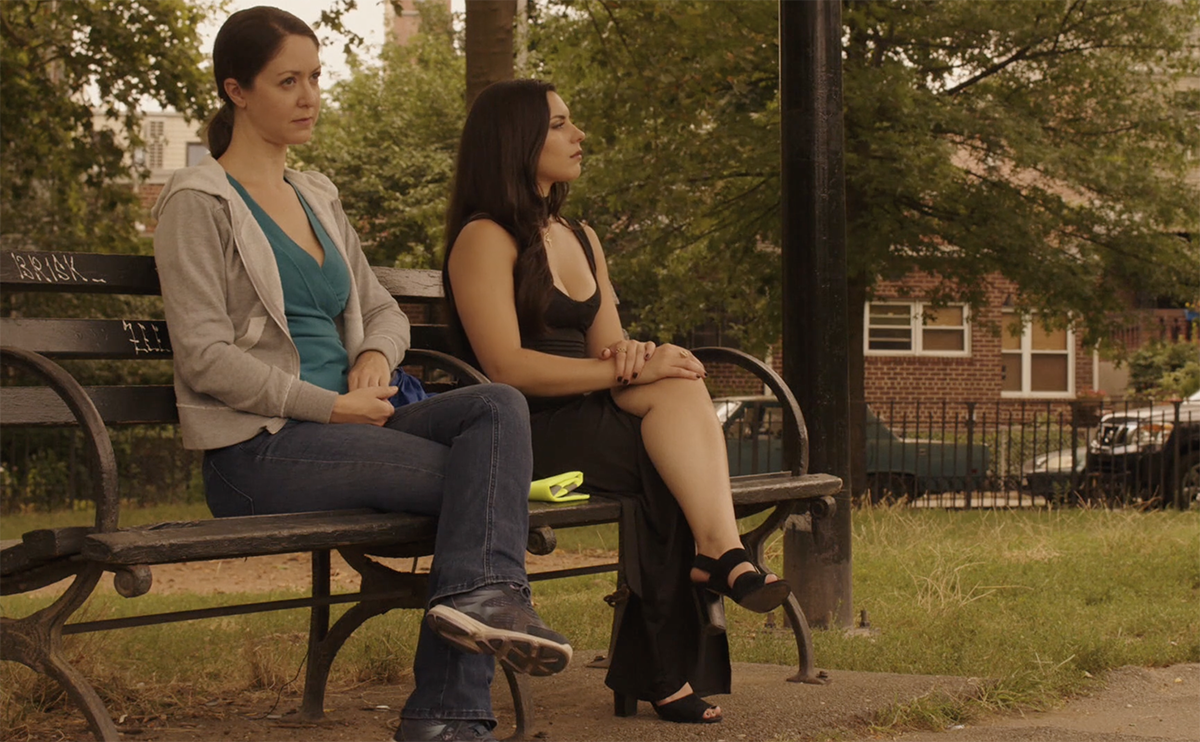
âShattered Soulâ is a solid film. It has intriguing conversations, is mostly dialogue, and the skill with which Stover and Cherkas memorized the lengthy script is impressive. It has some con-fuddling elements interspersed withinâincluding conversations with Cherkas in a flipped role and Dreamality Entertainment regular Gabrielle Kalomiris that can become oversaturatedâbut overall I enjoyed its takeaways. For a horror film it offers tinges of hope and ends with the hanging feeing that it all could have been a dream. Yet creator S.J. Creazzo doesnât hand us the answers but makes us work for them. Despite its verbosity, âShattered Soulâ is a good film that makes us think. Its takeaways are real and poignant and should do well with those who like horror and a good psychological mind job.
You can watch the trailer for “Shattered Soul” in the window below. Follow The Movie Buff for more information when the film becomes available for streaming.