





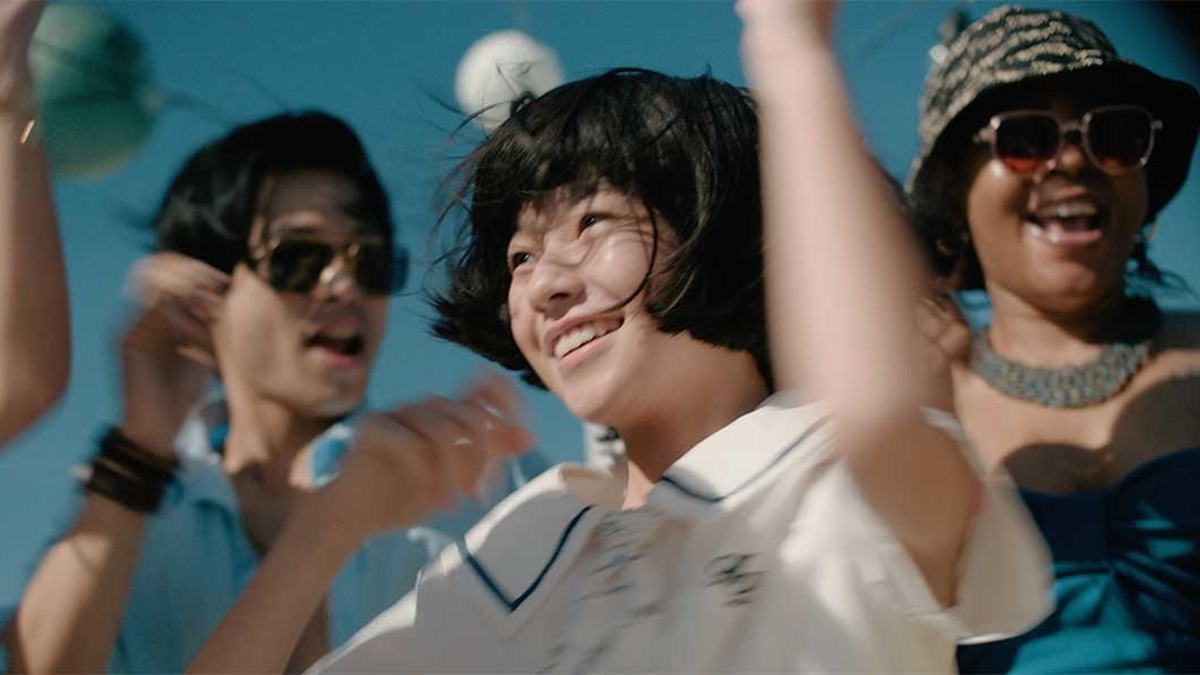
In the lobby of the hospital where her father is receiving treatment, 11-year-old Fuki Okita (Yui Suzuki) pauses in front of a painting. Itâs Pierre-Auguste Renoirâs portrait of a girl in a blue dress, Irene Cahen dâAnversâcaptured forever in her youth, untouched by time or death. The connection is not explained, but it hovers over Chie Hayakawaâs latest film “Renoir“: a film about a child trying to freeze the inevitable, the way we might stare at a canvas and will it not to change.
Hayakawaâs debut, “Plan 75,” examined aging and mortality through the lens of a dystopian bureaucracy. Conversely, this follow-up looks at death from the other end of the age spectrum. The year is 1987, and Fukiâs father (Lily Franky) is dying of cancer. Their relationship, at least from the young girlâs perspective, is tender in its everydayness. She shows him a magic trick she saw on TV, hoping for approval, only to have her request gently to play it once more brushed aside. Heâs alive but already slipping away, and she knows it. Her mother (Hikari Ishida), by contrast, is an enigma. Hayakawa deliberately films from Fukiâs vantage point, keeping the mother at a distanceâpartly present, partly absent, juggling familial duty with a hunger for personal freedom.
Death as Seen Through a Child’s Innocence
The film’s thematic through-line is death, though refracted this time through the eyes of a child who refuses to confront it head-on. Despite the gloom of its premise, the film is not a conventional story of mourning. Instead, Hayakawa concerns herself with how a child bends time, looking for side doors around grief.Â
Where most films might follow the stages of grief, “Renoir” takes another route. Fuki doesnât cry, lash out, or sit in silence. On the contrary, she suspends her grief altogether, throwing herself into odd encounters and borrowed experiences. Picking up new hobbies, whether to while the time or to find a distractionâor bothâshe comforts a widow who unearths painful secrets about her late husband. She dials into a dating hotline, engaging with people whose loneliness brushes against danger. These episodes may seem like detours, but they form a pattern: Fuki is testing out the world beyond her fatherâs shadow, while postponing the unbearable heartbreak she knows is coming.
This structure is both “Renoirâs” strength and its limitation. Hayakawaâs glacial pacing is deliberate to the point of daring, stretching scenes until the audience must simply sit with them. Sometimes this captures the suspended quality of childhood summers and hospital visits, where clocks seem to stall. At other times, it drifts, pulling focus away from Fukiâs emotional core. The subplot involving her motherâs attempts at dalliance with a younger man feels more like a reflection of adult disappointment and sorrow than a window into Fukiâs own.
Using Quotidian Languor to Examine a Child’s Emotional Restlessness
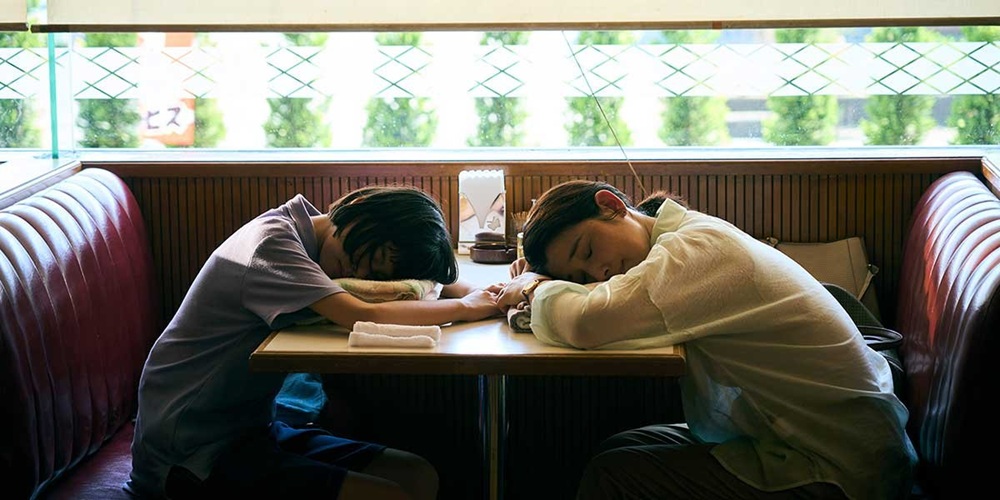
Where “Plan 75” was taut and sharply constructed, “Renoir” builds upon atmosphere and fragments, and thus presents itself to be more prone to digressions. Hideho Urataâs cinematography bathes the film in the muted glow of a Japanese summer: the way light spills across tatami, the cicadas, the damp air, the worn interiors that hold both comfort and claustrophobia. The film is almost tactile: you can sense the summer humidity pressing on Fukiâs skin. Thereâs also a hint of Kore-eda in the attention to quotidian gesturesâa parentâs tired smile, the hush of a shared mealâthough Hayakawa is less interested in warmth than in the peculiar detours of a restless child.
At the center of it all is Yui Suzuki. Starring in her first leading role, she possesses a natural screen presence, shifting from playfulness to guardedness without ever tipping into precocity. Suzuki doesnât âperform griefâ so much as circle around it, embodying a character who is still deciding how to feel. Her face carries the weight of the film, even when the narrative meanders.
The title, too, carries a weight. Why “Renoir?” On one level, itâs simply the painting in the hospital, the image that seizes Fukiâs attention. But I feel like it also speaks to what Fuki is chasing: permanence, the fantasy that life can be captured and preserved like brushstrokes on a canvas. Renoirâs Irene is frozen in childhood; Fuki knows hers will not last. The painting becomes a private anchor, a reminder that time can be stoppedâat least in art, if not in life.
‘Renoir’: A Confidently Paced Coming-of-Age Film Brimming with Honesty
“Renoir” is not without frustrations. Its length and scattered subplots occasionally sap momentum, and the film sometimes risks aestheticizing grief rather than illuminating it. Yet thereâs honesty in its roundabout approach. Hayakawa understands that children donât grieve in neat arcs. They sidestep, they explore, they chase experiences that donât add up until much later.
By the time the film closes, it hasnât delivered a cathartic release. Even so, Hayakawaâs coming-of-age leaves behind something subtler: the impression of a summer where life and death pressed against each other, and a girl who tried to make space for both. Like the painting that lends the film its name, “Renoir” holds a moment stillânot perfect, not eternal, but enough to remember.


“Renoir” had its world premiere in the main competition of the 78th Cannes Film Festival on May 17, 2025. It will screen in this year’s International Film Festival, which runs from November 14 to 23, 2025. Follow us for more coverage.




