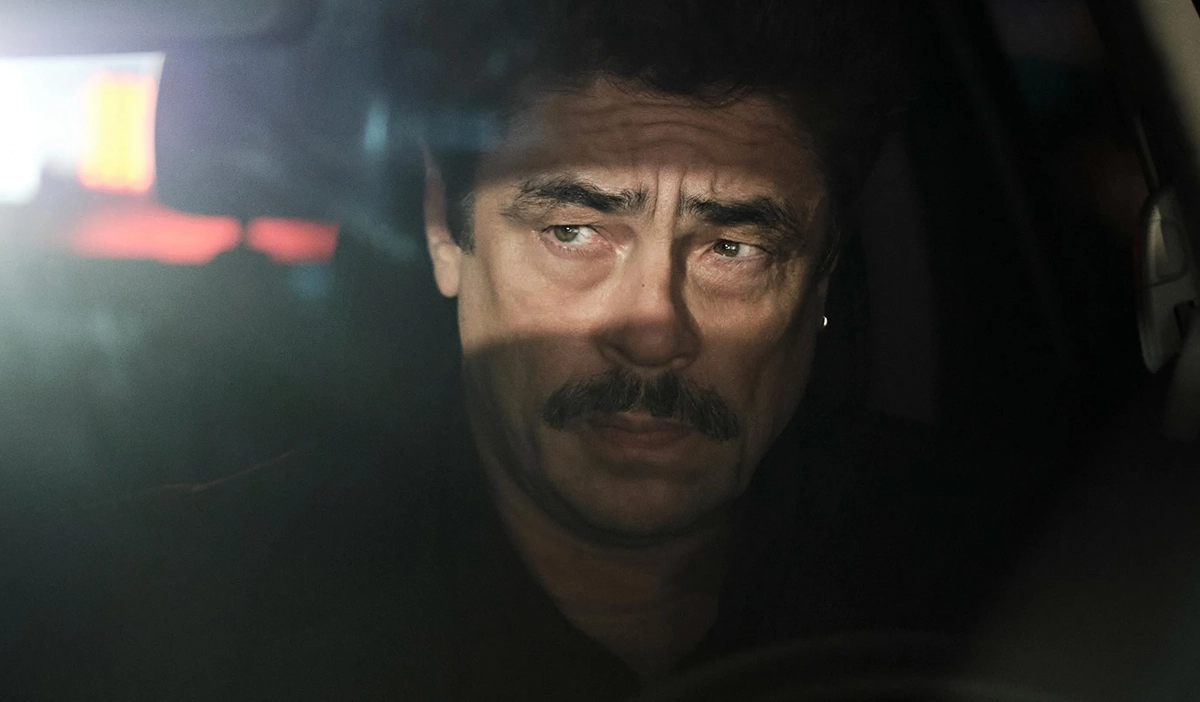
Grant Singerâs âReptileâ (2023), currently showing on Netflix, is an odd bag. Itâs not a bad movie, but not a great one either. It mixes a slow-pace and âThe Pledgeâ-like plodding with what ends as a common cop procedural. Its leadâBenecio Del Toroâalmost solely saves the film. However, âReptileâsâ biggest problem is it centers itself on atmosphere and misdirection for most of the filmâs run, only to end commonly. It has notes of Brian Kirkâs â21 Bridges,â except with the cinematography and editing of a psychological thriller (though the film is not). Justin Timberlake co-stars and has been criticized by multiple critics for âmediocre acting,â but those complaints are flatly incorrect. âReptileâsâ biggest problem is not Timberlake, nor any of the cast. Rather what brings it down is its odd direction by Singer and its story (co-written by Singer and Benjamin Brewer).Â
Why makes âReptileâ odd is it views its events uninterestedly, the camera discovering occurrences it wishes were more interesting than they are. The film centers around a murder. Timberlake plays a Real Estate mogul mommaâs boy named Will Grady whose girlfriend, Summer (Matilda Lutz) is found dead in a house heâs trying to sell. Theyâve been seen to have a rocky relationship, with Grady criticizing her for not âbeing there for himâ the night before at a seminar he gave on selling houses. In short time Grady is brought in for questioning and admits the fight. “Reptile” then spends most of the rest of its run-time (a too-long 2 hours and 14 minutes) obfuscating the audienceâs expectations of who or what could have been the cause of Summerâs death.Â
Complex and Twisty-Turny
âReptileâ does this thing where it holds back even as it reveals more and more pieces to the puzzle. It introduces two other individuals from Summerâs life (Michael Pitt, Karl Glusman) who may also be the killer(s). It also offers looks at Del Toroâs Tom Nicholsâ life at the police precinct he works (heâs the lead detective). We get the impression Nichols has a past, and the film is slowâtoo slowâin piecing together what may have happened. Nichols also has a gnarly looking fresh scar on his hand, which he covers with a bandage, making us wonder if he could have killed Summer himself? Itâs in this way the film is odd. It starts lots of moments that make the audience wonder and then goes absolutely nowhere with them. Along the way, it bounces in and out of the lives of some of the close-knit townsfolk. This is on top of choppy editing that cuts and introduces scenes before we really have the ability to understand whatâs going on.Â
I mentioned âThe Pledgeâ and â21 Bridges,â and âReptileâ really feels like a composite of those two films. Without offering spoilers, it lacks the overly-sanctimonious rationalizing of the latter, but holds the mystique and eerieness of the former. Del Toro is great here. It was fun watching him as a career detective who has more moralsâand more care in policingâthan many of his colleagues, save his rookie partner Dan (Ato Essandoh), whoâs really fun to watch. Yet âReptileâ is also an odd character study, as his marriage may or may not be falling apart. Halfway through the film we see his wife (Alicia Silverstone) receiving the flirtations of a contractor who then appears at a function with her at a later scene. Yetâlike other aspectsââReptileâ drops this angle altogether in an odd way that felt unfinished.Â
Del Toro is the Film’s Highlight
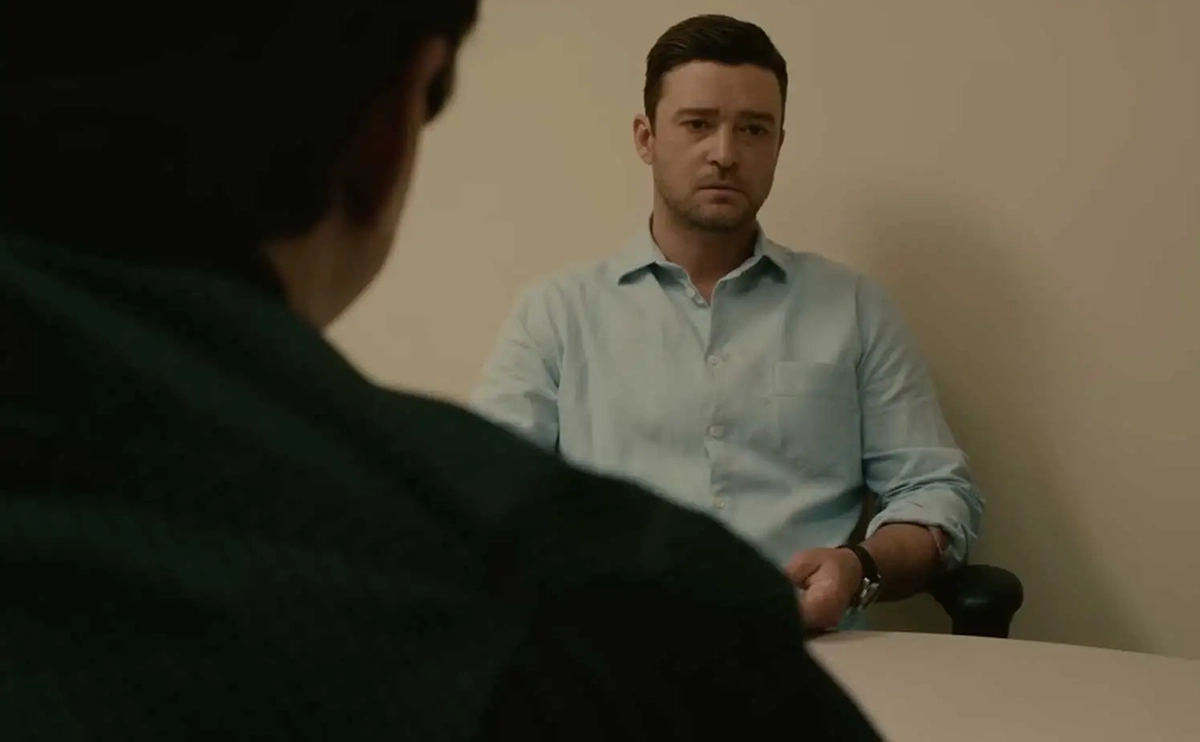
Apart from this, the film skips from angles involving the aforementioned Pitt and Glusman, along with hints and that Nicholsâ captain (Eric Bogosian) or other cops may or may not be involved in Summerâs murder.
The basic problem with âReptileâ is its plot is simple, but its cinematography (Mike Gioulakis handles the camera) and editing (Kevin Hickman) try to make the film feel more ambitious than the material allows. More-so, the way some of the scenes beginâor endâleave the audience wondering what exactly is going on. There were several times where I was very hazy about how we got into scene or why we were there. This is in addition to other scenes that begin or end in odd places that offer little but confusion. And while we get many scenes with Del Toroâwho is great hereâfor one of the filmâs main characters âReptileâ is slow or reluctant to build his backstory fully. However, one scene as he talks to a therapist about a recurring dream set the stage for intriguing character growth. Del Toroâs Nichols saved most of the film for me and is a pleasure to watch throughout.Â
As stated, âReptileâ is not a bad film, just what feels like an incomplete one. Itâs clear Singer et al. are trying something new here with the filmmaking style. Maybe they wanted to make it feel older and more immersive (it has notes of Nolanâs âMementoâ and Fincherâs âSe7enâ). Yet I donât feel the material is deep enough to warrant the cameraâs artistry. However, the film isn’t insulting and worth a watch if you are into cop procedurals that make you think. And while some of the filmâs decisions bring it down some, it makes for an atmospheric yarn all the same. Perhaps Singerâs next production (his career is mostly music videos before this) will bring the same mood and tone to a project and story that has slightly more to offer on its underbelly.Â