A camera can capture time distilled, its holder trying to catch the âuncatchable,â manipulating that which canât be altered. Through photographs, we get the chance to freeze time and live in those moments, whether happy and full of bliss or ones showered in gloom, once anew. Remembrance helps to get the feeling of those moments back into the soul, yet we want to have the opportunity to bask in those moments more. And so we return to these images as gateways to the past. They serve as quiet invitations to linger in what once was. We stitch together the memories that shape who we are as we scroll through photos and relive the moments.
Laura Poitras and Her Portrait on Photographer Nan Goldin
This has been something Iâve been thinking about more since the pandemic occurred, especially after watching three specific films: Laura Poitrasâ âAll the Beauty and the Bloodshed,” Lucy Kerrâs âFamily Portrait,” and Klára Tasovskáâs âIâm Not Everything I Want to Be.” These three films showcase different ways in which photography captures time. They reveal details that might not be apparent at first glance. Kerr, Poitras, and Tasovská want us to recognize the truths that images preserve long after the moment has passed. While Lucy Kerr takes a different approach to discussing the impact of photography and portraits as gatekeepers of memory and time, Poitras and Tasovskáâs visions are pretty similar.Â
âAll the Beauty and the Bloodshedâ painted a portrait of photographer Nan Goldin, known for her work covering the LGBTQIA+ community in New York during the ‘;80s, with the lawless bohemianism rampaging in the background of each of her pictures, as well as her activism against the opioid crisis. Goldin explored how love, drugs, and loss interlaced in the lives of those she photographed. You sense a deep connection between the person behind and in front of the camera, a profound respect between the two. Rebelliousness and freedom ooze from these photographs. However, with a quiet melancholy that unfolds with the heavy tides that crashed during those tough times within the communityâpersecution, injustice, and fractured societal behaviors.
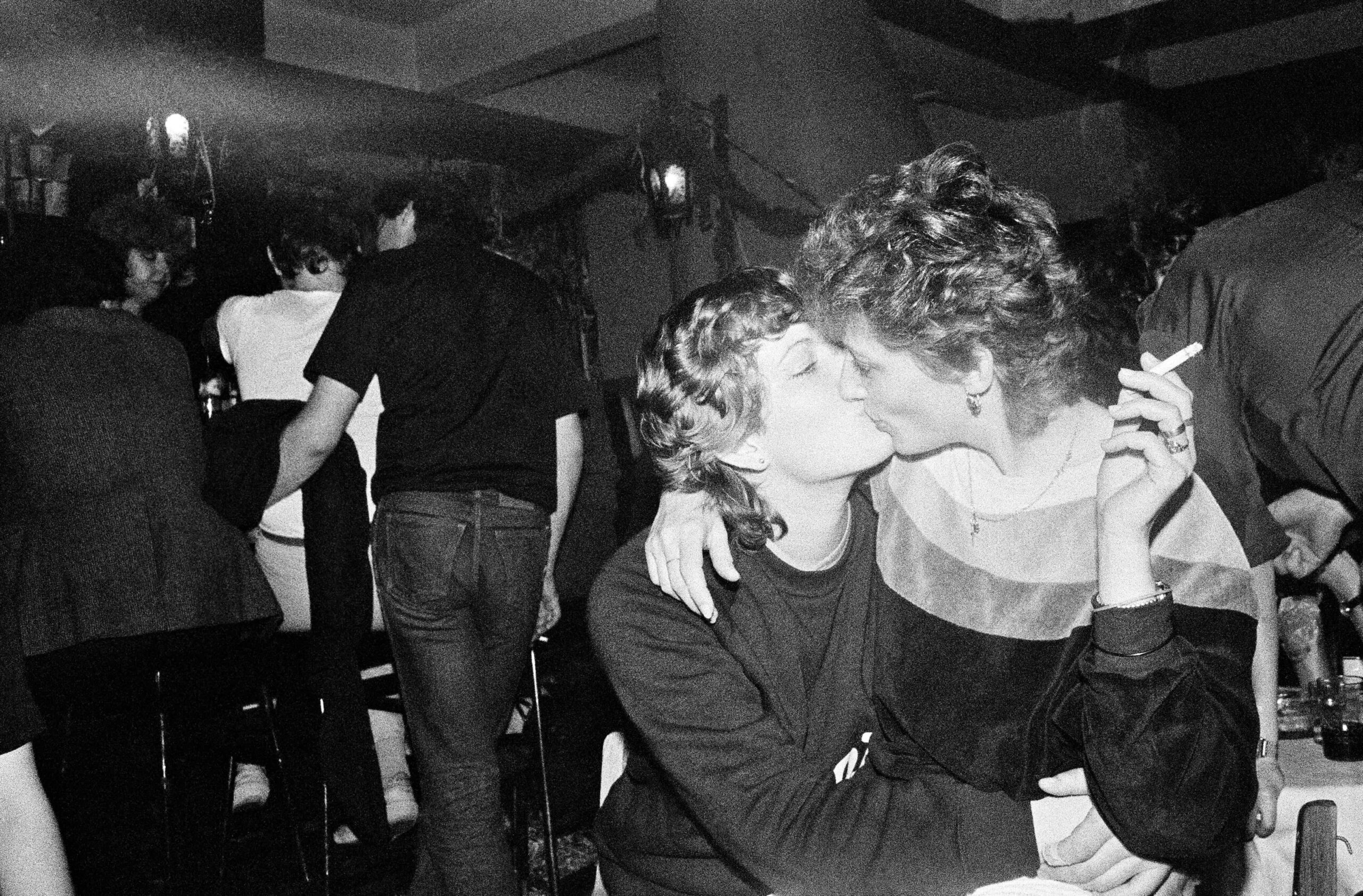
Nan Goldin was a figure who spoke with honesty and assertiveness, shining a light on the people who shaped these communities in America. However, on the other side of the world, in Czechoslovakia, there was another photographer who was doing something similarâcovering her hometownâs (and the place she visited) societal and political issues and the nightlife culture: LibuÅ¡e Jarcovjáková. She is a figure that many, including me, didnât know about. Like Goldin before her, most recent exposure with the Poitras documentary, Libuse was a figure that a small niche of the photography world would recognize. Yet her impact has been felt even beyond the lack of recognition she has received these past few years.
A Poetic Temperament Through Photography and Scribings
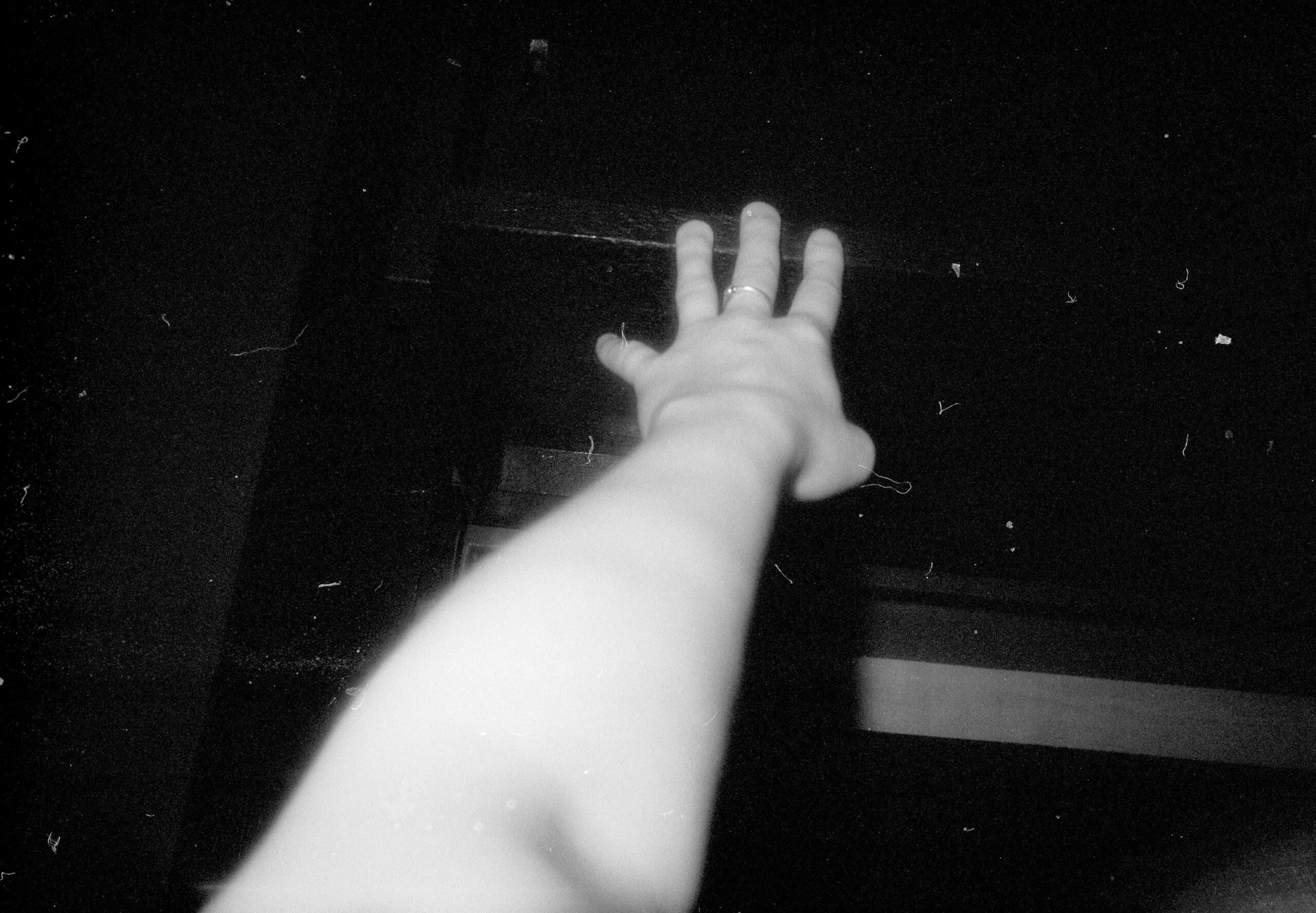
Hence, director and documentarian Klára Tasovská wants to introduce her to the world with her film âIâm Not Everything I Want to Beâ (âJeÅ¡tÄ nejsem, kým chci být,” original title). Similar to Poitras, Tasovská takes us on a decade-spanning journey through Jarcovjáková’s fight for freedom and acceptance for communities under constant scrutiny and judgment in Soviet-occupied Prague. Rather than going the traditional route of telling her story, with the so-called âWikipedia rundownâ sharing of information and anecdotes, Tasovská constructs this documentary as a tale of self-discovery, assertion, and introspection, as seen through Jarcovjákováâs beautiful, raw photographs and scribings from personal diaries, which contain a poetic temperament that provides a deep dive into her psyche.Â
By molding the film in this manner, we as an audience get a more profound, emotional, and intricate portrait of Jarcovjáková, creating an illusion that isnât quite thereâstill images where you can see them moving in your mind, and voices guiding the viewer like ghosts of a past long gone, in your head constantly and vivid as a dream. You donât know much about her or what sheâs been through at first. Although by the end, it seems like you have had a thousand conversations with Jarcovjáková. The fragmented pieces of her lifeâs puzzle come together to form a vivid picture of who she is, even when in most of Jarcovjákováâs life she didnât know.
The title alone reveals the inner struggle of not feeling happy with your life, searching for an identity and connection as the toll of time hits harder and harder each day that passes. Some of the photographs even contain a heavy flash, which refers to a ghostly presence, similar to what Poitras did with Goldin’s in her documentaryâthe people in the photographs slowly disappearing from the frame. No matter the country or period, she felt astray, lost amidst the changes, and never found a place where sheâd fit.
A Story Through Uncertainties and Uneasiness
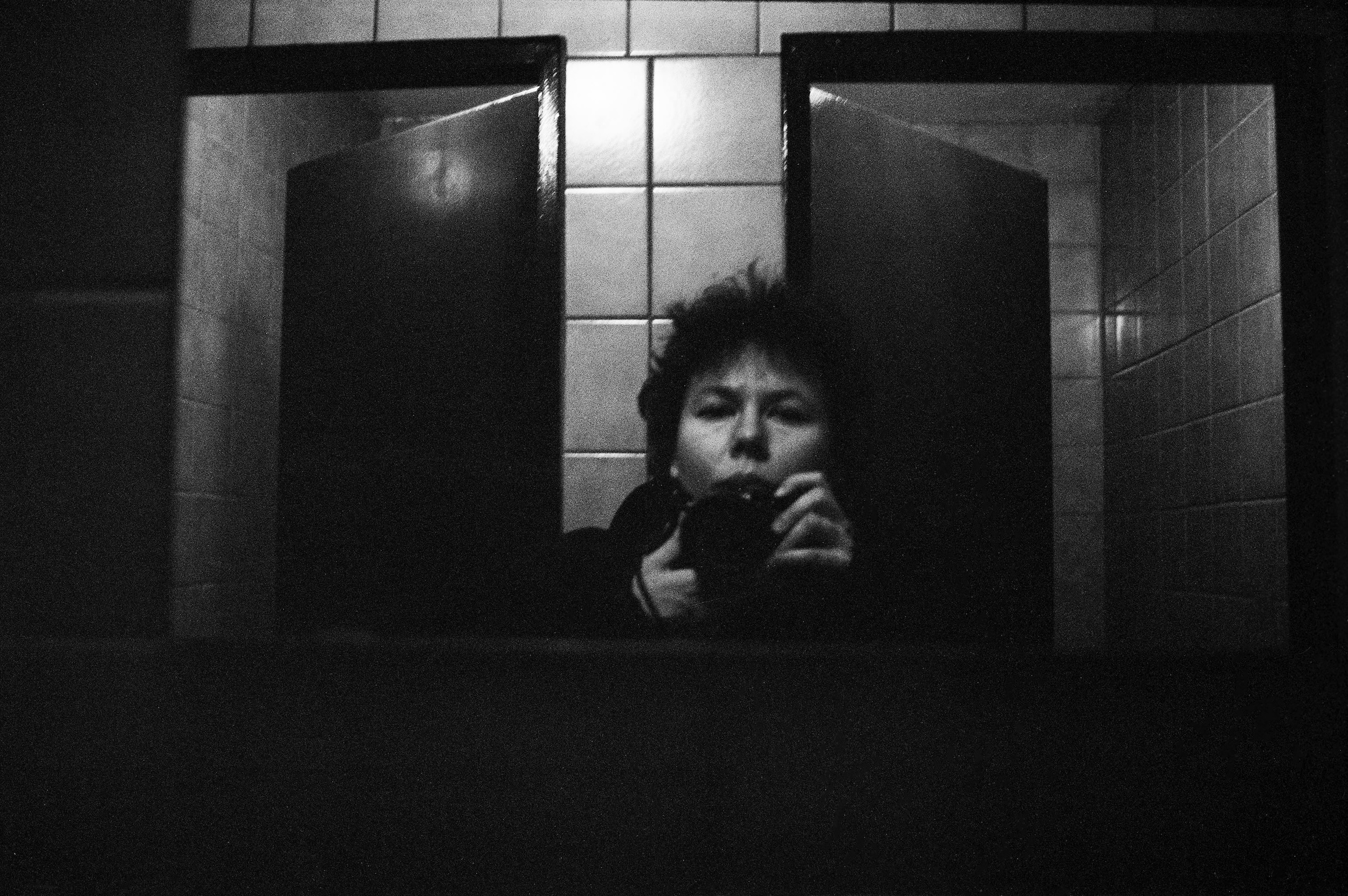
âIâll never stop asking myself who I really am,” is something she questions constantly, a relatable quote that strikes a chord with those who feel like outsiders. Her uncertainties and uneasiness become a mirror that reflects the quiet fears many carry but rarely name. As she searches for herself in these communities, whether in Prague or Japan later in her life, we recognize the longing we hold. Now we see the world through her eyes and ours in a clearer glance. Jarcovjákováâs photography tells stories of outsiders and rebels, lovers and wanderers, all suspended in moments that feel intimate and universal.
She captures the emotional truths that bind us all. It is desire, displacement, hope, and yearning all tied together in a fragmented yet beautiful box that has been displaced for years, and Tasovská has found it, swept away the dust, and invited us to look back, reflect, and recognize. âIâm Not Everything I Want to Beâ shows not only the ability a camera has, but the will of an artist in the wake of confronting her own fractures. Even through the eyes of a total stranger, a figure most of us wouldnât have known about if it wasnât for this film, we find ourselves in our own search for understanding and connection.