





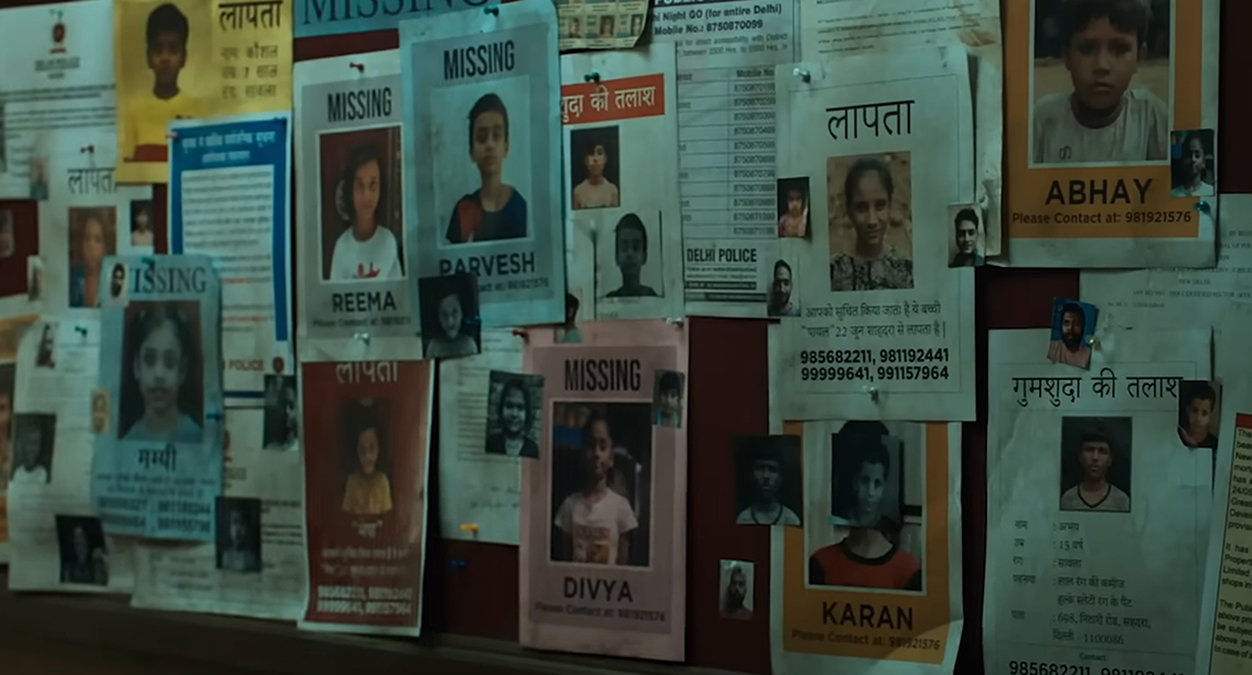
For those who keenly followed the news in the early 2000s, the morbid events that unfold in “Sector 36″âdespite changed names and localesâare all too familiar. For the uninitiated, the movie is based on the Nithari Killings of 2006, a spectacle of a case that led to the disturbing discovery of more than just a mass grave in plain sight.
Director Aditya Nimbalkar is no stranger to layered movies on true crime. He previously served as a writer on the critically acclaimed “Talvar,” which explored the suspicious and yet unsolved Noida double murders. In a similar vein to this aforementioned work before it, “Sector 36” depicts the subject matter, the perpetrators, and the judicial process through a grey lens rather than in a black and white fashion. The movie is not a recreation either, but a study of uncaring authority figures as well as a shoddy investigation (or lack thereof), with Nimbalkar sticking close to the facts too.
A Sensationalized Retelling
Nimbalkar also favours a 3-pronged narrative that is effective in putting viewers into the shoes of the victimsâ kin who still await justice. Additionally, a majority of victims were minors hailing from migrant families. “Sector 36” follows also from the investigating officer and the accused, which allows the movie to extend beyond the police procedural/true crime genre or end up as a sensationalised retelling of the case. Bodies are hauled up from a drain (some even dug up gleefully by the perpetrator himself) a domestic help named Prem (based on the real-life Surinder Kohli and played by the incredibly versatile Vikrant Massey). “Sector 36” here raises a stink over class, privilege, the hypocrisy and double standards afforded to the rich by higher ups. The film explores the cost to the vulnerable have-nots who, on the contrary, live in dire impoverished conditions.
The film draws parallels between Premâs obsession with the popular game show “Who Wants to Be a Millionaire?” and his unhealthy perception of victims as âlifelinesâ or a get rich quick scheme. “Sector 36” highlights a deeply ingrained social conditioning: only those born with privilege are destined to get ahead in life, while others are ‘fated’ to rot in the gutters or resort to gory desperate measures to stay afloat/be viewed as equals. As an individual who grew up in the same socio-economic environment as his victims, he also demonstrates a self-awareness of this class imbalance, later exasperatingly critiquing and questioning it during his interrogation.
The aforementioned interrogation sequence also provides an unsettling insight into his internalised classism, misplaced rage and own butchered childhood. It leads to Prem not only growing indifferent to his crimes but also developing a sense of self-righteousness and saviour complex. For instance, he casually confides to investigating officers that he was simply rescuing his victims from a predetermined, cruel fate in an overpopulated world.
Can the Lower Class Also Weaponize their Position?

Prem knows how to manipulate the class divide to his advantage, which “Sector 36” depicts through a skewed symbiotic relationship he shares with his rich, elderly employer, Balbir Bassi/Papaji (Akash Khurana). To the game-show-obsessed Prem, Papaji (a term of respect usually only reserved for a paternal figure) is his âphone a friendâ option/get out of jail free card. He is under the delusion that his employer will serve as a safety net for when things go south. After all, if the rich can weaponise their wealth and social connections to evade consequences, can those on the lower rung use it as a protective armor? Â
Speaking of armour, the movie also exposes chinks in the legal and judicial system. The chief investigating officer, Ram Charan Pandey (Deepak Dobriyal)Â admonishes his peers for breaking character during their Ram Leela performances. However, he displays a lax attitude when a victimâs father personally visits the station with a missing complaint, even bemoaning a âbreach of his personal spaceââdespite it being his literal job to serve the people. This negligent attitude extends to the constables working under Pandey as well, who fail to differentiate between human remains and monkey paws, leading to a crucial clue being ignored earlier on.
Visual Storytelling Throughout
“Sector 36’s” visual storytelling further sets the stage for the overall macabre tone, with the opening scene of Prem scraping leftover bones off his dinner plate especially foreshadowing his cannibalism. After being subjected to this particular imagery in the first act itself, even a scene of Prem hungrily wolfing down a plate of biscuits served at the police station feels nauseating to watch. He also carries out his crimes under the roof of Bassiâs mansion, which ghoulishly towers over his hunting groundsâthe slums. The imagery of Pandey playing the ten-headed demon Raavanâwho disguises himself as a sage during Ram Leela enactmentsâalso puts the inspector with an askew moral compass, and the criminals he pursues on an almost equal footing.

Saurabh Goswamiâs cinematography adds to the shock factor, too. A pivotal scene follows as the camera pans from the discovery of a victimâs grave right in Bassiâs backyard, to an excavator dredging up seemingly endless polytene bags full of skeletal remains. It cements the idea of the magnitudeâand sheer numberâof the killings.
Last but not least, an intense thriller demands equally intense performances. Deepak Dobriyal and Vikrant Massey tackle complex roles which afford both actors ample opportunity to showcase their talent. And neither disappoints. Massey, who recently won his first National Award for his performance in the critically acclaimed “12th Fail,” is in excellent form here, too. The actor previously elevated even the most clichéd rom-coms as a charismatic romantic lead in the web series “Broken But Beautiful” and more recently in “Aankhon Ki Gustaakhiyan.” He also evoked sympathy in his breakout role as the introverted Shuthu in “A Death in The Gunj” and played a man from a religious minority targeted for being in an interfaith relationship in “Love Hostel.”
Horror, but a Necessary Think Piece
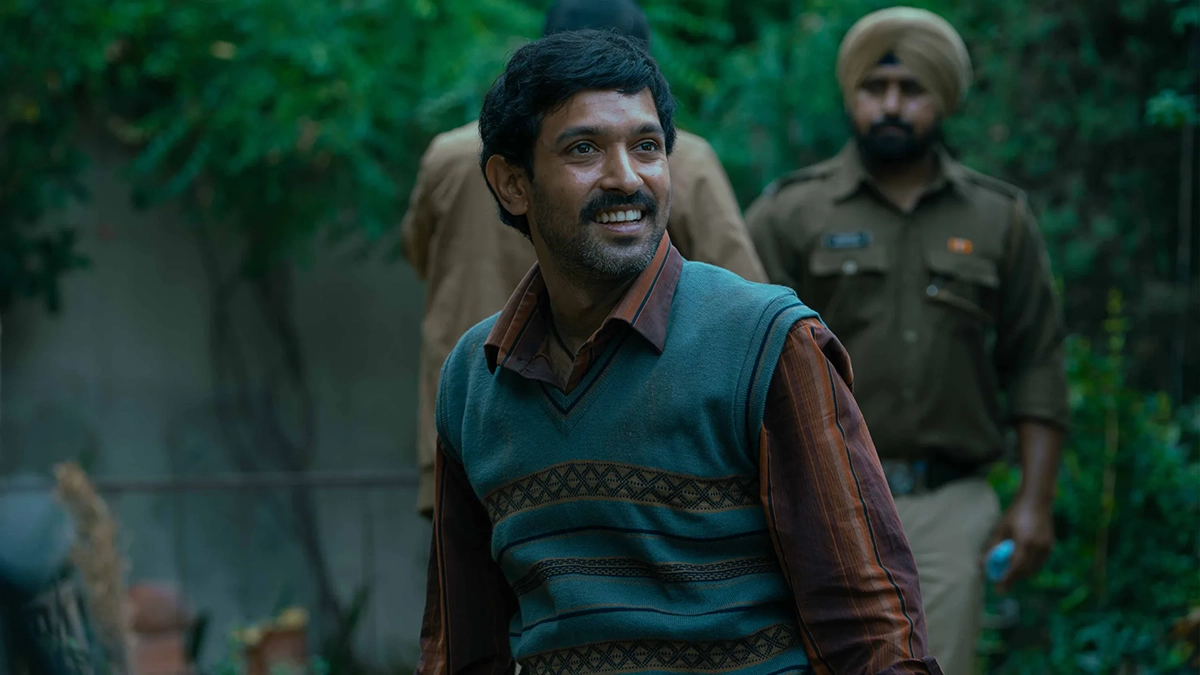
In “Sector 36,” his performance as the predatory Prem is one that chills viewers to the bone. Massey strikes fear through his expressive eyes alone… ranging from Premâs glassy and cold gaze, to his constant frightful leering. Like his co-star, Deepak Dobriyal too has embodied the role of a cold-blooded murderer in prior outings such as “Not A Love Story” (a thriller based on true events). But in “Sector 36,” the shoe is on the other foot as he dons the uniform of the arrogant, cocky inspector Pandey who is brought to his knees by Prem. Dobriyalâs silences and wide-eyed expressions as his otherwise nonchalant character gradually grasps the senselessness of the killings, in particular, convey volumes.
On the whole, “Sector 36” may prove uncomfortable, triggering, and altogether revolting to sit through. However, it’s also a necessary think piece. It cautions viewers that as long as one remains a loyal cog to a broken system, betrayal and injustice are bound to prevail.

“Sector 36” is currently streaming on Netflix.




