This year marks the 20th edition of Fantastic Fest, Austinâs renowned celebration of genre cinema. Known for its audacious programming, boundary-pushing films, and an atmosphere where horror, thriller, sci-fi, and the downright bizarre thrive, the festival has earned a reputation as a must-attend event for cinephiles seeking something off the beaten path. Each year, the festival brings together filmmakers and fans for screenings, panels, and often unpredictable late-night events, where films that would never find a conventional audience get their moment in the spotlight. The first film I caught this year set the tone immediately: Nico Postiglioneâs “The Evil That Binds Us.”
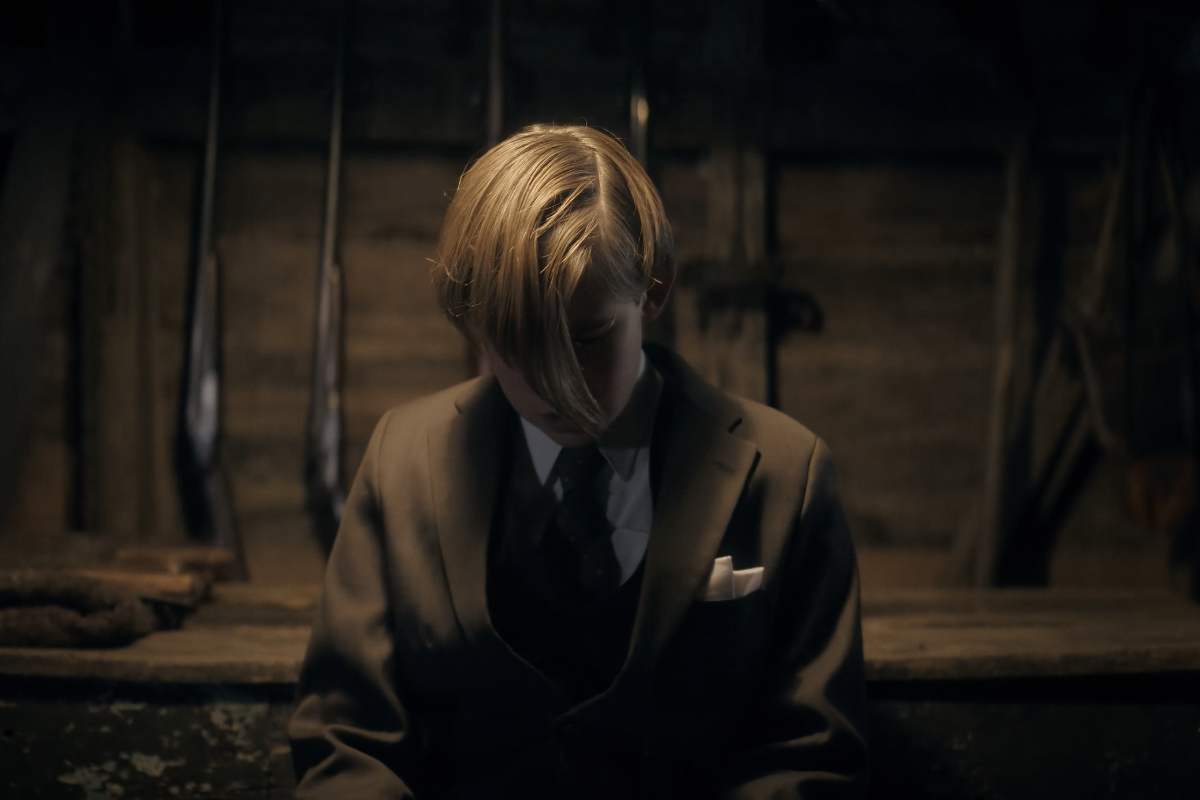
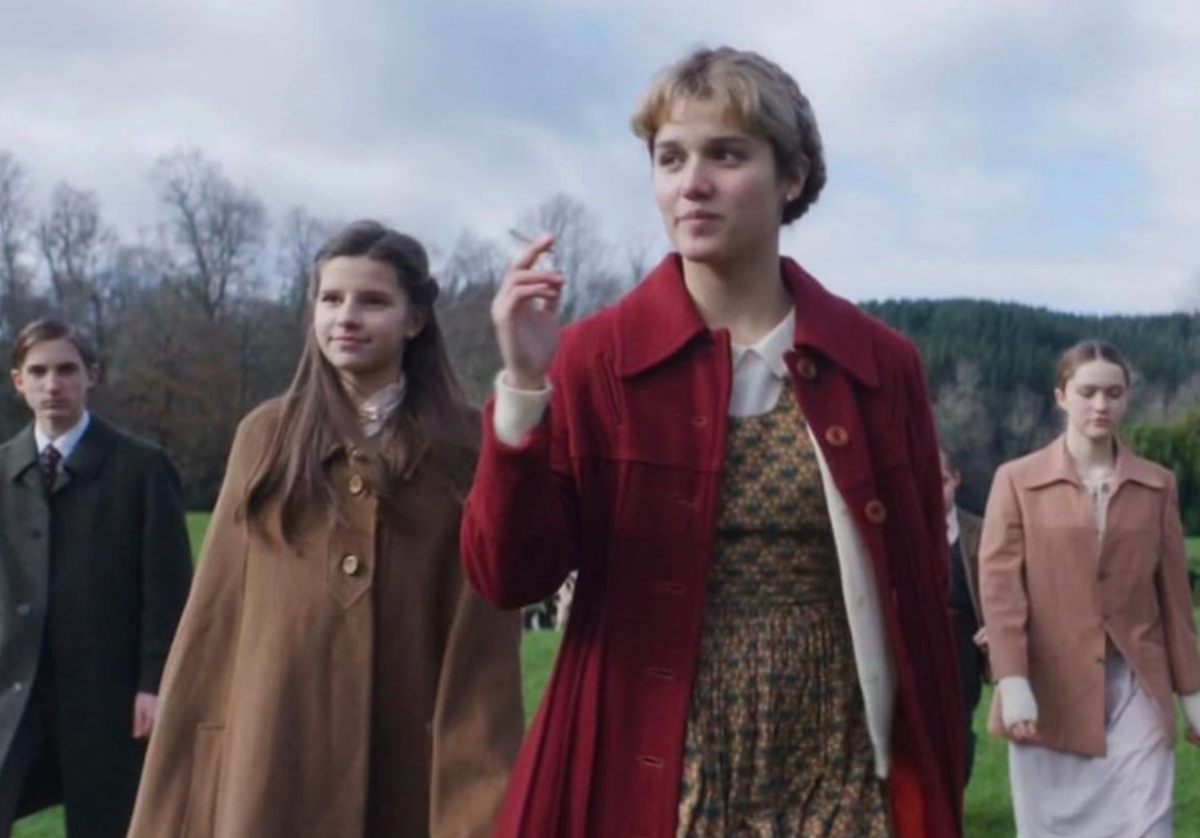
Set in 1950s rural Chile, the film is a bit of a âhen in the foxhouseâ storyâthe kind where innocence wanders somewhere it doesnât belong, and everything polite and orderly starts to rot. At the center is a teenage boy from the city, sent to stay with his German relatives on their farm. His cousinsâa hormonal teenage girl with less-than-pure feelings toward her visiting relative, and her deeply disturbed younger brother who looks unnervingly like himâform a tense triangle of attraction, rivalry, and general discomfort. When the boy begins to bond with the daughter of a farmhand, the familyâs carefully buried racism and violent past bubble to the surface.
A Gothic and Feverish Undercurrent
Postiglione orchestrates a patient, suffocating slow burn, revealing his hand piece by piece until the film blossoms into a lurid nightmare. An oppressive, if somewhat unremarkable, violin score saws away at the nerves, keeping the audience on edge as repression, desire, and violence intertwine. The cinematography amplifies the tension with dark, washed-out color grading that grows increasingly drained as the familyâs conflicts intensify, giving the film an almost avant-garde visual sensibility. The result is bleak and quite unshakable, a film that lingers in the mind long after viewingâeven if youâd rather not live in that place.
The film shares the Gothic mood and feverish undercurrent of desire found in Don Siegelâs “The Beguiled,” where innocence and corruption bleed into one another. But Postiglione pushes further, confronting race and class divides in a household where hierarchy and secrets fester like an open wound.
Catrin Striebeck delivers the filmâs most commanding performance as Aunt Dorothea. Her icy exterior conceals deep insecurities and long-buried secrets, along with a desperate need to control her profoundly dysfunctional family. Though not the narrative center, her steely presence and insecurities dominate every scene she inhabits, making her the emotional and moral axis around which the household spins.
Disturbing and Bleak
In true Fantastic Fest fashion, “The Evil That Binds Us” ticks off the unofficial âfestival bingoâ of taboosâdog death, child endangerment, incestâyet these shocks serve to underline the familyâs rot rather than simply provoke. Disturbing, engrossing, bleak, and ultimately unshakable, “The Evil That Binds Us” doesnât just unsettleâit binds itself to the audience long after the credits roll. Itâs the kind of film you canât help but have a reaction to.
Fantastic Fest ran from Sep 18, 2025 â Sep 25, 2025. Follow us for more coverage.Â