





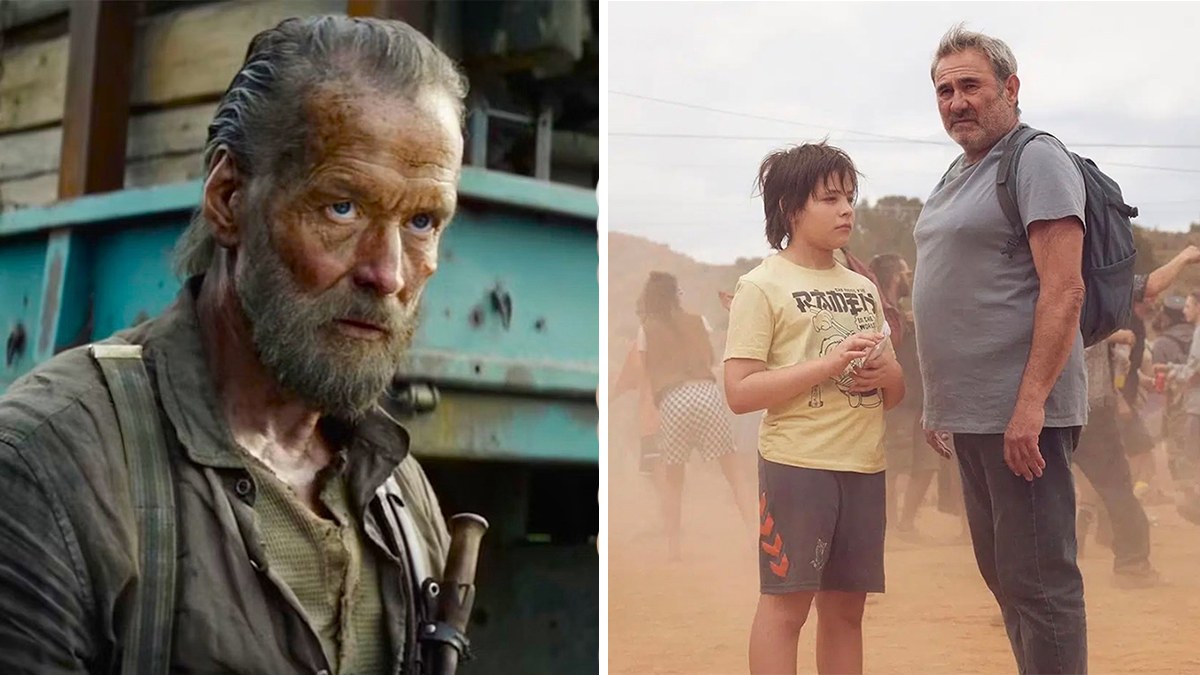
There was no better way to start a Fantastic Fest morning than watching a prospector kill more fascists. Jalmari Helanderâs “Sisu: Road to Revenge” picks up where the 2022 original left offâliterally. Aatami Korpi (Jorma Tommila), âthe man who refuses to die,â returns to Soviet-occupied Karelia in 1946 to reclaim the land where his family was slaughtered. When he tears down whatâs left of his home and loads it onto a truck, the journey that follows is less about rebuilding than about settling unfinished business. Namely, killing Igor Draganov (Stephen Lang), the man who took everything from him.
Helanderâs first “Sisu” was a pure delivery system for pulp catharsisâwatching Nazis get turned into hamburger meat with a prospectorâs toolkit. The sequel doesnât fix what isnât broken; it just straps it to a truck and hits the road. Whatâs new is Lang, who gives a performance so cartoonishly precise it becomes almost musical. His Igor is a snarling, cigar-chomping ghoul whose menace never feels out of sync with Helanderâs absurdist sense of physics. The chase takes place in planes, trains and automobiles.
‘Sisu’ Hasn’t Lost its Sense of Purpose
The action rarely lags, but itâs the back half where “Road to Revenge” really sings. Helander channels the intricate stunt logic of Buster Keaton and the splatstick mania of “Evil Dead 2” into a symphony of bodies, glass, missiles, bullets, and bad timing. Itâs more fun than it has any right to beâand proof that even in sequel mode, “Sisu” hasnât lost its gonzo sense of purpose.
Then thereâs “Sirât,” a very different road movieâone that trades splatter for spiritual vertigo. French-Spanish director Oliver Laxe (“Mimosas,” “Fire Will Come”) takes his camera into the Moroccan desert for something like a post-apocalyptic pilgrimage. Set during the unseen fallout of World War III, the film follows Luis (Sergi López) and his son Esteban (Bruno Núñez Arjona) as they navigate a caravan of ravers searching for a missing daughter. These nomads cope with the end of the world by blasting EDM across endless dunesânot so much escaping reality as trying to drown it out.
Where “Sisu 2” is brisk and bloody, “Sirât” is hypnotic and harrowing. The comparison to “Mad Max: Fury Road” isnât wrong, but Laxeâs concerns are more spiritual than kinetic. His widescreen compositions turn the desert into an existential trapâmore “Sorcerer” than “Mad Max,” with long passages of unbearable tension and transcendent beauty. One mid-film sequence had me physically looking away, a reminder of how ruthlessly Laxe wields his craft. Yet for all its brutality, “Sirât” is also tender. The longer it spends among this makeshift family, the more devastating their journey becomes.
‘Sirât:’ Spain’s Official Oscar Selection
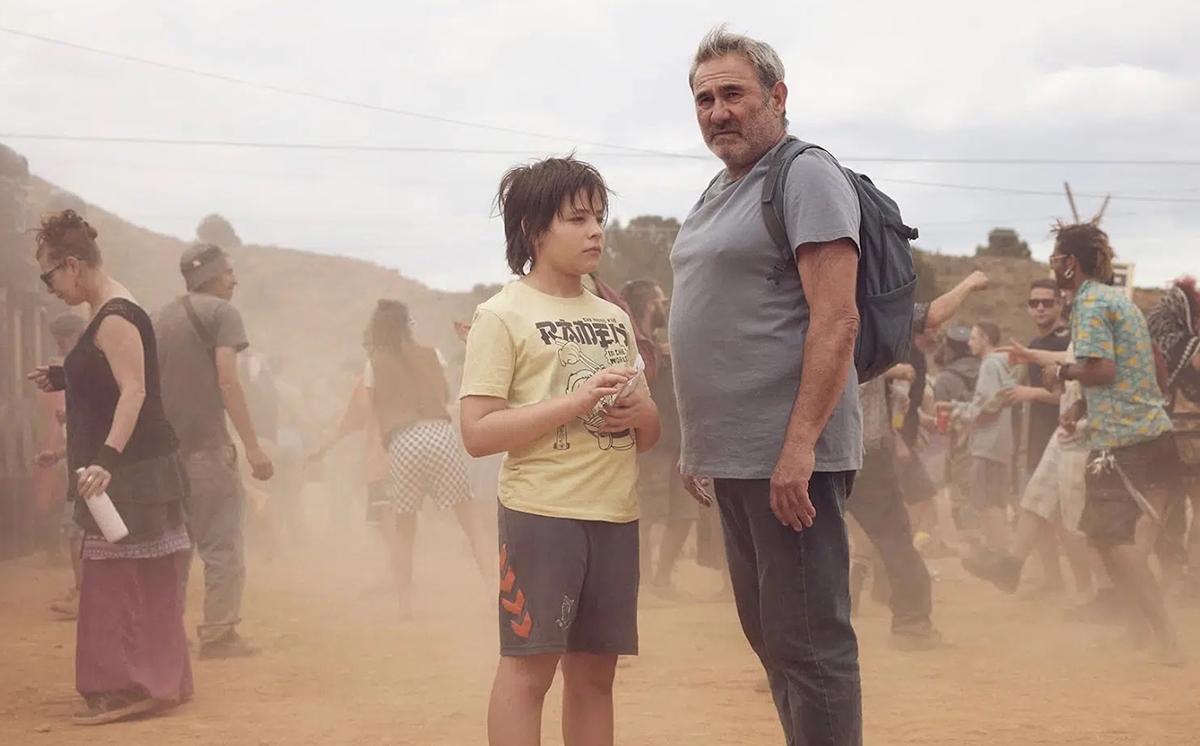
The sound design alone makes “Sirât” essential big-screen viewingâa sensory overload that rattles you from skull to sternum. Itâs no surprise Spain chose it as its Oscar submission; itâs one of the yearâs best films and, for me, the second-best of the festival (just behind “One Battle After Another”).
Both films, in their own ways, are about people who keep moving because stopping would mean dying. One finds liberation in carnage, the other in communion. At Fantastic Fest, thatâs as fitting a road pairing as youâll ever get.
Fantastic Fest ran from Sep 18, 2025 â Sep 25, 2025. Follow us for more coverage.




